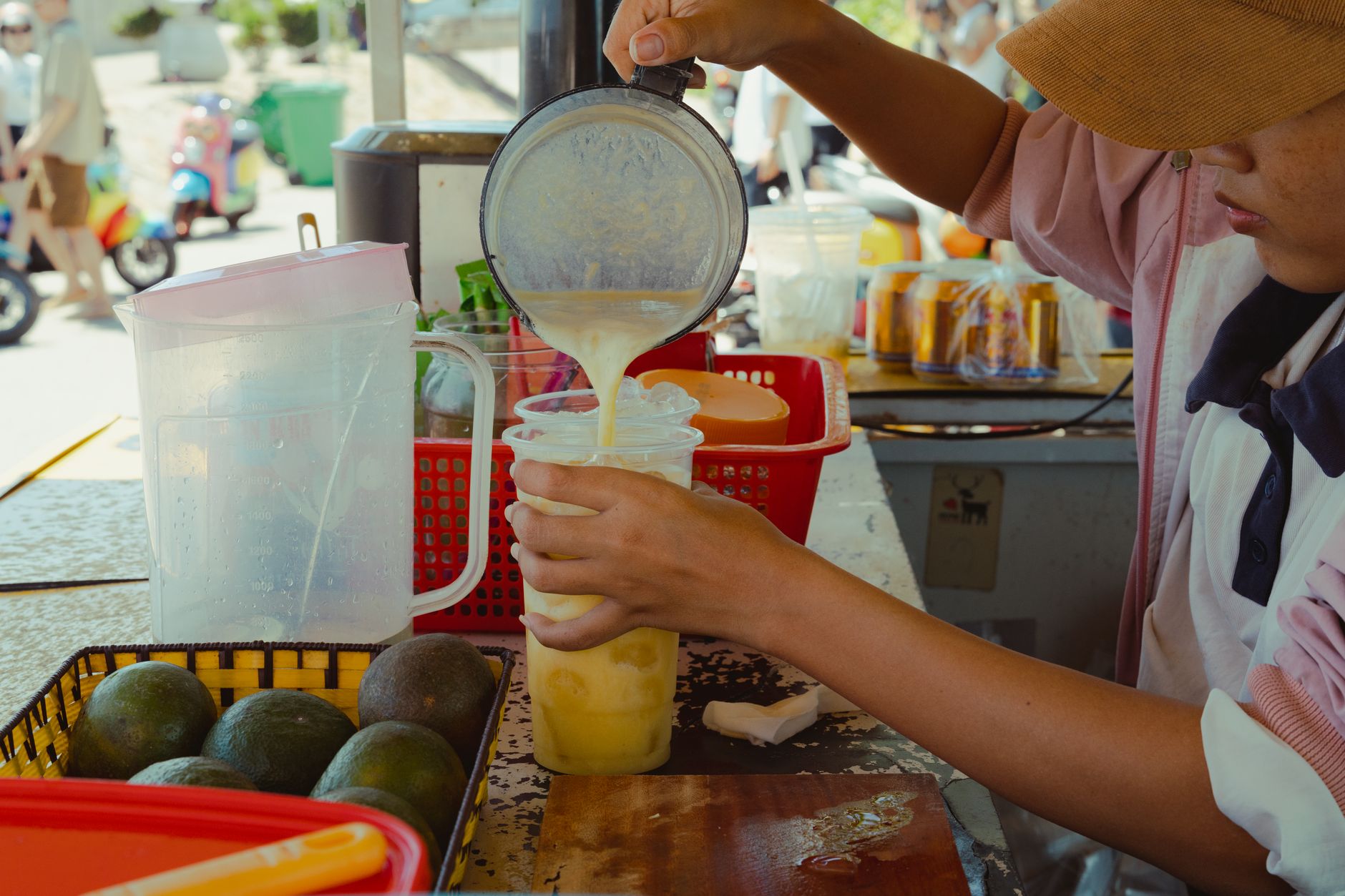
Hai Phong doesn't get the fine dining press that Hanoi or Hoi An does, which is partly why it's interesting. The city has money — old port money, new industrial-park money — and a food culture that runs deep. A handful of restaurants have started channeling that into something worth booking ahead for.
What "Fine Dining" Means Here
Manage expectations going in. Hai Phong's top end sits somewhere between a smart Hanoi (하노이 / 河内 / ハノイ) bistro and a mid-range regional European restaurant in terms of production value. You're not looking at tasting menus with twelve components and a wine pairing — you're looking at chefs who take northern Vietnamese cooking seriously, source from local suppliers, and plate with intention. Mains run 180,000–450,000 VND. A full dinner for two with drinks lands around 800,000–1,400,000 VND depending on how far you lean into the drinks list.
Sen Viet Restaurant
Sen Viet sits in a colonial-era shophouse near Tam Bac Lake and does the most coherent elevated Vietnamese menu in the city. The kitchen focuses on northern dishes — "banh cuon" filled with wood-ear mushroom and minced pork comes out thinner than street-stall versions, served with a dipping broth that's been reduced longer than it needs to be, in the best way. Their slow-braised pork belly with fermented shrimp paste glaze (280,000 VND) is the kind of dish that makes you slow down.
The room is calm without being stiff. Staff will explain the menu in English if you ask. Book 24 hours ahead on weekends — the private dining room upstairs fills with local business dinners Thursday through Saturday.

Photo by Quang Nguyen Vinh on Pexels
Nha Hang Hoang Hai
Hoang Hai is technically a seafood restaurant, but calling it that undersells what's happening in the kitchen. The chef, a Hai Phong native who spent several years cooking in Da Nang, runs a menu that treats the Gulf of Tonkin as a larder rather than a backdrop. Whole steamed grouper with ginger and scallion oil (market price, typically 350,000–420,000 VND per kilogram) is the anchor dish, but the sleeper is their "bun rieu" reimagined as a refined appetiser — crab-paste broth reduced to a tight consomme, poured tableside over rice vermicelli and a single steamed crab claw. It's 95,000 VND and it's the best thing on the menu.
The restaurant is on Tran Hung Dao Street, ten minutes on foot from the central ferry terminal. No online reservations — call ahead or walk in before 6 p.m.
Ngu Nguyet Quan
This one requires a short explanation. Ngu Nguyet Quan is a heritage-style restaurant built around the aesthetics of old Tonkin — "ao dai"-wearing staff, wooden furniture, lacquerware, the occasional live "ca tru" performance on Friday evenings. That kind of setup can go either way. Here it works because the food keeps pace with the atmosphere.
The "goi cuon (고이꾸온 / 越南春卷 / ゴイクオン)" (fresh spring rolls) use hand-caught river shrimp from the Do Son peninsula and house-made rice paper that's noticeably softer than the commercial stuff. Their "mi quang" — which is unusual to find well-executed this far north — comes with a turmeric-oil broth that's properly aromatic. Set menus start at 320,000 VND per person for four courses; a la carte is available but the set makes more sense for the money.
Book Friday evenings at least two days out if you want the ca tru performance alongside dinner. The music adds something.
Photo by Thanh Long Bùi on Pexels
Maison du Port
The most visually ambitious of the group. Maison du Port occupies a restored French colonial building near the old port quarter and splits its menu between Vietnamese and French-Vietnamese fusion — a format that's usually an excuse for neither cuisine to shine, but the kitchen here earns it. The chef trained in Hanoi and has a light touch with French technique applied to Vietnamese ingredients.
Their signature is a duck confit served with "com tam" (broken rice) and a fish-sauce gastrique. It reads like a gimmick and eats like a very good idea — 420,000 VND. The Vietnamese coffee creme brulee (65,000 VND) is the right way to end the meal. "Ca phe sua da" in solid form, essentially.
Service is the most polished in the city. English menus available. Reservations via their Facebook page or phone; they respond quickly.
On Drinks
None of these restaurants have serious wine lists. A few keep basic Chilean or Australian imports. You're better off ordering Vietnamese craft beer — Pasteur Street Brewing Co. products turn up in a couple of these spots — or going straight to local "bia hoi" culture before or after dinner. The area around Ben Binh harbor has reliable bia hoi spots where 7,000 VND gets you a glass of draft.
Practical Notes
Hai Phong is 120 km from Hanoi by road — about 90 minutes on the expressway — making it a feasible day trip, though an overnight stay lets you eat properly twice. Most of these restaurants close by 10 p.m. and don't seat after 9:30 p.m., so plan accordingly. Dress code is smart-casual at most; Maison du Port appreciates the effort if you put in a little more.
Last updated · May 29, 2026 · independently researched, never sponsored.