A bowl of "com hen" — steamed rice topped with tiny river clams, shredded banana blossom, peanuts, crackled pork skin, and a wallop of "mam ruoc" (fermented shrimp paste) — is one of the most aggressively flavored breakfasts in Vietnam (베트남 / 越南 / ベトナム). It comes from Hen Island (Con Hen), a sliver of land in the Perfume River just east of central Hue, where women have been harvesting baby clams since at least the 19th century. The dish is everywhere in Hue, but what you pay shapes what you get — and not always in the ways you'd expect.
The Cheap End: 20,000–35,000 VND
The canonical com hen experience is a low plastic stool, a woman with a pot of clam broth, and a bowl assembled faster than you can find somewhere to sit. These stalls open early — 6:00 to 10:00 AM at the latest — and they sell out. Come at 9:30 and you may find nothing left but a wiped-down cart.
Quan Com Hen Ba Tuyet, at 11 Truong Dinh in the Vy Da neighborhood, is the most-cited name among locals. A bowl runs 25,000 VND. You get rice (or "bun hen" if you prefer noodles), a heap of clam meat that's been stir-fried with lemongrass and chili oil, shredded herbs, roasted peanuts, sesame crackers, and a small cup of clam broth on the side. The mam ruoc arrives separately so you can dial the funk yourself. The table setup is communal and slightly chaotic. That's the point.
Along Nguyen Phuoc Nguyen street, closer to Hen Island itself, a handful of unnamed stalls operate out of metal carts from around 6:30 AM. Prices here sit at 20,000–25,000 VND. The clams are pulled from the river the same morning — this is as fresh as it gets in Hue (후에 / 顺化 / フエ). No English menu, no signage, no Wi-Fi. Bring cash, point, and eat fast.
What you're not getting at this price tier: air conditioning, a chair with a back, or consistency between visits. If the clam harvest was thin that week, your portion reflects it.
The Mid-Tier: 50,000–80,000 VND
A few sit-down spots have built a reputation on doing com hen slightly more carefully without inflating the price into tourist territory.
Hanh Restaurant, at 11 Pho Duc Chinh, operates from around 7:00 AM to noon and draws a mix of local office workers and travelers who've done their research. A bowl here is 55,000–65,000 VND. The difference from the street stall: the clam meat is more consistently portioned, the crackers are house-made and arrive properly crunchy, and the broth — which you're supposed to drink between bites to reset your palate — is cleaner and more aromatic. The mam ruoc is still front and center. It should be.
Hanh also serves "bun bo Hue" on the same menu, which makes it a reliable one-stop if you're eating with someone who hasn't committed to clams at 8 AM.

Photo by FOX ^.ᆽ.^= ∫ on Pexels
The Splurge End: 100,000–150,000 VND
A handful of restaurants in Hue — most of them targeting food-curious travelers staying near the Imperial Citadel or along Le Loi — have repackaged com hen as a refined dining moment. Expect table linen, a menu that explains the dish's history, and staff who speak enough English to walk you through the condiments.
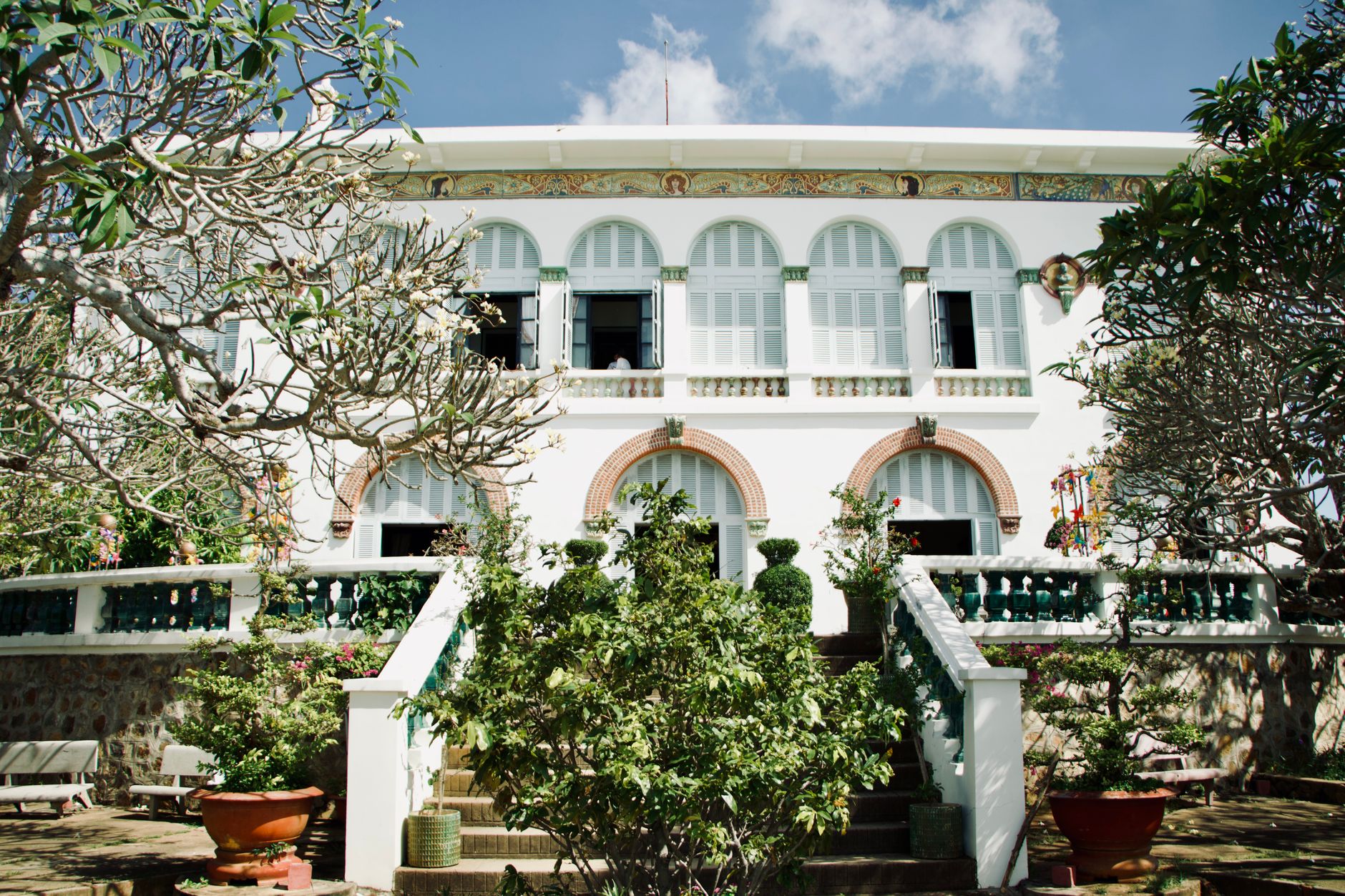
Tinh Gia Vien, at 7 Le Thanh Ton, sits inside a restored garden house and serves com hen as part of a broader Hue royal cuisine spread. A single portion runs around 120,000–140,000 VND. The presentation is precise: the components arrive separated, the crackers are thicker and slightly sweetened, and the clam meat has been cooked down with more care. The broth is strained and seasoned to a degree you won't find at a street cart.
Is it better? That depends on what you want. The mam ruoc is milder here, which some people will prefer and others will find defeats the purpose. The room is genuinely beautiful — a 19th-century wooden house with a garden — and that's part of what you're paying for. If you're spending two or three days in Hue and want to understand why this dish matters in its cultural context, eating it here once alongside a cheaper version elsewhere is a reasonable approach.

Photo by Pew Nguyen on Pexels
What Actually Changes (and What Doesn't)
Across all three price tiers, the core of the dish doesn't change much: clams, rice, peanuts, crackers, herbs, mam ruoc, broth. The clams are sourced from the same river regardless of where you eat. What shifts is the execution — how the clams are cooked, how the crackers are made, how the broth is finished — and the setting.
The mam ruoc is the hinge. At street stalls it arrives bold and unfiltered. At higher-end spots it gets softened. If you're new to fermented shrimp paste, the restaurant version is more approachable. If you've been eating in Hue for a few days and your palate has adjusted, the street stall version hits differently.
One practical note: com hen is a breakfast dish. By noon most of the serious stalls are closed or scraped bare. Plan accordingly, and don't try to substitute it with lunch.
Practical Notes
All prices are in Vietnamese dong and accurate as of mid-2025; street stall prices in particular can nudge up slightly without notice. Hen Island itself is accessible by a small bridge off Nguyen Sinh Cung street — worth a walk to see where the clams actually come from, even if you eat your com hen elsewhere in the city.
Last updated · May 26, 2026 · independently researched, never sponsored.