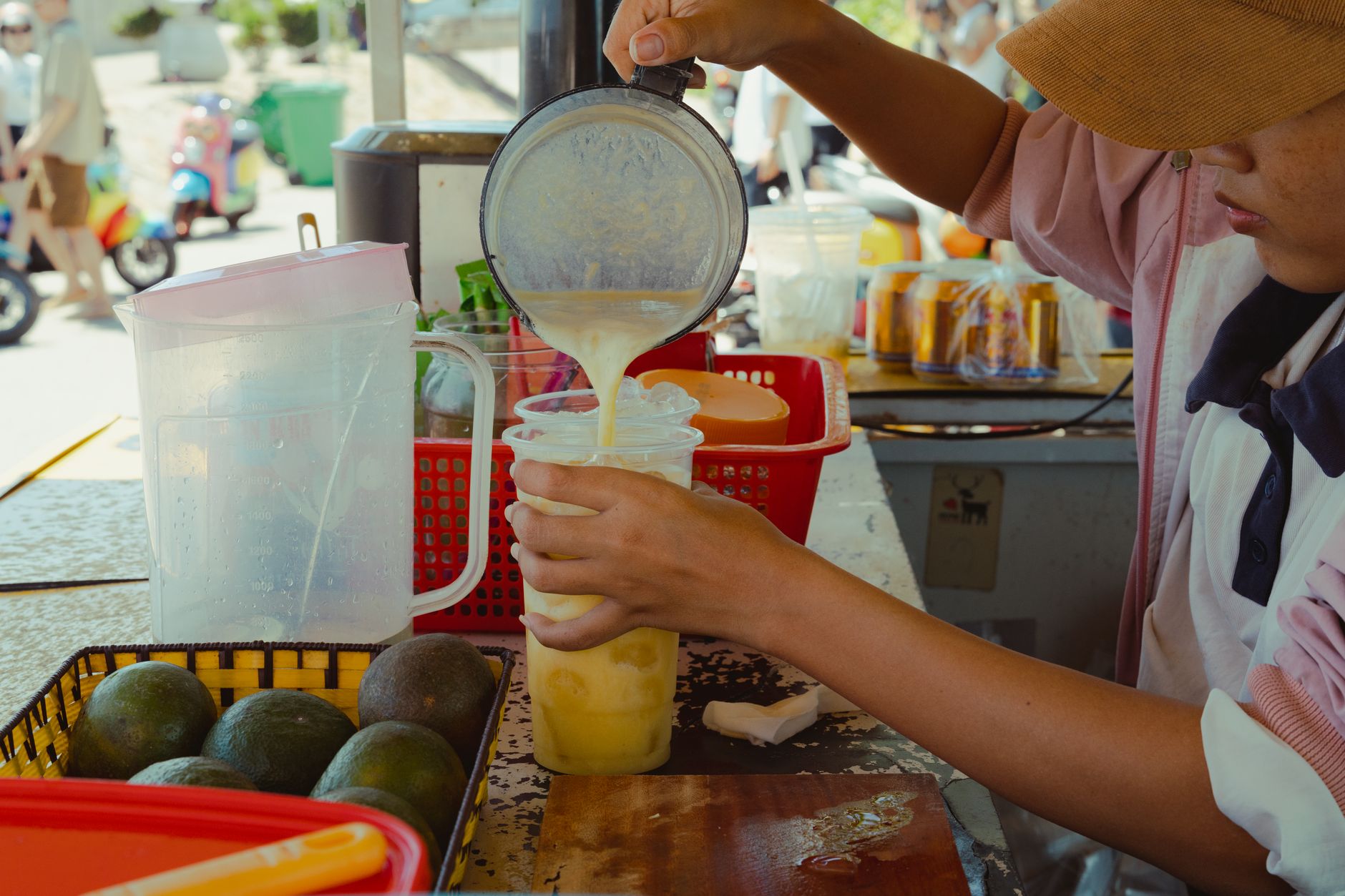
Vietnam (베트남 / 越南 / ベトナム) now exports roughly 1.5 to 1.8 million metric tons of coffee beans per year, trailing only Brazil in global volume. That fact tends to surprise people who associate the country mainly with tea — which makes the story of how coffee took root here worth knowing.
The French Plant a Seed
Coffee arrived in Vietnam around 1857, brought by French Catholic missionaries who had already seen the crop thrive elsewhere in the tropics. The first plants were Arabica, introduced to the central highlands (중부 고원 / 中部高原 / 中部高原) and the area around what is now Da Lat. The French colonial administration quickly recognized the commercial potential and pushed large-scale cultivation through plantation concessions across the highlands — particularly in the provinces that would later anchor the industry: Dak Lak, Lam Dong, and Gia Lai.
By the early twentieth century, coffee was one of several export commodities the French were shipping out of Indochina, alongside rubber and rice. The plantations were worked under conditions that were exploitative by any measure, and the economic benefits flowed almost entirely to colonial interests. But the plants stayed. The climate in the central highlands — elevations between 500 and 1,500 metres, reliable rain, well-drained basalt soil — turned out to be genuinely well-suited to coffee cultivation. That geography is still doing most of the work today.
Robusta's Rise
Sometime in the colonial period, growers began favoring Robusta (Coffea canephora) over Arabica in the lower and mid-elevation zones. Robusta is hardier, more resistant to disease, yields more fruit per tree, and contains nearly double the caffeine of Arabica. It's also more bitter and less aromatic — characteristics that Arabica snobs dismiss but that made it ideal for the strong, heavily filtered brewing style that would become distinctly Vietnamese.
The drink now simply called "ca phe" — brewed through a small metal phin drip filter directly into a glass, served either black or with a thick pour of sweetened condensed milk — was partly a product of circumstance. Fresh dairy was scarce and expensive under colonial rule; condensed milk, imported in tins by Nestlé, was shelf-stable and sweet. The combination of intensely bitter Robusta and cloying condensed milk turned out to be more than a workaround. It became a flavor profile that people actively sought. "Ca phe sua da" — iced coffee with condensed milk — is now one of the country's most iconic drinks, the kind of thing visitors try on day one and start craving on day two.
War, Division, and Stagnation
The decades between the 1940s and the mid-1980s were not good for Vietnamese coffee. The wars, partition, and the centrally planned economy that followed 1975 left the agricultural sector badly underinvested. Plantations in the highlands were damaged or neglected. Output was minimal. Vietnam was not a meaningful player in global coffee markets during this period.

Photo by 1500m Coffee on Pexels
The Doi Moi Turning Point
The economic reforms of 1986 — known as "Doi Moi," meaning renovation — decollectivized agriculture and allowed households and private enterprises to control production and trade. For coffee farmers in the central highlands, this was transformative. Land in Dak Lak that had been producing a fraction of its potential was suddenly worth developing. Farmers planted aggressively. Investment in processing infrastructure followed.
The results were rapid and dramatic. In 1990, Vietnam exported around 100,000 metric tons of coffee. By 2000, that figure had crossed one million metric tons. The country had gone from a marginal producer to the world's second-largest exporter in a single decade — a trajectory that genuinely has few parallels in agricultural history.
The dominant variety driving that boom was Robusta. Today, Vietnam accounts for roughly 40 percent of global Robusta supply. That matters because Robusta is a core ingredient in most commercial espresso blends and virtually all instant coffee. Every time someone makes a cup of instant coffee anywhere in the world, there's a reasonable chance the bean came from Dak Lak.
The Specialty Push
For most of its export history, Vietnamese coffee was a commodity play — high volume, low price, sold to trading houses and roasters who blended it anonymously into global products. That's still the majority of what gets exported. But over the last fifteen years, a parallel story has been developing inside the country.
Cafes in Hanoi, Saigon, and Da Nang have moved well beyond the phin-and-condensed-milk format. Specialty roasters are sourcing single-origin Arabica from the highlands around Da Lat and experimenting with natural processing methods. "Egg coffee" — "ca phe trung," made with a whipped egg yolk and sugar foam — has become a bona fide draw in Hanoi, with a handful of legacy cafes in the Old Quarter that have been making it the same way since the 1940s. Vietnamese coffee culture has developed enough texture and local identity that it doesn't need to be explained through the lens of anywhere else.
Kopi luwak — civet coffee — is also produced in Vietnam, particularly in the highlands. It's expensive, heavily marketed to tourists, and the ethics of the industry are genuinely worth researching before you buy. Worth knowing.
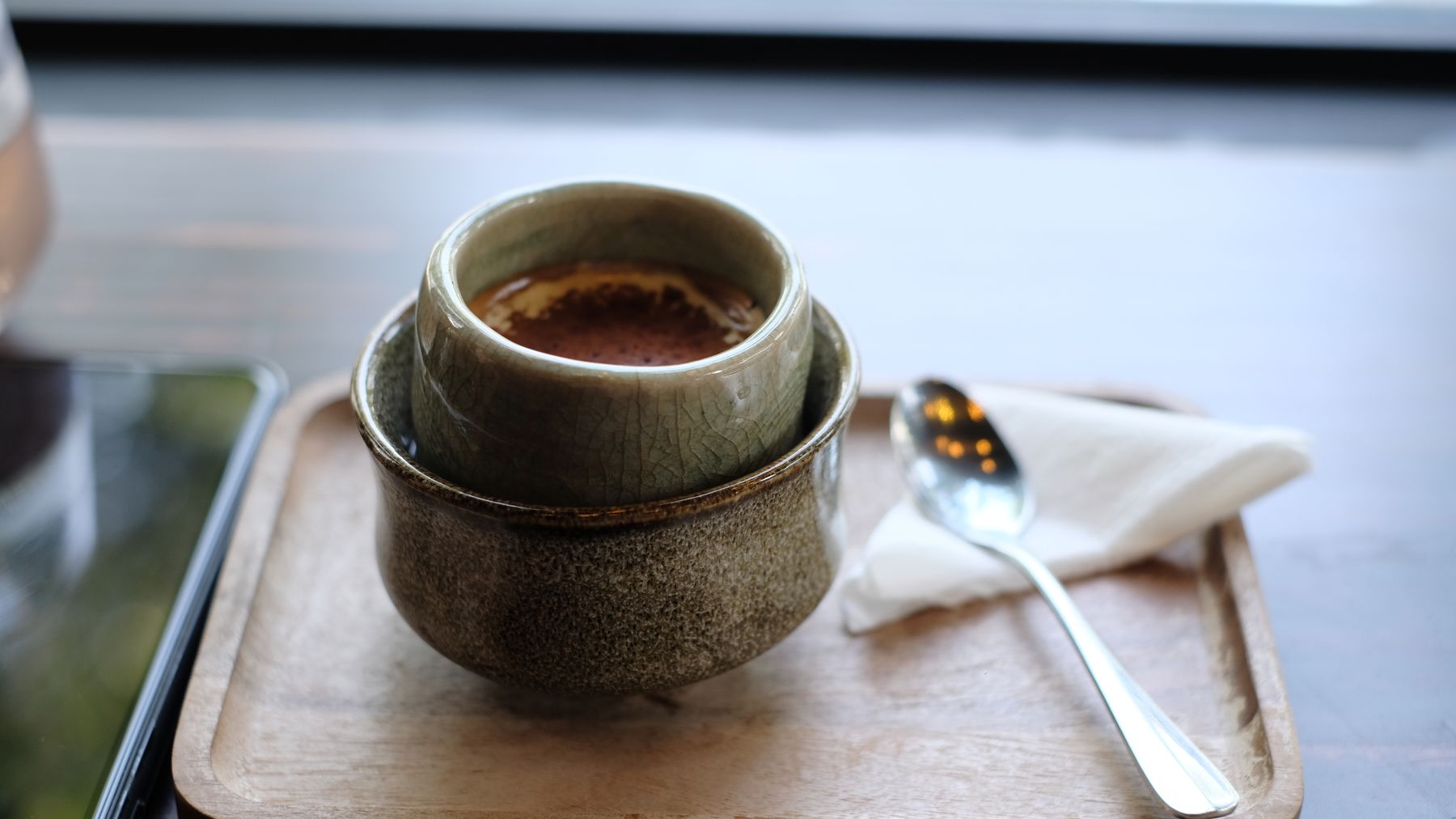
Photo by Nguyen Huy on Pexels
Where Vietnam's Coffee Actually Goes
The bulk of Vietnamese exports go to Germany, the United States, Italy, Japan, and South Korea. Nestlé, which operates a major processing plant in Hung Yen province, is one of the largest buyers. Domestic consumption has also grown significantly — Vietnamese people now drink a lot of their own coffee, and the cafe culture in every city from Hanoi down to Can Tho reflects that.
The central highlands remain the engine. Buon Ma Thuot, the capital of Dak Lak province, calls itself the coffee capital of Vietnam and hosts a biennial coffee festival. It's not a major tourist city, but for anyone seriously interested in where the beans come from, a visit to the farms around Buon Ma Thuot is more instructive than any cafe in the city.
Practical Notes
If you want to understand Vietnamese coffee through drinking rather than reading, start with a ca phe sua da at a street-side plastic-stool cafe — budget around 20,000 to 35,000 VND. In Hanoi, the egg coffee shops near Hoan Kiem Lake are the obvious reference point; Giang Cafe on Nguyen Huu Huan Street is the original. For something more contemporary, specialty roasters in Saigon's District 3 are doing serious work with highland Arabica. The history goes back 170 years, but the coffee in your glass right now is the clearest expression of where it landed.
Last updated · May 29, 2026 · independently researched, never sponsored.