Central Vietnam (베트남 / 越南 / ベトナム) is too often treated as a rapid-fire checklist, with travelers rushing from the imperial ruins of Hue to the tailor shops of Hoi An in a blur of highway tour buses. Taking ten days to loop through Hue, Da Nang, and Hoi An allows you to experience the dramatic shifts in geography, food, and pace that define this coast.
This itinerary is built for travelers who want to feel the transitions—riding the mountain passes, hiking the coastal jungles, and eating regional specialties where they were born.
Day 1 — Arrival in Hue: Perfume River and Royal Broths
Begin your trip in Hue (후에 / 顺化 / フエ), the former imperial capital. The city has a noticeably slower, more conservative tempo than Saigon or Hanoi. After checking into your guest house near the southern bank of the Perfume River, spend your afternoon walking along the waterfront promenade.
As dusk falls, seek out your first bowl of "bun bo hue" (spicy beef noodle soup). Unlike the versions served elsewhere, a local bowl in Hue features a intense broth heavy on lemongrass and fermented shrimp paste, loaded with beef shank, pig's knuckle, and cubes of congealed blood. Try the street-side stalls along Tran Cao Van street, where a bowl costs around 40,000 VND.
Day 2 — Hue: Citadels, Tombs, and Garden Houses
Dedicate today to the city's imperial legacy. Start early at the Imperial Citadel, the sprawling home of the Nguyen Dynasty emperors. The complex is vast, and walking through the restored halls and overgrown courtyards takes at least three hours.
In the afternoon, hire a driver or rent a scooter to head south along the river to the royal tombs. Skip the crowded, generic tour stops and focus on two contrasting sites:
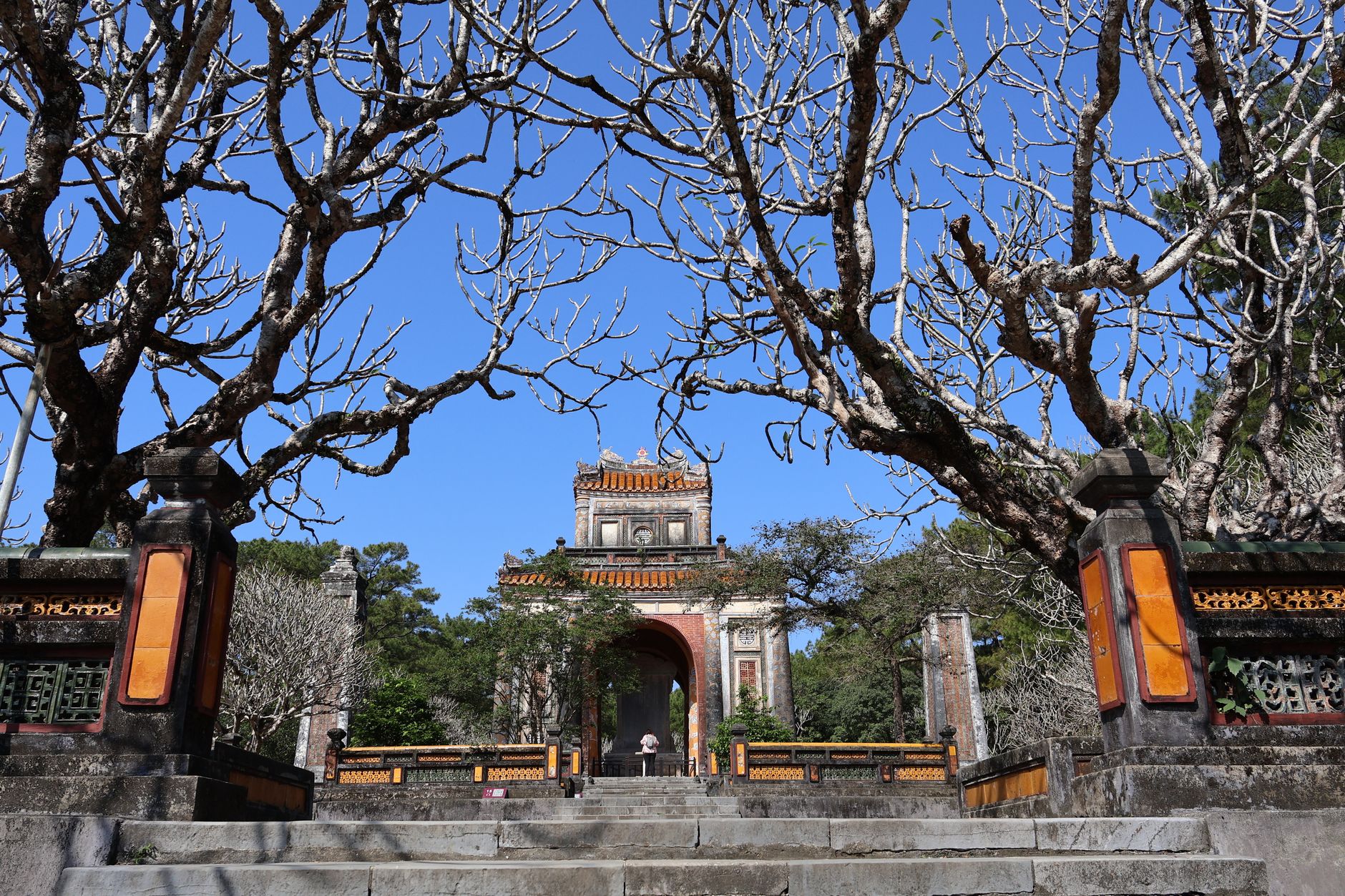
- Tomb of Tu Duc: Designed by the emperor himself before his death, this site functions more like a peaceful lakeside park with wooden pavilions and pine forests.
- Tomb of Khai Dinh: A steep, concrete monument built on a hillside, blending traditional Vietnamese motifs with French colonial architecture and intricate glass mosaic interiors.
End the day with a plate of "banh khoai" (crispy rice flour crepes stuffed with pork and shrimp) at a local eatery near the Dong Xuan Market area.
Day 3 — Hue to Bach Ma: Trekking the Wet Wilderness
Take a day trip into Bach Ma National Park, located about 40 km south of Hue. This former French hill station sits at an elevation of 1,450 meters, offering cool mountain air and dense semi-tropical rainforest.
Hire a local guide at the park entrance to tackle the Five Lakes Trail, a wet scramble that requires wading through cold mountain pools and holding onto guide ropes along wet rock faces. The trail culminates at the top of Do Quyen Waterfall, which plunges 300 meters down the mountain. Pack a light lunch and plenty of water; there are no shops inside the park.
Day 4 — The Great Pass: Hue to Da Nang via Hai Van
Today is the transition day. While you can take a one-hour train ride, the best way to travel the 100 km from Hue to Da Nang is by motorbike over the Hai Van Pass. If you are not an experienced rider, hire an "Easy Rider" service to carry you and your luggage on the back of a classic motorcycle.
Stop halfway at Lang Co bay for a lunch of grilled oysters and squid at one of the stilt restaurants over the lagoon. From there, the road climbs steeply into the clouds, twisting around the Truong Son mountain range before dropping down into the coastal plain of Da Nang.
Arrive in Da Nang by late afternoon. Head straight to the beachside neighborhoods of An Thuong for a cold glass of "bia hoi" (fresh draft beer) and plates of steamed clams with lemongrass.
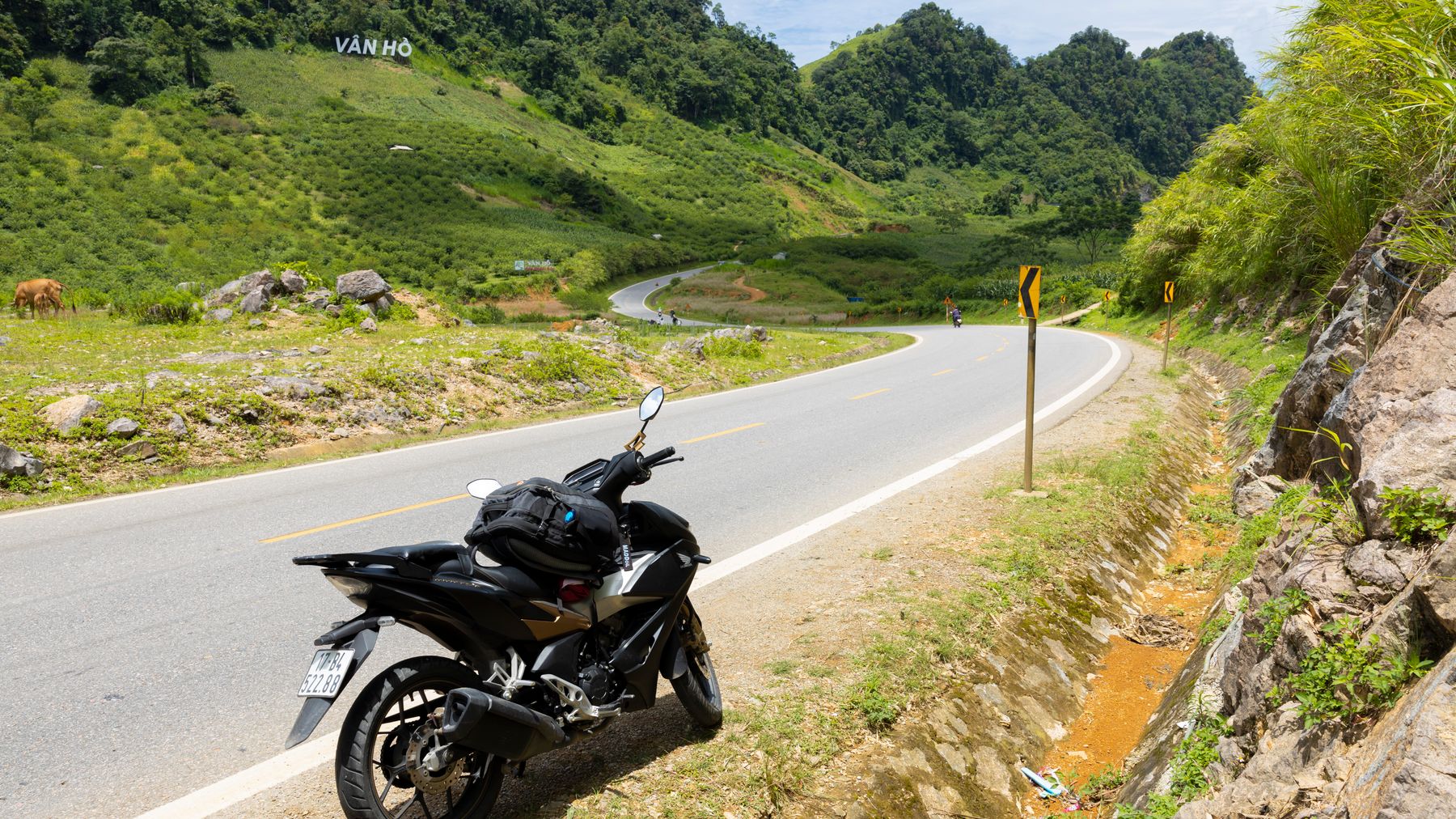
Photo by HONG SON on Pexels
Day 5 — Da Nang: Peninsula Rides and Hidden Coves
Da Nang is a modern, fast-growing city defined by its long sandy coastline and wide bridges. Spend the morning exploring the Son Tra Peninsula, a wild, forested mountain jutting into the ocean just north of the city center.
Rent a 125cc scooter (about 150,000 VND per day) and ride the steep, winding coastal road. Keep an eye on the canopy; Son Tra is home to the rare red-shanked douc langur, a colorful monkey that feeds in the treetops. Ride up to Ban Co Peak for a panoramic view of the entire bay, then cool off at one of the small, rocky beaches like Bai Cat Vang.
Day 6 — Da Nang: Marble Caves and Coastal Eats
Start your morning at the Marble Mountains, a cluster of five limestone hills rising abruptly from the coastal plain. Climb the stone steps into Huyen Khong Cave, a massive cavern illuminated by shafts of sunlight filtering through holes in the collapsed ceiling.
In the afternoon, escape the midday heat at My Khe Beach. For dinner, seek out "mi quang" (turmeric-infused rice noodles served with a rich, shallow broth, pork, shrimp, fresh herbs, and toasted sesame rice crackers) at Mi Quang Ba Mua on Tran Cao Van street.
Note: While many travelers take a day trip to the Golden Bridge at Ba Na Hills from here, it is often crowded and highly commercialized. If you prefer natural landscapes, stick to the coastal cliffs of Son Tra.
Day 7 — Da Nang to Hoi An: Ancient Streets and River Lights
Take a 45-minute taxi ride south to Hoi An (approximately 350,000 VND). This ancient trading port is famous for its preserved wooden merchant houses, Chinese assembly halls, and Japanese covered bridge.
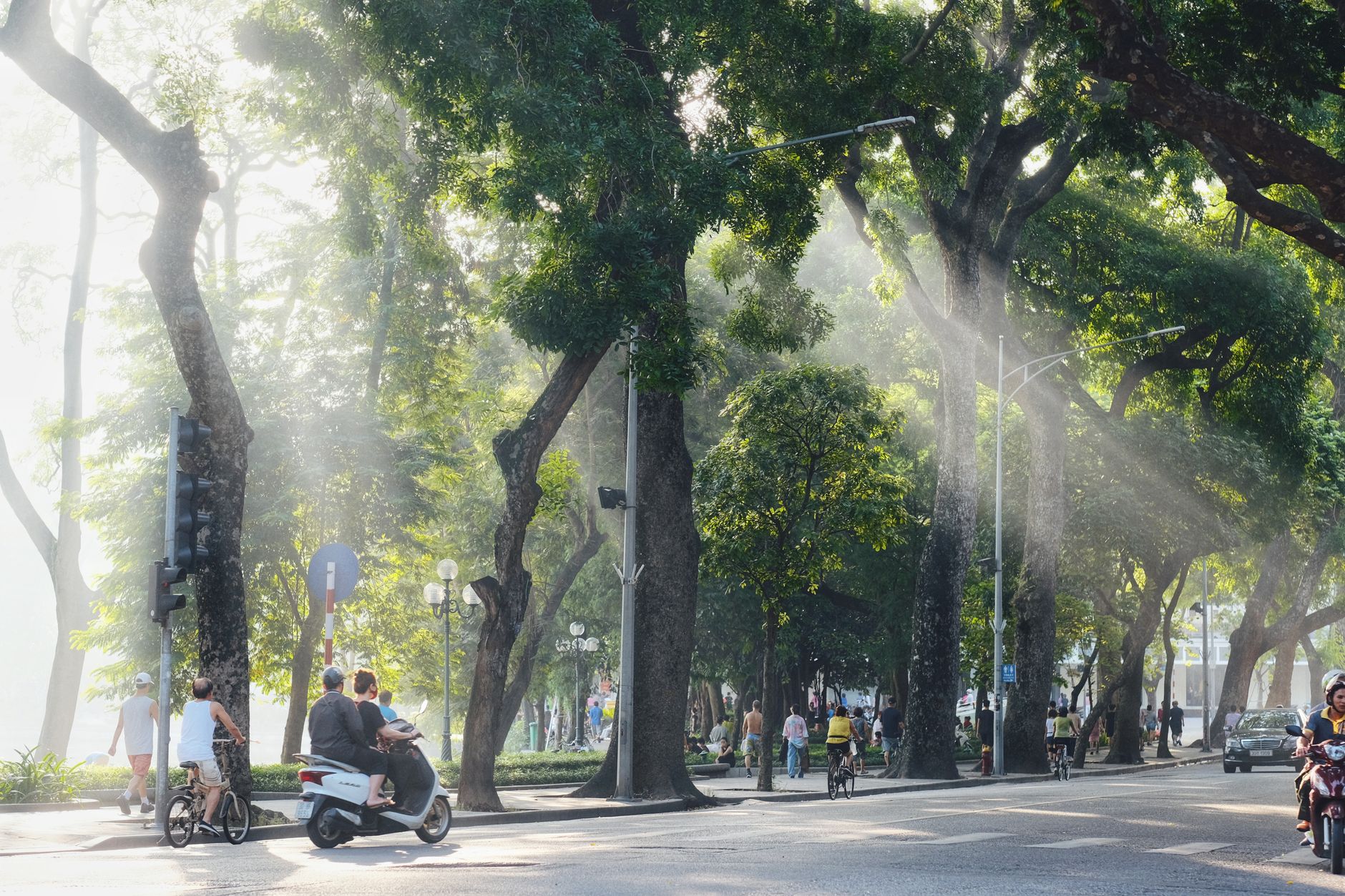
Check into a homestay near the Thu Bon River. Spend the afternoon wandering the pedestrian-only streets of the Ancient Town. As the sun sets, the town transitions into a sea of silk lanterns. Avoid the tourist-trap restaurants along the riverfront; instead, find a quiet alley stall to try "cao lau", a pork noodle dish unique to Hoi An, made with thick, chewy noodles lye-treated with water from the ancient Ba Le well.

Photo by Võ Văn Tiến on Pexels
Day 8 — Hoi An: Ruins of My Son and Local Clay
Wake up at 5:30 AM to visit My Son, a valley filled with the red-brick ruins of the ancient Champa Kingdom. Arriving at 6:30 AM allows you to explore the temples in the cool morning air before the tour buses arrive from Da Nang.
Return to Hoi An by noon. Spend the afternoon cycling through the vegetable gardens of Tra Que village or visiting the Thanh Ha pottery village, where local artisans still throw clay pots on foot-powered wheels.
Day 9 — Hoi An: Water Coconuts and Coastlines
Spend your final full day on the water. Rent a kayak or join a small-group tour to paddle through the Cam Thanh nipa palm forest, a maze of green water coconut waterways.
In the afternoon, cycle down to An Bang Beach, a quieter alternative to the busy sands of Da Nang. Grab a deck chair at a local beach shack, order a fresh coconut, and watch the fishing boats head out for the night.
Day 10 — Hoi An to Da Nang: Final Brews and Departure
Before heading back to Da Nang international airport for your flight, enjoy a slow morning in Hoi An. Find a quiet cafe overlooking the river and order a "ca phe sua da" (iced coffee with sweet condensed milk). Grab a final "banh mi" from Madam Khanh (the Banh Mi Queen) for the road—a perfect, crunchy, savory end to ten days in the central provinces.
Practical notes
- Best Time to Go: The dry season runs from March to August. Avoid October to December, when heavy rains and typhoons frequently hit the central coast.
- Transport: A one-way motorbike rental with luggage transfer service between Hue and Hoi An/Da Nang is highly recommended for Day 4.
- Packing: Bring sturdy hiking shoes for Bach Ma and the Marble Mountains, along with a light rain jacket even in the dry season.
Last updated · May 30, 2026 · independently researched, never sponsored.