Central Vietnam (베트남 / 越南 / ベトナム) is often defined by its imperial history and ancient towns, but for those who know where to look, it is a region built on the ritual of the morning brew. This 10-day route focuses on the distinct coffee culture of the coast, moving from the quiet, tea-heavy mornings of Hue to the modern, high-energy roasteries of Da Nang.
Day 1-3 — Hue: The Imperial Slow Brew
Start in Hue (후에 / 顺化 / フエ), where coffee is taken seriously but never rushed. Spend your first morning at a local sidewalk spot near the Perfume River. Order a "ca phe sua da" (iced coffee with condensed milk) and watch the city wake up. The coffee here is often darker and more robust than in the south.
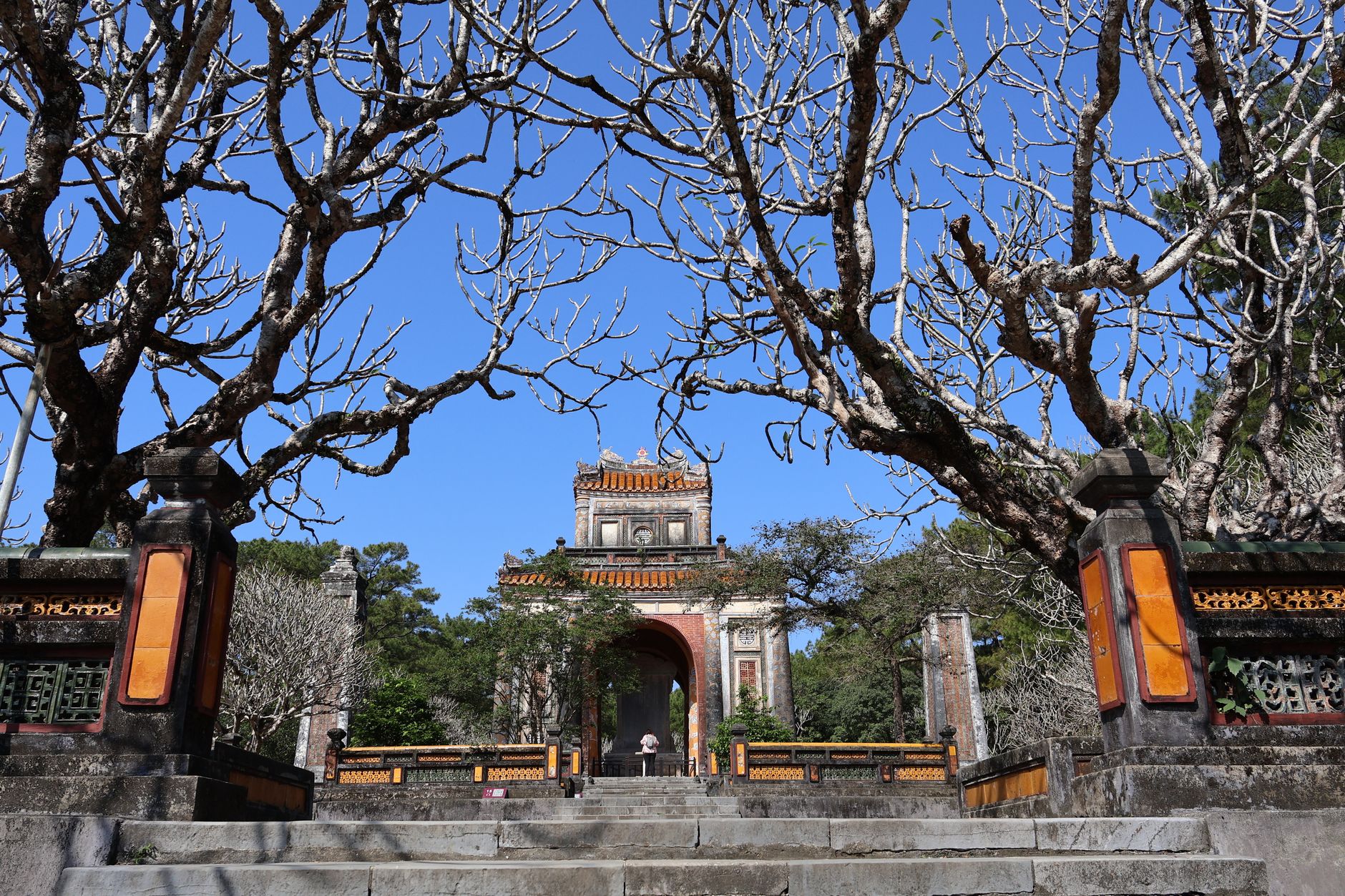
Spend your afternoons exploring the "Tomb of Tu Duc" and the "Tomb of Khai Dinh". In the evenings, head to the smaller alleys near the Citadel to find cafes that serve "egg coffee", a rich, custard-like drink that pairs perfectly with the cooler evening air. Don't miss a bowl of "bun bo hue" for breakfast; the spicy, lemongrass-heavy broth is the perfect precursor to a strong caffeine hit.
Day 4-5 — Da Nang: The Modern Roastery Scene
Take the train from Hue to Da Nang. The route hugs the coast and offers some of the best views in the country. Once in Da Nang, you will notice a shift. The city is obsessed with specialty coffee. Spend your days hopping between roasteries in the Hai Chau district. Many local shops now source beans from the Central Highlands, roasting them on-site to highlight floral and nutty notes.
In the late afternoon, head toward the beach. While the tourist strips are crowded, the local coffee culture thrives in the residential areas behind the main hotels. Grab a "vietnamese coffee" in a glass filter—the "phin"—and wait for the slow drip. For dinner, seek out "mi quang", a turmeric-infused noodle dish that is a staple of this region.
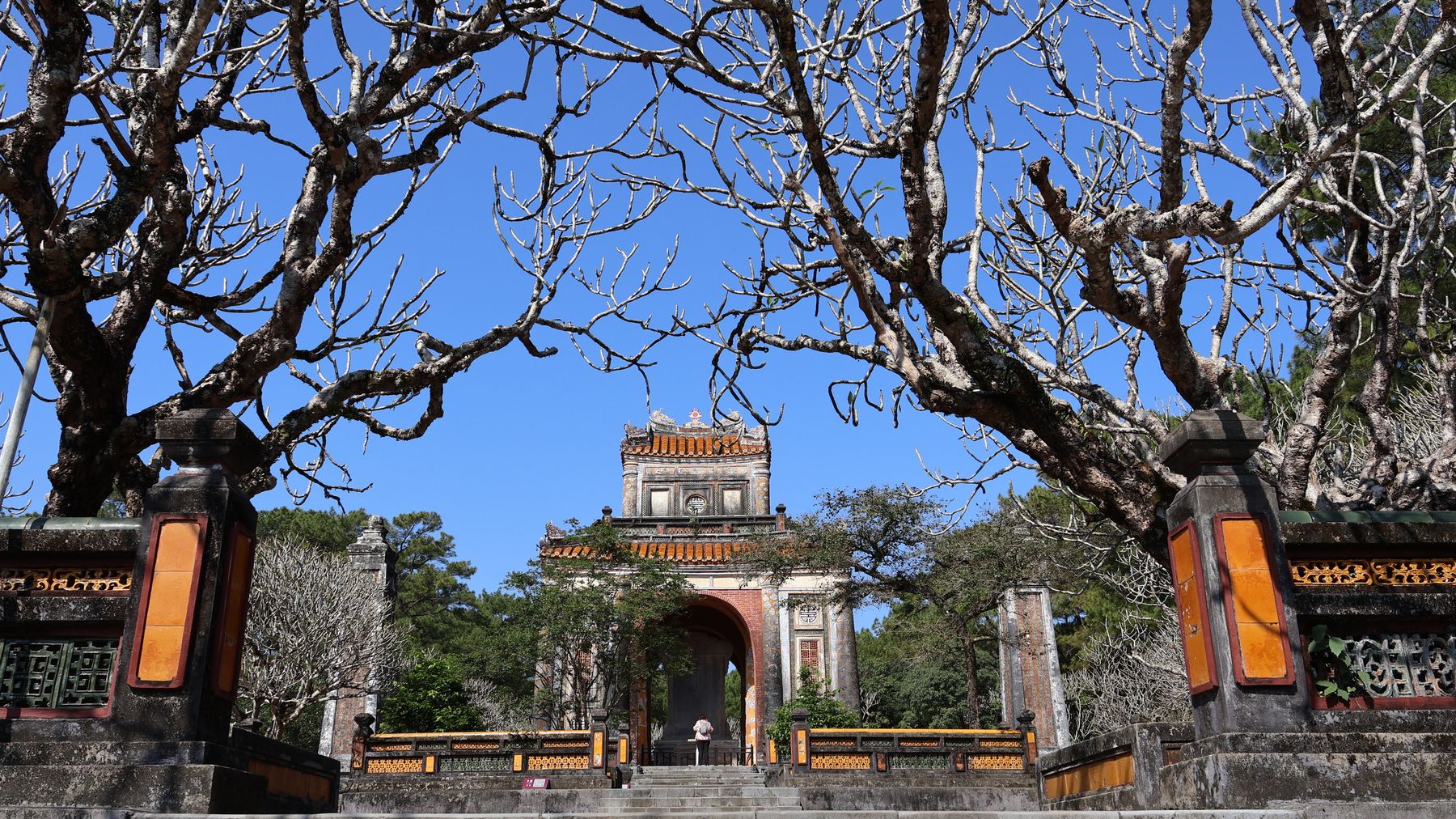
Photo by Minh Lê on Pexels
Day 6-8 — Hoi An: Heritage and Beans
Travel 30km south to Hoi An. While the Ancient Town is famous for its architecture, it is also home to some of the most atmospheric cafes in Vietnam. Avoid the main tourist thoroughfares and head to the cafes near the river that occupy converted merchant houses.
Spend a day cycling through the rice paddies toward "Cu Lao Cham" or simply wander the streets. Hoi An’s coffee culture is influenced by its history as a trading port; you will find a mix of traditional phin-brewed coffee and modern espresso-based drinks. Try "cao lau", the city’s signature noodle dish, at a small stall before settling into a cafe with a view of the Thu Bon River. If you have time, take a short trip to the "My Son" sanctuary to see the Champa ruins, but be back in town by 4:00 PM for the best light.

Photo by Quang Nguyen Vinh on Pexels
Day 9-10 — The Coastal Slow Down
Use your final days to explore the coastal stretch between Da Nang and Hoi An. There are several hidden spots along the beach road where you can sit on a low plastic stool, order a coffee, and watch the local fishermen. This is the time to reflect on the trip.
On your last evening, find a spot serving "banh xeo"—a crispy, savory pancake filled with shrimp and sprouts. It is a messy, communal meal that captures the essence of Central Vietnamese dining. Before you leave, pick up a bag of locally roasted beans from one of the independent roasteries you visited in Da Nang; it is the best souvenir you can carry home.
Practical notes
Trains are the most reliable way to travel between Hue and Da Nang; book the 'soft seat' or 'sleeper' class at least a week in advance via the official railway website. Most cafes in these cities open early, around 6:30 AM, and close by 10:00 PM, so plan your caffeine intake accordingly.
Last updated · May 30, 2026 · independently researched, never sponsored.