What Con Au is — and why it matters
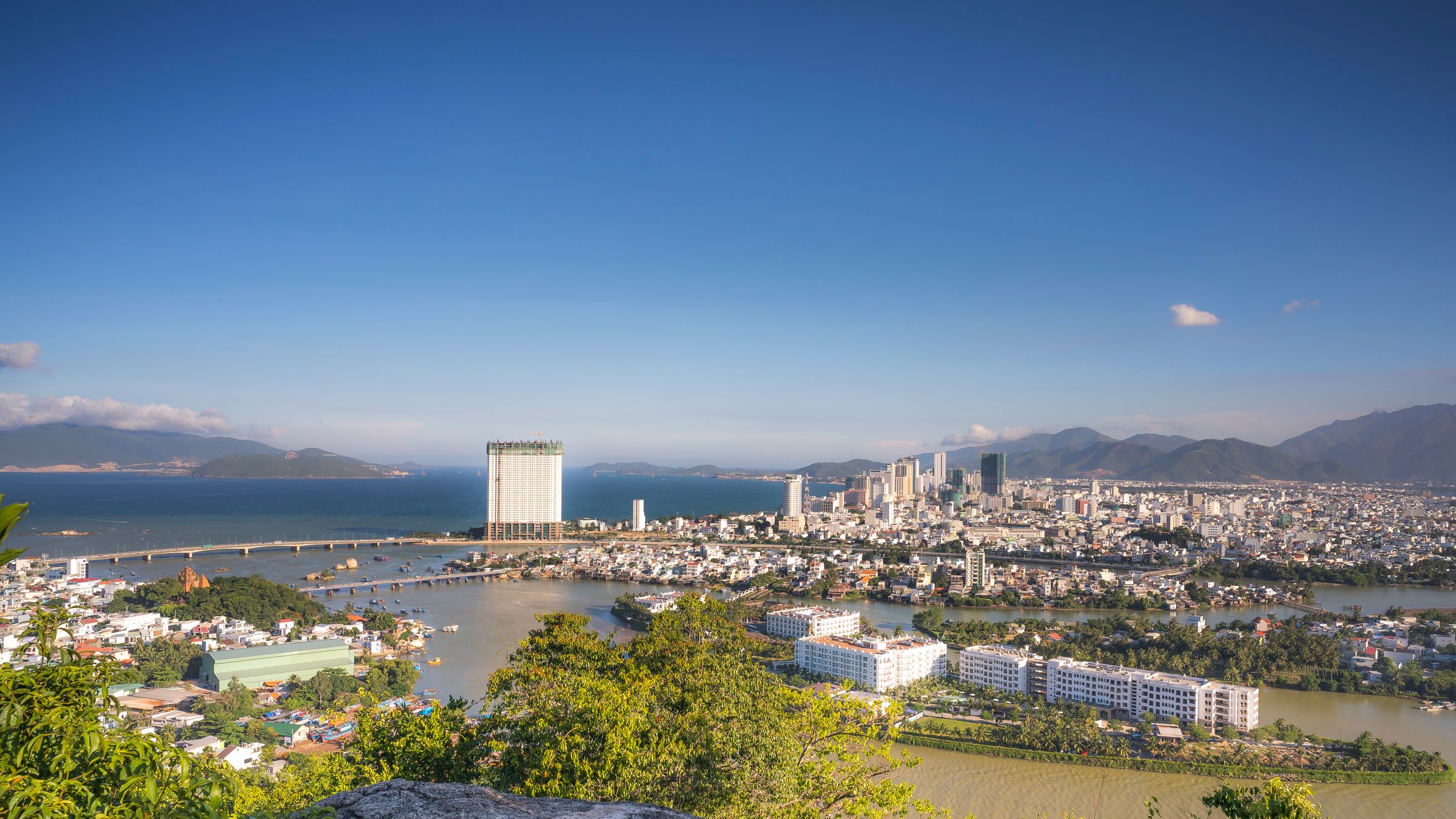
Con Au is a narrow alluvial island sitting in the Hau River, just a few hundred meters from downtown Can Tho. It stretches roughly 5 km long but barely 800 m wide at its thickest point — a ribbon of green wedged between the city skyline and the wide brown water of the Mekong Delta (메콩 델타 / 湄公河三角洲 / メコンデルタ)'s largest tributary.
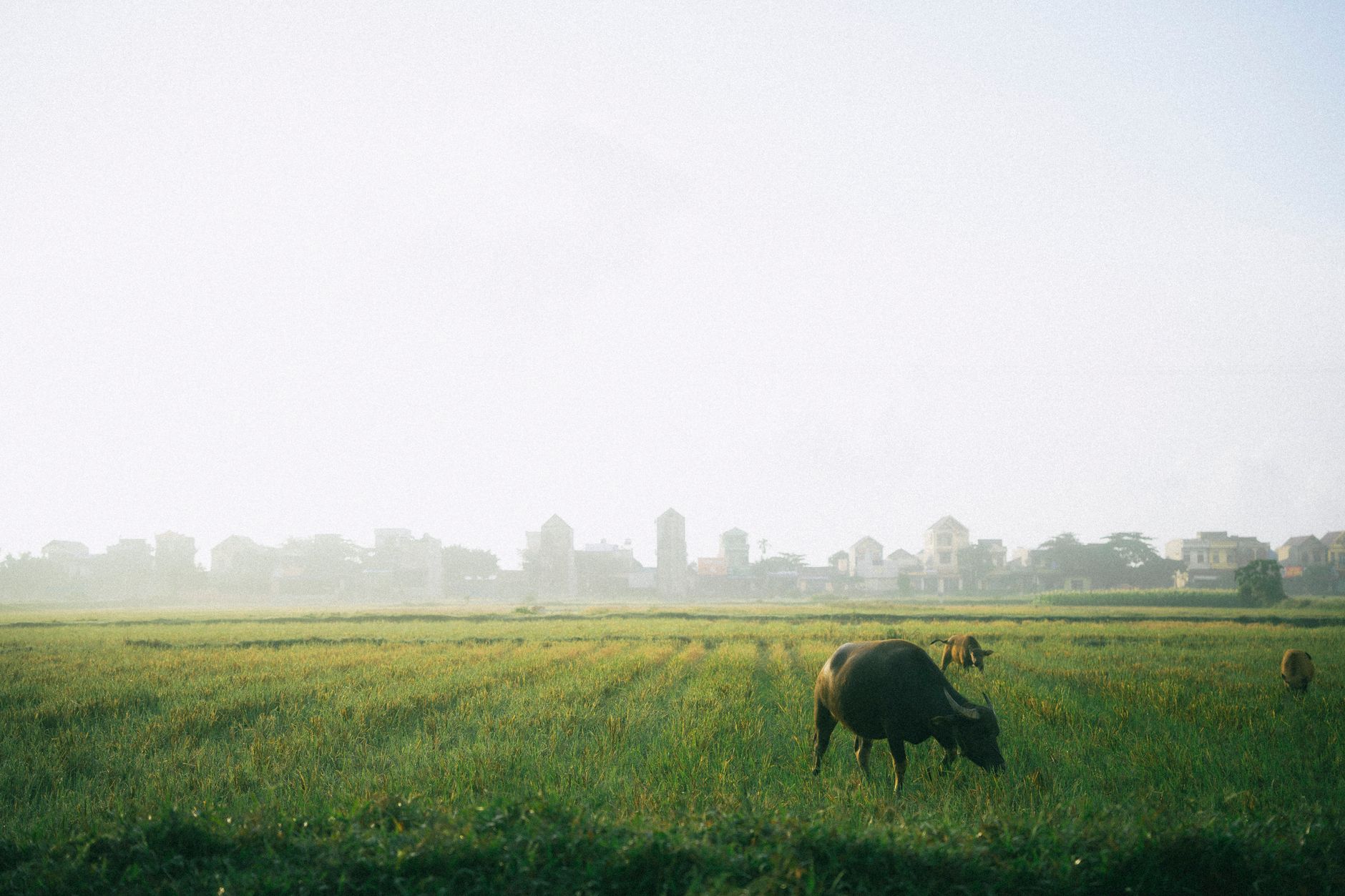
The island has been inhabited for generations by families who farm fruit, raise fish in floating cages, and grow vegetables on the silty soil that the river replenishes each flood season. Unlike the more commercialized Con Phung or Thoi Son islands further upstream, Con Au remains low-key. There are no ticket gates, no crocodile shows, no coconut-candy factories running on loudspeaker commentary. It's a working island that happens to welcome visitors.
Why travelers go
Three reasons, mostly:
- Proximity to the city. You can be sitting in a hammock under a longan tree within 15 minutes of leaving Ninh Kieu Wharf.
- Authenticity without hardship. The homestays are simple but comfortable; the fruit gardens are real farms, not staged photo ops.
- A slower pace. If you've just spent a frantic morning at Cai Rang floating market, Con Au is the antidote — no itinerary, no guide narrating your every step.
It's also a useful base if you want to explore Can Tho (껀터 / 芹苴 / カントー) over multiple days without staying in the hotel strip along Hai Ba Trung street.
Best time to visit
Can Tho has two seasons: wet (May–November) and dry (December–April). The dry season is more comfortable for cycling the island's narrow paths, and fruit harvest peaks around January–March for longan, sapodilla, and mango. During the wet season, the river rises and the island floods at its edges — dramatic to see, but some paths become impassable by bicycle.
Weekdays are quieter. Weekends bring domestic visitors from Can Tho city itself, especially on Sunday mornings.
How to get there
From central Can Tho, head to Ninh Kieu Wharf (Ben Ninh Kieu). Small passenger boats cross to Con Au every 20–30 minutes from early morning until around 6 PM. The fare is roughly 10,000–15,000 VND per person each way. The crossing takes under 5 minutes.
Alternatively, if you're arriving by motorbike, there's a vehicle ferry ("pha") at the island's southern tip that can carry bikes. Cost is around 5,000 VND for a motorbike including rider.
From Saigon, Can Tho is about 170 km — roughly 3.5 hours by car or bus via the Can Tho Bridge. Buses from Saigon's Mien Tay station run frequently; Phuong Trang (FUTA) and Thanh Buoi are reliable operators.

Photo by Duy Nguyen on Pexels
What to do
Cycle the island loop
The main concrete path runs the length of the island and loops back. Total distance is around 8–10 km depending on detours. Most homestays lend bicycles free of charge. You'll pass jackfruit trees, fish ponds, small temples, and the occasional dog that will escort you for a few hundred meters before losing interest.
Visit a fruit garden
Several families open their orchards to visitors for 30,000–50,000 VND per person, which includes sampling whatever's in season — dragon fruit, rambutan, longan, or pomelo. No hard sell; you pick, you eat, you sit.
Watch the river traffic
The Hau River is one of the busiest waterways in the delta. From Con Au's eastern bank, you can watch sand barges, fishing boats, and the occasional tourist sampan heading toward Cai Rang. Sunset here is better than from Ninh Kieu, because you're looking west across open water without the city's buildings in the way.
Kayak or paddle
A few homestays offer kayaks or small rowing boats for exploring the narrow canals at the island's edges. Free or 50,000 VND/hour depending on the host.
Where to eat
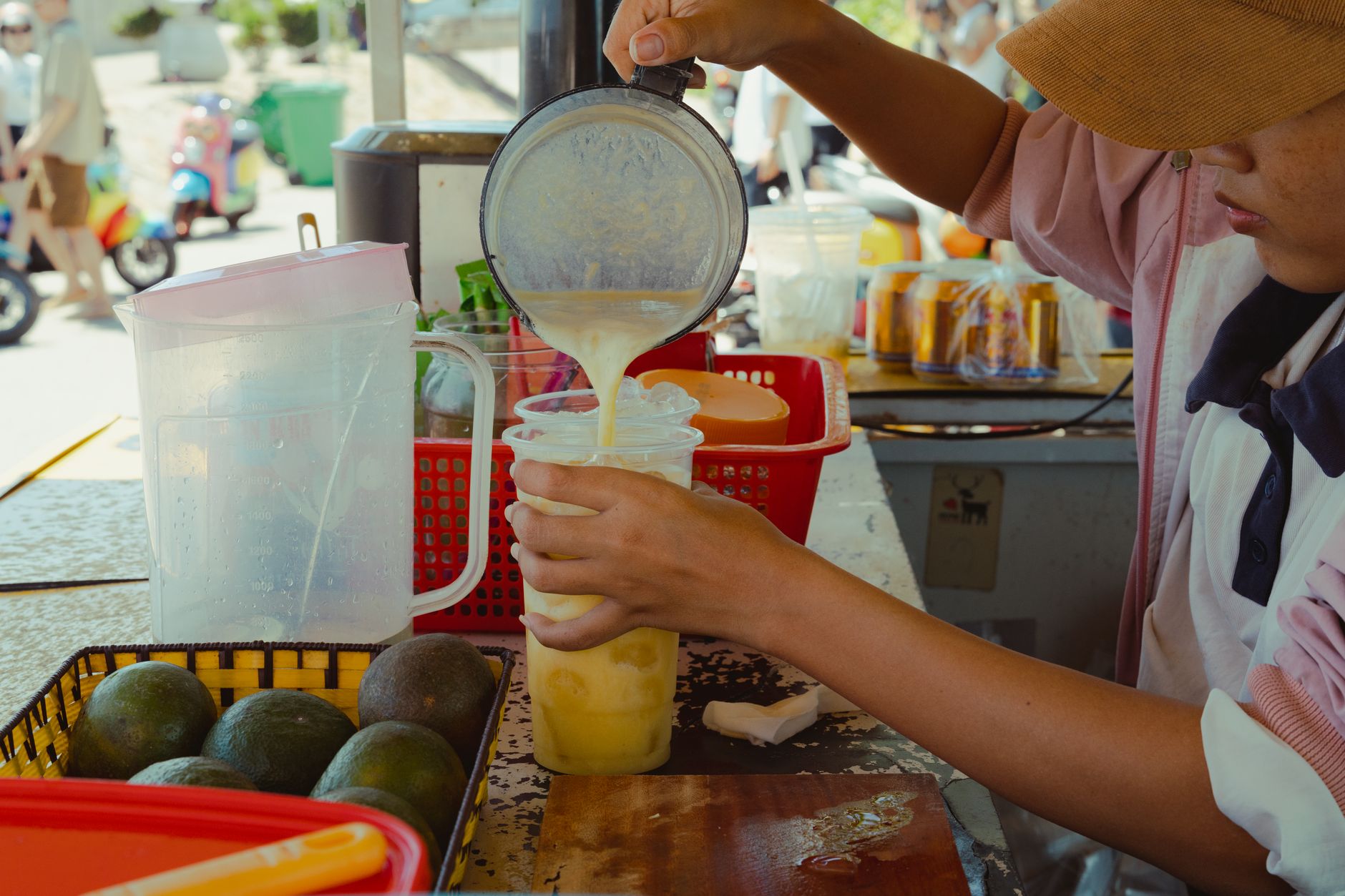
Con Au doesn't have restaurants in the traditional sense. Most homestays serve meals — typically a spread of grilled river fish, "canh chua" (sour tamarind soup with fish), steamed morning glory, and rice. Expect to pay 80,000–120,000 VND per person for a full home-cooked meal.
If you're just visiting for the day, a few family-run stalls near the northern ferry landing sell "hu tieu" (the delta's signature noodle soup), "banh xeo" folded with river shrimp, and strong drip coffee. Nothing fancy, but honest.
For a wider food scene, head back across the river to Can Tho's Hai Ba Trung area — grilled "nem chua" skewers, "com tam" plates, and egg coffee have all made their way south from Hanoi and are easy to find.
Where to stay
Con Au has a handful of homestays, most bookable via phone or through local tourism offices in Can Tho. Rooms are simple: fan or A/C, mosquito net, shared or private bathroom. Rates run 200,000–400,000 VND per night. A few places:
- Vuon Trai Cay Homestay — in the middle of a fruit orchard, basic but clean rooms, excellent home cooking.
- Hai's Garden — slightly more polished, with kayaks and a river-facing hammock area.
Don't expect hotel-grade amenities. Do expect silence after 9 PM and roosters at 5 AM.
If you prefer a proper hotel, stay in Can Tho city and visit Con Au as a half-day trip. Ninh Kieu area has options from 300,000 VND hostels to 1,500,000 VND boutique hotels.

Photo by Quang Nguyen Vinh on Pexels
Practical tips
- Cash only on the island. No ATMs, no card machines. Bring small bills.
- Mosquitoes are real, especially near dusk. Pack repellent.
- Phone signal is fine (Viettel, Mobifone both work), but don't expect fast Wi-Fi at homestays.
- Language — very little English spoken. A few Vietnamese phrases or a translation app will help. Most hosts are patient and used to hand-gestures.
- Shoes — wear sandals you don't mind getting muddy if visiting during wet season.
Common mistakes
- Arriving too late. The last ferry back is around 6 PM. Miss it and you're swimming or sweet-talking a fisherman.
- Expecting Hoi An-level polish. This isn't a curated tourism product. That's the point, but if you need hot showers and breakfast menus, stay in the city.
- Rushing it. Con Au rewards slow time — an afternoon, a full day, or better yet an overnight. Showing up for 45 minutes to "see the island" will leave you wondering what the fuss was about.
- Skipping Cai Rang. If you're in Can Tho, the floating market is still worth the early alarm — go at 5:30 AM before the tour boats arrive, then retreat to Con Au for the rest of the day.
Practical notes
Con Au works best as a complement to Can Tho's other draws — the floating market, the city's food scene, maybe a day trip deeper into the delta toward the rivers south of the old Hau Giang and Soc Trang areas. Budget half a day minimum, a full overnight if you want the real rhythm of river-island life.
Last updated · May 29, 2026 · independently researched, never sponsored.