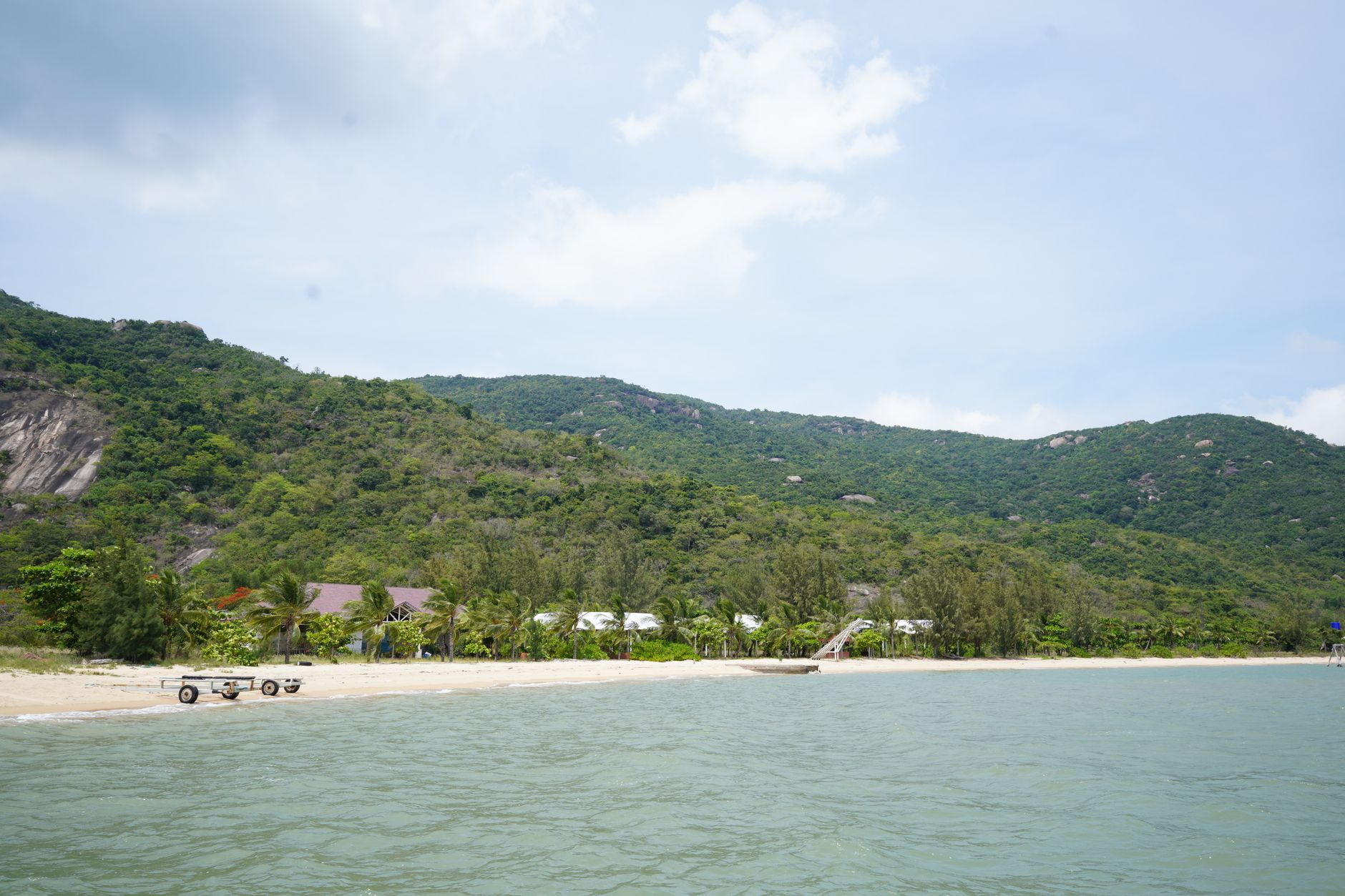
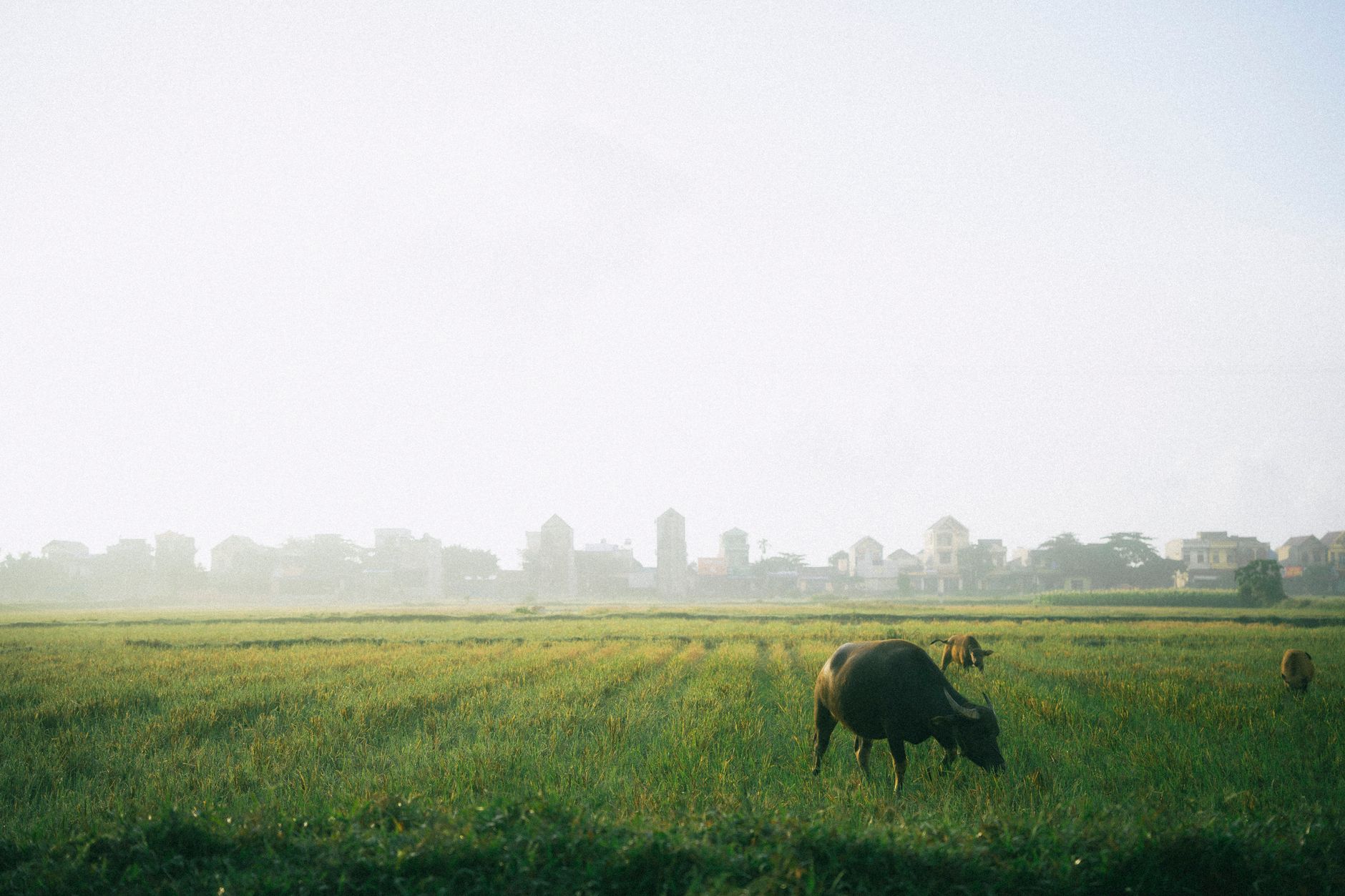
What Con Quy Is — and Why It's Worth the Boat Ride
Con Quy (Turtle Islet) sits in the Tien River, one of the two main branches of the Mekong as it fans out across southern Vietnam (베트남 / 越南 / ベトナム). Administratively, the islet has historically been associated with Ben Tre province, though it now falls under the expanded Vinh Long province following a regional merger. For travelers, the distinction barely matters — you'll reach it by boat from Vinh Long city, and the whole experience feels like one continuous stretch of river life.
The islet got its name from its shape, which locals say resembles a turtle when seen from above. It's been inhabited for generations by families who grow longan, rambutan, pomelo, and coconut. There's no resort development here, no ticket gates, no crowds jostling for selfies. Con Quy is where people actually live and farm, and that's exactly what makes it worth visiting.
Why Travelers Go
Con Quy is one of four islets in the Vinh Long area (the others are Con Phung, Con Long, and Con Lan) that together form a cluster sometimes called the "Tu Linh" islands — Dragon, Phoenix, Turtle, and Unicorn. Of the four, Con Quy tends to draw fewer visitors than the more commercialized Con Phung, which means you get a slower, less performative version of Mekong Delta (메콩 델타 / 湄公河三角洲 / メコンデルタ) island life.
People come here to walk through orchards, taste fruit straight off the tree, watch coconut candy being made by hand, and drink honey tea in a shaded garden while someone plays "don ca tai tu" — the traditional folk music of the southern delta. It's not an adventure destination. It's a decompression destination.
Best Time to Visit
The dry season, roughly December through April, is the most comfortable window. Temperatures hover around 28-33°C with minimal rain, and the river is calm enough for easy boat crossings. The fruit harvest peaks between May and August — particularly longan and rambutan — so if you want to eat your way through the orchards, aim for June or July, but expect afternoon downpours.
Avoid September and October if you can. These are the wettest months, and while the island doesn't flood badly, the muddy paths between orchards become slippery and unpleasant. Weekdays year-round are quieter than weekends, when domestic tour groups from Saigon sometimes pass through.
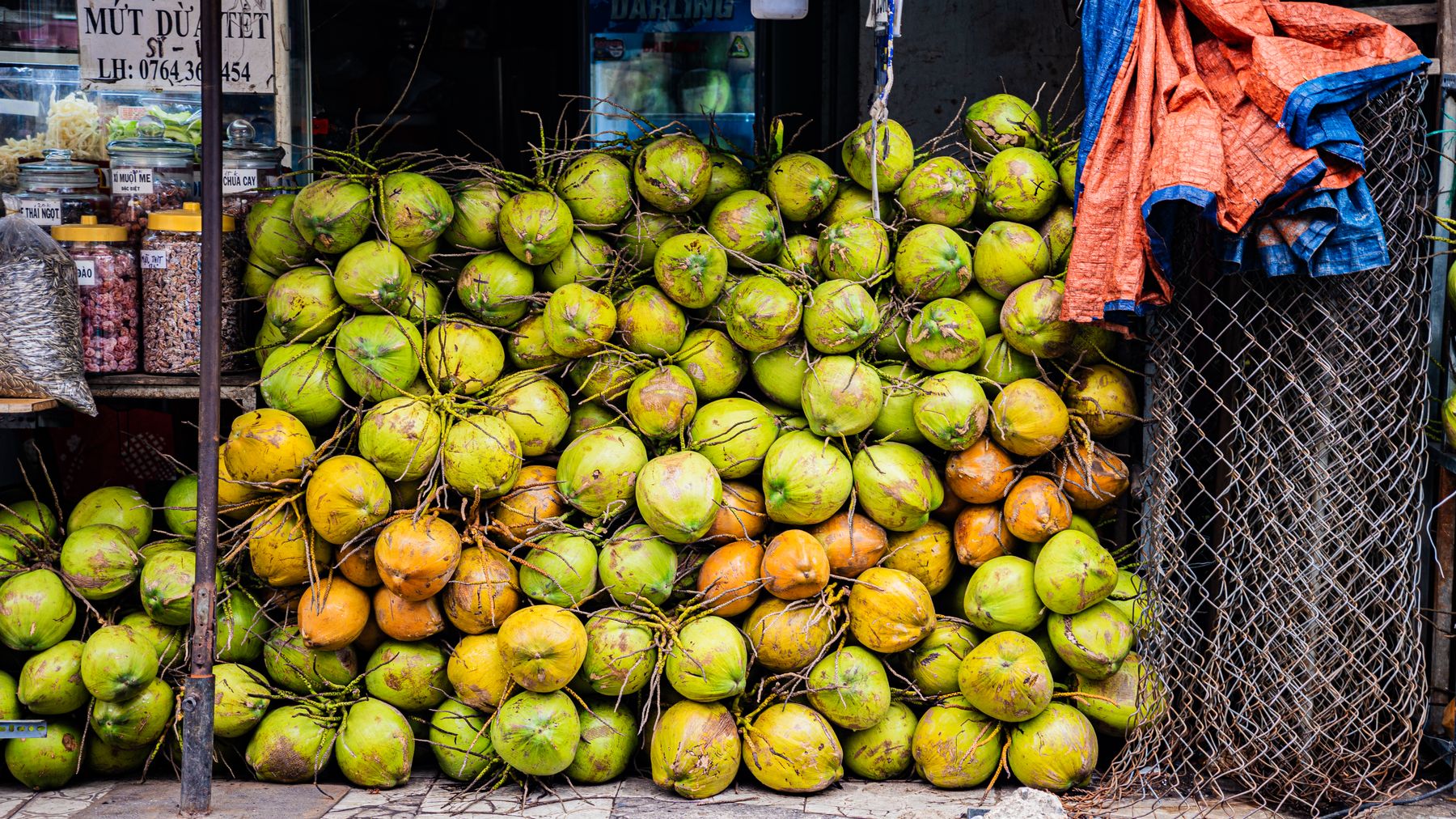
Photo by Hoàng Phương Nguyễn on Pexels
How to Get There from Saigon
Vinh Long city is the staging point. From Saigon, you have a few options:
- Bus: Coaches run from Mien Tay bus station (Binh Chanh district) to Vinh Long every 30-45 minutes. The ride is about 2.5 hours and costs 80,000-120,000 VND depending on the operator. Phuong Trang (FUTA) and Thanh Buoi are reliable choices.
- Driving: It's roughly 130 km via the My Thuan Expressway. Budget around 2 hours without heavy traffic.
- Motorbike: Doable and scenic if you're comfortable with highway riding. Same route, same time.
Once in Vinh Long city, head to the riverfront near the Vinh Long market area. Boat operators run trips to the islets daily. A shared tourist boat to Con Quy typically costs 150,000-250,000 VND per person for a half-day circuit that includes a couple of stops. Chartering a private boat runs 500,000-800,000 VND for the whole vessel, which makes sense if you have a small group.
What to Do on Con Quy
Walk the Orchard Paths
The island is crisscrossed with narrow dirt and concrete paths that wind through fruit gardens. Families often welcome visitors to sample whatever's in season — longan, star apple, pomelo, jackfruit. You'll usually pay a small fee (20,000-30,000 VND) or it's bundled into the boat tour cost. Don't rush this. The canopy shade and the quiet are the whole point.
Watch Coconut Candy Being Made
Several households on Con Quy produce "keo dua" (coconut candy) in open-air workshops. You can watch the full process: boiling coconut milk with sugar and malt, stirring the mixture in massive woks, then cutting and wrapping individual pieces by hand. They'll let you try it warm off the tray, which tastes nothing like the packaged versions sold in Saigon tourist shops. A bag of fresh candy costs around 30,000-50,000 VND.
Drink Honey Tea in a Garden
Beekeeping is common on the islet. Several garden stops serve honey tea — hot or iced — along with royal jelly and pollen products. The tea itself is simple: warm water, local honey, a squeeze of kumquat. It's served under thatched shelters while musicians sometimes play traditional southern folk songs. If live music is happening, tip the musicians 20,000-50,000 VND; they're not salaried performers.
Row Through the Canals
Small hand-rowed sampans take you through the narrow waterways that cut between the orchards. The rides last 15-20 minutes and are usually included in boat tour packages. The canals are tight — water palms brushing both sides of the boat — and genuinely peaceful when there's no other group in front of you.
Try "Banh Xeo" at a Riverside Stall
Some garden stops serve lunch, and the Mekong Delta version of "banh xeo" — thinner, crispier, stuffed with shrimp and bean sprouts — is the thing to order. It's wrapped in rice paper with fresh herbs and dipped in a slightly sweet fish sauce. Expect to pay 40,000-60,000 VND per serving.
Where to Eat Nearby
Back in Vinh Long city, seek out "hu tieu" — the southern-style noodle soup that's lighter and sweeter than its northern counterparts. The pork-and-shrimp version is standard here. Several stalls near the central market serve solid bowls for 30,000-40,000 VND. For something more substantial, riverside restaurants along Pham Thai Buong street serve grilled elephant ear fish ("ca tai tuong"), a Mekong Delta specialty that's deboned tableside and wrapped in rice paper.
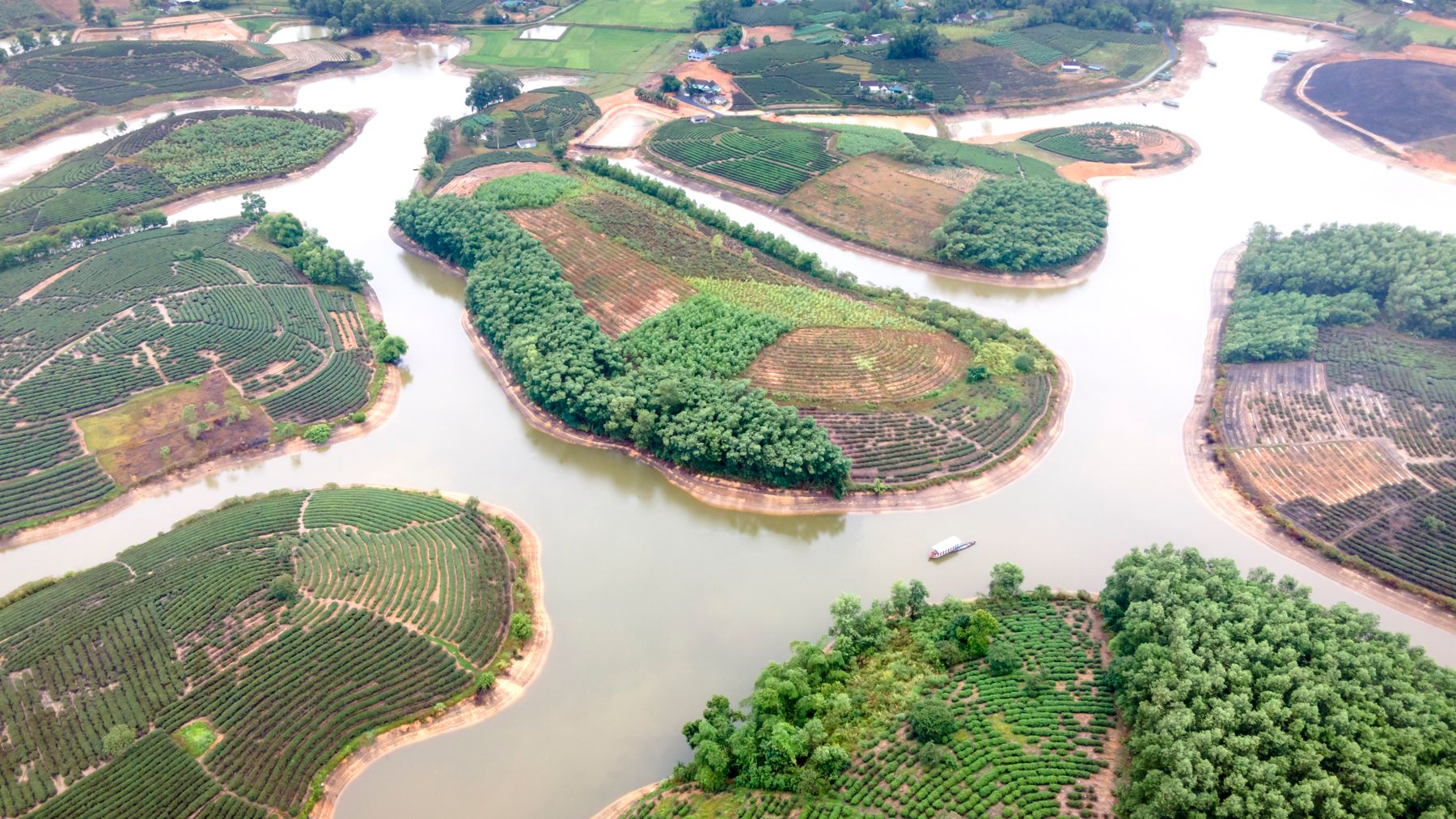
Photo by Quang Nguyen Vinh on Pexels
Where to Stay
Vinh Long city has a modest range of accommodation:
- Budget: Guesthouses and mini-hotels around the market area run 200,000-350,000 VND per night. Basic but clean.
- Mid-range: The Cuu Long Hotel and a few newer places along the river offer air-conditioned rooms with river views for 500,000-800,000 VND.
- Homestays: A handful of homestays operate on the islets themselves, including Con Quy. These are simple — expect a mattress under a mosquito net, shared bathrooms, and home-cooked meals. Prices range from 300,000-500,000 VND including dinner and breakfast. Book through your boat operator or ask at the Vinh Long tourist office near the ferry terminal.
Practical Tips
- Bring cash. There are no ATMs on the island, and nobody takes cards.
- Wear shoes that can handle mud, not sandals. Even in dry season, shaded paths stay damp.
- Mosquito repellent matters here, especially near the canals in late afternoon.
- If you're doing a group boat tour, the morning departure (around 8:00-8:30 AM) is better than the afternoon one — fewer people, cooler air, more active orchards.
- Bring a reusable water bottle. The island's small, but you'll walk more than you expect in the heat.
Common Mistakes
Don't book a rushed half-day tour from Saigon that tries to hit all four islets plus Can Tho in a single day. You'll spend more time on the bus than on the water. Instead, stay overnight in Vinh Long or on one of the islets, and give Con Quy a proper half-day on its own. The other common error is showing up on a weekend expecting solitude — Sunday mornings are the busiest, when domestic tour groups arrive by the boatload.
Last updated · May 29, 2026 · independently researched, never sponsored.