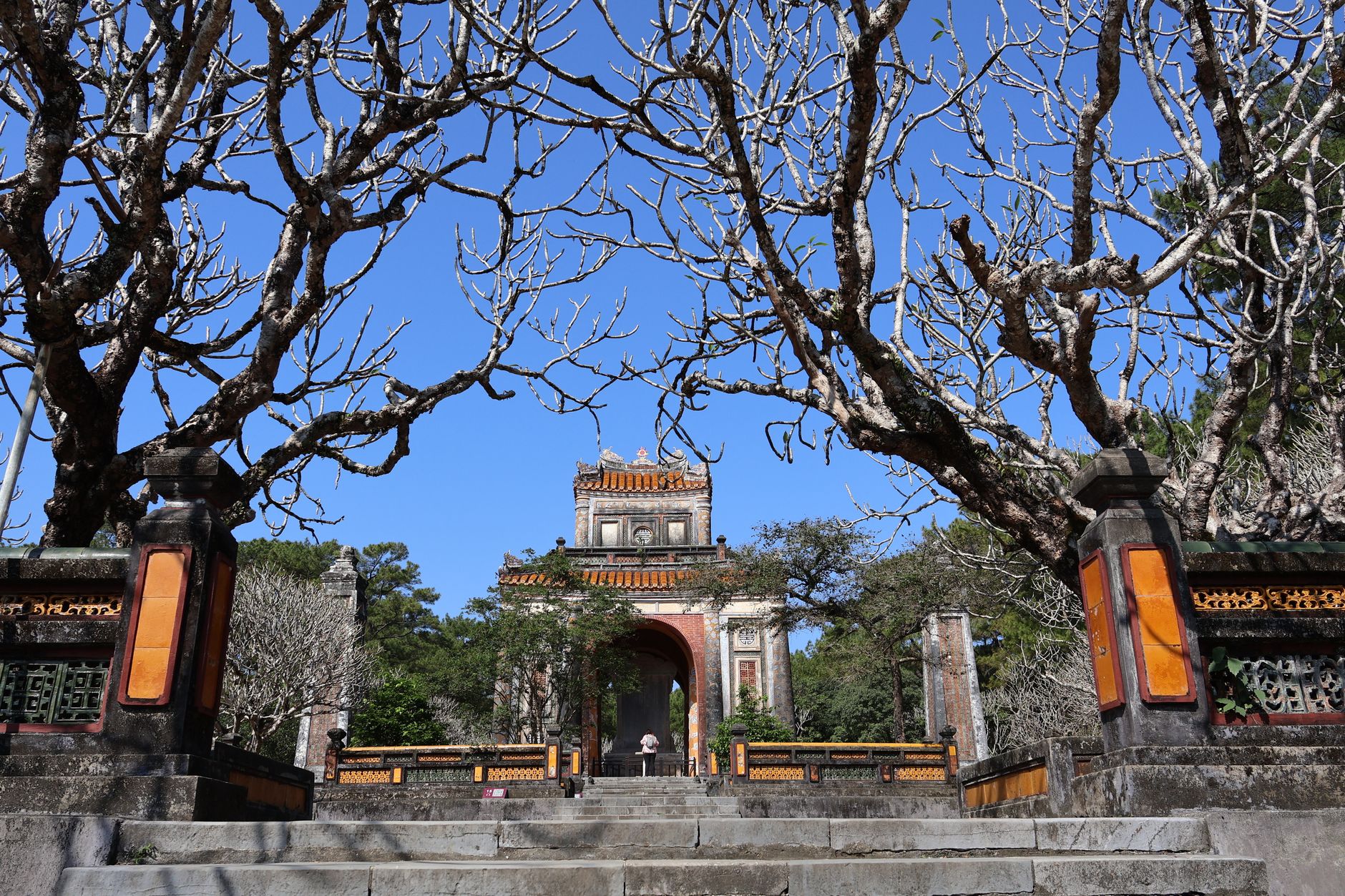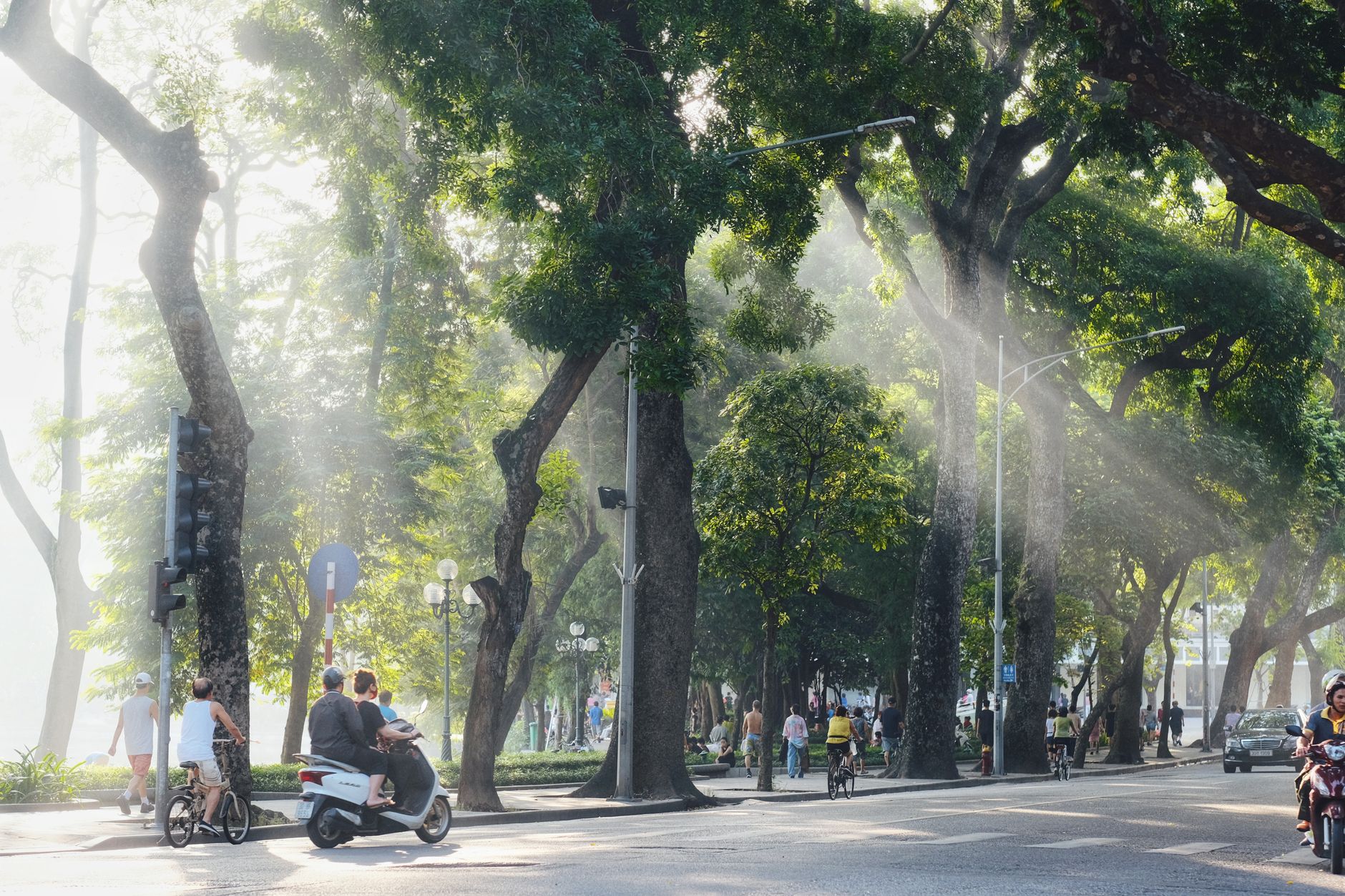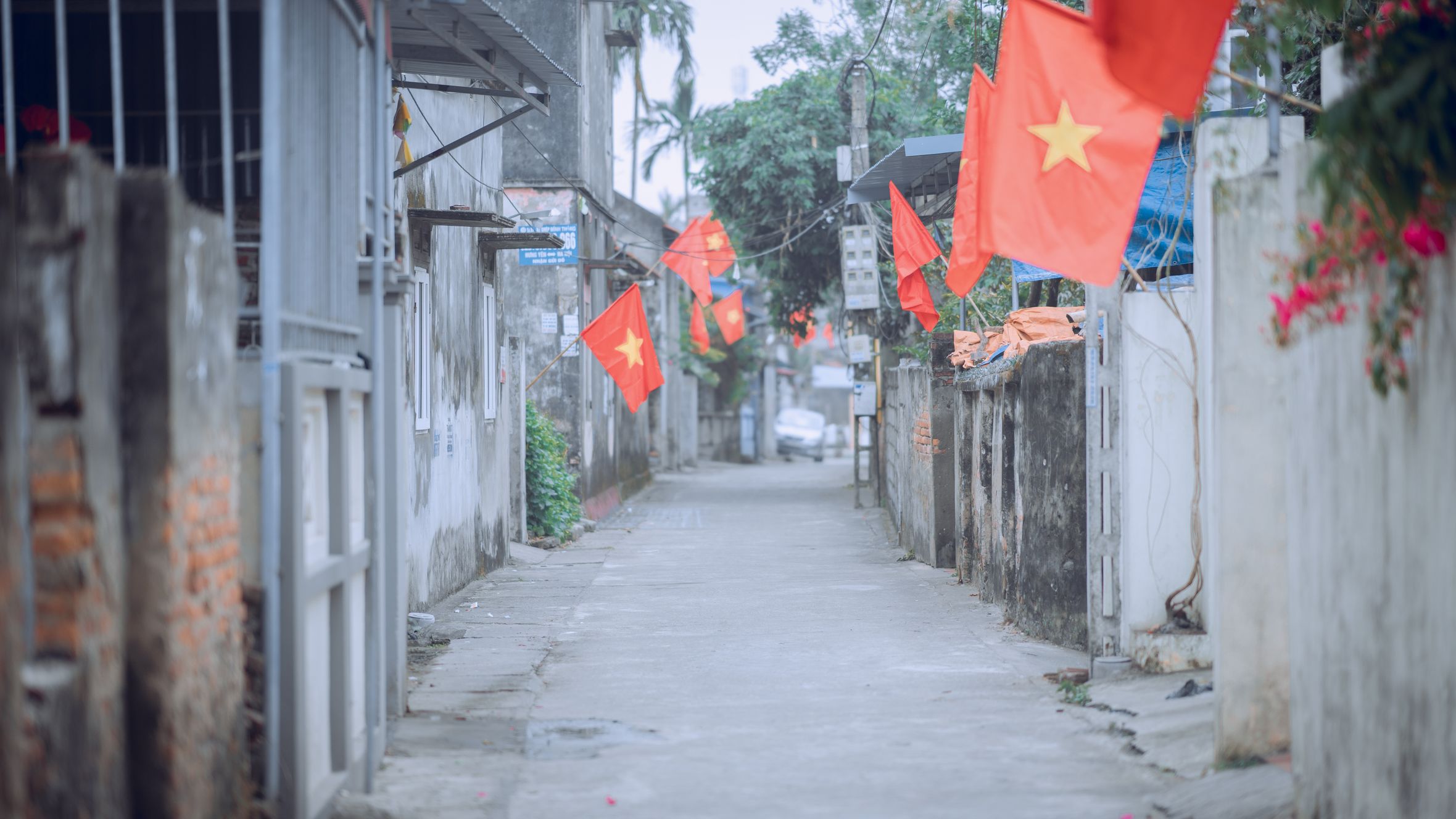
Day 1-3: The Imperial Pace of Hue
Arrive in Hue and immediately drop the pace. This city is best experienced through its slow-moving river and heavy, spice-forward cuisine. Start your first morning at the Imperial Citadel Thang Long’s cousin, the Imperial Citadel of Hue. It is sprawling, so give yourself at least four hours to wander the ruins.
For lunch, find a local spot serving "bun bo hue". The version here is significantly punchier than what you find in Saigon, with a deep, fermented shrimp paste base. Spend your afternoon cycling along the Perfume River toward the Tomb of Tu Duc and the Tomb of Khai Dinh. These sites are best visited late in the day when the tour buses have retreated.
On your third day, prioritize a morning bowl of "banh cuon (반꾸온 / 蒸米卷 / バインクオン)" before taking the train south. The rail journey from Hue to Da Nang via the Hai Van Pass is one of the most scenic stretches in the country. Book a soft seat in advance; the 2.5-hour trip offers views of the coastline that you simply cannot get from a car or bus.
Day 4-6: Da Nang’s Urban Coast
Da Nang is the bridge between the old-world feel of Hue and the tourist-heavy streets of Hoi An. Use these days to eat your way through the city’s distinct regional specialties. Start with "mi quang (미꽝 / 广南面 / ミークアン)", a turmeric-infused noodle dish that is the pride of the region.
Spend your mornings at My Khe Beach, but head to the local markets like Han Market or Con Market by midday. These are the places to hunt for authentic "banh xeo" and "nem chua". If you want a view, skip the crowded Golden Bridge and instead head to the Son Tra Peninsula for a sunset ride. It is quieter, the air is cooler, and the view of the city skyline at night is unmatched.
Photo by Minh Lê on Pexels
Day 7-10: The Hoi An Slow Down
Take a local bus or a private car for the 30km drive south to Hoi An. While the Ancient Town is the primary draw, the real magic happens once you move 2km away from the center. Rent a bicycle and head toward the rice paddies near Tra Que Vegetable Village.
In Hoi An, your diet should revolve around "cao lau". The noodles are famously made with water from a specific local well, giving them a texture you won't find anywhere else. Spend your evenings walking the lantern-lit streets, but wake up early—at 6:00 AM—to see the market before the day-trippers arrive from Da Nang.
If you have time, take a boat trip to Cu Lao Cham for a day of snorkeling, or simply spend your final days parked at a cafe with a "vietnamese coffee" or a "ca phe sua da", watching the river traffic.

Photo by Võ Văn Tiến on Pexels
Practical notes
Transport between these cities is seamless: the train is best for the Hue-Da Nang leg, while a private car or local bus is standard for the Da Nang-Hoi An connection. Always carry small denominations of VND for street food, as vendors rarely have change for large bills.
Last updated · May 30, 2026 · independently researched, never sponsored.