Dak Nong isn't on most tourist itineraries, which is exactly why you might want to go. The province sits in the Central Highlands (중부 고원 / 中部高原 / 中部高原), about 200 km northeast of Ho Chi Minh City, and feels genuinely removed from the backpacker circuit. Red volcanic soil, cooler air, and genuine encounters with indigenous Ede and Mnong villages make it worth a detour if you have 2–3 days.
Top sights
Dray Nur and Dray Sap waterfalls
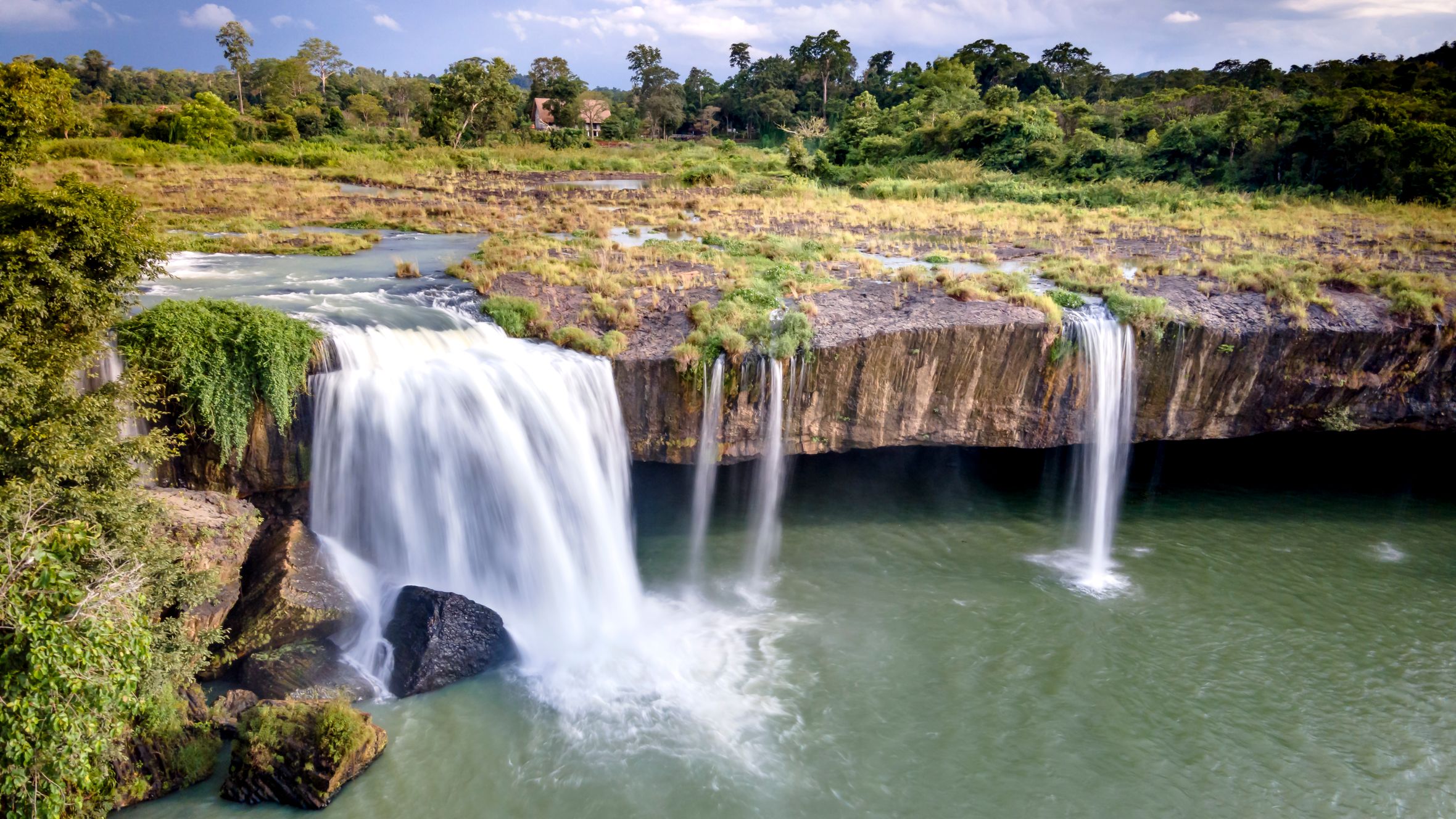
These twin falls are the main draw. Dray Nur (meaning "water source" in Ede) is the upper cascade; Dray Sap ("lower water") sits 7 km downstream and is larger and more powerful. The wet season (May–September) gives you heavier flows, but even in the dry months they're impressive. You can visit both in one morning from the town of Dak Nong—about 30 km away.
Local guides (usually sourced through your guesthouse) run about 400,000–500,000 VND per small group for a half-day. The path to Dray Nur is straightforward; Dray Sap requires a short scramble and a swim, so bring clothes you don't mind soaking. Swimming in the pools below both falls is the main thing here—there's no formal trail network, and it's more about cooling off than trekking.
Trai Mat Lake
A crater lake about 60 km east of Dak Nong town, surrounded by pine forest and farm plots. It's scenic and quiet, and the town of Trai Mat itself—a Ede village overlooking the water—is a good place to stop for lunch and chat with locals. There's a small homestay or two, but most visitors come as a day trip. The road is decent but slow; allow 90 minutes from town.
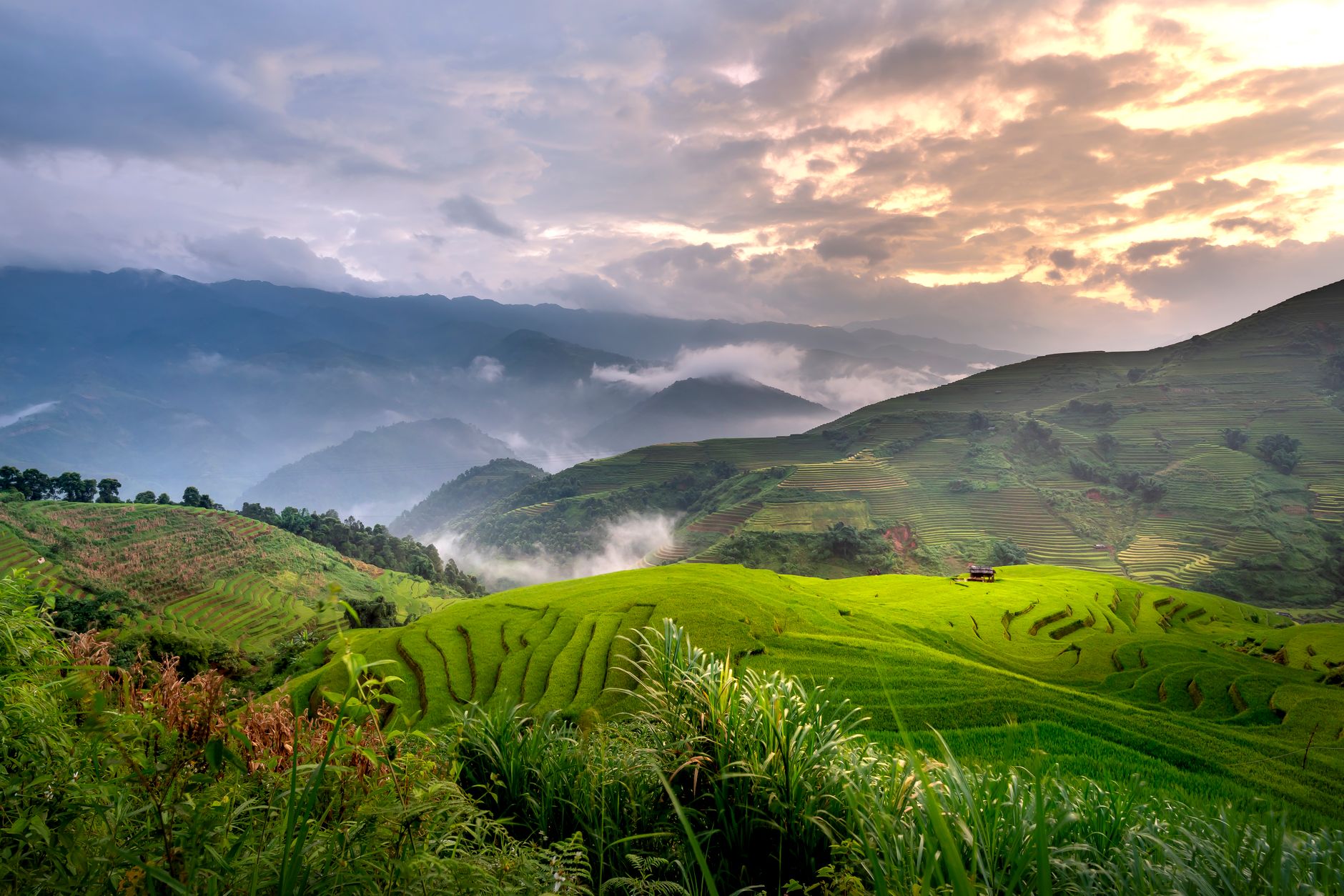
Honestly, it's more about the drive and the landscape than a specific landmark. The charm is in the emptiness and the minority presence—not Instagram moments.
Dak Nong town market and old town
The town proper isn't a destination, but if you're based here, spending a morning at the main market (Cho Dak Nong) on Tran Phu Street gives you a real sense of daily life. Vendors sell tribal crafts, local coffee, and produce. The old French colonial buildings around the town center are modest but worth a walk if you like architecture.
Hidden gems and cultural experiences
Ede and Mnong homestays
This is where Dak Nong gets interesting. Homestays in villages like Buon Jor (Ede) and Buon Don (Mnong) let you stay overnight in traditional stilt houses, eat with families, and join daily routines—farm work, cooking, craft weaving. Prices run 300,000–600,000 VND per person per night, including meals.
The experience is low-key: you're not a performer in a show; you're quietly embedded in a household. Expect simple food (rice, sticky rice, grilled fish, cassava), no wi-fi, and early mornings. Many travelers book through Dak Nong Homestay or similar outfits; ask your guesthouse to arrange.
Better yet, hire a local guide who speaks the minority language and can make introductions. It transforms the visit from check-the-box tourism to actual conversation.
Coffee plantations and farm stays
Dak Nong is a major coffee-growing region. A few small farms and cooperatives welcome visitors. You can walk the rows, learn about harvest and processing, and taste fresh coffee. The Central Highlands are cooler than the south, so the coffee has a different profile. A 2–3 hour farm visit costs around 200,000–300,000 VND and usually includes a tasting.
The Dak Nong Coffee Association can point you to members; again, your guesthouse can help.
Trai Mat Sanctuary and bird-watching
A smaller reserve near Trai Mat Lake, good for endemic bird species in the dry season (November–March). You'll need a guide—the bird population isn't obvious without one. Contact the Dak Nong Environment and Natural Resources Department if you're serious; casual bird-watchers will likely find it underwhelming without expertise.

Photo by Quang Nguyen Vinh on Pexels
Outdoor activities
Hiking and trekking
There's no formal long-distance trail system, but you can arrange multi-day hikes into minority villages with local guides. A 2-day trek costs 600,000–1,200,000 VND depending on group size and itinerary. It's more of a guided walk through farmland and forest than alpine trekking, but the quiet and the villages make it worthwhile.
Motorbike touring
The roads around Dak Nong are good enough and empty enough to rent a motorbike (100,000–150,000 VND/day) and explore. The Dak Nong–Dak Lak border region has scenic passes and minority settlements. Route 27 and Route 28 are the main ribbons. Ride defensively (local buses and trucks don't always slow down), and consider hiring a local driver if you're not confident on a bike.
What to skip
"Elephant Village" at Buon Don
There's an old elephant sanctuary and camp at Buon Don. Don't go. The elephants are poorly treated, rides are exploitative, and the infrastructure is grim. Visit Buon Don village for the Mnong people and their culture, yes—but skip the elephant tourism entirely. Ethical elephant tourism simply doesn't exist in this province.
Extended stay in Dak Nong town itself
The town is fine as a hub, but three days there will get repetitive. Use it as a base for 1–2 nights, then either move on or spend nights in homestays in the villages. The town's charm is limited.
Overcrowded guides and tours
Large tour groups (10+ people) from Ho Chi Minh City (호치민시 / 胡志明市 / ホーチミン市) occasionally roll through, especially around holidays. You'll spot them at the waterfalls. If you're here for solitude, avoid Tet and the dry-season holidays (Dec–early Jan). Visit in shoulder seasons (April, Oct) for fewer crowds and good weather.

Photo by Edu Raw on Pexels
Day-trip ideas from Dak Nong town
Morning: Dray Nur and Dray Sap (4 hours round-trip)
Leave early, swim, lunch in town.
Full day: Trai Mat Lake + Ede village + local lunch
Full day, 8–10 hours. Better as an overnight if possible.
Half day: Town market + coffee farm
Easy morning activity, done by lunch.
2–3 days: Homestay immersion
Stay overnight in a minority village, participate in daily life, trek locally. This is the best use of Dak Nong time.
Practical notes
Dak Nong town has basic guesthouses (150,000–300,000 VND) and a few small restaurants. Motorbike rentals are available through guesthouses. The nearest airports are in Da Nang (200 km, 4+ hours drive) or Ho Chi Minh City (300 km, 5–6 hours). Buses from Ho Chi Minh City (Mien Dong station) take 6–7 hours and cost around 150,000–200,000 VND. No ATMs in remote villages—bring cash. Mobile signal is patchy outside town. Speak to your guesthouse or a local guide about current homestay options and village visits; they shift seasonally.
Dak Nong rewards slow travel and flexibility. Don't overplan.
Last updated · May 29, 2026 · independently researched, never sponsored.