Dak Nong is vast, and choosing the wrong base means spending four hours a day navigating winding, potholed mountain roads. To get the most out of this southwestern corner of the Central Highlands (중부 고원 / 中部高原 / 中部高原), you need to match your accommodation to your itinerary.
Unlike neighboring Da Lat, Dak Nong does not have a highly developed tourist infrastructure. You will not find five-star international resorts here. Instead, the options range from functional business hotels in the provincial capital to rustic homestays and ridge-line glamping sites overlooking the region's famous reservoirs. Here is a breakdown of the three best areas to stay in Dak Nong, depending on what you want to experience.
Gia Nghia: The Practical Urban Base
If you want reliable Wi-Fi, hot water, and a wide choice of local food, Gia Nghia is your best option. The provincial capital is built on a series of steep hills, giving it a quiet, undulating charm that feels far removed from the flat sprawl of southern cities.
Staying in Gia Nghia makes sense if you are using the town as a transit point or if you plan to explore the southern reaches of the Dak Nong Geopark during the day and want comfortable amenities at night. The town center has a decent selection of mid-range hotels and local guest houses ("nha nghi").
- The Vibe: A quiet, working mountain town that goes to bed early.
- What to Eat: The streets around the central lake and Huynh Tan Phat Street are packed with local eateries serving hot bowls of "pho", hearty "com tam", and fresh "banh mi" in the mornings.
- Price Range: 250,000 to 600,000 VND ($10 to $25 USD) per night for a clean, air-conditioned double room.
- Recommended Area: Look for hotels near the Gia Nghia Lake or along Dien Bien Phu Street for easy access to cafes serving strong "vietnamese coffee" and local restaurants.
Ta Dung Lake: The Scenic Ridge
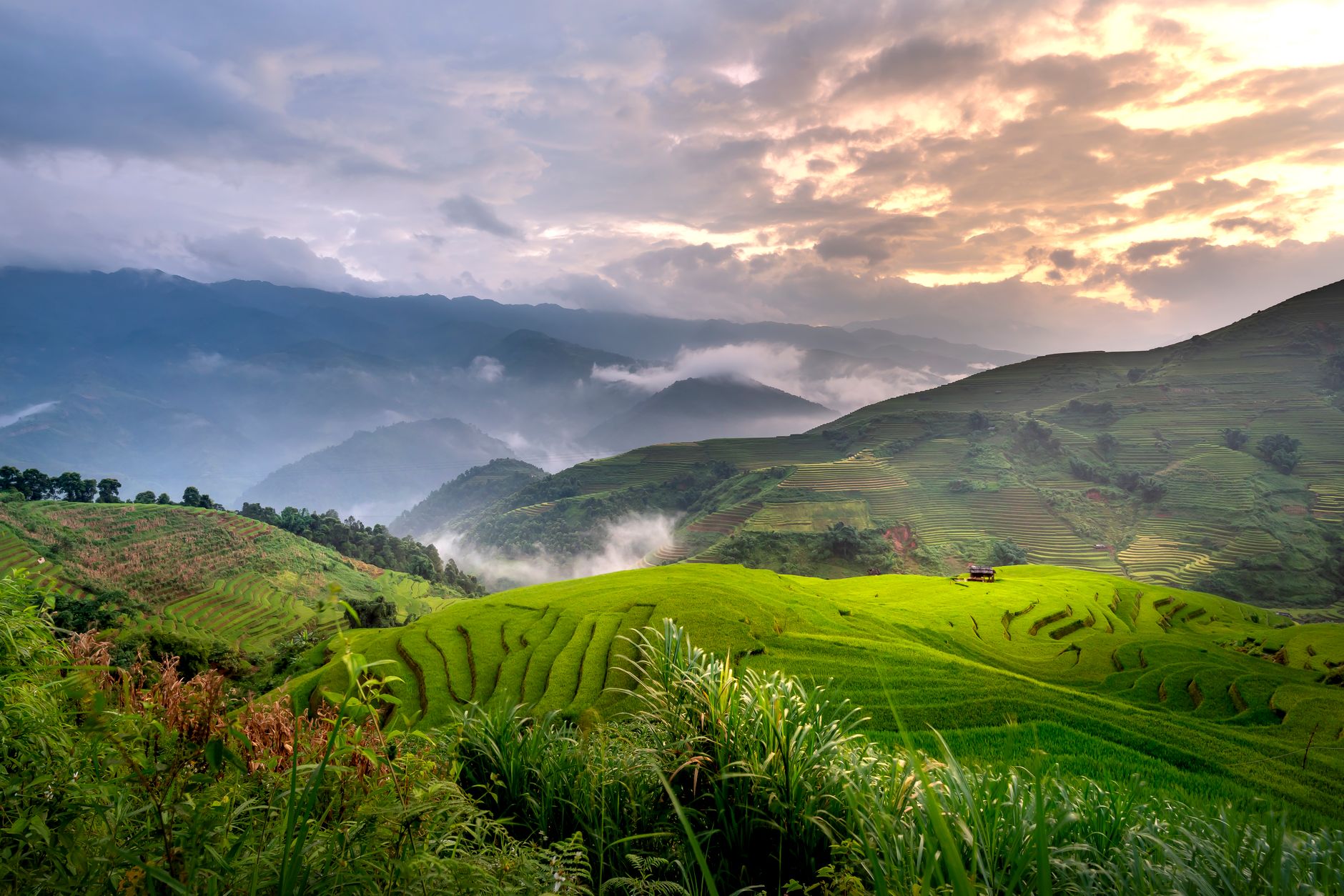
Located about 45 km crossing winding mountain passes from Gia Nghia, Ta Dung Lake is the crown jewel of Dak Nong's natural landscape. The reservoir is dotted with dozens of green islands, earning it a reputation as the landlocked version of Ha Long Bay.
Staying along the ridge overlooking the lake is all about the views and the cooler, high-altitude air. In recent years, a strip of homestays, wooden bungalows, and glamping sites has popped up along Highway 28, offering direct views of the water.
- The Vibe: Misty mornings, quiet evenings, and dramatic valley views. It feels much closer to nature, though it can get noisy on weekends when domestic tour groups arrive.
- The Accommodation: Options here range from basic wooden A-frame cabins to safari-style tents pitched on wooden platforms. Most properties feature outdoor infinity pools that look out over the reservoir.
- Price Range: 600,000 to 1,800,000 VND ($25 to $75 USD) per night. The premium is purely for the view.
- Insider Tip: The weather here drops significantly at night. Bring a light jacket, and enjoy a slow morning sipping "ca phe sua da (연유커피 / 越南冰咖啡 / ベトナムアイスコーヒー)" as the fog clears over the islands.
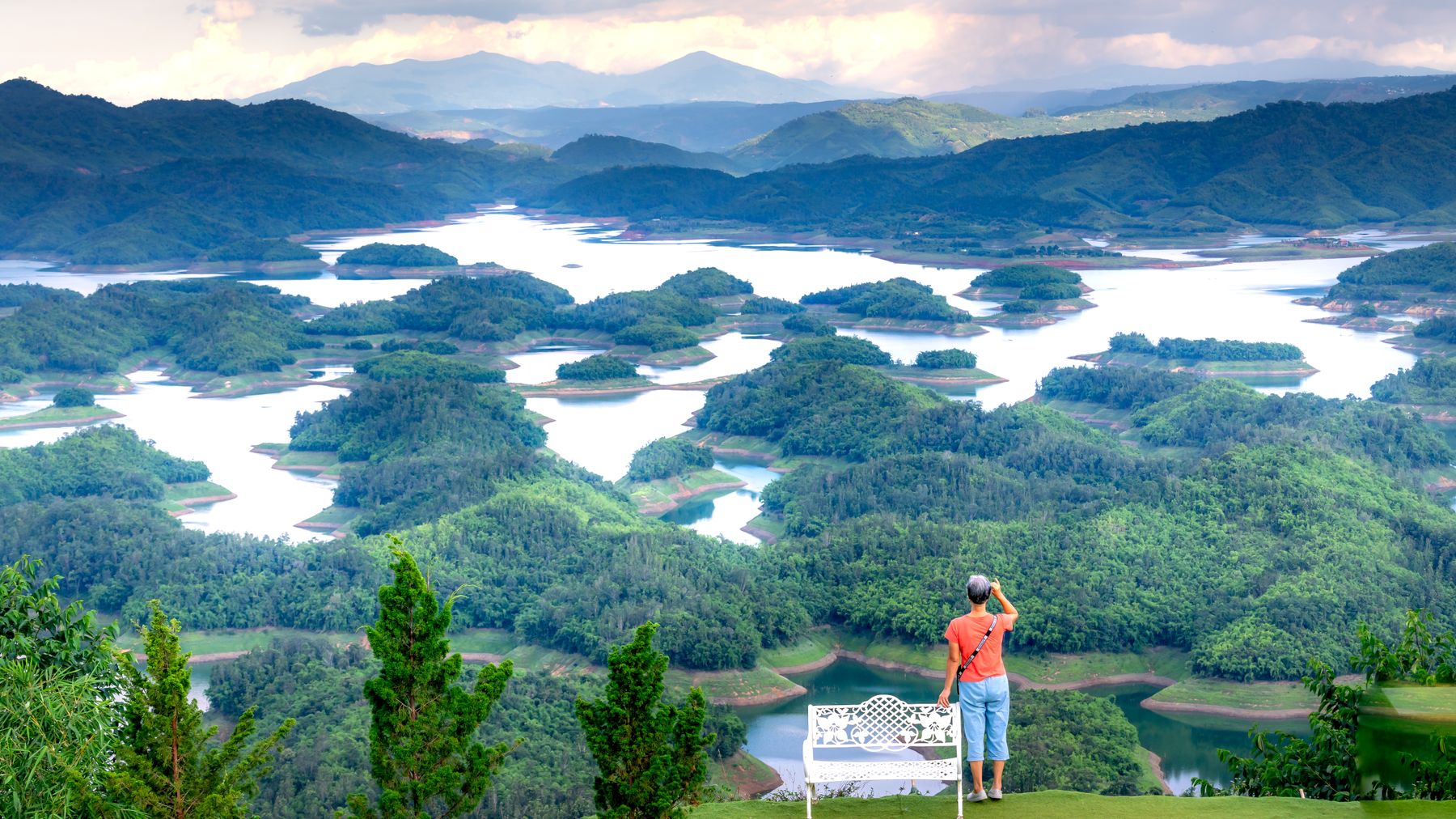
Photo by Quang Nguyen Vinh on Pexels
Krong No and Dak Mil: The Adventure Base
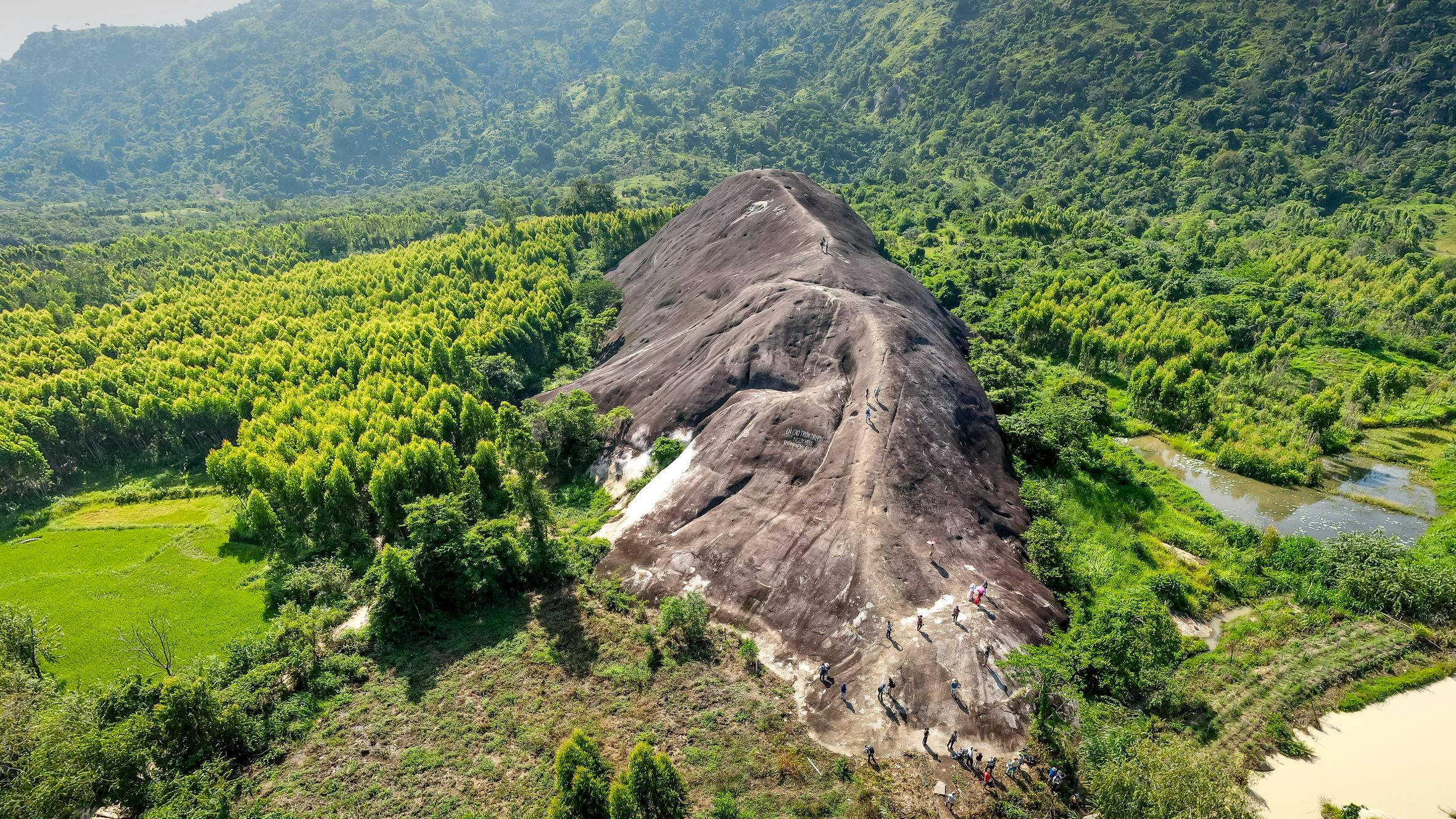
For travelers who want to explore the Chu Bluk volcanic cave system—the longest volcanic cave network in Southeast Asia—staying in Gia Nghia or Ta Dung is too far. Instead, you should base yourself further north in the districts of Krong No or Dak Mil.
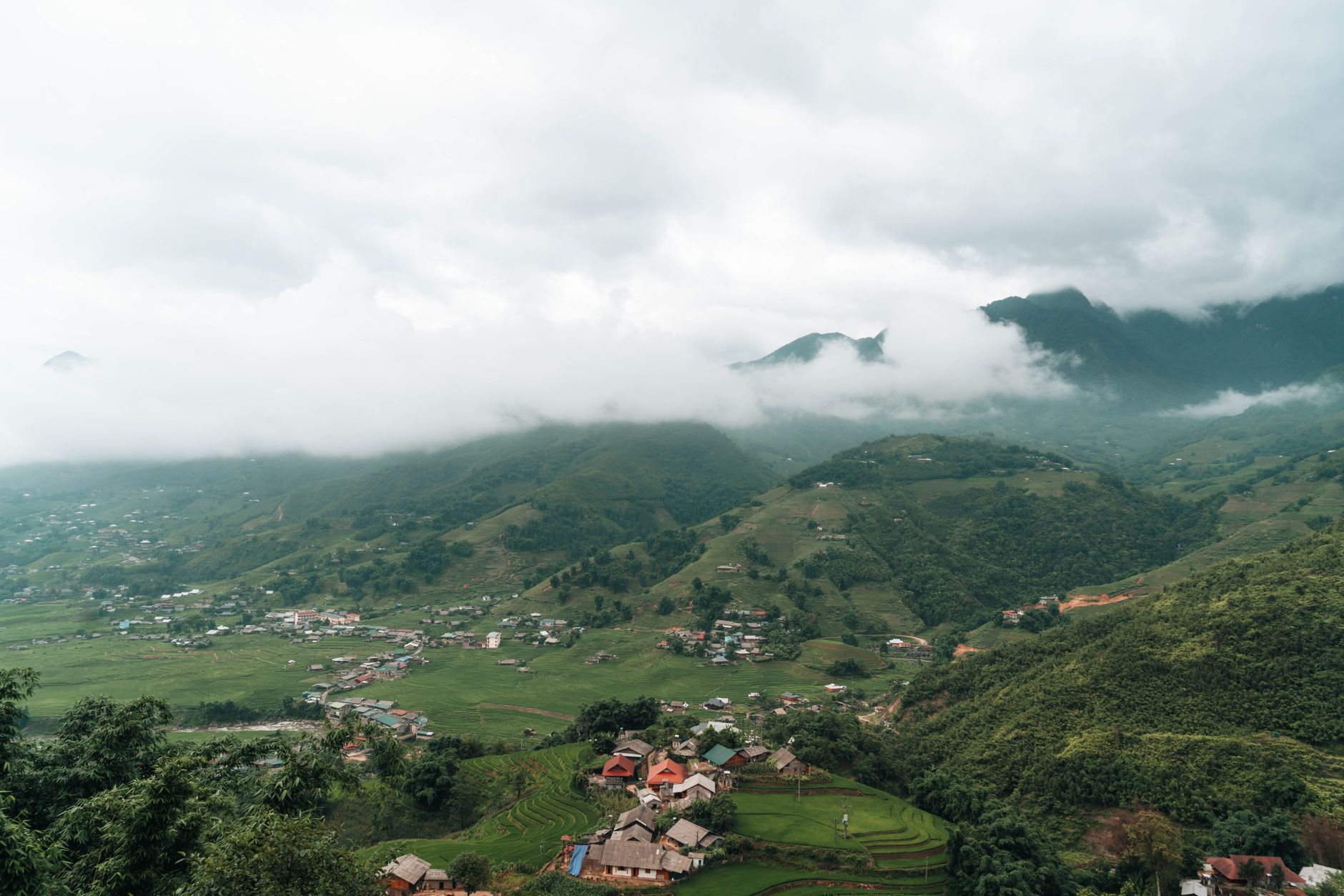
This area is highly agricultural, dominated by vast coffee and pepper plantations. Accommodation here is rustic and deeply integrated into local communities.
- The Vibe: Rural, authentic, and off the beaten path. You will be sharing space with local farmers and geological researchers.
- The Accommodation: Mostly basic homestays run by local families, or simple guest houses in the small town of Dak Mil. Some homestays near the Krong No river offer communal stays in traditional stilt houses, similar to the "nha rong" found in the northern highlands.
- Price Range: 150,000 to 350,000 VND ($6 to $15 USD) per night. Facilities are basic—expect cold showers, mosquito nets, and hard mattresses, but the hospitality is unmatched.
- Best For: Active travelers, motorcyclists, and those planning multi-day treks into the volcanic caves or to the nearby Dray Nur and Dray Sap waterfalls.

Photo by Red Nguyen on Pexels
Practical Booking Tips for Dak Nong
While you can easily book hotels in Gia Nghia on major international booking platforms, many of the best homestays in Ta Dung and Krong No are not listed online.
To secure the best spots along the Ta Dung ridge, you often need to search on social media platforms or contact the owners directly via Zalo. English is not widely spoken outside of Gia Nghia, so keep a translation app handy. Always confirm if your accommodation can help arrange a semi-automatic motorbike rental, as public transport within the province is virtually non-existent.
Last updated · May 30, 2026 · independently researched, never sponsored.