What Is Don Rach Cat?
About 35 km south of Saigon, surrounded by flat rice paddies and shrimp ponds in Can Giuoc district, Long An province, sits one of the largest French colonial military fortifications in southern Vietnam (베트남 / 越南 / ベトナム). "Don Rach Cat" — the Rach Cat Fort — was built by the French between 1903 and 1910 as a coastal defense post guarding the approach to Saigon along the Soai Rap River. The thing is enormous: thick concrete walls, artillery emplacements, an underground tunnel network, and watchtowers spread across a compound that once housed hundreds of soldiers.
It saw action during the French colonial period and later during the American War, when it served various military functions. Today it sits in a state of atmospheric decay — partially overgrown, lightly maintained, and visited mostly by history-curious day-trippers from Saigon (사이공 / 西贡 / サイゴン) who know it exists.
Why Travelers Go
Don Rach Cat is not a polished tourism site. That's the appeal. There are no audioguides, no gift shops, no crowds. You walk through the same corridors French soldiers used over a century ago, peer into artillery rooms with original gun mounts still bolted to the floor, and climb to rooftop positions overlooking the river and surrounding countryside.
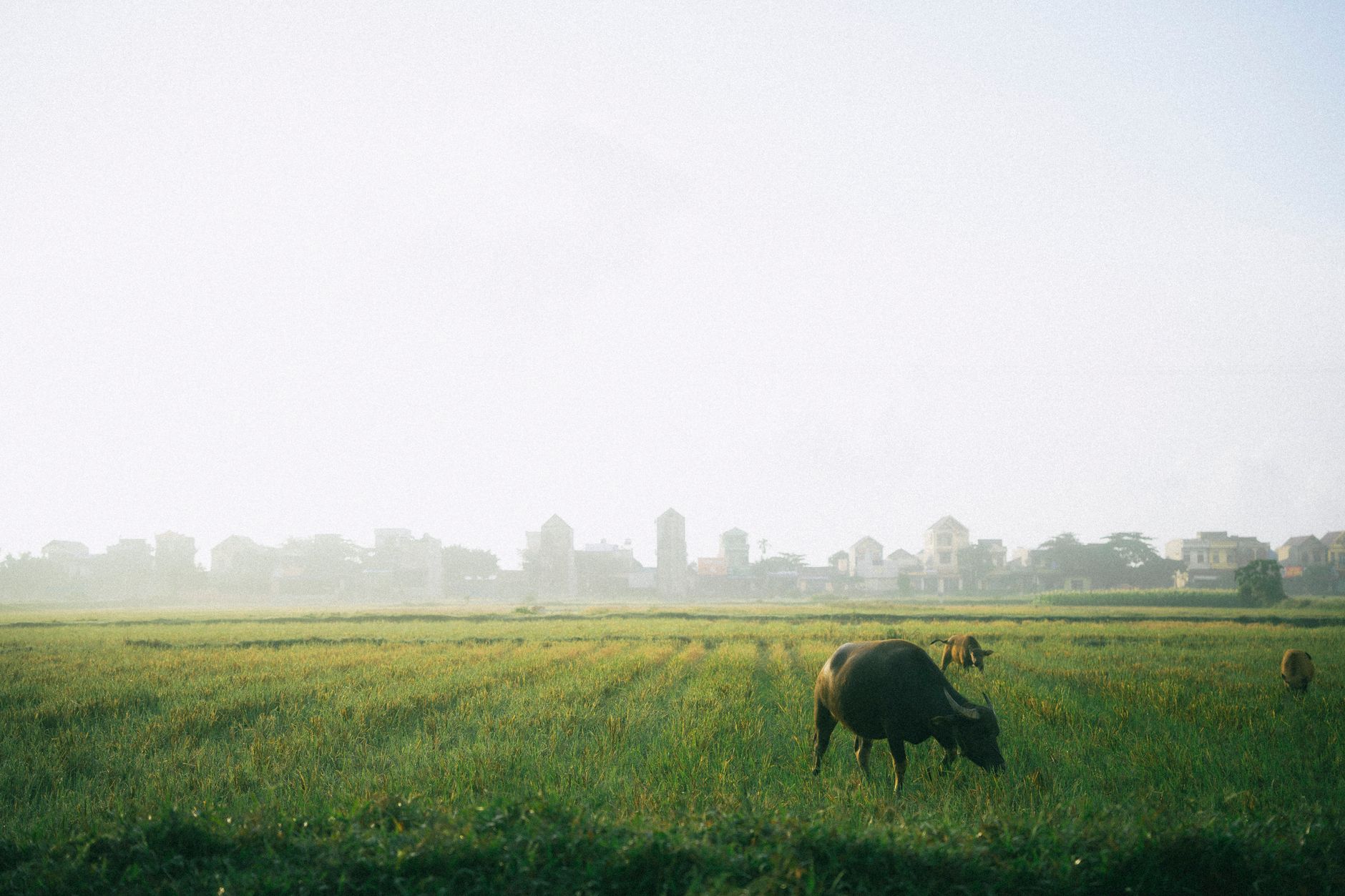
For anyone interested in colonial-era military architecture, it's one of the best-preserved examples in the south. The scale surprises people — this isn't a small guard post but a serious fortification with walls thick enough to withstand naval bombardment. Photographers love it for the interplay of weathered concrete, creeping vegetation, and the flat delta landscape stretching out in every direction.
It also makes for a solid half-day trip from Saigon paired with lunch in Can Giuoc town, giving you a reason to see a part of the Mekong Delta fringe that most travelers skip entirely.
Best Time to Visit
The dry season from December through April is most comfortable. The fort is largely open-air and exposed, so visiting during the rainy season (May–November) means dodging afternoon downpours and dealing with muddy paths around the compound. Mornings are best regardless of season — arrive by 8:00 or 9:00 AM before the heat builds. The light is also better for photos early in the day, when it comes in low across the paddies.
Weekdays are quieter. On weekends you might encounter small groups of Vietnamese history enthusiasts or photography clubs, but it never gets remotely crowded.
How to Get There from Saigon
The fort is in Long Huu commune, Can Giuoc district, Long An province. From central Saigon, it's roughly 35–40 km depending on your starting point.
By motorbike
The most practical option. Head south on Nguyen Huu Tho road toward Nha Be, then continue on Provincial Road 826C through Can Giuoc town and follow signs toward Long Huu. The ride takes about 60–75 minutes from District 1, depending on traffic getting out of the city. The roads are paved and flat — easy riding once you clear the Saigon sprawl.
By car or Grab
A Grab car from District 1 runs approximately 250,000–350,000 VND one way. The trick is getting a return ride — Grab availability drops significantly in rural Long An, so either negotiate a round-trip wait with your driver or arrange a return in advance. Budget around 600,000–800,000 VND for a round trip with waiting time.
By bus + xe om
Bus route 69 runs from Saigon to Can Giuoc town (about 15,000 VND), then you'd need a local "xe om" (motorbike taxi) for the remaining 8–10 km to the fort. This works but adds complexity. A xe om from Can Giuoc market should cost 40,000–60,000 VND each way.
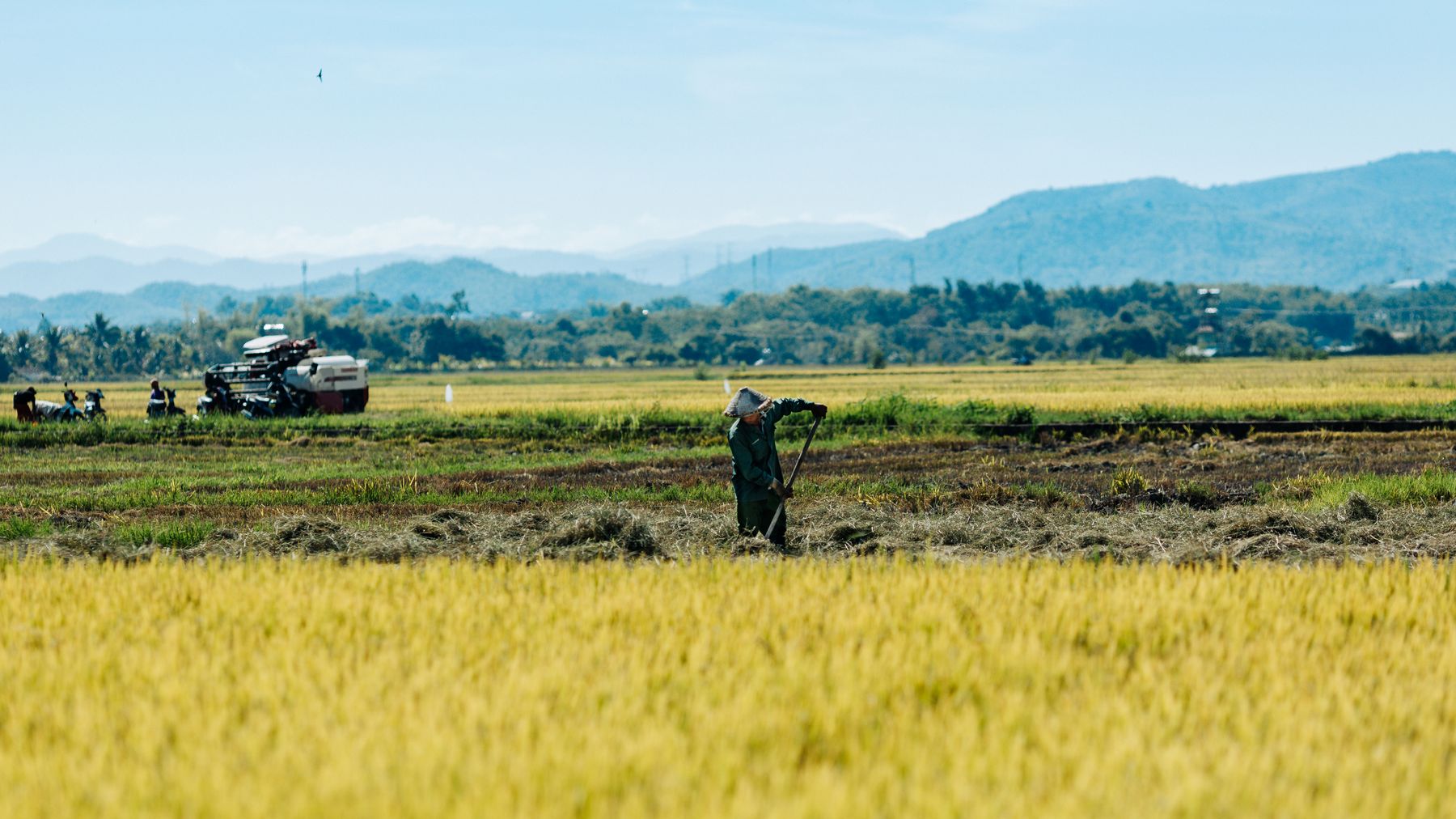
Photo by Thái Trường Giang on Pexels
What to Do at Don Rach Cat
Walk the full perimeter
The outer walls and moat give you a sense of scale. The compound covers several hectares, and walking the full perimeter takes 20–30 minutes. Look for the original entrance gate with its weathered French inscriptions.
Explore the underground tunnels
Parts of the tunnel system beneath the fort are accessible. Bring a phone flashlight — there's no lighting inside. The tunnels connected various defensive positions and ammunition stores. Some sections have been sealed off, but enough remains open to get a feel for the underground layout. It draws an interesting comparison if you've visited the Cu Chi Tunnels near Saigon — same region, different era, different army.
Climb to the artillery positions
The rooftop gun emplacements still have their original iron mounting brackets. From up top you get a wide view over the Soai Rap River and the surrounding delta flatlands. On clear days the vista extends for kilometers in every direction.
Check the interior rooms
Barracks, command rooms, and storage areas are partially accessible. The walls are thick — well over a meter of reinforced concrete in places — and the interior stays noticeably cooler than outside.
Photograph the decay
Banyan roots threading through concrete, ferns colonizing gun slits, river light filtering into dark corridors. If you're into urban exploration or ruin photography, this place delivers.
Where to Eat Nearby
Can Giuoc town, about 8 km from the fort, has a local market and several roadside restaurants. Look for "hu tieu" — the southern-style rice noodle soup that Long An does well, with pork, shrimp, and a clear broth. A bowl runs 35,000–50,000 VND. "Banh mi" carts near the market are reliable for a quick 15,000–25,000 VND sandwich.
For something more substantial, a few com binh dan (everyday rice) shops along the main road through Can Giuoc serve plates of rice with grilled pork, broken rice style similar to "com tam" in Saigon, for 30,000–45,000 VND.
Where to Stay
Most visitors do Don Rach Cat as a day trip from Saigon, and that's the easiest approach. If you want to stay in the area, Can Giuoc town has a handful of basic nha nghi (guesthouses) in the 150,000–300,000 VND per night range — clean enough, fan or air-con, don't expect frills.
For better accommodation, head back toward Saigon or continue south to Can Tho if you're linking this into a broader Mekong Delta itinerary.

Photo by Andre on Pexels
Practical Tips Locals Would Tell You
- Bring water and sunscreen. There's zero shade at the fort and no vendors on site. The nearest shop is a few kilometers away.
- Wear closed shoes. Broken concrete, rusted metal, and uneven surfaces are everywhere. Sandals are a bad idea.
- Bring a flashlight. Even your phone light works — the tunnels are pitch dark.
- Entry is free as of early 2024, though there's occasional talk of introducing a small fee. A caretaker may or may not be present.
- Combine it with a delta drive. The ride through Can Giuoc district passes through classic delta scenery — rice paddies, small canals, fruit orchards. Don't rush back to the highway.
Common Mistakes to Avoid
- Going midday in summer. The exposed concrete radiates heat and there's no shelter. You'll last about 20 minutes before retreating. Go early.
- Not arranging return transport. If you took a Grab, confirm the driver will wait. Getting stranded in Long Huu commune with no ride options is a real possibility.
- Expecting a museum experience. There are no English signs, no guides, no exhibits. Do your reading beforehand or you'll just be walking through empty concrete rooms without context.
- Skipping the tunnels. Some visitors stick to the above-ground areas and miss the underground sections entirely. Ask the caretaker (if present) to point you toward the tunnel entrances.
Practical Notes
Don Rach Cat works best as part of a Saigon day trip — leave early, explore the fort, eat hu tieu in Can Giuoc, ride back by early afternoon. If you're heading further south toward Can Tho or the deeper Mekong Delta, it slots in naturally as a first stop. Budget half a day and bring your own water.
Last updated · May 29, 2026 · independently researched, never sponsored.