Dong Tu Thuc is one of those places that most foreign travelers have never heard of, but Vietnamese families have been visiting for decades. It's a sprawling limestone cave system in Nga Son district, Thanh Hoa province, about 150 km south of Hanoi — and it's worth the detour if you're passing through the region.
What it is and why it matters
Dong Tu Thuc is a natural limestone cave carved into Tam Diep mountain, sitting at the edge of the coastal flats where Thanh Hoa meets the sea. The cave gets its name from a Vietnamese folk tale about a scholar named Tu Thuc who wandered into a cave and found himself in a fairy realm, married a celestial woman named Giang Huong, then returned to the mortal world only to discover that hundreds of years had passed. It's one of the most well-known legends in Vietnamese literature — think Rip Van Winkle, but with better scenery.
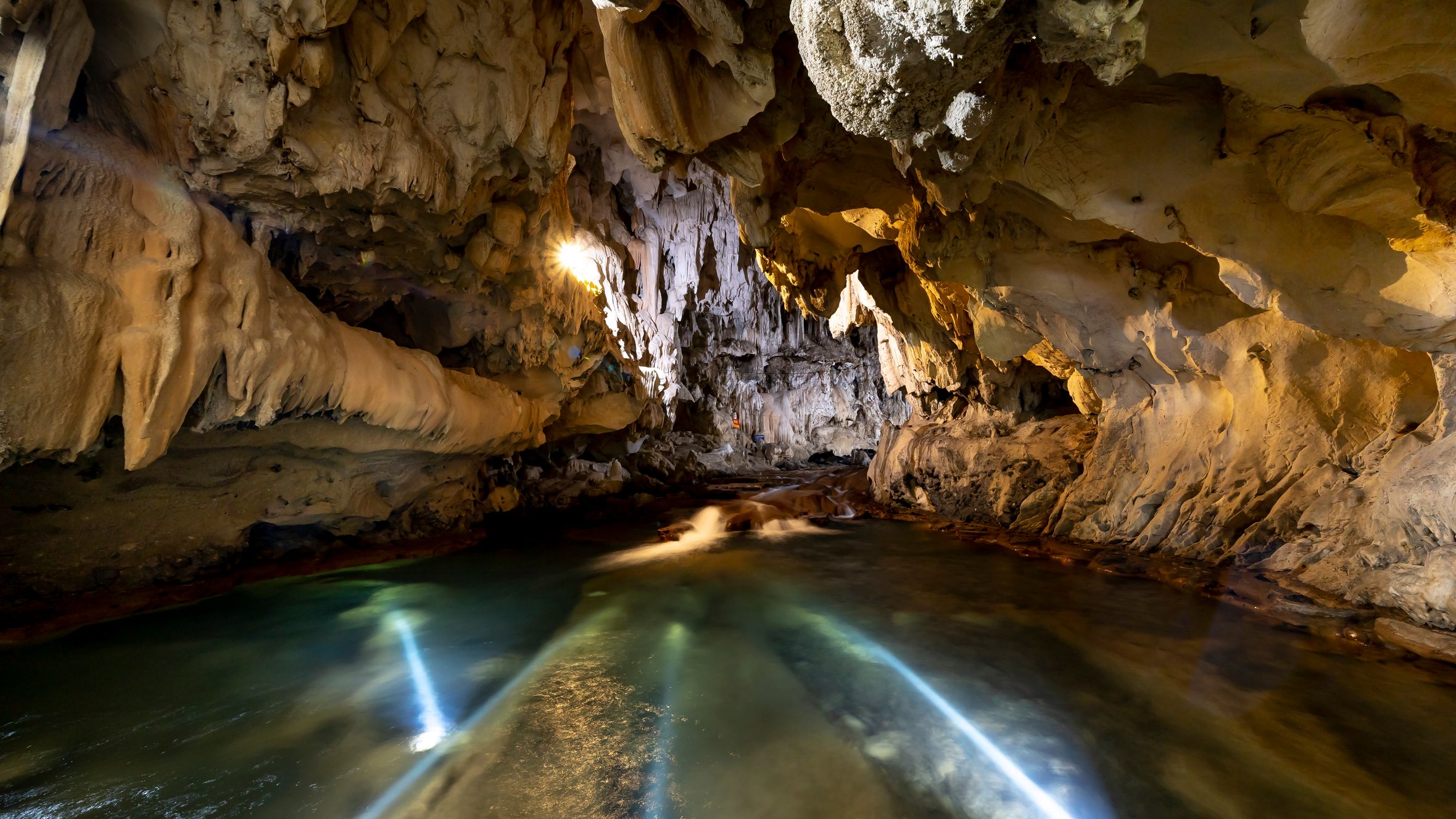
The cave was developed for tourism in the early 1990s, with walkways, colored lighting, and named chambers that correspond to episodes in the Tu Thuc story. The system runs about 700 meters deep and includes several large chambers connected by narrow corridors. Whether or not you care about the legend, the geology is genuinely impressive — massive stalactites, underground pools, and cathedral-scale ceilings that took millions of years to form.
Why travelers go
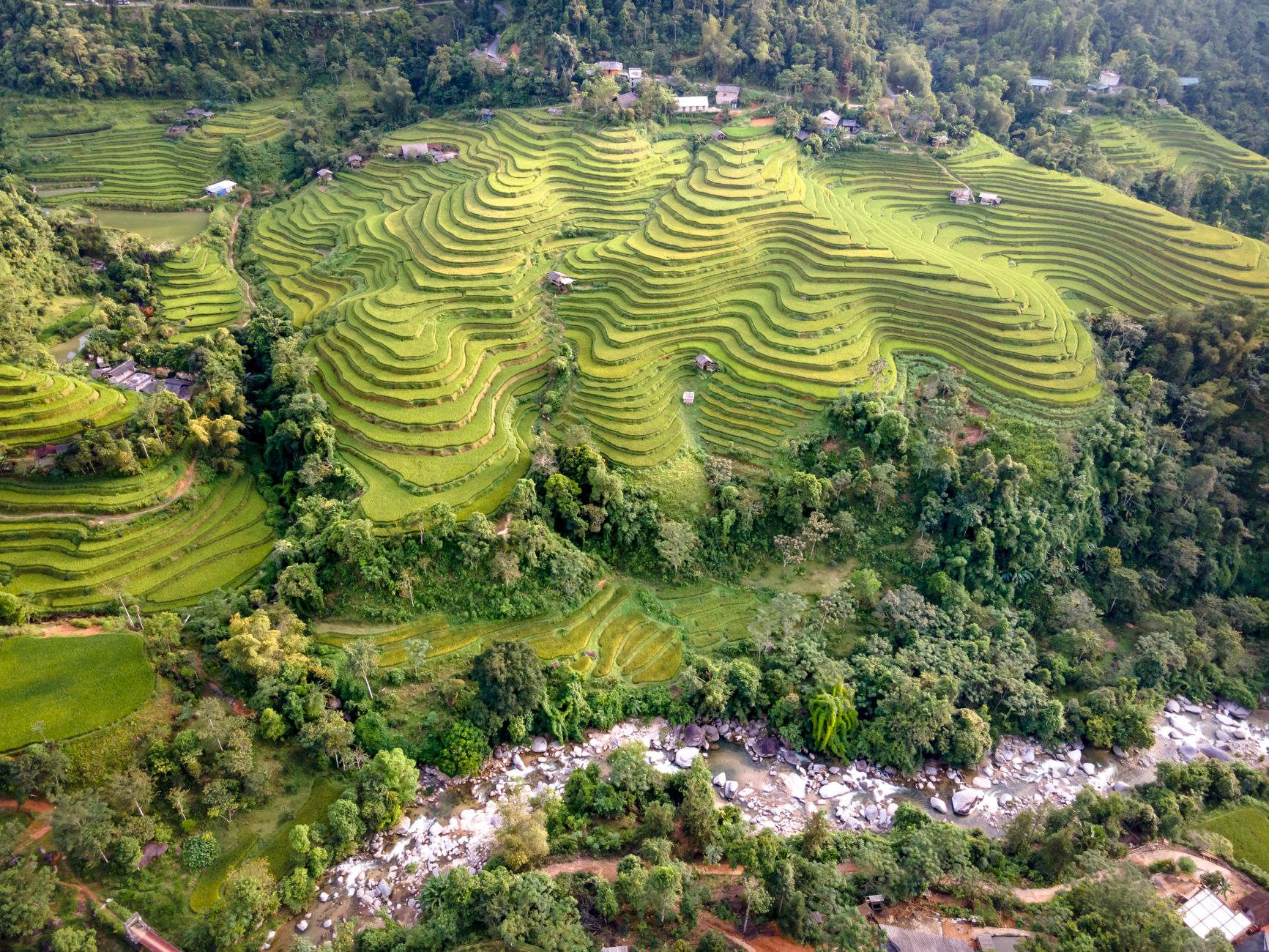
Most visitors come for the combination of the cave itself and the surrounding landscape. Nga Son sits in a zone where karst limestone towers rise abruptly from flat rice paddies and shrimp ponds — similar in character to Ninh Binh (닌빈 / 宁平 / ニンビン), about 60 km to the north, but without the tourist infrastructure or the crowds. If you've done Tam Coc and want something quieter, this area delivers.
The cave appeals to people who like geology, folklore, or just want a break from beach-and-city circuits. It's also a solid half-day stop if you're driving the coastal route between Hanoi (하노이 / 河内 / ハノイ) and Hue.
Best time to visit
October through April is ideal. The weather is cooler and drier, and the cave interior stays comfortable year-round (around 20-22°C inside). Avoid the weeks around Tet / 越南春节 / テト) if you dislike crowds — the cave is a popular domestic holiday destination and gets packed during the lunar new year period. Summer months (June-August) bring heat and occasional heavy rain, which can make the access road muddy and the surrounding area humid. The cave itself is fine in rain, but the approach is less pleasant.
Weekdays are always quieter than weekends, regardless of season.
How to get there
From Hanoi, the most practical route is to drive or take a bus south on the AH1 highway. The cave is in Nga Son district, about 150 km from central Hanoi.
- By car or motorbike: 3-3.5 hours via QL1A or the Ninh Binh expressway, then local roads east toward Nga Son. If you're coming from Ninh Binh, it's roughly 60 km and takes about 1.5 hours on provincial roads.
- By bus: Catch a bus from Hanoi's Giap Bat station to Thanh Hoa city (around 80,000-120,000 VND, 3 hours), then hire a local xe om or taxi for the remaining 45 km to the cave. A taxi from Thanh Hoa city runs about 350,000-450,000 VND one way.
- By train: Trains from Hanoi to Thanh Hoa take 2.5-3.5 hours and cost 70,000-180,000 VND depending on seat class. From Thanh Hoa station, same taxi situation as above.
Entrance to the cave costs 40,000 VND per adult (as of early 2024). Parking is an additional 5,000-10,000 VND for motorbikes.

Photo by Quý Hoàng on Pexels
What to do
Walk the full cave circuit
The main path runs about 700 meters through several named chambers — the "fairy garden," the "celestial palace," the underground lake. Budget 60-90 minutes for a full walk. The lighting is the typical Vietnamese cave treatment: colored LEDs that turn stalactites purple and green. Some people find it kitschy, others enjoy it. The formations themselves are the real draw — some of the stalactite clusters are enormous, and the main chamber ceiling reaches about 30 meters.
Explore the surrounding karst scenery
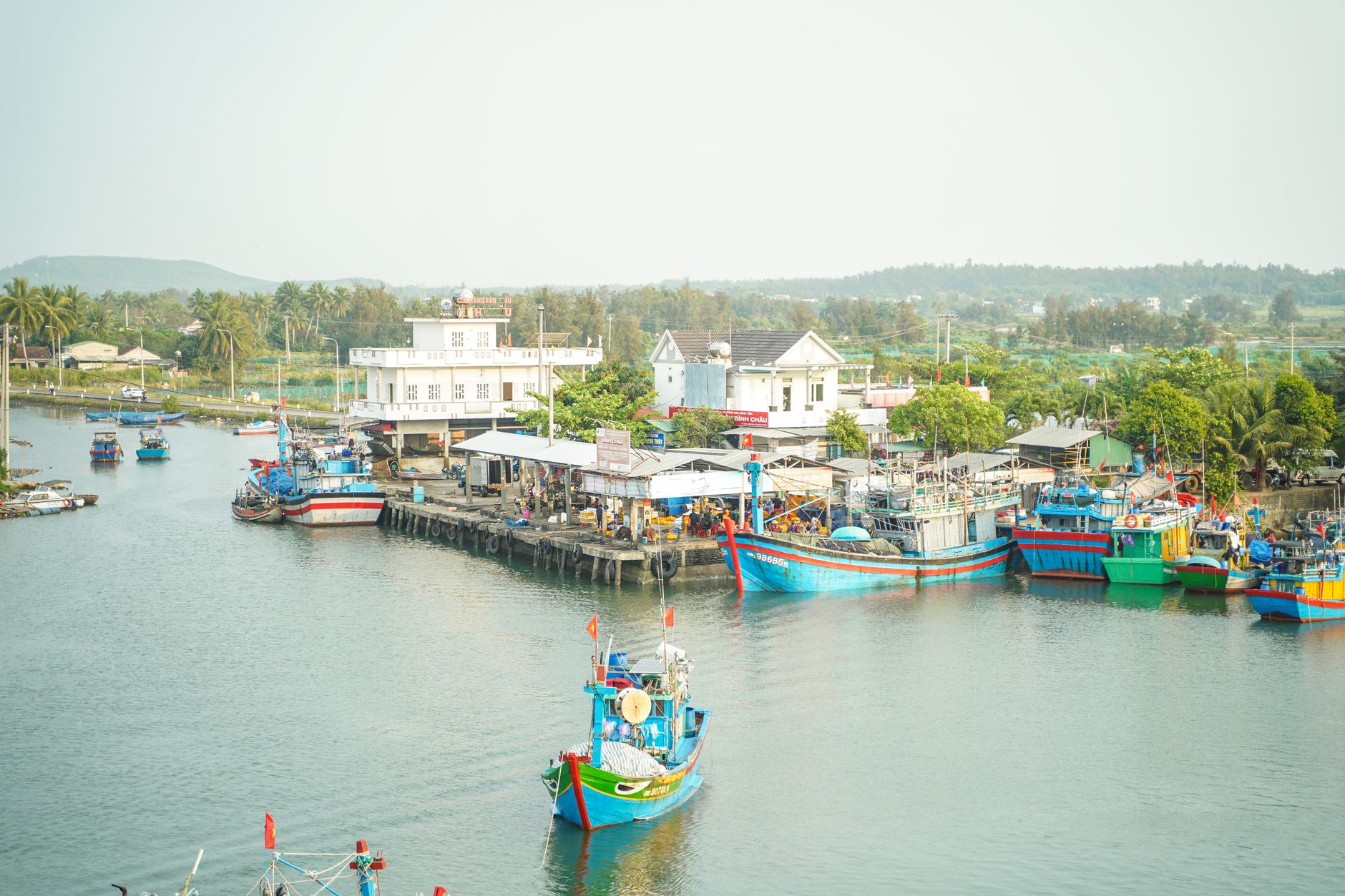
The area around Nga Son has limestone outcrops, rice paddies, and small fishing villages that feel largely untouched by tourism. Renting a motorbike and riding the back roads for an hour or two is one of the better things you can do here. The landscape has a quiet, pastoral quality that photographs well in the late afternoon.
Visit the temple complex at the cave entrance
A small pagoda and shrine complex sits at the base of the mountain near the cave mouth. It's modest compared to places like Bai Dinh, but it's a nice spot to sit and watch local visitors making offerings. The architecture mixes traditional Vietnamese temple design with newer concrete additions.
Climb to the mountain viewpoint
A trail leads up the hillside above the cave entrance to a lookout point. It's a short climb — maybe 20 minutes — but it gives you a wide view over the Nga Son flats and the coastline beyond. Wear shoes with grip; the path is uneven stone.
Where to eat nearby
Nga Son is not a culinary destination, but you can eat well if you know what to look for. The district is known for "nem chua" — fermented pork rolls wrapped in banana leaf — and the local version is excellent. Thanh Hoa province in general claims to make the best nem chua in the country, and you'll find vendors selling them near the cave parking area and along the main road.
For a proper meal, head to one of the small com binh dan (everyday rice) restaurants on the road between the cave and Nga Son town. Expect to pay 35,000-50,000 VND for a plate of rice with grilled pork, vegetables, and broth. If you drive back toward Thanh Hoa city, there are better restaurant options, including places serving "bun cha" and local seafood.
Where to stay
There's very little accommodation near the cave itself — most visitors treat it as a day trip. Your options:
- Thanh Hoa city: Budget hotels and guesthouses from 200,000-400,000 VND/night. A few mid-range options in the 500,000-900,000 VND range with air conditioning and decent beds.
- Ninh Binh: If you're combining the cave with Tam Coc or Trang An, Ninh Binh has a wider range of homestays and hotels, starting from 250,000 VND for basic rooms up to 1,500,000 VND for nicer boutique spots.
- Sam Son beach: About 30 km south of the cave, this domestic beach resort town has plentiful hotels, though it caters mainly to Vietnamese package tourists.

Photo by Quang Nguyen Vinh on Pexels
Practical tips
- Bring a light jacket. The cave interior is noticeably cooler than outside, especially in summer.
- Wear closed-toe shoes with traction. The cave floor is damp and slippery in places, and the walkways don't have railings everywhere.
- Bring your own water. There's a small shop at the entrance, but prices are marked up.
- If you're hiring a taxi from Thanh Hoa, negotiate the round-trip fare in advance and have the driver wait. Getting a return ride from the cave can be difficult.
- Vietnamese-language signage only inside the cave. If the legend interests you, read up on the Tu Thuc story before you go — it makes the named chambers more meaningful.
Common mistakes
- Expecting Phong Nha-level spectacle. Dong Tu Thuc is a provincial-scale attraction, not a national park showpiece. Calibrate your expectations accordingly and you'll enjoy it.
- Visiting on a weekend or holiday. The cave passages are narrow. When it's crowded, you're shuffling single-file behind tour groups. Go on a Tuesday.
- Not combining it with other stops. The cave alone doesn't justify a full day of travel from Hanoi. Pair it with Ninh Binh, Sam Son beach, or the drive south toward Hue to make the trip worthwhile.
Practical notes
Dong Tu Thuc works best as part of a larger central-north Vietnam loop rather than a standalone destination. If you're driving between Hanoi and Hue, or spending time around Ninh Binh, adding a half-day detour to Nga Son is easy and rewarding. Just don't go on a holiday weekend.
Last updated · May 29, 2026 · independently researched, never sponsored.