What Dong Chau Beach Actually Is
Dong Chau is a long, flat stretch of sand on the coast of Thai Binh province, about 30 km from Thai Binh city center. It sits where the Red River Delta meets the Gulf of Tonkin, which means the water is shallow, the sand is dark and silty, and the whole atmosphere is more working coastline than resort destination.
This isn't Phu Quoc. There are no cocktail bars or Instagram backdrops. What you get is a genuine northern Vietnamese beach town — the kind where families from Hanoi and the surrounding delta provinces come on summer weekends to eat "don" (clams), drink bia hoi, and sit under rented umbrellas. The beach has been a local leisure spot since the 1980s, and development has been slow and piecemeal. A concrete promenade runs along part of the shore, lined with seafood restaurants and a few guesthouses.
Why Travelers Go
Honestly, most foreign travelers don't. Dong Chau draws domestic tourists almost exclusively, which is part of its appeal if you're after something unfiltered. The reasons to come:
- Cheap, abundant seafood eaten right on the sand
- A look at delta beach culture that hasn't been packaged for outsiders
- A logical stop if you're exploring Thai Binh province (Keo Pagoda, Tien La craft villages)
- Proximity to Hanoi (하노이 / 河内 / ハノイ) — doable as a long day trip or easy overnight
If you need clear turquoise water and white sand, skip this entirely. If you're curious about how people in the northern delta actually spend their beach days, it's worth the detour.
Best Time to Visit
June through September is swimming season. The water temperature is comfortable, and the beach fills up on weekends. July and August are peak — expect crowds on Saturdays but manageable weekdays.
Avoid November through March. The northeast monsoon makes the coast gray, windy, and cold. The water turns muddy and swimming isn't pleasant. Most seafood stalls close or reduce hours.
April and May work if you don't plan to swim — the weather warms up, the restaurants reopen, and you'll have the beach mostly to yourself.
How to Get There from Hanoi
Dong Chau is roughly 130 km southeast of Hanoi. Your options:
By motorbike or car
The most practical choice. Take National Highway 1A south toward Phu Ly, then cut east on Highway 21B through Thai Binh city, then follow signs toward Tien Hai district and Dong Chau. Total drive time: about 2.5–3 hours depending on traffic through the delta towns. Road quality is decent — mostly flat, two-lane provincial roads after you leave the highway.
By bus
From Hanoi's Giap Bat or Nuoc Ngam bus stations, catch a bus to Thai Binh city (around 80,000–100,000 VND, 2–2.5 hours). From Thai Binh bus station, take a local bus or xe om to Dong Chau — another 30 minutes, roughly 50,000–80,000 VND by motorbike taxi. There's no direct tourist shuttle.
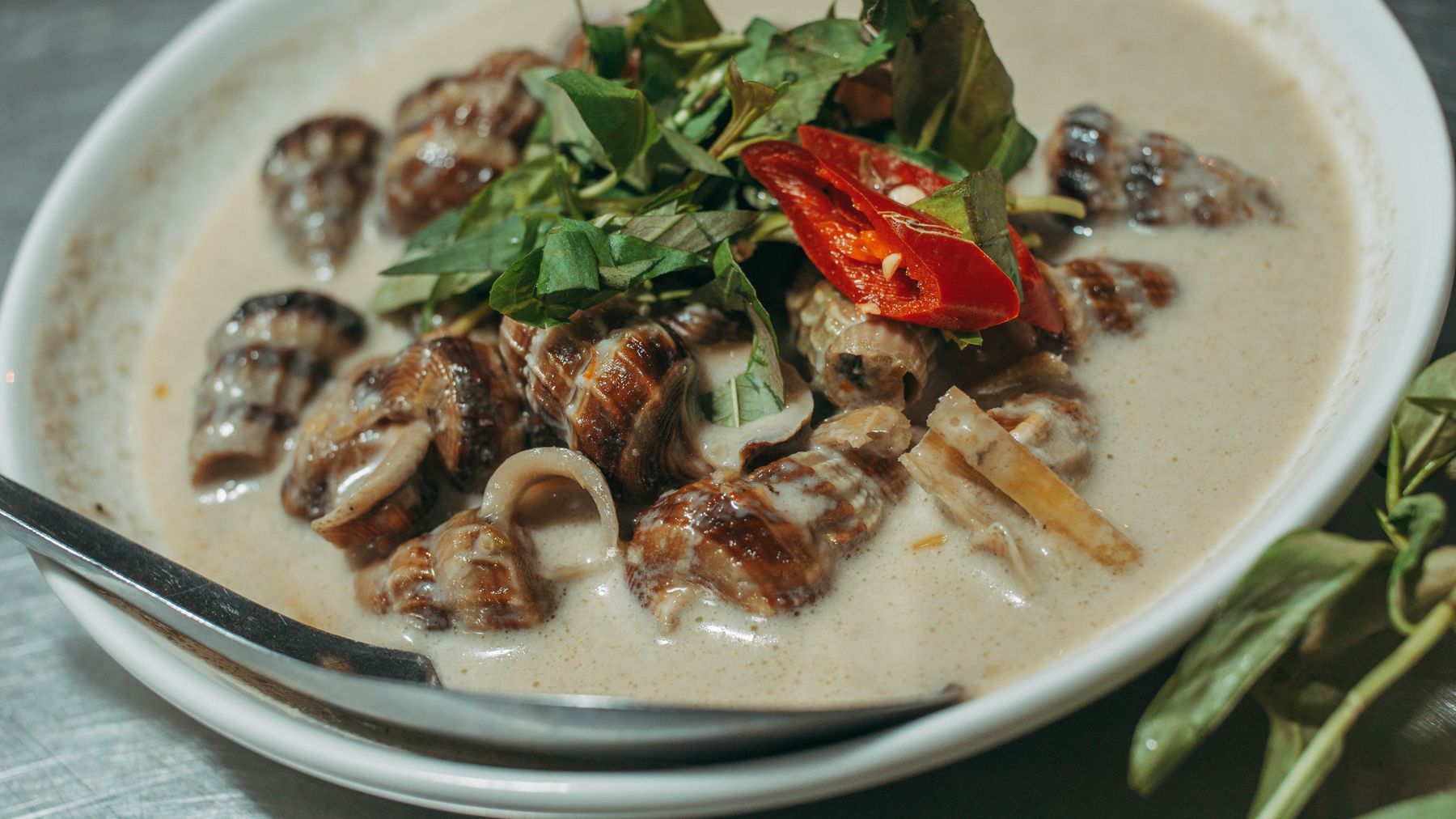
Photo by FOX ^.ᆽ.^= ∫ on Pexels
What to Do
Walk the full beach length
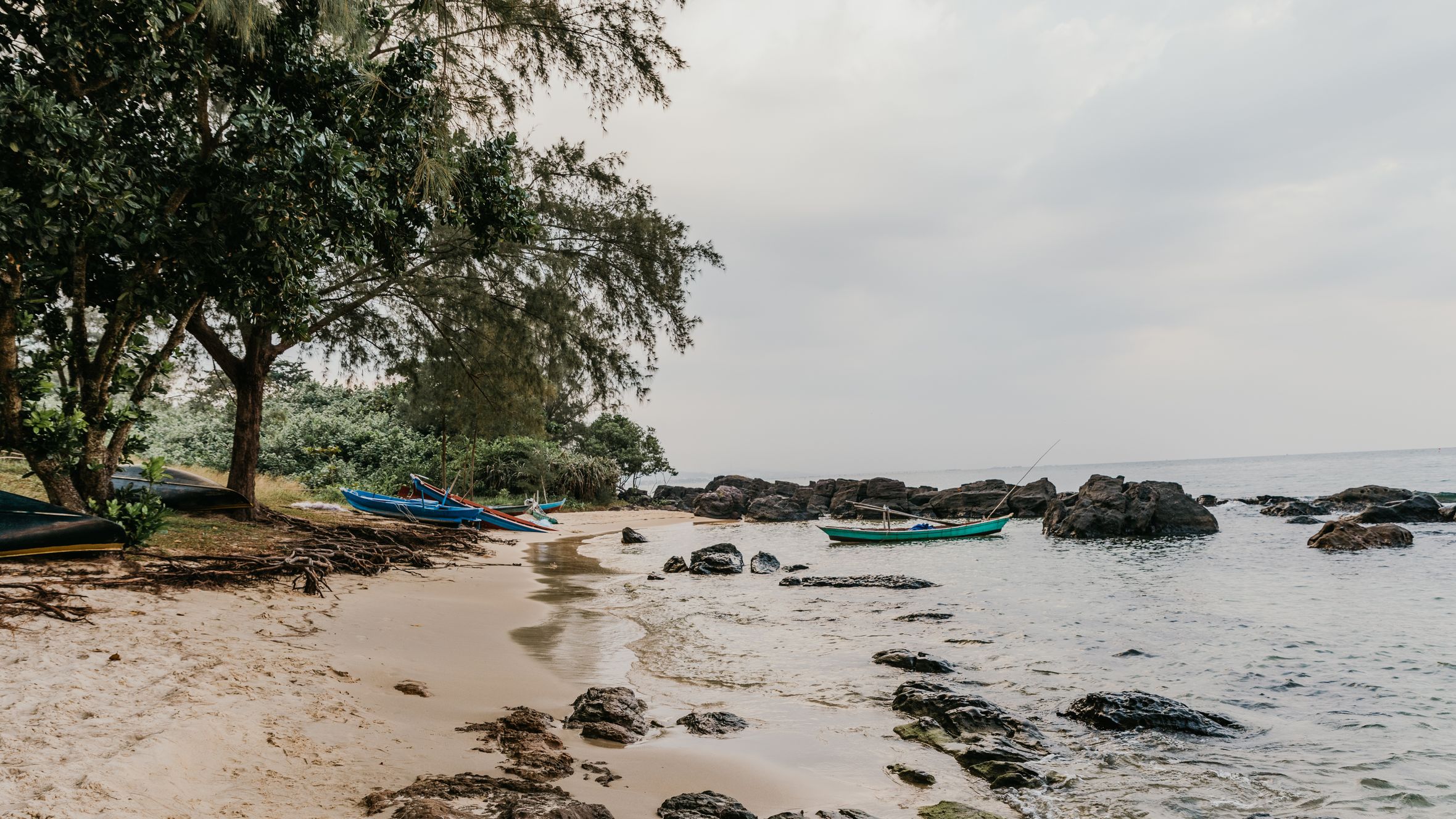
Dong Chau stretches about 5 km. The southern end near the main entrance has all the restaurants and umbrellas. Walk north and it gets quieter — fishing boats pulled up on sand, nets drying, locals harvesting clams at low tide. Early morning is best for this.
Eat seafood at the beach shacks
The row of restaurants along the promenade all serve similar menus: grilled clams, steamed crab, stir-fried "oc" (snails), fried fish. Prices are low — a full seafood spread for two runs 200,000–400,000 VND. Pick whichever place has the most locals sitting outside.
Visit the casuarina forest
Behind the beach sits a belt of casuarina trees (phi lao) planted as a windbreak. It's shady, quiet, and a good spot to string a hammock. Some guesthouses sit within the tree line.
Rent a clam-digging rake
At low tide, locals rent small rakes and buckets for visitors to dig clams in the shallows. It costs almost nothing (20,000–30,000 VND) and restaurants will cook your haul for a small fee. Kids love it, but adults get into it too.
Catch sunrise over the Gulf of Tonkin
The beach faces east. If you stay overnight, sunrise here is quiet and wide — the flat delta coastline means you get a full horizon. No mountains, no islands, just water and light.
Where to Eat Nearby
Beyond the generic seafood stalls, two things worth seeking:
"Bun ca" Thai Binh style — rice noodle soup with fried fish, dill, tomato, and turmeric. Different from the Hanoi version; fishier, more rustic. Several shops in Tien Hai town (5 km inland) serve it for 30,000–40,000 VND.
"Banh cuon" Tien Hai — steamed rice rolls filled with minced pork and mushroom, served with a slightly sweet fish sauce. The version here uses thinner sheets than what you find in Hanoi. Look for breakfast stalls in the town market.
Where to Stay
Budget (200,000–400,000 VND/night): Basic nha nghi (guesthouses) along the beach road. Expect a fan room, hard bed, and shared bathroom. Clean enough. No booking apps — just show up.
Mid-range (500,000–800,000 VND/night): A few small hotels with air conditioning, hot water, and private bathrooms have opened in recent years. Try searching for "khach san Dong Chau" on Google Maps — listings change frequently.
There's nothing resembling a resort here. If you need reliable comfort, stay in Thai Binh city (more hotel options, 30 minutes away) and drive to the beach for the day.
Photo by Ngoc Nguyen on Pexels
Practical Tips Locals Would Tell You
- Bring cash. There are no ATMs at the beach itself. The nearest is in Tien Hai town.
- Rent an umbrella and mat (30,000–50,000 VND) rather than baking on the dark sand, which gets extremely hot by midday.
- The water is shallow for a long way out — you can wade 100+ meters and still be waist-deep. Good for kids, boring for swimmers who want depth.
- Jellyfish appear in patches during August and September. Ask locals before wading in.
- Weekend afternoons get loud with karaoke from the restaurant strip. If you want peace, come on a weekday or walk to the northern end.
Common Mistakes to Avoid
- Expecting a tropical beach: The sand is gray-brown, the water is silty green. This is the delta coast, not the central coastline near Da Nang or Hoi An. Adjust expectations accordingly.
- Arriving without checking the tide: At low tide the water recedes far out, leaving mudflats. Swimming is only practical at mid-to-high tide. Check a tide table for Tien Hai before heading out.
- Skipping Thai Binh city entirely: The city itself has Keo Pagoda (one of the finest wooden pagodas in northern Vietnam), good pho, and a pleasant riverside feel. Combine Dong Chau with a half-day in town.
- Driving back to Hanoi on Sunday evening: Traffic backs up badly on Highway 1A. Leave by 3 PM or wait until after dark.
Practical Notes
Dong Chau works best as part of a broader Thai Binh day trip or an overnight escape from Hanoi when you want seafood and sea air without the 5-hour drive to more developed beaches. Keep expectations grounded and you'll have a good time. It's the kind of place that rewards curiosity more than planning.
Last updated · May 26, 2026 · independently researched, never sponsored.