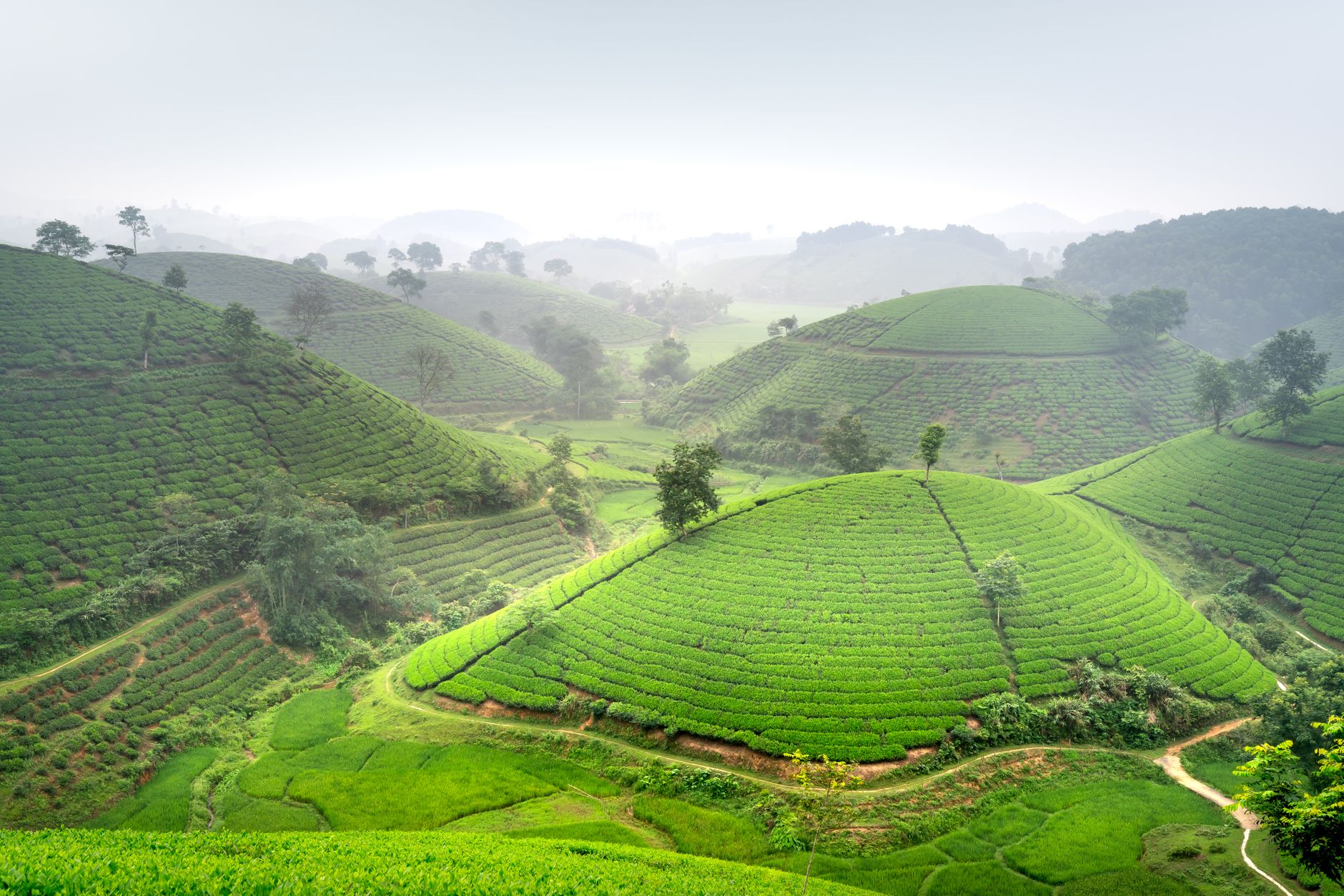
Thai Binh sits in the heart of the Red River Delta, about 120 km southeast of Hanoi. Most travelers skip it on the way to Ha Long or Sapa. That's fine—it keeps the temple grounds empty and the fish sauce factories loud, which is exactly the point. Thai Binh won't exhaust you with sights. Instead, it's a place to slow down, eat fresh "com tam" and crab, and see how the delta actually works.
Kien An Pagoda: The Real Draw
If you only have half a day, spend it here. Kien An Pagoda sits about 8 km outside Thai Binh city, built in the 11th century and rebuilt several times over. The current structure dates to the 19th century. It's set back from the road through a small village, so you walk through family homes and fruit stalls before you reach the entrance—that's not a tourist path, that's how people actually get there.
The pagoda itself is calm. Incense smoke hangs in the main hall, and the carved wooden doors and roof beams show real age. You'll likely have the place mostly to yourself on a weekday. Locals come to pray; monks move quietly through the courtyard. No entrance fee, no ticket booth, no tour groups.
Getting there: motorbike taxi from Thai Binh city center (ask your hotel) costs about 100,000 VND round-trip with wait time. Or hire a bike and ask directions three times—locals are used to lost travelers by now.
Duc Thang Temple and the Waterfront
Duc Thang Temple sits on the edge of Thai Binh city near the river. It's smaller than Kien An and dedicated to local folk heroes. The structure is compact, well-maintained, and surrounded by a quiet square where vendors sell incense and flowers. The real value here is proximity to the waterfront—after the temple, walk down to the riverside where fishermen repair nets and small boats tie up. This is working river delta, not a park.
Cost: free. Best visited early morning or late afternoon when light is soft and the heat drops.
Cycling the Countryside
Rent a bike in Thai Binh city (your hotel can arrange one for 50,000–80,000 VND per day) and ride toward the outlying villages. The delta flatness makes for easy cycling. Routes through Dong Hung or Vu Thu districts take you past rice paddies, fruit orchards (dragon fruit and guava are common), and fish farms. You'll pass women selling pho from street-side stands at 8 am, families on motor scooters heading to markets, and schoolkids in white "ao dai" uniforms.
There's no formal "cycling trail." Just pick a direction, follow the small roads, and don't worry about getting lost—ask any kid on a bike where the main road is, and they'll point you right. Bring water and wear sunscreen. Stop for "ca phe sua da" (iced Vietnamese coffee) at a roadside stall; a cup costs 15,000 VND.

Photo by Agung Sutrisno on Pexels
Seafood and Fish Sauce
Thai Binh is the center of Vietnam's fish sauce production. The smell hits you when you arrive—it's ammonia-sharp and distinctive. Some people find it offensive; others consider it the smell of heritage. You don't need to tour a fish sauce factory (though some do allow visits by arrangement with your hotel). Instead, eat seafood that was caught here hours before.
Head to a local "nha hang" (restaurant) near the waterfront or central market. Order "cua" (crab), fresh "tom" (shrimp), or "ca chien" (fried fish). Crab is exceptionally good here; a kilogram costs 250,000–350,000 VND depending on season and size. Pair it with rice and dipping sauces. Most waterfront restaurants are casual, plastic-chair places without English menus—point at what other diners are eating.
Can Tho in the Mekong Delta is famous for floating markets and street food; Thai Binh offers neither of those things. It offers the production side: quieter, less romantic, more real.
Day Trips from Thai Binh
To Thanh Hoa (80 km south). If you have a full day and want to see something more dramatic, Thanh Hoa sits where the Ma River meets the coast. Sam Son Beach is nearby—a decent strip of sand popular with locals on weekends. The Thanh Hoa Bridge, a long French-colonial iron structure, crosses the river and is photographically striking. You could also visit Pu Luong Nature Reserve nearby, though it's better accessed from Ha Noi directly. Motorbike or car from Thai Binh takes about 2 hours.
To Ha Long (160 km northeast). If you're already in the region and want to see the Gulf of Tonkin, Ha Long Bay is a half-day drive. But there's no reason to base yourself in Thai Binh and day-trip to Ha Long—fly into Ha Long from Ha Noi instead and save the drive.

Photo by ManojMk Brucelee on Pexels
What to Skip
Thai Binh has a few attractions that tour websites list but that miss the point entirely. The Thai Binh Museum (a small building with dusty displays about local history) is forgettable. The "eco-tourism" fish-farm visits marketed online are usually awkward and overpriced. Pha Lai Thermal Power Plant and other industrial sites are not visitor attractions, no matter what travel forums say.
Skip anything that sounds like it's been packaged for tourists. Thai Binh's value is in not being packaged—in watching fishermen, eating fresh crab, and walking through a pagoda that has no guards or gift shop.
Frequently Asked Questions
How far is Thai Binh from Hanoi and how do most travelers get there?
Thai Binh sits about 120 km southeast of Hanoi in the Red River Delta. Most travelers bypass it heading to Ha Long or Sapa, which means the town sees few tourists. Your hotel can help arrange local transport once you arrive, including motorbike taxis for reaching sites like Kien An Pagoda, roughly 8 km outside the city center, for around 100,000 VND round-trip.
What is the entrance fee for Kien An Pagoda in Thai Binh?
There is no entrance fee at Kien An Pagoda. The 11th-century site, with its current structure dating to the 19th century, has no ticket booth and draws no tour groups on weekdays. Visitors walk through a working village past family homes and fruit stalls to reach it. A motorbike taxi from Thai Binh city center costs about 100,000 VND round-trip including wait time, or you can hire a bike independently.
When is the best time to visit Duc Thang Temple and the waterfront?
Early morning or late afternoon are the best times to visit Duc Thang Temple and the nearby riverside. The heat drops, the light softens, and the waterfront is active with fishermen repairing nets and small boats. The temple itself is free to enter. After visiting, the walk down to the river shows the delta functioning as a working waterway rather than a tourist attraction.
Practical notes
Thai Binh is a short bus ride from Hanoi (about 2 hours, 50,000–80,000 VND on local coaches). Most travelers stay one night if at all; two days is generous. Hotels are basic but clean (200,000–400,000 VND per night). English is minimal outside tourist-focused places, so download offline maps or carry a written address in Vietnamese. The best time to visit is October to April, when the delta humidity drops and you can actually move around without overheating by 10 am.
Last updated · May 28, 2026 · independently researched, never sponsored.