Thai Binh sits about 120 km southeast of Hanoi, wedged between the Red River and the coast. It's not a tourist circuit destination—most travelers skip it entirely—which makes it useful if you want to see how a provincial city actually works. The choice of where to sleep shapes that experience entirely.
Thai Binh City Center (Quan Hoang Mai)
The bulk of visitors stay in the city proper, around Quang Trung Street and the area near Thai Binh Hospital. This is where the night market runs, where locals eat, where you can walk to restaurants and a few modest shops without a taxi. Streets are quiet after 9 p.m. on weekdays.
Budget options here (100,000–200,000 VND per night) are family-run guesthouses: small, clean, minimal English, basic breakfast. Look for signs advertising "Nha Nghi" or "Khach San" on side streets off Quang Trung. You get a fan or weak AC, a TV, and a bed. Noise from motorbike traffic in early morning is normal. These places suit backpackers or anyone who doesn't need amenities.
Mid-range (250,000–500,000 VND) brings you hotels like Thai Binh Hotel or Song Hong Hotel—proper reception, reliable Wi-Fi, air conditioning that works, maybe a small restaurant downstairs. Rooms have a desk, shower, decent linens. Staff can help with bike rental or onward bus tickets. Expect a cooked breakfast (rice porridge, eggs, bread) or voucher for a nearby canteen. These are good for travelers who want comfort without fuss and appreciate a quiet city over tourist noise.
Luxury doesn't really exist in Thai Binh City Center. There's no 4-star international hotel. If you're after polished service and a gym, you're in the wrong city.
Beachside areas (Tien Hai, Dong Hung districts)
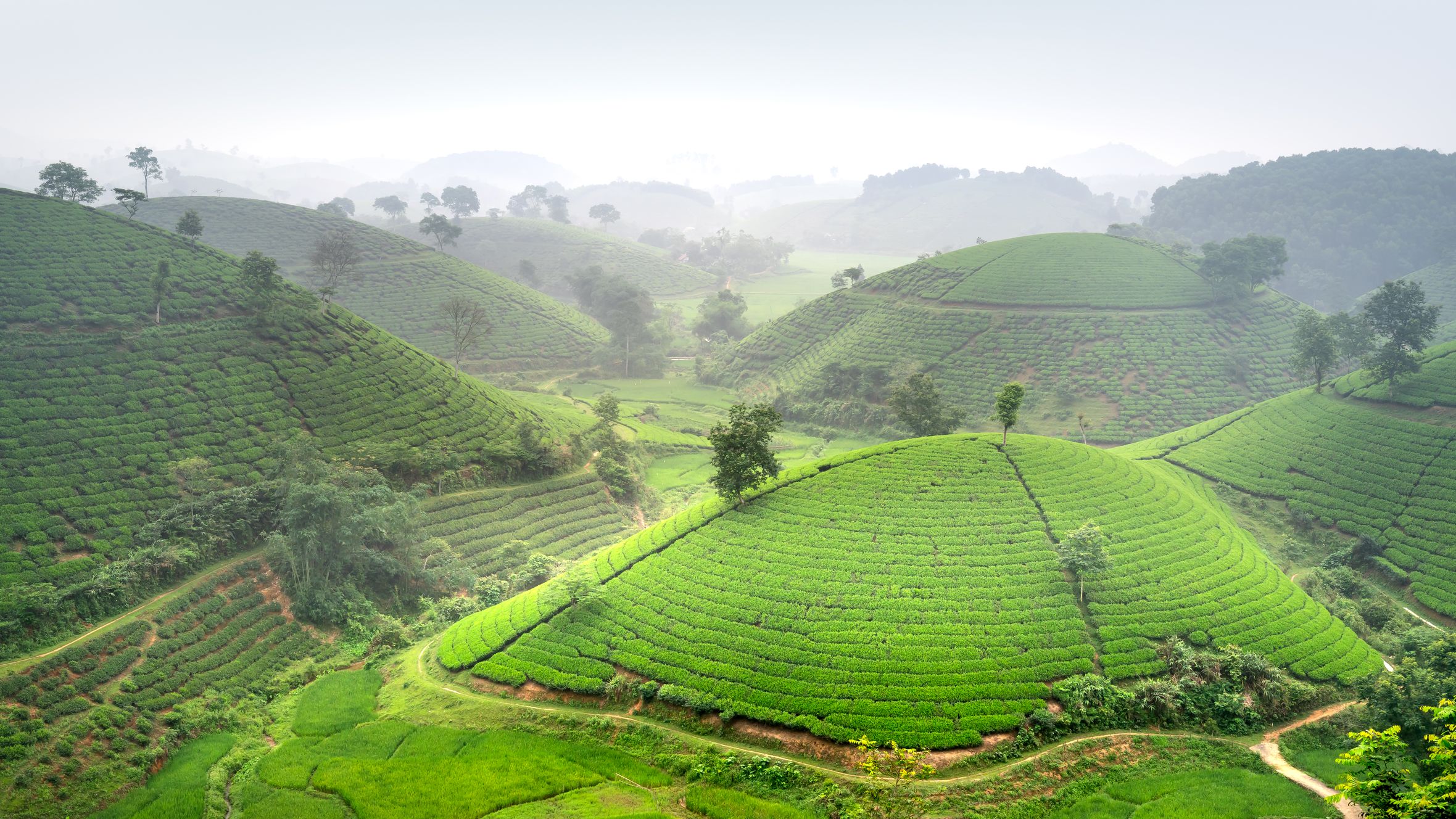
Thai Binh has a coastline—long, flat, sandy beaches that draw almost no foreign tourists and very few domestic ones except on Sundays. Tien Hai and Dong Hung districts, about 20–30 km from the city center, have a handful of seafood restaurants and homestays. The landscape is working landscape: shrimp farms, salt ponds, fishermen mending nets.
If you stay here, expect basic homestays (150,000–250,000 VND) run by fishing families. You sleep in their guest room, eat meals with them or at family-run seafood shacks, wake to roosters. The "luxury" option is a beachfront resort (500,000–800,000 VND) with a handful of rooms, fresh fish for dinner, and a small pool. These places cater mostly to domestic groups on weekend getaways.
Stay on the coast if you want to see how fishing communities live or if you're cycling through northern provinces and want a beach break that isn't Phu Quoc or Cat Ba. Don't expect beach clubs, Instagram backdrops, or nightlife. You get sand, quiet, and very good grilled seafood.
Vu Thu district (farming and delta villages)
Vu Thu is farmland—rice paddies, vegetable plots, small canals. There are almost no hotels here. Occasionally, a homestay network arranges stays with rural families who've set aside a guest room. These are slow-travel experiences: you eat what the family eats, help with chores if you want, ride a bike into the fields at dawn.
This suits travelers on multi-week rural loops (Ha Giang → Thai Binh → Ninh Binh) who want to see the delta from ground level. Most travelers avoid it because there's nothing "scenic" by standard metrics and no English speakers. That's the point.

Photo by Pew Nguyen on Pexels
Practical neighborhood breakdown
Thai Binh City Center: The default choice. Walk to food, catch onward buses, see a working city. Best for 1–2 nights.
Tien Hai beaches: Add a day if you like quiet water and seafood. Rent a motorbike to explore salt ponds and fishing villages. Not a swimming destination—the water is murky and cold in winter.
Rural homestays: For cyclists, language learners, or people interested in rice farming. Requires advance booking through a guesthouse or homestay broker (ask in Hanoi hostels).
Price reality
Thai Binh is very cheap. A decent mid-range room with breakfast costs 250,000–350,000 VND (about USD 10–14). A plate of local crab noodles or "banh canh" costs 30,000–50,000 VND. A beer is 10,000–15,000 VND at a street stall. You can eat well for USD 3–5 per meal.
Budget travelers can live here for USD 20–30 per day (room, three meals, transport between neighborhoods). Mid-range travelers on USD 50–80 per day will have comfortable rooms, better restaurants, and room to take taxis or hire a driver.
There are no overpriced tourist restaurants. No craft-cocktail bars. No upcharge for foreigners. Prices are what locals pay.

Photo by Hugo Guillemard on Pexels
Why each choice works
Stay in Thai Binh City if you're passing through on a northern itinerary (Hanoi → Ha Long → Thai Binh → Ninh Binh), want to rest a night without effort, and are curious about a regular Vietnamese city. One night is often enough.
Stay beachside if you have a car or motorbike, want to slow down, and enjoy empty beaches and fresh crab. Two days is ideal—enough to cycle around salt ponds and feel the rhythm, not so long that boredom sets in.
Stay rural only if you're intentional about farm tourism and have realistic expectations about comfort and language. This is not a mainstream option, but it exists for the right traveler.
Frequently Asked Questions
How far is Thai Binh from Hanoi and how do I get there?
Thai Binh sits about 120 km southeast of Hanoi. The city is not on the main tourist circuit, so most travelers arrive by bus. Once in the city center, around Quang Trung Street, you can walk to restaurants, the night market, and guesthouses. Staff at mid-range hotels like Thai Binh Hotel or Song Hong Hotel can help arrange onward bus tickets.
What does accommodation cost in Thai Binh City Center?
Budget guesthouses (look for "Nha Nghi" or "Khach San" signs off Quang Trung Street) run 100,000-200,000 VND per night and include a fan or basic AC and a bed. Mid-range hotels such as Thai Binh Hotel or Song Hong Hotel cost 250,000-500,000 VND and offer reliable Wi-Fi, working air conditioning, and a cooked breakfast. There are no 4-star international hotels in the city.
When is the coast near Thai Binh most visited by locals?
The beaches in Tien Hai and Dong Hung districts, about 20-30 km from the city center, draw almost no foreign tourists and very few domestic visitors except on Sundays. Beachfront homestays with fishing families cost 150,000-250,000 VND, while the top-end beachfront resort option runs 500,000-800,000 VND and caters mainly to domestic groups on weekend getaways.
Practical notes
Book online through Booking.com or Agoda for city-center hotels—English-language confirmation and flexible cancellation matter in a city where the guesthouse may not have email. For beachside and rural homestays, call ahead through a Hanoi travel agent or ask at your current accommodation. Thai Binh has no ATM network—withdraw cash in Hanoi or Nam Dinh before arriving. Most small hotels accept cash only.
Last updated · May 26, 2026 · independently researched, never sponsored.






