What Dong Da Bac Actually Is
Dong Da Bac — roughly "Silver Stone Cave" — is a limestone cave system sitting in the low karst hills of what used to be Hoa Binh province, now folded into greater Phu Tho after an administrative merger. It's not a show cave with colored LED lights and handrails. It's rawer than that: a network of chambers with natural stalactite formations, cool air, and the kind of quiet you forget exists after a week in Hanoi.
The cave has been known to local Muong communities for generations. Some chambers were used as shelter during wartime, and local lore ties the site to stories about silver-colored rock faces that catch light near the entrance. There's no museum or visitor center — just the cave, the surrounding hills, and a handful of local families who've started accommodating the occasional visitor.
Why Travelers Go
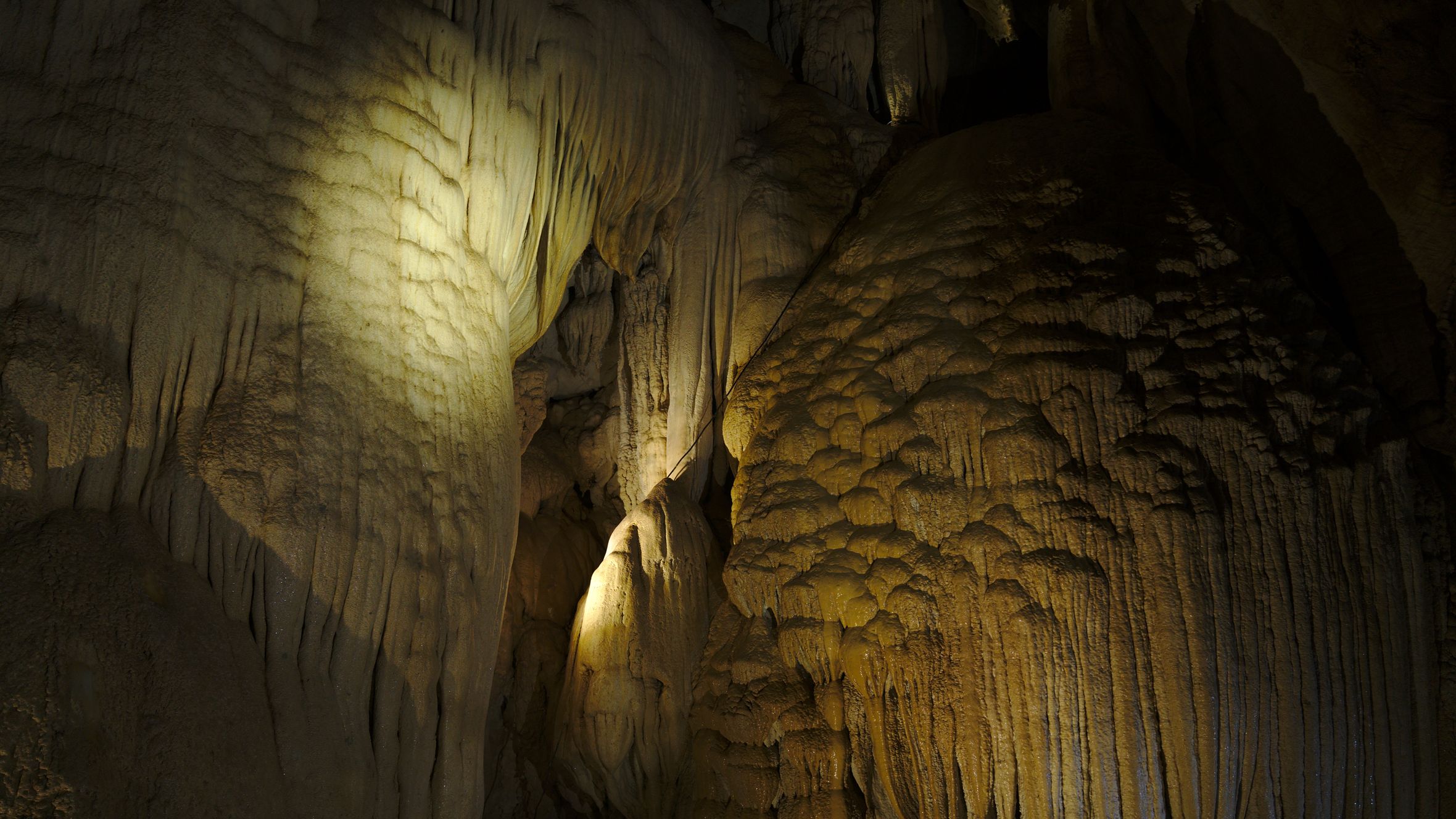
Honestly, most don't. Dong Da Bac sits well outside the usual tourist circuits, which is precisely the appeal for a certain kind of traveler. You come here because you want to see a cave that hasn't been turned into a theme park. The formations inside — some columns stretch floor to ceiling over several meters — are impressive on their own terms, without the need for a soundtrack or a laser show.
The surrounding area is midland Vietnam (베트남 / 越南 / ベトナム) at its most unassuming: rice paddies, tea hills, small villages where Muong and Kinh communities live side by side. If you're driving between Hanoi and the northwest — heading toward Mai Chau or onward to Son La — Dong Da Bac makes a worthwhile stop that adds maybe half a day to your route.
Best Time to Visit
The sweet spot is October through April. The dry season means trails to the cave entrance aren't slippery, and temperatures inside the cave hover around 20-22°C year-round, which feels perfect when it's cool outside but not cold enough to need layers.
Avoid June through August if you can. Heavy rain makes the access path muddy and occasionally impassable for motorbikes. September is transitional — sometimes fine, sometimes not. If you're visiting during the Hung Kings Festival period (around the 10th day of the 3rd lunar month, usually March or April), the whole Phu Tho region gets busy with pilgrims heading to the Hung Temple complex, so book accommodation ahead.
How to Get There from Hanoi
Dong Da Bac is roughly 90-100 km from central Hanoi (하노이 / 河内 / ハノイ), depending on which route you take. Budget about 2.5 to 3 hours by motorbike or car — the roads are decent but not highway-speed once you leave the expressway.
By motorbike: The most practical option. Take the Hanoi-Hoa Binh route (QL6) and branch off toward the Phu Tho side. Fuel up before you leave the main road — petrol stations thin out in the hills. Total fuel cost: around 60,000-80,000 VND each way.
By car or private driver: A return day trip with a driver from Hanoi runs 1,200,000-1,500,000 VND. Grab doesn't operate out here, so arrange a driver through your hotel or a Hanoi-based travel service.
By bus: You can catch a bus from My Dinh station to Phu Tho town (around 80,000-100,000 VND, 2 hours), then hire a local "xe om" (motorbike taxi) for the remaining 20-25 km. Expect to pay 100,000-150,000 VND for the xe om leg. This is doable but slower.

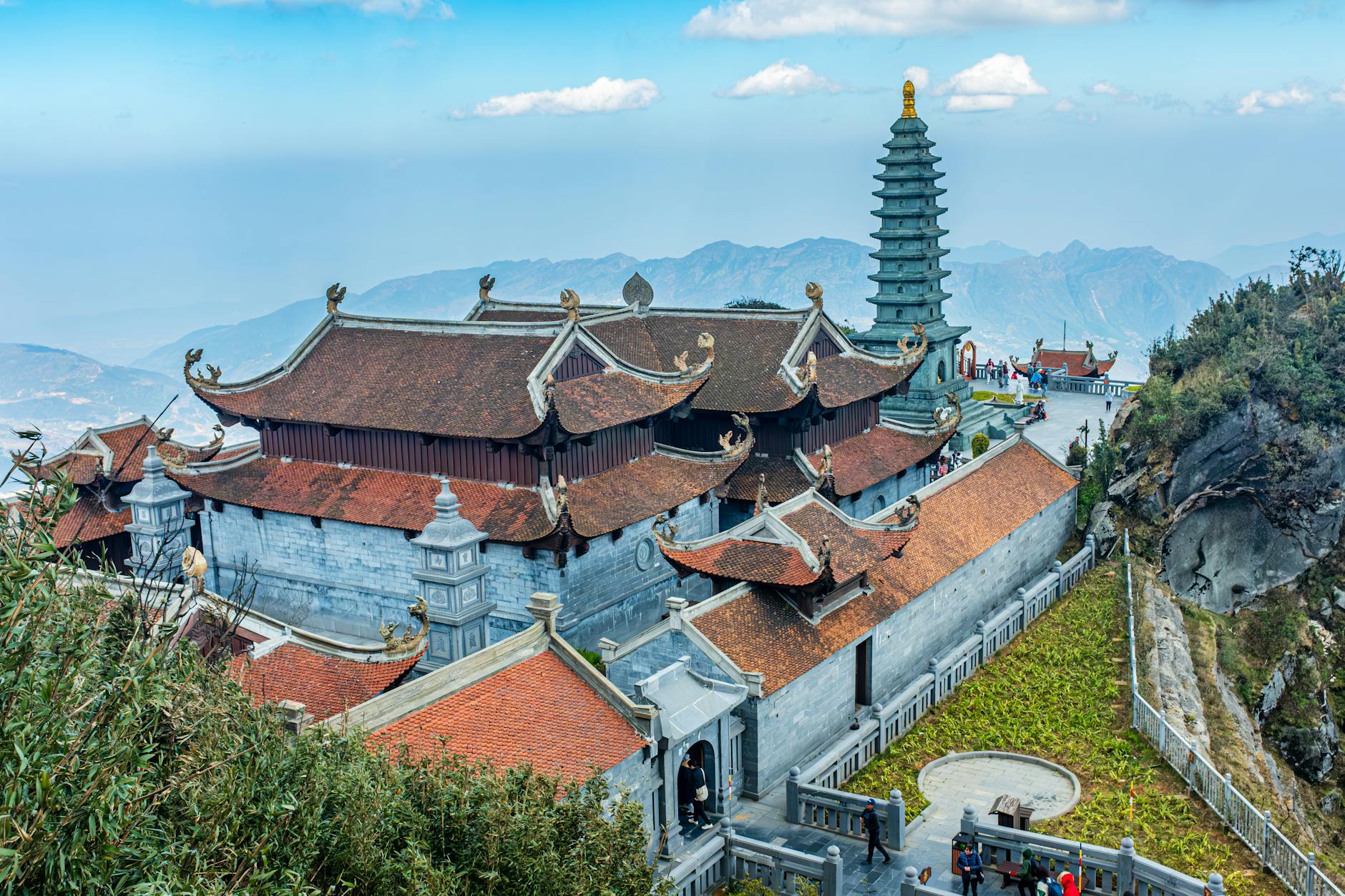
Photo by Quang Nguyen Vinh on Pexels
What to Do
Explore the Main Cave Chambers
The cave system has at least three accessible chambers. The first is the largest — high ceilings, wide enough to walk comfortably. The second narrows and requires ducking in places. Bring your own flashlight or headlamp; there's no installed lighting. A local guide (usually someone from the nearest village) can walk you through for 100,000-200,000 VND. Worth it — they know which passages are safe and which get flooded.
Walk the Karst Ridge
Above the cave entrance, a trail follows the limestone ridge for about 2 km. The views over the valley aren't dramatic in the Ha Long Bay sense, but they're open and green and genuinely peaceful. Early morning is best, before haze settles.
Visit Muong Villages Nearby
A couple of Muong hamlets sit within walking distance. Stilt houses, small gardens, chickens, kids on bikes — real village life, not a cultural performance. If you're respectful and smile, people are generally welcoming. Buying local tea or honey directly from families is a good way to contribute.
Stop at a Tea Hill
Phu Tho is tea country. On the drive in, you'll pass hillsides planted with rows of tea bushes. Some small producers will let you watch processing if you show up at the right time (mornings, especially in spring harvest). A kilo of good local green tea runs 150,000-300,000 VND.
Where to Eat Nearby
Don't expect restaurant rows. The closest proper eateries are in Phu Tho town or along the main road. Look for "com binh dan" (everyday rice) shops — a plate with rice, a meat dish, greens, and broth will cost 30,000-45,000 VND.
Two things worth seeking out: "com lam" (bamboo-tube rice), a Muong staple you'll sometimes find at roadside stalls near the village turnoffs, and "thit lon quay" (roast pork), which the Muong communities here do particularly well — crispy skin, served with herbs and a fermented dipping sauce. If a local family offers to cook for you, say yes.
Where to Stay
Options are limited but improving:
- Homestays near the cave: A few Muong families offer rooms. Basic — mattress on the floor, shared bathroom, mosquito net. Around 200,000-350,000 VND per night, sometimes including dinner.
- Guesthouses in Phu Tho town: More comfortable, with private bathrooms and air conditioning. 400,000-600,000 VND per night.
- Day trip from Hanoi: The most common approach. Leave early, return by evening.

Photo by Quang Nguyen Vinh on Pexels
Practical Tips Locals Would Tell You
- Bring a headlamp, not just your phone flashlight. The cave gets dark fast and you'll want both hands free.
- Wear shoes with grip. Flip-flops in a limestone cave is a recipe for a sprained ankle.
- Carry cash. There are no ATMs near the cave, and nobody takes cards.
- Pack water and snacks. The nearest shop might be a 20-minute ride away.
- If you're on a motorbike, check your tires before the hill section. The road surface gets rough.
Common Mistakes to Avoid
- Showing up without light. The cave is unlit. No flashlight, no visit.
- Assuming you'll find food at the site. There's no cafe, no ticket booth, no souvenir stand. Plan meals before or after.
- Rushing it as a quick stop. Give yourself at least 3-4 hours to explore the cave, walk the ridge, and absorb the area. Driving two hours each way for a 30-minute peek isn't worth the fuel.
- Visiting after heavy rain. The cave floor can pool with water and the access trail turns slick. Check weather the day before.
Practical Notes
Dong Da Bac isn't a destination that'll show up on most Vietnam itineraries, and that's fine. It's best suited for travelers already in the Phu Tho area — maybe visiting the Hung Temple complex — or for riders heading northwest from Hanoi who want a reason to slow down. No entrance fee at time of writing, though a small community contribution is appreciated.
Last updated · Aug 15, 2026 · independently researched, never sponsored.