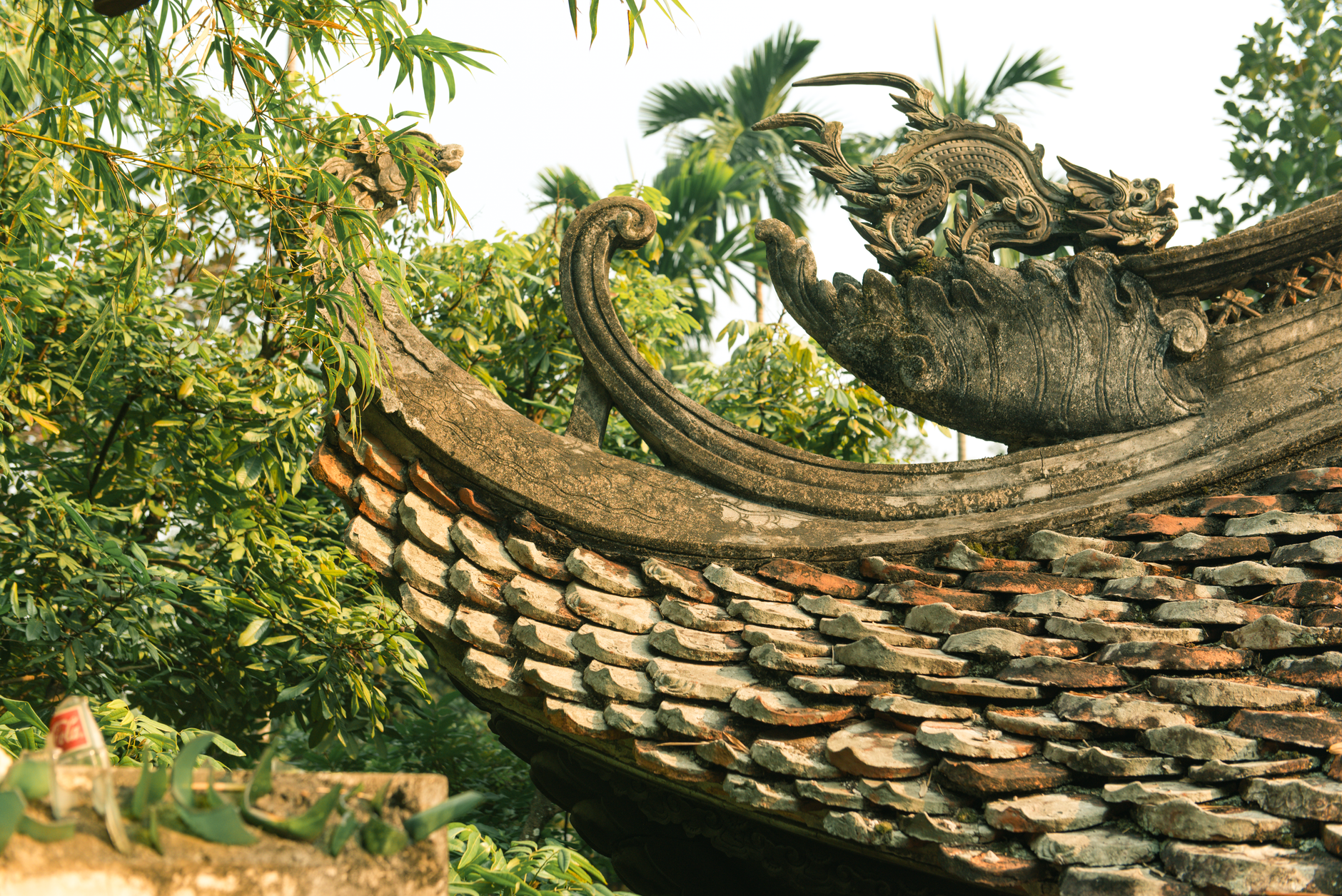
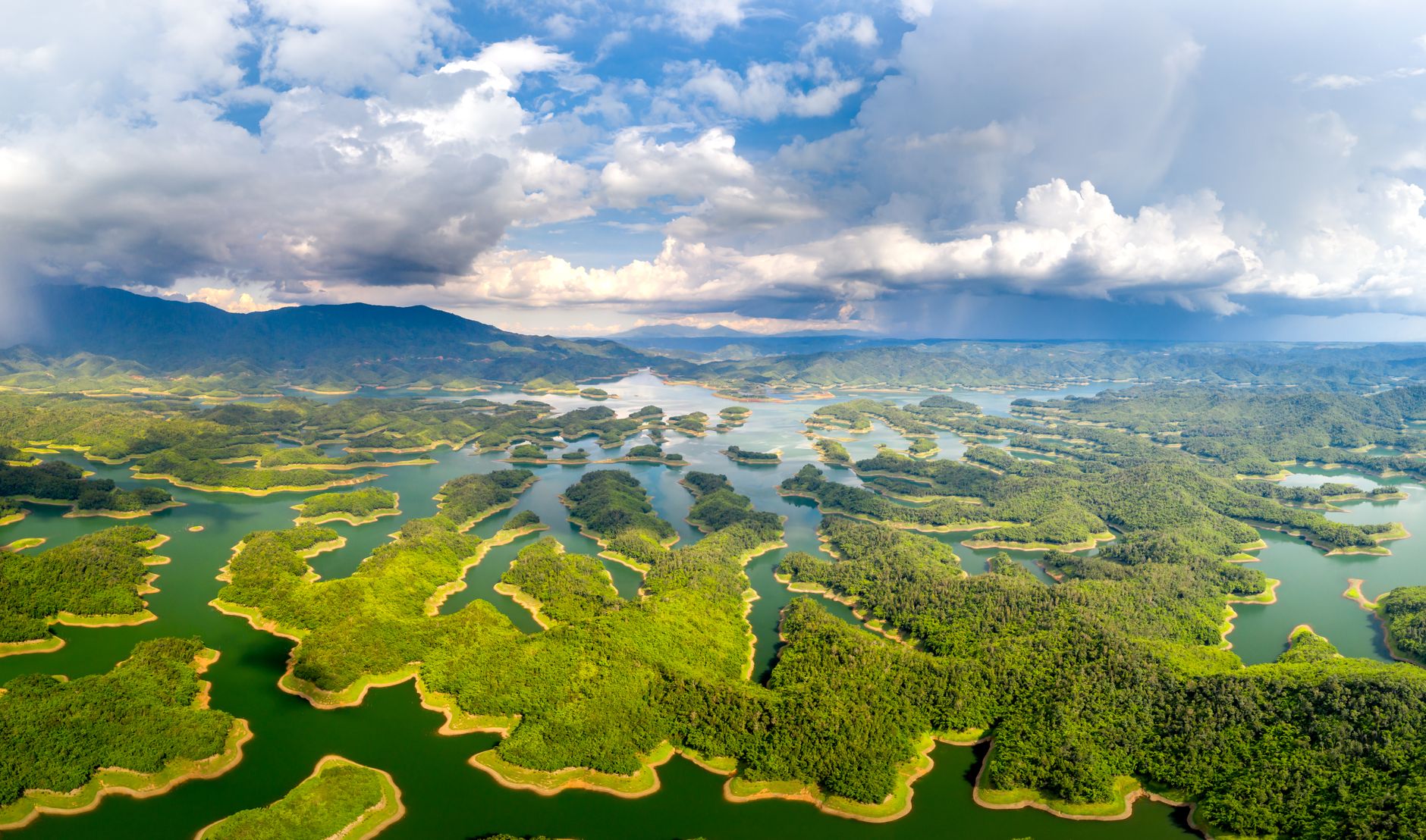
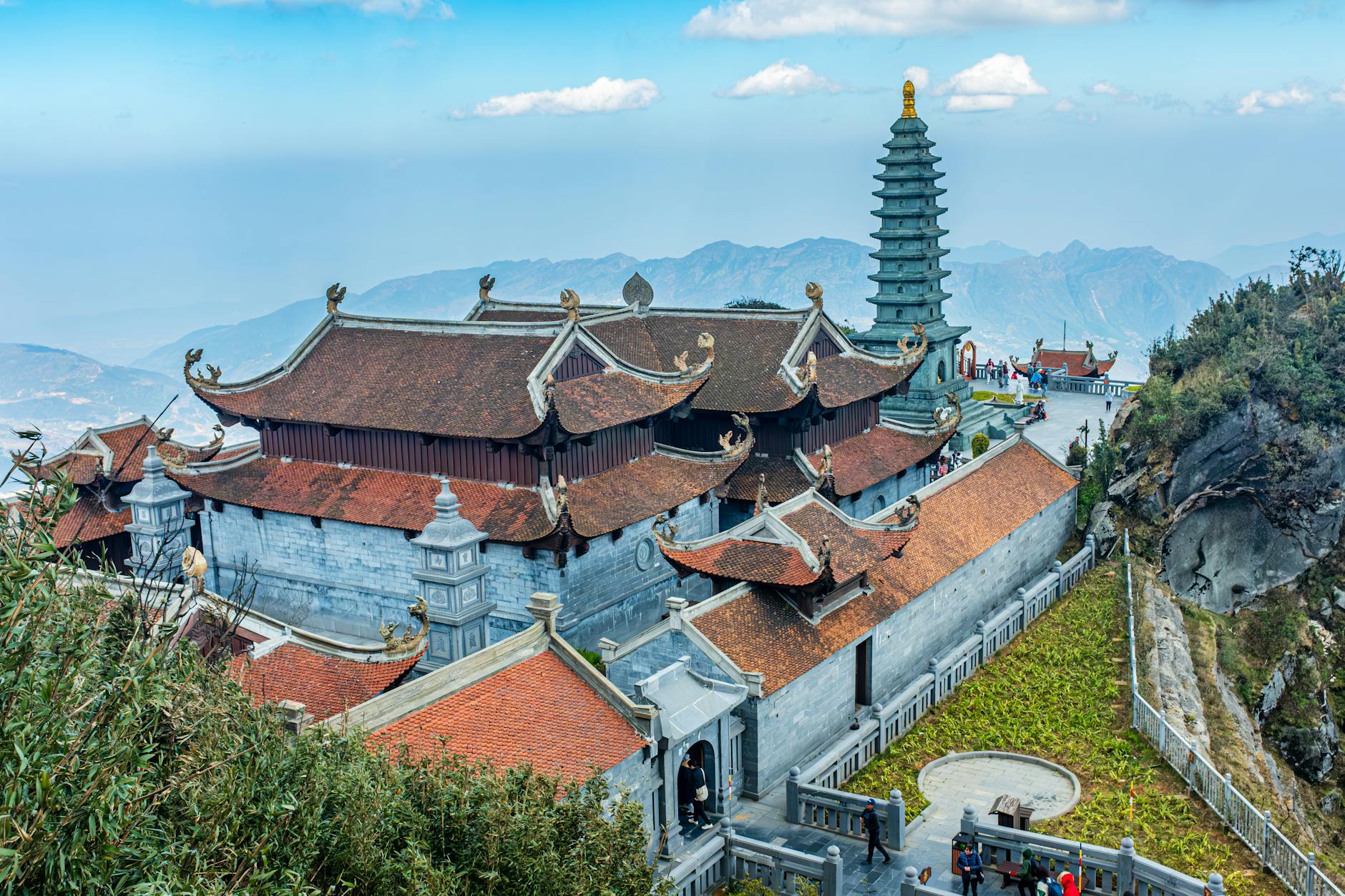
Phu Tho province sits about 80 km northwest of Hanoi, and most travelers blow right past it on the way to Sapa or Ha Giang. That's a mistake if you have even a passing interest in how Vietnam (베트남 / 越南 / ベトナム) tells its own origin story. Bao Tang Hung Vuong — the Hung Vuong Museum — is the main repository for artifacts and narratives tied to the Hung Kings, the semi-legendary dynasty that Vietnamese culture treats as the founders of the nation.
What it is and why it matters
The museum sits at the foot of Nghia Linh mountain in Viet Tri city, inside the larger Den Hung (Hung Kings Temple) historical complex. It was originally built in 1987, then expanded and renovated in 2010 ahead of the 2010 anniversary celebrations of the [Thang Long](/posts/imperial-citadel-thang-long-hanoi (하노이 / 河内 / ハノイ)-history)–Hanoi millennial. The current building is a two-story structure with around 700 artifacts spread across several exhibition halls.
What you'll find inside isn't flashy by international museum standards. It's a mix of Bronze Age tools, Dong Son-era bronze drums, ceramic fragments, and dioramas depicting the Lac Viet people — the ancestors the Hung Kings supposedly ruled. The real draw is context. This is the place where the mythology of "banh chung" and "banh day" (the square and round rice cakes central to Tet celebrations) gets its archaeological framing. If you've eaten "banh chung" during Tet and wondered where the tradition traces back to, this museum connects those dots.
Why travelers go
Most Vietnamese visitors come here during the Hung Kings Festival, a national holiday that falls on the 10th day of the third lunar month (usually March or April). For foreign travelers, the reasons are different. The museum gives you a crash course in pre-Chinese-influence Vietnamese identity — the Lac Viet bronze culture, wet-rice civilization, and the mythology that still shapes daily life. It's also simply a calm, uncrowded site on non-festival days, surrounded by old-growth trees and temple architecture that rewards slow walking.
If you're heading north from Hanoi toward the highlands, Phu Tho makes a logical half-day stop that adds depth to the rest of your trip.
Best time to visit
The Hung Kings Festival (usually late March to mid-April) is the most atmospheric time — incense smoke, processions, traditional "hat xoan" singing performances on the temple grounds. But it's also packed. Expect tens of thousands of domestic visitors and limited parking.
For a quieter visit, aim for October through December. The weather is cooler, the grounds are green, and you'll likely have entire exhibition halls to yourself on weekday mornings. Avoid July and August — Phu Tho gets heavy rain and the hillside paths around the temple complex turn slippery.

Photo by Quang Nguyen Vinh on Pexels
How to get there from Hanoi
Viet Tri city is the provincial capital and the gateway. From Hanoi's My Dinh bus station, buses to Viet Tri run every 15–20 minutes from about 5:30 AM to 7:00 PM. The ride takes roughly 1.5–2 hours depending on traffic and costs 70,000–90,000 VND. Ask for "Ben xe Viet Tri."
From Viet Tri bus station, it's another 7 km northwest to the Den Hung complex. A taxi (Grab works here) runs about 50,000–70,000 VND. Some local buses also make the run, but schedules are irregular.
If you're riding a motorbike from Hanoi, take the Noi Bai–Lao Cai expressway (QL2) and exit at Viet Tri. Total ride is about 80 km, manageable in under two hours. Parking at the complex costs 10,000 VND for motorbikes.
Driving from other hubs
Coming from Ninh Binh, it's roughly 150 km (3–3.5 hours by car). From Mai Chau, about 130 km through winding provincial roads — scenic but slow.
What to do: 5 specific things
1. Walk the Bronze Age hall first
Start on the ground floor with the Dong Son bronze drum collection. The museum has several originals, not replicas. Look for the decorative friezes showing boats, dancers, and birds — these are some of the oldest visual narratives in Southeast Asian history.
2. Read the origin-myth dioramas with fresh eyes
The second floor covers the Lac Long Quan and Au Co legend — the dragon lord and the fairy who supposedly birthed 100 sons, splitting them between mountains and sea. The dioramas are earnest and a little dated, but they're the visual version of a story every Vietnamese kid grows up with. Take a few minutes here.
3. Walk the full temple complex
The museum is just one part of the Den Hung site. After the museum, climb the stone steps up to Den Ha (Lower Temple), Den Trung (Middle Temple), and Den Thuong (Upper Temple) on Nghia Linh mountain. The full loop takes about 60–90 minutes at a comfortable pace. Wear shoes with grip — the stone steps get slick.
4. Find the ancient well
Behind Den Gieng (the Well Temple), there's a natural spring well that's been a pilgrimage site for centuries. It's easy to miss if you follow the main tourist flow. Look for the path branching left after Den Ha.
5. Catch a Hat Xoan performance (seasonal)
During festival season and some weekends, "hat xoan" — a ritual singing tradition from Phu Tho recognized by UNESCO — is performed on the temple grounds. Check with the ticket office on arrival. When it's on, it's one of the more genuine folk performances you'll see in northern Vietnam.
Where to eat nearby
Phu Tho isn't a food destination, but two local dishes are worth seeking out. "Thit chua" (sour fermented pork) is the provincial specialty — sliced thin, served with fresh fig leaves and starfruit, tangy and funky. Several small restaurants along the road between Viet Tri and Den Hung serve it. Expect to pay 50,000–80,000 VND for a plate.
The other is "com nam" — sticky rice pressed into dense cylinders, eaten with sesame salt and grilled pork. Street vendors near the temple entrance sell it for 15,000–20,000 VND. It's simple and good hiking fuel before the climb.
Back in Viet Tri city, you'll find standard "pho" and "bun cha" shops along Hung Vuong street — nothing remarkable, but reliable.
Photo by HONG SON on Pexels
Where to stay
Most travelers visit as a day trip from Hanoi. If you want to stay, Viet Tri has a handful of hotels in the 300,000–600,000 VND range — functional, clean, nothing special. Saigon Phu Tho Hotel near the city center is the most commonly recommended. For budget travelers, nha nghi (guesthouses) near the bus station go for 150,000–250,000 VND.
There's no compelling reason to stay multiple nights unless you're timing your visit with the Hung Kings Festival and want to see the full multi-day program.
Practical tips locals would tell you
- Bring incense. If you visit the temples after the museum, buying a small bundle of incense (10,000 VND at the entrance) is expected etiquette, even for non-religious visitors.
- Entry fee for the whole Den Hung complex including the museum is 40,000 VND for adults. Kids under 6 are free.
- Dress modestly at the temples — covered shoulders and knees. The museum itself is more relaxed.
- Start early. Gates open at 7:00 AM. By 10:00 AM on weekends, tour buses start arriving.
Common mistakes to avoid
Don't come only for the museum and skip the temples — the combined experience is what makes the trip worthwhile. Don't visit during the exact Hung Kings Festival holiday (the 10th of the third lunar month) unless you genuinely want to experience the crowds; the days just before or after are nearly as atmospheric with a fraction of the people. And don't assume Grab won't work here — it does, and it's cheaper and more reliable than haggling with xe om drivers at the bus station.
Last updated · May 29, 2026 · independently researched, never sponsored.