Dong Nguom Ngao is one of the largest caves in northern Vietnam (베트남 / 越南 / ベトナム), sitting about 3 km from Ban Gioc Waterfall in Cao Bang province. Most travelers treat it as a side stop on the way to the waterfall, which is a mistake — this place deserves its own time.
What it is
Dong Nguom Ngao — the name comes from the Tay ethnic language and roughly translates to "tiger cave" — is a limestone karst cave stretching nearly 2.2 km into the mountainside. It was surveyed by a joint Vietnamese-British expedition in the 1990s and opened to visitors not long after. About 948 meters of the cave is accessible via a paved walkway with colored lighting installed along the route.
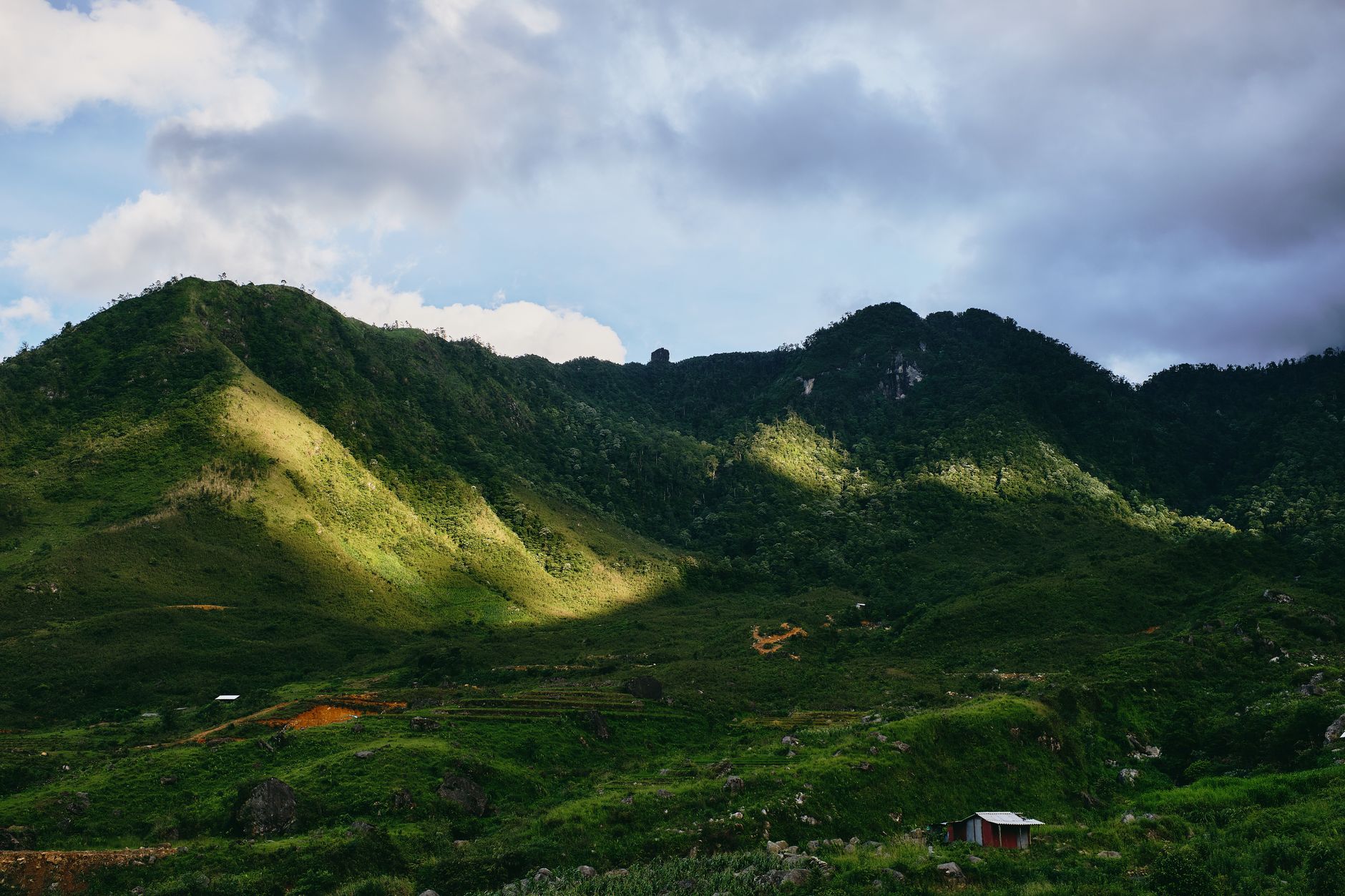
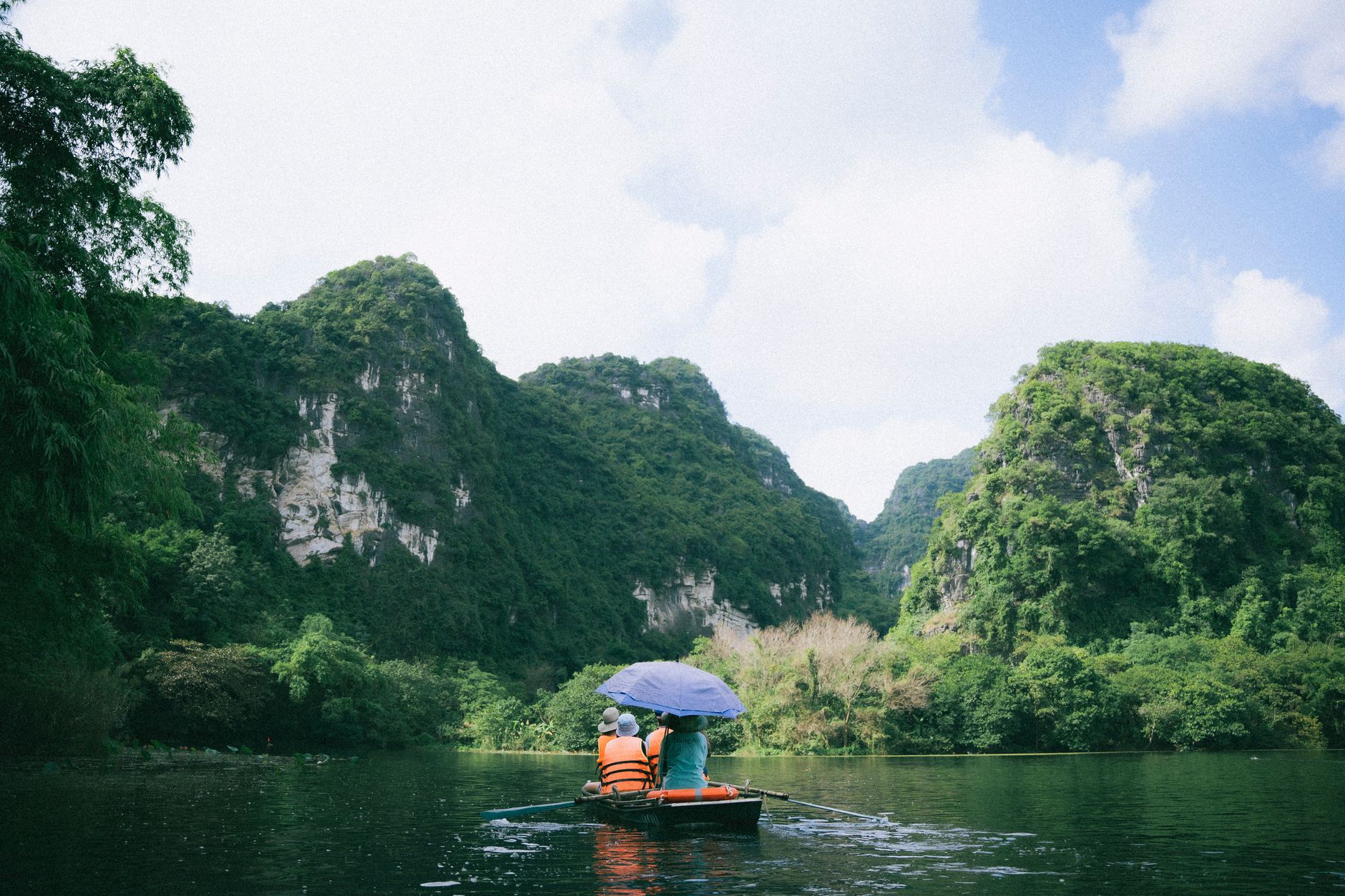
The cave sits in Dam Thuy commune, Trung Khanh district, about 3 km north of Ban Gioc Waterfall. The surrounding landscape is classic northeastern karst: sharp limestone towers, rice paddies wedged into narrow valleys, and rivers cutting through everything.
Why travelers go
The scale is the draw. Nguom Ngao's main chamber opens up to roughly 40-60 meters wide in places, with ceilings high enough that your headlamp beam fades before it reaches the top. The stalactite and stalagmite formations are genuinely impressive — some columns run floor-to-ceiling at 10+ meters, and there are curtain formations along the walls that look like draped fabric frozen in stone.
It also gets far fewer visitors than comparable caves in places like Ha Long Bay or Phong Nha. On a weekday outside of summer, you might have stretches of the walkway entirely to yourself.
Best time to visit
The cave itself is a consistent 18-22°C year-round, so interior conditions don't change much. But the trip to get here matters.
September to November is the sweet spot. The rice terraces around Trung Khanh are golden or green, Ban Gioc Waterfall is at full volume from the rainy season, and the worst of the summer downpours have eased. Roads are generally passable.
December to February is dry and cooler — sometimes dropping to 8-10°C at night in Cao Bang town. The waterfall thins out, but the cave is unchanged and crowds are minimal.
Avoid June-August if you can. This is peak domestic tourism season and also peak rain. The mountain roads between Cao Bang town and Trung Khanh can get slippery, and fog sometimes rolls through the passes.
How to get there
The nearest major hub is Hanoi, about 350 km south.
Hanoi to Cao Bang town
- Bus: Sleeper buses run from My Dinh or Nuoc Ngam bus stations. The ride takes 7-8 hours and costs 250,000-350,000 VND. Thanh Cong and Kumho are two common operators. Departures throughout the day, with overnight options.
- Motorbike: Many travelers riding the Ha Giang loop extend their trip east to Cao Bang. The ride from Hanoi (하노이 / 河内 / ハノイ) is a full day on QL3 or QL4, depending on your route.
Cao Bang town to the cave
- Motorbike: About 90 km north from Cao Bang town to Trung Khanh, then another 3 km to the cave. The road (QL206) is paved and in decent shape. Allow 2-2.5 hours one way.
- Car/taxi: You can hire a car and driver in Cao Bang town for a day trip covering both Ban Gioc and Nguom Ngao. Expect to pay 1,200,000-1,500,000 VND for the round trip.
- Organized tour: Guesthouses in Cao Bang town arrange day trips for roughly 500,000-700,000 VND per person including transport and entry fees.
Entry to the cave costs 40,000 VND for adults.

Photo by Manh Pham on Pexels
What to do
Walk the full cave route
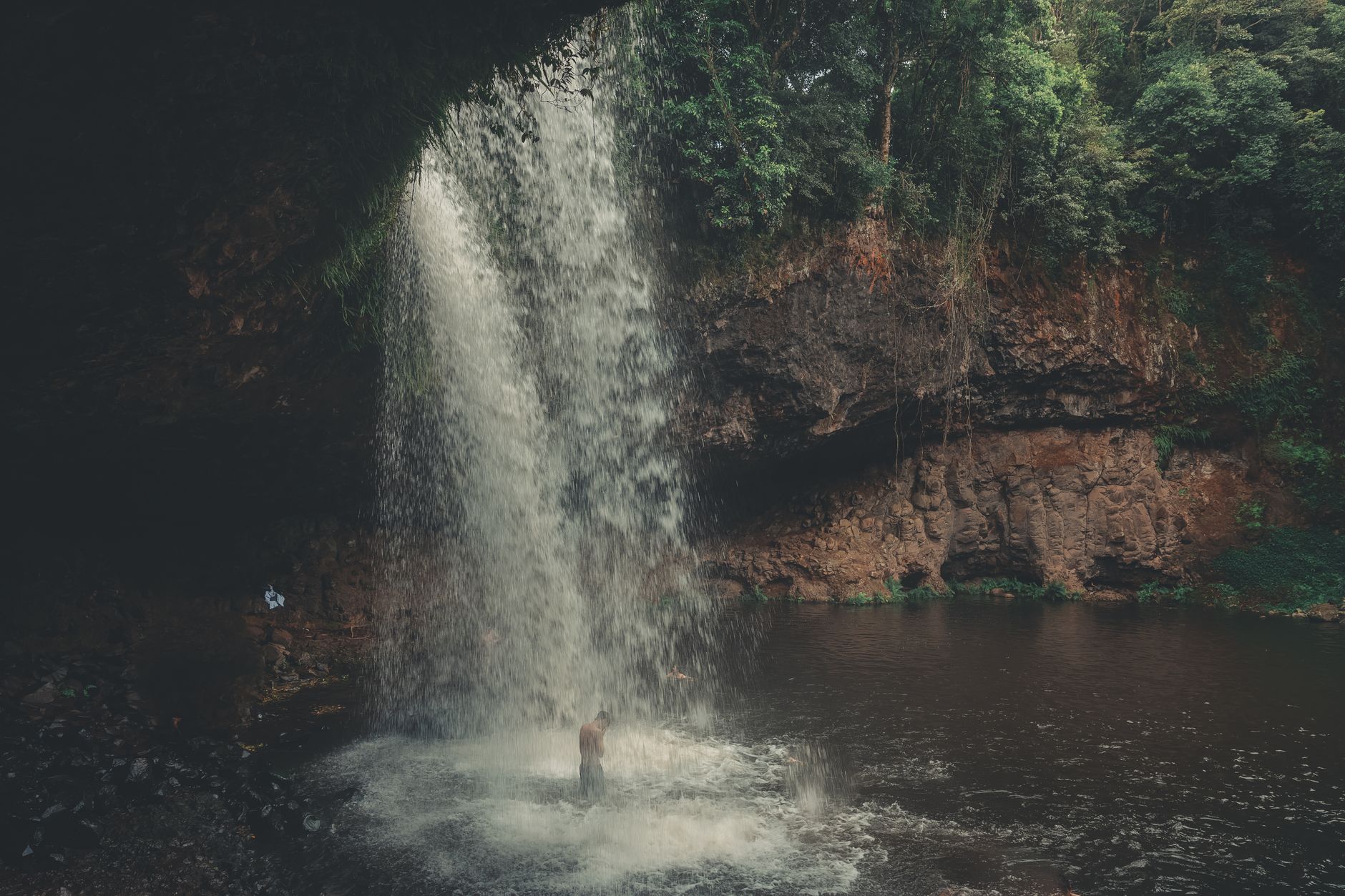
The paved pathway runs just under 1 km into the cave and loops back. Budget 45-60 minutes. The lighting inside shifts between colors — it's a bit heavy-handed in places, but the formations speak for themselves. The "fairy waterfall" section near the back, where water trickles down a stepped formation, is worth pausing at.
Look for the second entrance
There's an upper entrance to the cave system that opens onto a hillside with a view over the valley. Not all visitors find it — ask at the ticket booth if the upper trail is open. It's a short but steep climb, maybe 15 minutes.
Combine with Ban Gioc Waterfall
Ban Gioc is only 3 km away. Most people do both in a single morning or afternoon. Hit the cave first — it's less crowded before 10 AM — then head to the waterfall.
Explore Trung Khanh by motorbike
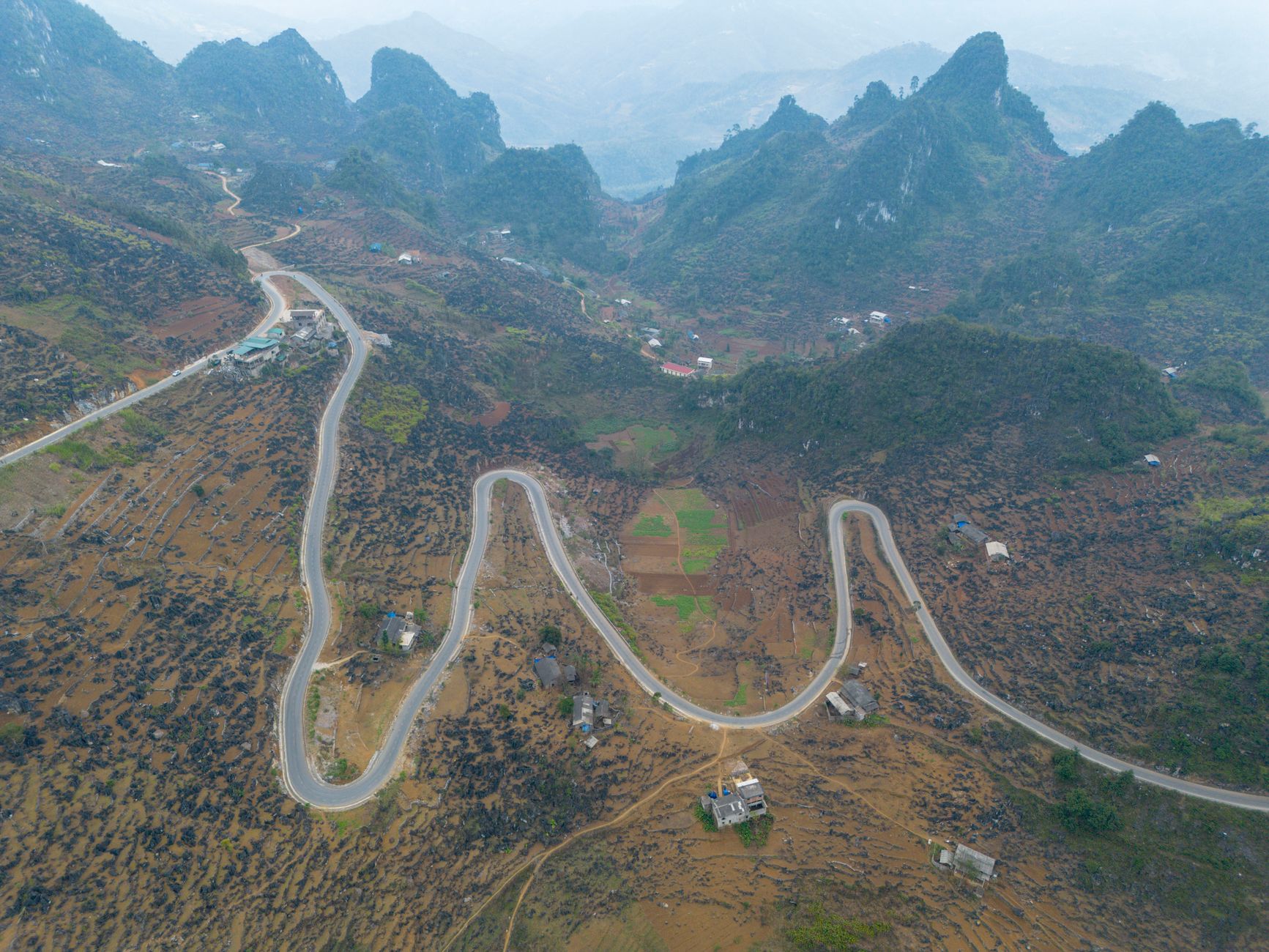
The roads around Trung Khanh are some of the best riding in the northeast. Limestone karst, river crossings, small Tay and Nung villages. The stretch from Trung Khanh to Quoc Toan (toward Ban Gioc) follows the Quay Son River and is particularly good.
Visit a Tay village
Several Tay ethnic minority villages sit near the cave. Stilt houses, tobacco drying on racks, kids on water buffalo — life here moves at a very different speed. Be respectful, ask before photographing people, and don't wander into homes uninvited.
Where to eat nearby
Trung Khanh is known for "banh cuon" — rice noodle rolls filled with minced pork and wood ear mushroom. The local version here uses thicker sheets than the Hanoi style and comes with a slightly sweeter dipping sauce. Look for small shops along Trung Khanh's main road; a plate runs 25,000-35,000 VND.
Also try roasted duck — Trung Khanh has a minor reputation for it. Small restaurants near Ban Gioc serve whole roasted duck with ginger dipping sauce for around 250,000-350,000 VND, enough for two or three people. Pair it with "bia hoi" if they have it.
Where to stay
Most travelers base in either Cao Bang town or near Ban Gioc.
- Cao Bang town: Basic hotels and guesthouses line the main streets. Clean rooms with hot water and Wi-Fi start around 200,000-350,000 VND/night. Nothing fancy, but functional.
- Ban Gioc area: A handful of homestays and small hotels have popped up within a few kilometers of the waterfall. Prices range from 300,000-600,000 VND for a double room. Some homestays offer meals — worth taking, since restaurant options are limited after dark.
- Trung Khanh town: A middle option. A few guesthouses here charge 150,000-300,000 VND/night.
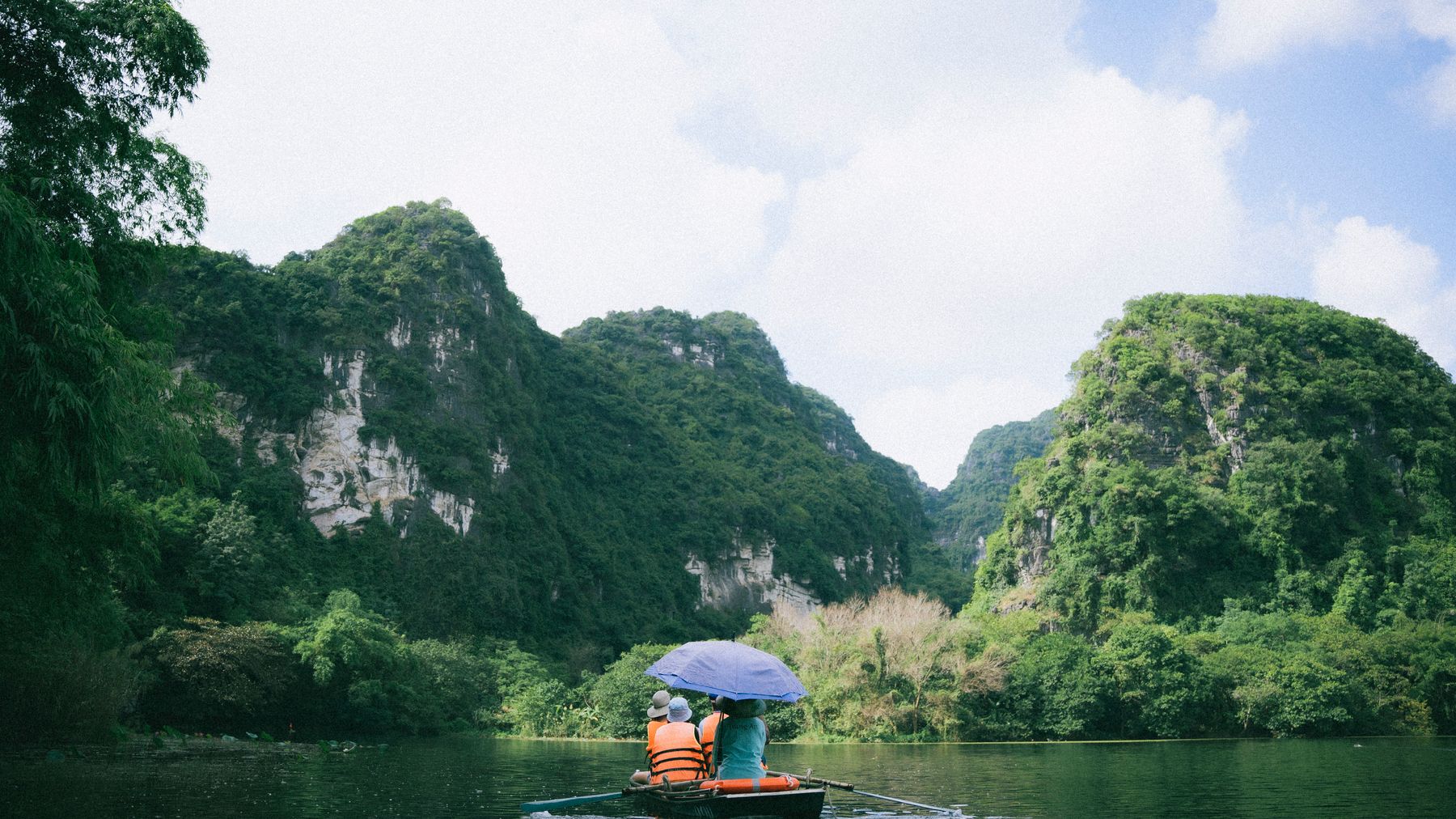
Photo by Bid on Pexels
Practical tips locals would tell you
- Wear proper shoes. The cave floor is wet and slippery in places despite the paved path. Flip-flops are a bad idea.
- Bring a light layer. The cave interior sits around 20°C — pleasant, but noticeably cooler than outside in summer. You'll want something on your arms.
- Arrive early. Tour groups from Cao Bang tend to hit the cave between 10 AM and 2 PM. Get there at 8 AM when the gate opens and you'll have the place nearly to yourself.
- Carry cash. There are no ATMs near the cave. The closest reliable ATMs are in Trung Khanh town or back in Cao Bang town.
Mistakes to avoid
- Rushing through for Ban Gioc. Spending 20 minutes in the cave and then bolting to the waterfall misses the point. Give it at least an hour.
- Skipping it entirely. Some itineraries treat Nguom Ngao as optional. If you've already driven 90 km from Cao Bang town, the extra 3 km detour is negligible.
- Visiting only in peak summer. July and August bring the biggest crowds and the worst road conditions. Shoulder season is better in every way.
- Not fueling up. Fill your motorbike tank in Trung Khanh. Fuel stops between there and Ban Gioc are unreliable.
Practical notes
Dong Nguom Ngao won't make the highlight reel the way Ha Long Bay or Sapa might, but it's one of the most rewarding stops in the northeast for anyone willing to make the drive. Pair it with Ban Gioc, budget a full day for the Trung Khanh area, and don't rush.
Last updated · May 29, 2026 · independently researched, never sponsored.