There are grilled chickens all over Vietnam (베트남 / 越南 / ベトナム), and then there is "ga nuong cam" — the orange-glazed, wood-fire-kissed bird that comes out of the highlands around Sapa and Bac Ha with a flavor profile that feels genuinely its own. If you've only encountered it at a tourist-facing restaurant in Hanoi, you've probably had a pale imitation. This guide covers what the dish actually is, where it comes from, how the variants differ, and how to order it without guessing.
What Ga Nuong Cam Actually Is
The name breaks down simply: ga (chicken), nuong (grilled), cam (orange). But the dish is more layered than the name suggests. The base is a whole chicken — or more commonly a half or quartered bird — marinated in a mixture of fresh orange juice, orange zest, lemongrass, fish sauce, garlic, and a pinch of turmeric that gives the skin its amber tone. The marinade sits for at least two hours, often overnight in highland kitchens where temperatures are cool enough to do this without refrigeration.
The cooking method matters as much as the marinade. Traditionally, the bird goes over a wood or charcoal fire low and slow, basted repeatedly with the remaining marinade as it cooks. The sugars in the orange juice caramelize against the heat, creating a lacquered skin that cracks when you bite it. The interior stays moist because highland chickens — typically free-range breeds from Hmong and Dao villages — carry more fat than commercial lowland birds.
It is almost always served with "xoi" (sticky rice), specifically the colored sticky rice varieties common in the north: purple from gac fruit, green from pandan, or plain white. A dipping sauce of salt, pepper, lime juice, and sometimes fresh chilies comes alongside.
Where It Comes From
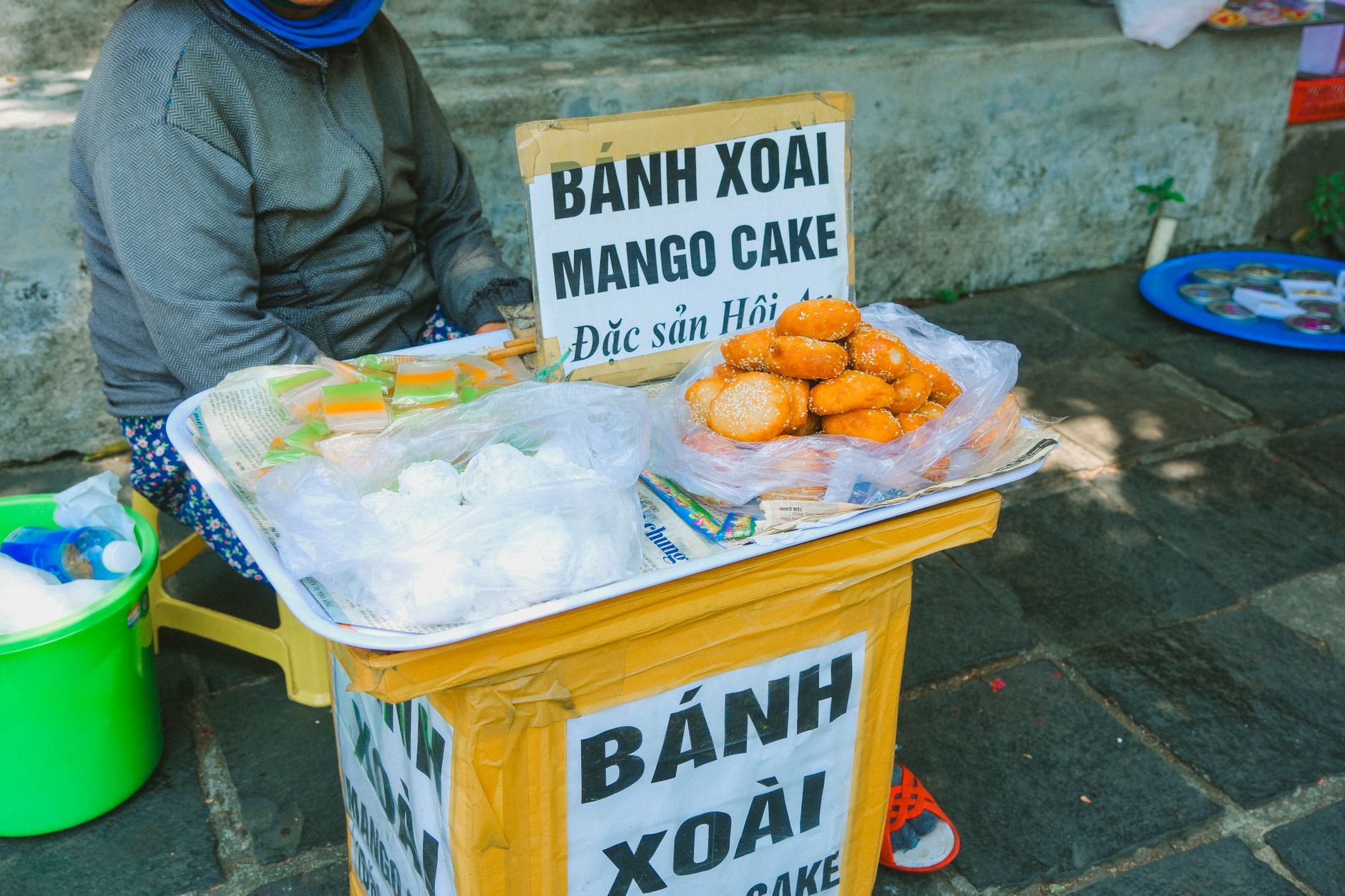
Ga nuong cam is most strongly associated with the highlands of Lao Cai province — the region that includes Sapa (사파 / 沙坝 / サパ) and the Bac Ha plateau. The dish isn't ancient in a documented historical sense; it doesn't appear in imperial court records the way some Hue dishes do. It's a village-market food that evolved from the practical reality of highland life: free-range chickens, citrus trees growing at elevation, wood fires, and the need for something that travels well to the weekly market.
Bac Ha's Sunday market is where many visitors first encounter it. Vendors set up grills from early morning, and by 8am the smoke from split orange wood and charcoal is thick enough to navigate by. The chickens here are the genuine Meo Vac or Ban Ten breed — smaller, darker-fleshed birds that take longer to cook but have a deeper flavor than anything raised industrially.
Over the past decade, the dish has migrated south as highland cooking has gained more attention in Hanoi and Saigon's restaurant scenes. That migration has brought both quality interpretations and a fair amount of shortcuts.
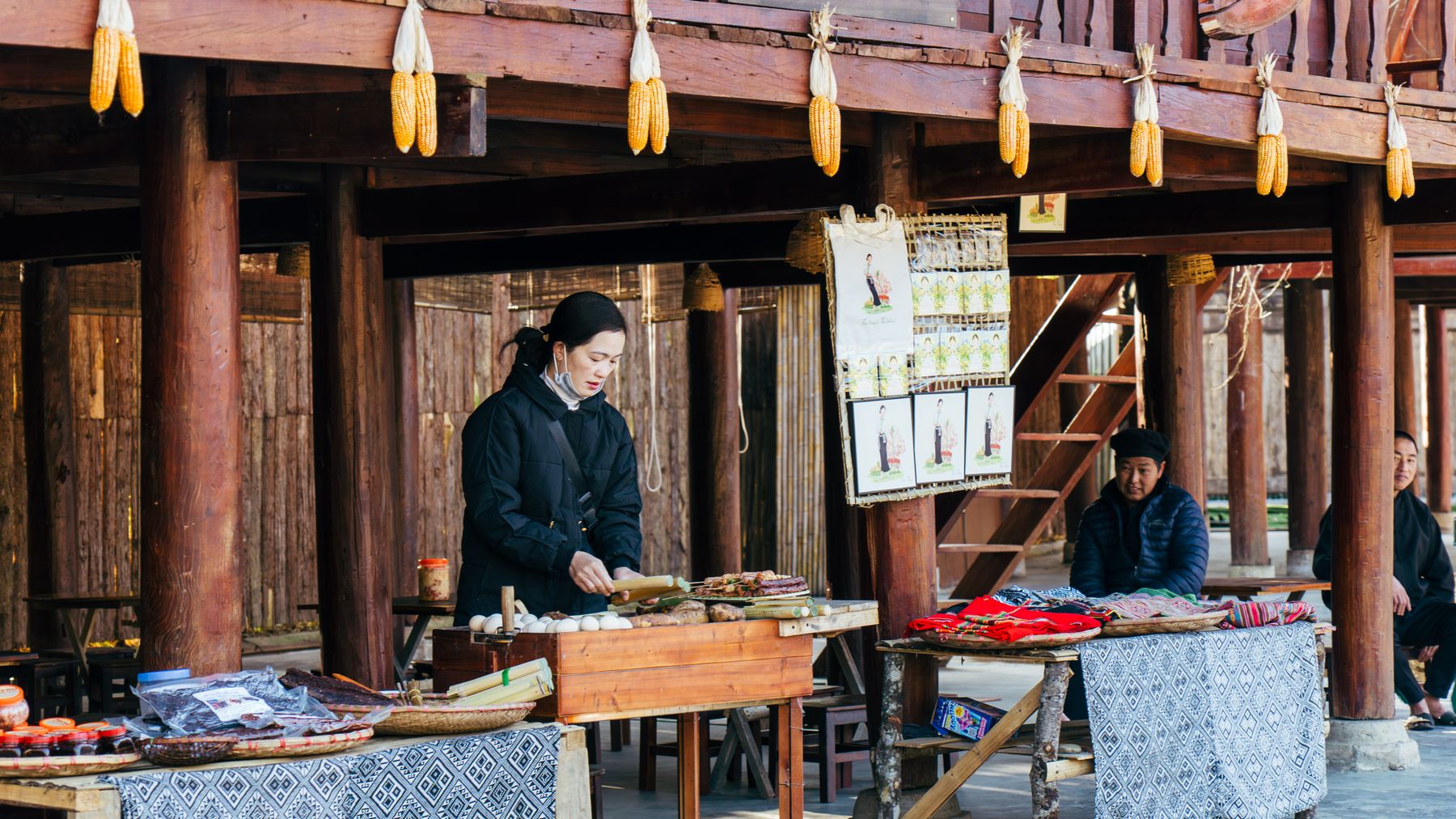
Photo by Gibson Chan on Pexels
The Main Variants
Classic Highland Style
The original. Whole free-range chicken, wood fire, overnight marinade heavy on the zest. Served with purple or plain sticky rice and salt-pepper-lime dip. Found at Bac Ha market stalls and roadside spots on the road between Sapa and the Bac Ha plateau. Expect to pay 120,000–180,000 VND for a half chicken with xoi.
Hanoi Restaurant Version
Hanoi has absorbed ga nuong cam into its broader northern grill repertoire. The better versions use imported highland chicken and keep the orange marinade close to the original. Some places add honey to push the glaze sweeter, which works reasonably well. Prices jump to 180,000–250,000 VND per half bird. Quality varies sharply — the marinade-to-grill ratio matters, and some spots over-sauce to compensate for weaker birds.
Southern Adaptation
In Saigon, the dish appears occasionally on menus that specialize in northern Vietnamese cooking. The southern version tends to be sweeter, sometimes adding sugar cane juice to the marinade alongside orange, and the chicken is often younger and more tender but less flavorful. It pairs here with broken rice — "com tam" — rather than sticky rice, which changes the character of the meal considerably. It works, but it's a different dish in practice.
Fusion/Modern Versions
Some farm-to-table style restaurants in Da Lat have experimented with ga nuong cam using local highland oranges that are notably more tart than lowland varieties. These versions lean acidic rather than sweet, which is interesting if you find the standard version cloying. Worth trying if you're already in Da Lat — the oranges there are genuinely different.
How to Order It Well
A few things worth knowing before you sit down:
Ask about the chicken breed. The phrase is ga ta (native/local chicken) versus ga cong nghiep (commercial chicken). You want ga ta. It costs more and takes longer but the difference is not subtle.
Order ahead if you can. At proper highland spots, the overnight marinade is non-negotiable. Show up without a reservation or pre-order at some stalls and you'll get a chicken that's been marinading for two hours, which produces a different result. Calling ahead by one day is worth doing.
Don't skip the salt dip. The dipping mixture of muoi, tieu, chanh (salt, black pepper, lime) is not decorative. The fat from the chicken skin and the acid from the dip are doing complementary work.
Pair it with bia hoi if you're in the north. The light, fresh draft beer cuts through the richness of the glazed skin better than anything bottled.

Photo by Vietnam Tri Duong Photographer on Pexels
Where to Try the Canonical Version
Bac Ha Sunday Market, Bac Ha — The most honest version you'll find anywhere. Multiple vendors set up identical-looking grills; look for the ones with the longest queue and the darkest smoke. No fixed prices posted — ask before you sit, and budget around 150,000 VND for a half bird with xoi. The market runs Sunday only.
Ga Nuong Cam Hong Phuong, Sapa — A small, semi-permanent spot on Ngu Chi Son street that has been running for over a decade. They use Ban Ten chickens sourced from villages in the valley below and maintain a wood-fire grill year-round. Around 160,000 VND for a half chicken. Busy on weekends; arrive before noon.
Quan Bac, Hanoi (Dong Da district) — A northern-food specialist that does one of the more credible Hanoi versions, using highland chicken sourced twice weekly. The sticky rice here is the purple xoi nep cam variety, which pairs particularly well with the citrus glaze. Around 220,000 VND for a half bird. Closed Mondays.
Practical Notes
If you're planning a trip to Sapa specifically to eat, the best highland chicken will always be at the source — Bac Ha on Sundays or village market days across Lao Cai province. The Hanoi and Saigon versions are worth ordering but treat them as a reference point, not the definitive experience. Bring cash to market stalls; card readers are rare outside the tourist-facing restaurants.
Last updated · May 29, 2026 · independently researched, never sponsored.