Hanoi's food scene is accidentally gluten-friendly in a lot of ways — rice noodles, rice paper, fresh herbs — but navigating it without accidentally inhaling soy sauce or wheat-based thickeners takes some groundwork. Here's what actually works.
Naturally GF Dishes Worth Knowing
Before you go hunting for dedicated GF restaurants, it helps to know that a chunk of Hanoi (하노이 / 河内 / ハノイ)'s street food is already safe by default. "Pho" — the city's signature beef or chicken noodle soup — uses banh pho noodles made from rice flour. The broth is typically bone-based and clean. Watch out for condiment stations with soy sauce or hoisin, which contain wheat; just skip those or ask for them on the side.
"Bun cha", the grilled pork and rice vermicelli dish Anthony Bourdain made famous after his 2016 meal with Barack Obama near Hoan Kiem, is another solid pick. The dipping broth is fish sauce, vinegar, sugar, and water — no wheat in the core recipe, though some places add a splash of soy sauce to the marinade. Specifying "khong co nuoc tuong" (no soy sauce) at least signals your concern.
"Goi cuon" — fresh spring rolls in rice paper — are typically GF as long as you swap the peanut dipping sauce (which often contains hoisin) for straight fish sauce with lime. "Banh cuon", the steamed rice rolls filled with pork and mushroom, are made from rice flour and are almost always safe, though fried shallots on top occasionally come from shared oil. If you have celiac rather than a preference, that distinction matters.
What to be cautious about: "banh mi" (wheat baguette, obviously), any dish with thick dark sauces, and "cha gio" — the fried spring rolls, which use wheat-based wrappers rather than rice paper.
Restaurants with Genuine GF Awareness
The Hanoi Social Club
On Hoi Vu Street in the Old Quarter area, this place has been an expat anchor for years. The kitchen is familiar with dietary restrictions and the menu labels allergens, which is still rare in Hanoi. Brunch runs around 150,000–200,000 VND a dish. The staff actually understand what gluten is — not a given.
Nén Da Lat — Hanoi Branch
Focused on Da Lat (달랏 / 大叻 / ダラット) highland ingredients, this restaurant keeps its menu seasonal and relatively simple. Several dishes are naturally GF and the team is used to fielding questions from international diners. A meal for two lands around 400,000–600,000 VND including drinks.
Green Mango (Hang Be area)
A mid-range Vietnamese restaurant with a westernized menu structure that makes it easier to identify safe options. They've been dealing with dietary-restriction customers long enough that "no gluten" doesn't result in a blank stare. Expect around 120,000–180,000 VND per main.
Highway4 (Various locations, Hang Tre is reliable)
Traditional Vietnamese with a solid drinks program. Many of the stewed and clay-pot dishes are rice-based. The staff at the Hang Tre location in particular are trained to handle allergy questions — ask to speak with someone in the kitchen if you're uncertain about a specific dish.

Photo by Pragyan Bezbaruah on Pexels
Cafes That Get It
Hanoi's cafe culture runs deep. "Vietnamese coffee" — strong, dark, filtered through a phin — is inherently GF, and most specialty cafes in the city deal in black coffee and milk-based drinks that are safe. "Egg coffee", the city's most distinctive offering, is made from egg yolk, sugar, and condensed milk whipped over coffee. Inherently wheat-free.
Cafe Pho Co (off Hang Gai) and Loading T Cafe (Dinh Tien Hoang) both serve egg coffee on their rooftops with no gimmicks. No gluten required.
For expat-favorite cafes with GF snacks alongside coffee: The Note Coffee near Hoan Kiem has options; Tranquil Books & Coffee (Yen The, Tay Ho) stocks a small selection of GF baked goods and is used to allergy conversations. Tay Ho — the expat-heavy lakeside district — is generally your best bet for cafes that stock GF alternatives.
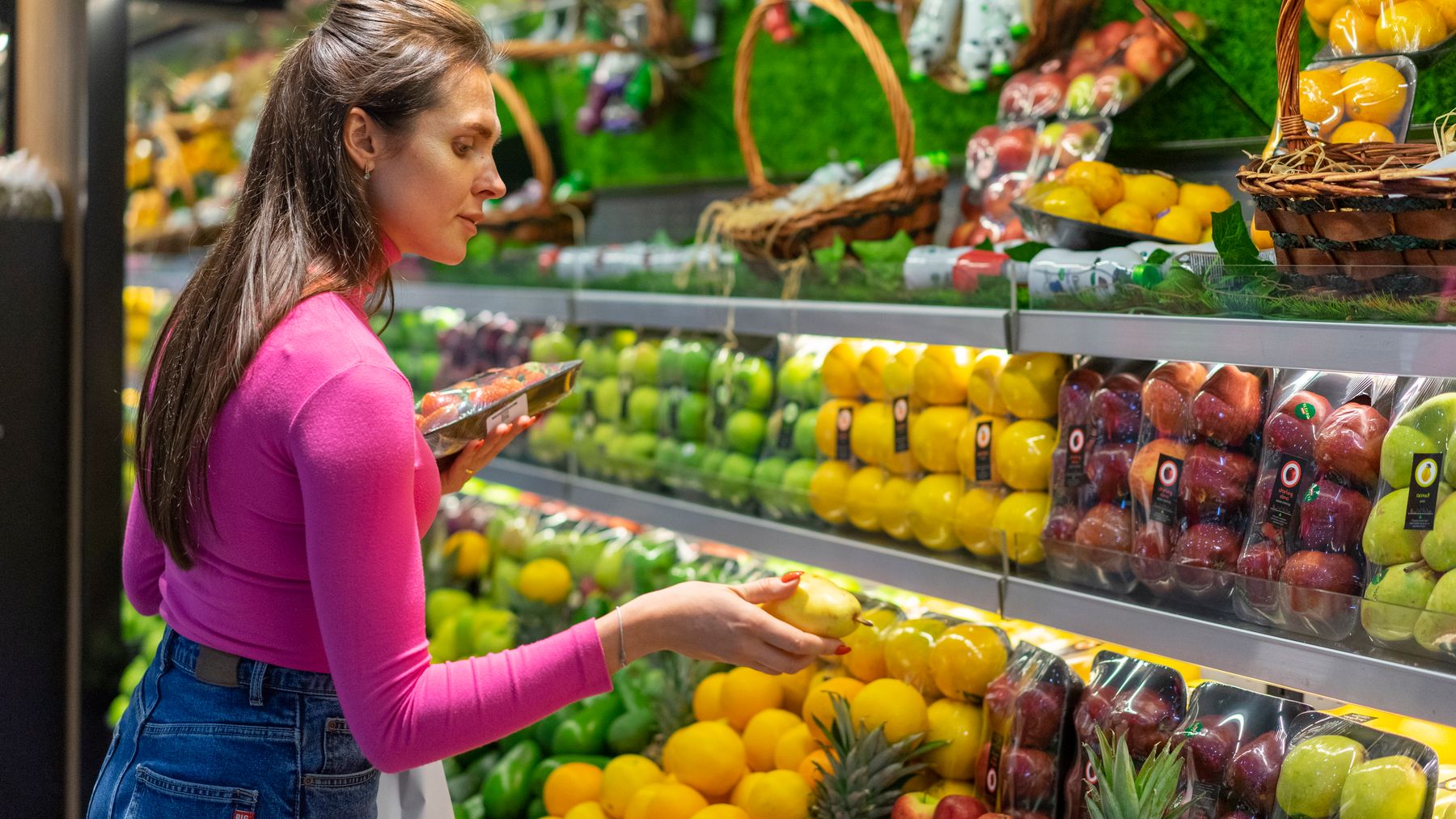
Photo by Atlantic Ambience on Pexels
Where to Buy GF Baking Ingredients
This is where Hanoi gets genuinely useful for longer-stay visitors or expats who cook.
Annam Gourmet (multiple locations, the Xuan Dieu branch in Tay Ho is the most stocked) carries imported GF pasta, GF flour blends, GF crackers, and sometimes GF bread. Prices are import-steep — GF pasta runs around 90,000–130,000 VND per pack — but the selection is reliable. They also carry tamari (GF soy sauce alternative), which is a useful find.
Organica (Ba Trieu and Xuan Dieu branches) focuses on organic and health foods and stocks local rice flour, tapioca starch, and some GF-labeled imported products. It's cheaper than Annam for basics.
Big C and Vinmart carry rice flour and tapioca starch in the baking aisle — these are standard Vietnamese pantry staples, so they're cheap and widely available (around 15,000–30,000 VND per bag). Not labeled GF but naturally so.
Dong Xuan Market in the Old Quarter is useful for bulk rice flour and tapioca at the lowest prices you'll find in the city. It's a wholesale market, so quantities are large, but vendors will often sell smaller amounts if you ask.
For online ordering, several Facebook groups for Hanoi expats (search "Hanoi Expats" or "Foodies Hanoi") regularly share sources for specialty GF imports — some community members run informal bulk-buy orders from Thailand or Singapore for items not stocked locally.
Practical Notes
The Vietnamese phrase "toi khong an duoc bot mi" (I can't eat wheat flour) gets you further than "gluten-free", which few street vendors will recognize. Celiac disease is a different level of concern from a preference — cross-contamination is essentially uncontrollable at street-food stalls, so if you're medically strict, stick to the restaurant options above. Tay Ho district remains the most reliable neighborhood for GF-aware dining and shopping in one go.
Last updated · May 29, 2026 · independently researched, never sponsored.