Eating your way through northern Vietnam (베트남 / 越南 / ベトナム) requires more than just a healthy appetite; it demands a strategy. The culinary landscape shifts dramatically from the refined, herb-forward broths of Hanoi to the hearty, warming stews of the Sapa highlands, and finally to the briny, garlic-heavy seafood of the Gulf of Tonkin.
This 10-day itinerary connects these three distinct food regions using reliable limousine buses and trains, ensuring you spend less time navigating and more time eating.
Day 1 — Hanoi: Old Quarter Essentials
Start your journey in the capital. After checking into your hotel in the Old Quarter, head straight for a bowl of "pho" bo (beef noodle soup). Skip the tourist-heavy spots and find a corner stall like Pho Gia Truyen on Bat Dan Street, where the broth is simmered for over ten hours. A bowl costs about 55,000 VND.
In the afternoon, navigate the narrow alleyways to Giang Cafe on Nguyen Huu Huan Street. This is the birthplace of "egg coffee (에그커피 / 蛋咖啡 / エッグコーヒー)" ("ca phe trung"), a rich concoction of robusta coffee topped with a whipped meringue of egg yolk and condensed milk (35,000 VND).
As dusk falls, make your way to the intersection of Ta Hien and Luong Ngoc Quyen. While touristy, this is the classic spot to grab a low plastic stool and order a glass of "bia hoi" (fresh draft beer) for 10,000 VND, paired with fried tofu and fermented pork skewers ("nem chua ran").
Day 2 — Hanoi: Backstreet Bites and Charred Pork
Begin the morning with "banh cuon" (steamed rice rolls stuffed with minced pork and wood ear mushrooms) at Banh Cuon Ba Hoanh on To Hien Thanh Street. Watch the cooks spread the thin batter over steam sheets with incredible speed.
For lunch, seek out "bun cha", Hanoi's iconic lunch dish of charcoal-grilled pork patties swimming in a warm, tangy fish sauce broth, served with cold rice vermicelli and a mountain of fresh herbs. Head to Bun Cha Dac Kim on Duong Thanh Street. Order the combo that includes "nem cua be" (fried crab spring rolls).
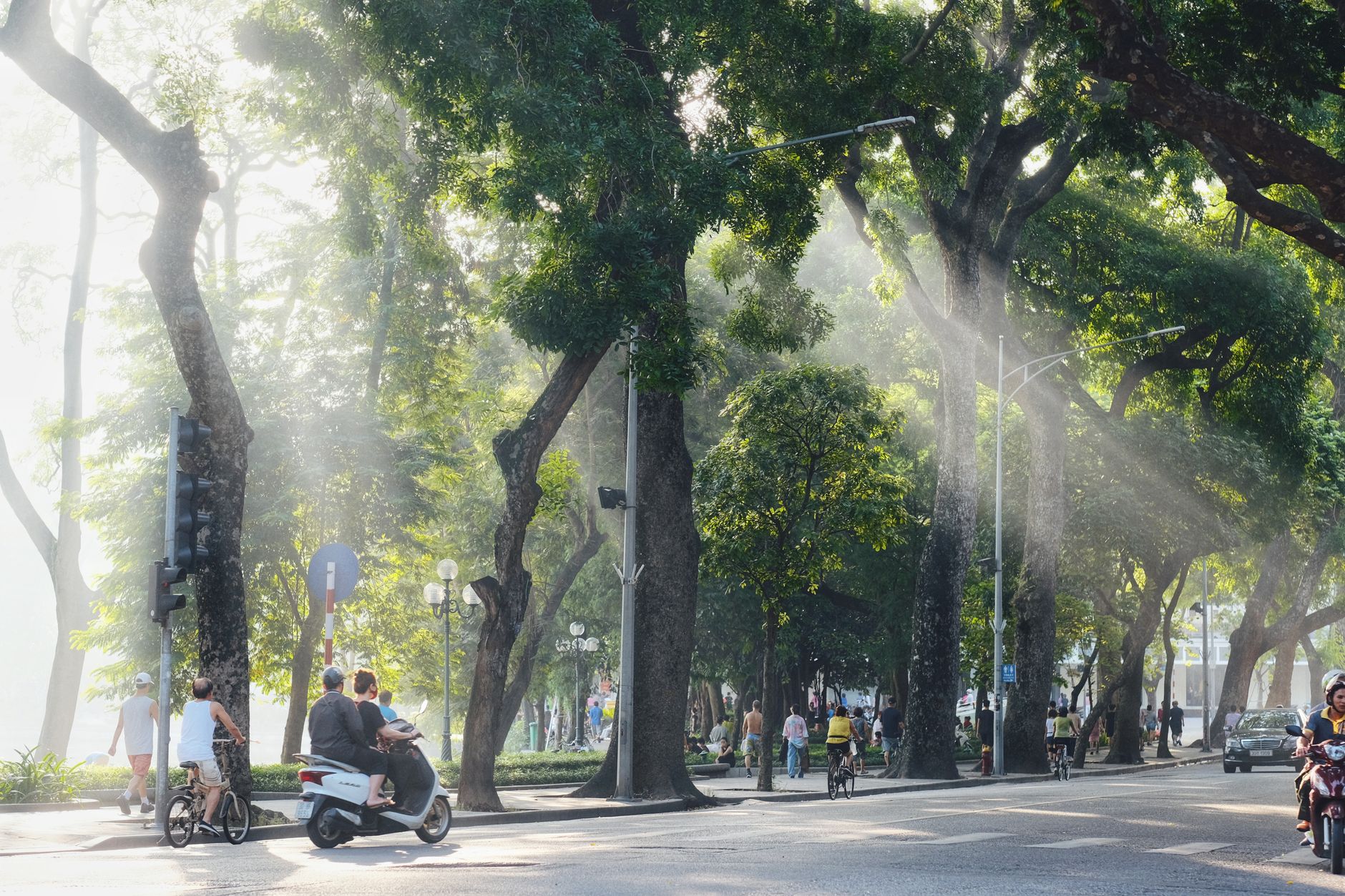
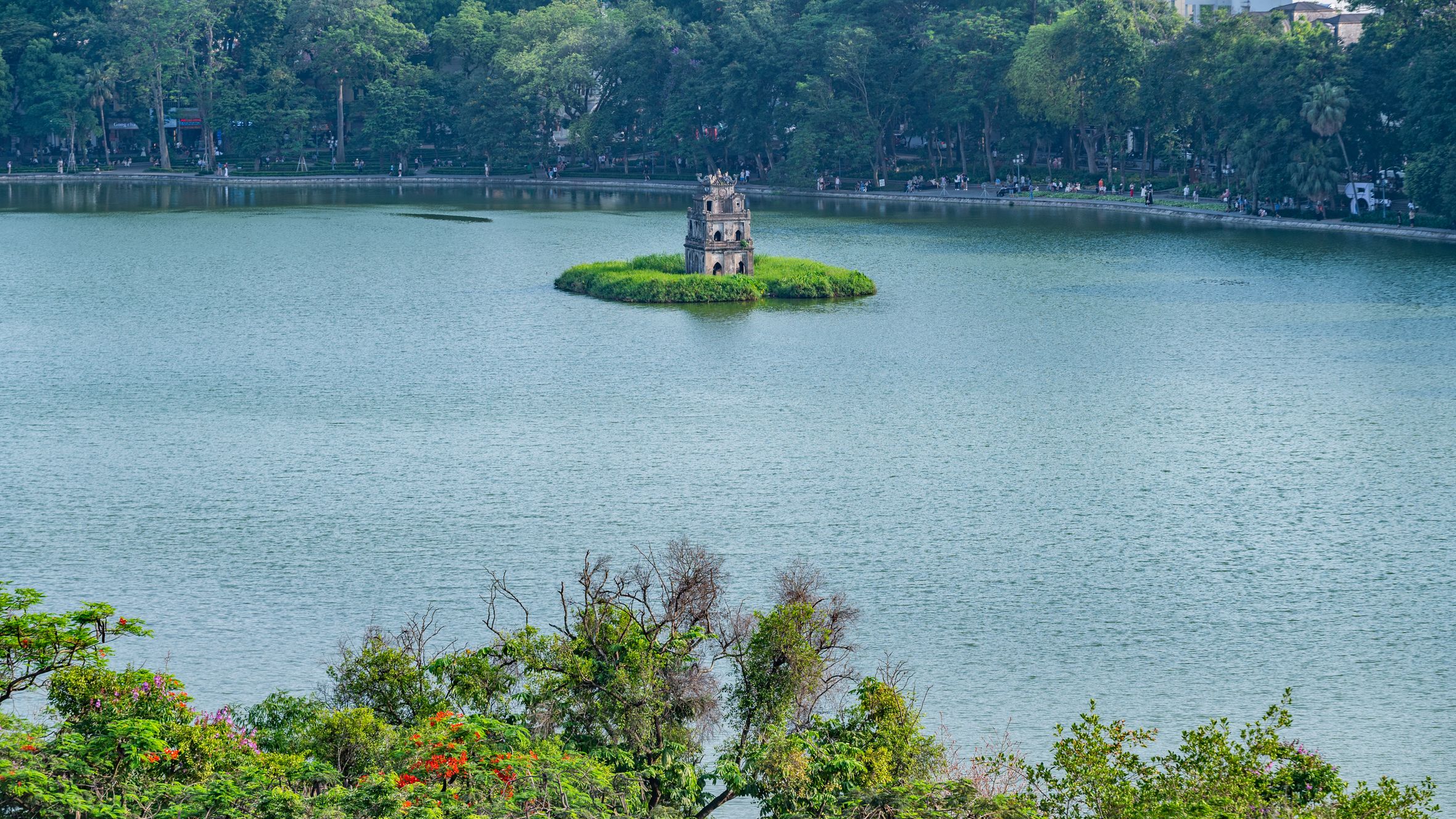
Spend your afternoon exploring the quiet streets around West Lake, stopping for a cup of traditional lotus tea before heading back to the Old Quarter for a late-night bowl of "bun thang"—a delicate chicken noodle soup topped with shredded egg, pork roll, and a drop of aromatic beetle essence.
Day 3 — Hanoi to Sapa: The Mountain Ascent
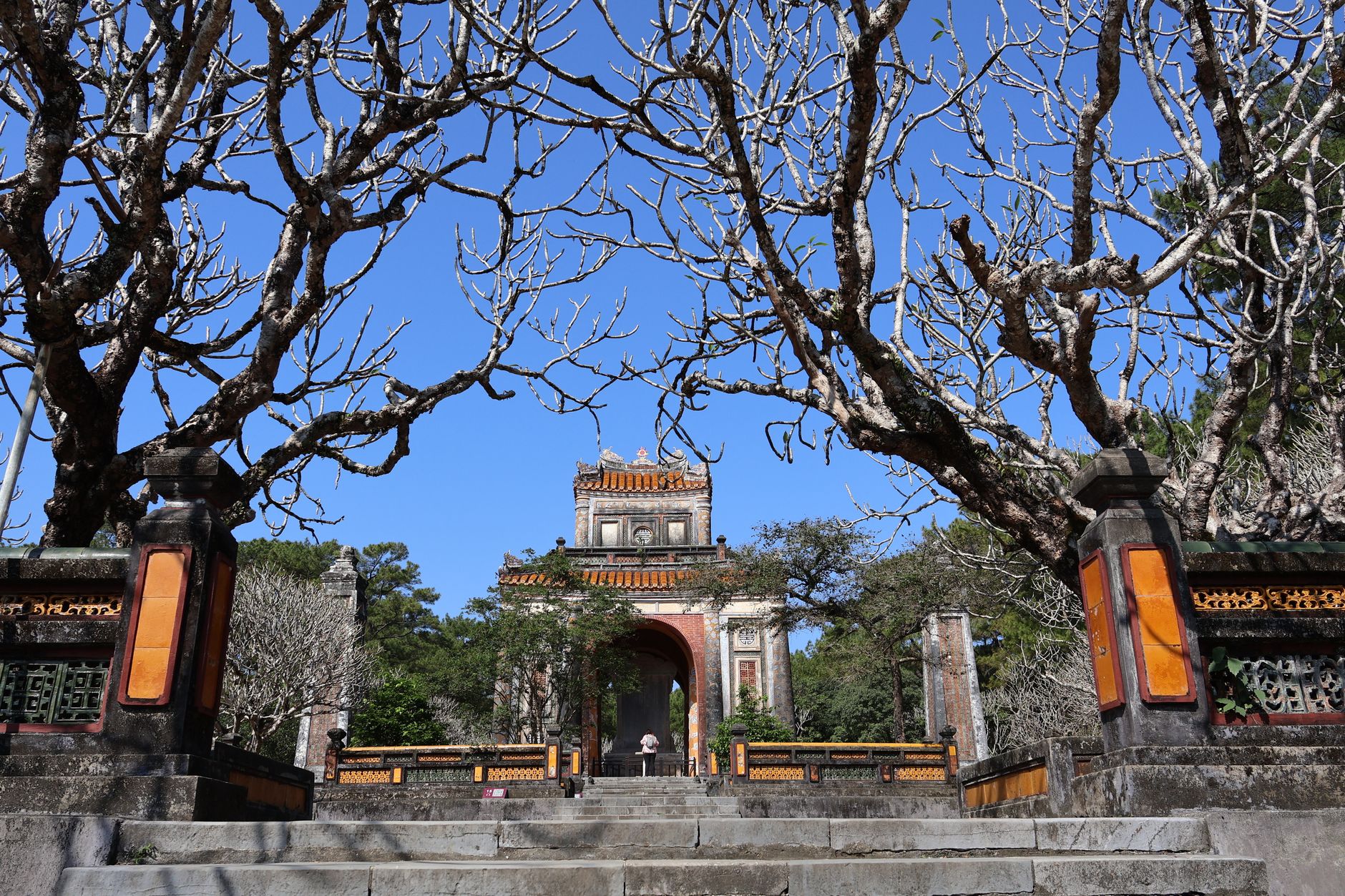
Spend your morning visiting the Temple of Literature or walking across the historic Long Bien Bridge. For lunch, try "cha ca"—turmeric-marinated catfish fried tableside with dill and spring onions, eaten with rice noodles, peanuts, and fermented shrimp paste.
At 10:00 PM, board the overnight sleeper train from Hanoi Railway Station to Lao Cai. The journey takes about 8 hours. A soft-sleeper cabin ticket costs roughly 650,000 VND. Alternatively, you can book a luxury cabin bus that departs at midnight and takes you directly to Sapa via the expressway in about 6 hours.
Day 4 — Sapa: High-Altitude Sturgeon Hotpot
If you took the train, you will arrive in Lao Cai around 6:00 AM. Grab a shared minivan for the winding 35 km climb up to Sapa town (approx. 50,000 VND). The air here is instantly cooler and crisper.
After checking in, warm up with a bowl of highland noodle soup featuring local black pork. Spend the afternoon walking through the terraced fields of Cat Cat or Lao Chai village.
For dinner, gather around a bubbling pot of "lau ca tam" (sturgeon hotpot). Sturgeon is farmed in the cold mountain streams here. The broth is sour and spicy, packed with local wild vegetables, mushrooms, and fresh river fish. A pot for two costs around 400,000 VND at restaurants along Xuan Vien Street.
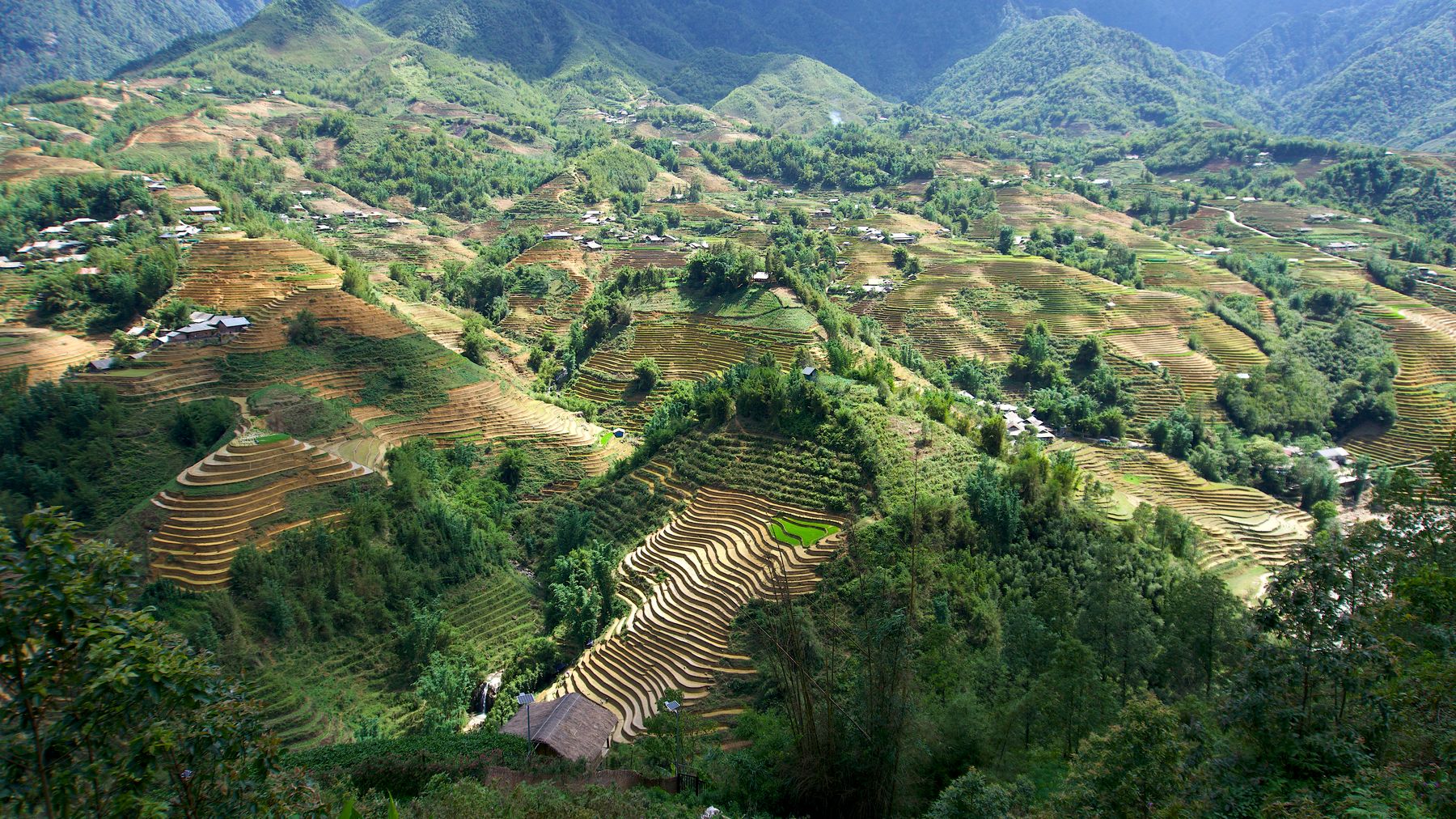
Photo by Duong Nguyen on Pexels
Day 5 — Sapa: Hmong Flavors and Street Skewers
Spend the morning exploring the local market. Look for Hmong women selling wild herbs, cardamom pods, and "thang co"—a traditional Hmong stew made from horse meat and viscera simmered with 12 local spices. It has a strong, earthy flavor that is an acquired taste, but essential for adventurous foodies.
In the evening, head to the steps near the stone church. The cool mountain night is perfect for "do nuong" (street skewers). Choose from beef wrapped in local mustard greens ("cai meo"), pork belly, mushrooms, and sweet potatoes, all grilled over hot coals and brushed with honey and chili.
Day 6 — Sapa to Hanoi: The Return Leg
Take a morning walk up Ham Rong Mountain for a view over the town, or ride the cable car up to Fansipan peak if the weather is clear.
At 2:00 PM, board a luxury limousine bus back to Hanoi. The 320 km trip takes about 5.5 hours along the Noi Bai - Lao Cai highway, costing around 400,000 VND. You will arrive back in the capital just in time for a late-night bowl of beef pho or a crispy "banh mi" from Banh Mi 25 to fuel your transit night.
Day 7 — Hanoi to Ha Long: Coastal Transition
At 8:00 AM, take a limousine bus from Hanoi to Ha Long. The journey via the modern express highway takes only 2.5 hours (approx. 250,000 VND).
Once you arrive in Ha Long city, skip the cruise terminal crowds and head straight to the local eateries in the Hong Gai neighborhood. Your first stop must be "banh mi cha muc"—a local variation of the classic Vietnamese sandwich stuffed with freshly fried, chewy squid patties ("cha muc"), dill, and a sweet-spicy chili sauce.
Spend the afternoon walking along the Bai Chay beach road or visiting the Quang Ninh Museum to understand the coal-mining history of the region.

Photo by Vietnam Hidden Light on Pexels
Day 8 — Ha Long: Seafood Markets and Sea Snails
Wake up early and head to the Ha Long fish market near the Bai Tho mountain. Watch the fishing boats unload their catch: blue crabs, geoducks, mantis shrimp, and endless varieties of shellfish.
For lunch, find a local restaurant serving "bun be be" (noodle soup with sweet mantis shrimp broth, topped with peeled shrimp, fried tofu, and tomatoes).
In the evening, do as the locals do and visit a snail stall ("quan oc"). Order a variety of sea snails ("oc") steamed with lemongrass and ginger, or fried in a rich salted egg yolk sauce. Pair them with cold local beers and a plate of grilled oysters topped with scallion oil and crushed peanuts.
Day 9 — Ha Long to Hanoi: The Final Feast
Spend your morning on a short 4-hour day-boat cruise through the limestone karsts of Ha Long Bay, dodging the overnight tourist vessels. Most day boats serve a lunch of steamed shrimp, squid, and fish on board.
Disembark in the afternoon and catch a return limousine bus back to Hanoi. For your final dinner in the capital, book a table at a traditional home-style restaurant to try "thit kho tau" (braised pork belly) and "canh chua" (sour soup) to round out your northern culinary education.
Day 10 — Hanoi: Departure
Before heading to Noi Bai International Airport, make one last stop at a local cafe for a "ca phe sua da" (iced coffee with condensed milk). Pick up a bag of roasted robusta beans from a specialty shop in the Old Quarter as a souvenir of your journey.
Practical notes
- Transport booking: Use platforms like Baolau or Vexere to book your limousine buses and trains at least three days in advance, especially for the Hanoi-Sapa route.
- Best season: The best time for this loop is from September to November, when Sapa's rice terraces are golden and the weather in Hanoi and Ha Long is cool and dry.
- Budget: Expect to spend about 1,200,000 to 1,800,000 VND ($50–$75 USD) per day per person, covering mid-range boutique hotels, transport, and a heavy focus on street food and local restaurants.
Last updated · May 30, 2026 · independently researched, never sponsored.