Hanoi's plant-based dining scene used to mean a bowl of temple-style tofu and rice at a chay joint on a side street. That's still there — and still worth eating — but around Tay Ho and the West Lake area, a parallel scene has grown up over the last five years that draws expats, returning Vietnamese, and Hanoians who've stopped eating meat and want somewhere decent to do brunch on a Sunday.
This isn't a list of every vegan restaurant in the city. It's the spots worth making a trip for.
The Tay Ho Context
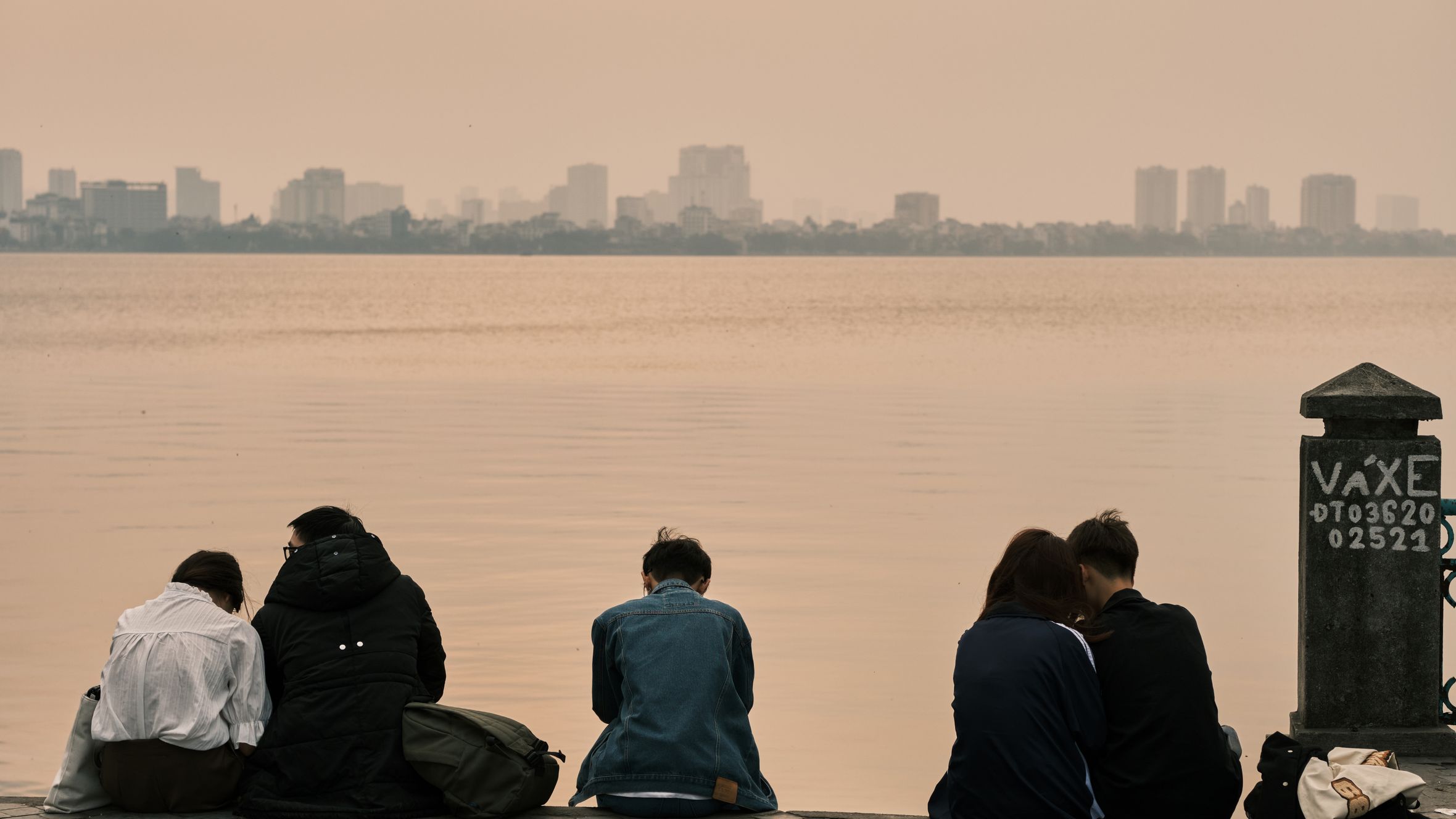
Tay Ho district — the peninsula that wraps around the western side of West Lake — is the unofficial expat hub of Hanoi (하노이 / 河内 / ハノイ). Rent is higher, foot traffic is mellower than the Old Quarter, and the cafe culture reflects that: more third-wave coffee, more avocado toast, more places where you can sit two hours without being stared at. For plant-based eating, this works in your favor. Owners here have built menus around dietary variety because their customers ask for it.
That said, the area isn't a bubble. Mix it with a walk along the lake, a visit to Tran Quoc Pagoda on the eastern shore, and you've got a full half-day.
Brunch Worth Waking Up For
Joma Bakery Cafe
Joma is a Laos-origin chain that has been anchored on Tay Ho's main drag (Xuan Dieu) long enough to count as a neighborhood institution. The plant-based options — grain bowls, avocado on sourdough, a decent smoothie menu — are consistent and reasonably priced at 80,000–130,000 VND a plate. The coffee is reliable. It's not trying to be cutting-edge, but it's the kind of place you come back to twice in the same trip because it works.
The Lofty
A quieter spot tucked one street back from the lake, The Lofty does proper brunch plates with clear labeling on what's vegan versus vegetarian. The mushroom scramble on rye and the acai bowl are both solid. Weekend mornings fill up by 9:30, so arriving early or heading there on a weekday gets you the better table by the window. Prices sit around 100,000–160,000 VND for mains.
Hanoi Social Club
Slightly further toward the Old Quarter on Hoi Vu, this place has been doing plant-forward brunch longer than most. The menu rotates but usually includes a strong vegetarian "banh mi" option — not the street version, but a deconstructed take that actually respects the format. The building is a converted French-era townhouse with a courtyard, which makes it worth visiting for the space alone. Expect 120,000–180,000 VND for a full brunch plate. They also do "egg coffee" for the non-vegans at your table.
Photo by Surya Travel on Pexels
Chay — The Original Plant-Based Tradition
Before the brunch cafes arrived, Hanoi had "chay" — Buddhist vegetarian cooking observed on the 1st and 15th of the lunar calendar. The food at a good chay restaurant is genuinely different from what you find at the expat-facing places: sticky rice with tofu skin, mock-meat braised with lemongrass, vegetarian "pho" with mushroom broth instead of bone stock. The gap between the two scenes is interesting.
For a chay lunch after brunch (or instead of it), the stretch of Chua Lang street in Dong Da has several no-frills options running 30,000–60,000 VND a bowl. It's a 20-minute ride from Tay Ho but worth the context it gives you on what plant-based actually means in Vietnamese daily life.
Coffee and Afternoon Options
If you're spending the day around West Lake, the cafe loop doesn't have to end at brunch.
Tranquil Books and Coffee on Ma May (Old Quarter adjacent) stocks an actual selection of English-language books and does a decent cold brew. It's not in Tay Ho but pairs well if you've moved from the lake toward the Old Quarter by afternoon.
Cafe Pho Co on Hang Gai is famous for its rooftop view over Hoan Kiem Lake — it serves traditional Vietnamese coffee, including "ca phe sua da (연유커피 / 越南冰咖啡 / ベトナムアイスコーヒー)" and an egg coffee variant, and though the menu is short, the setting justifies the detour. Not plant-based-specific, but entirely accommodating if you're just after coffee.
Yen Cafe on Tay Ho's peninsula does lotus tea alongside its coffee menu — the Hanoi-specific version made from West Lake lotus blossoms, lightly fragrant and served cool or warm. If you're only going to try it once, here makes sense given the proximity to the lake itself.

Photo by Nimit N on Pexels
What to Know Before You Go
Menu labeling is inconsistent. "Vegetarian" in Vietnamese contexts often means no red meat but may include fish sauce or shrimp paste as seasoning. At the expat-facing cafes like The Lofty and Hanoi Social Club, vegan labeling is more rigorous. At chay restaurants, everything should be genuinely plant-based but confirm if you have a severe allergy — kitchens share equipment.
Prices reflect the neighborhood. Tay Ho runs 20–30% higher than the same food elsewhere in the city. A brunch plate at 140,000 VND (about 5.50 USD) is standard here — not expensive by international standards, slightly above average for Hanoi.
Getting there: Tay Ho is about 5 km northwest of Hoan Kiem Lake. A Grab from the Old Quarter runs 40,000–60,000 VND and takes 15–20 minutes outside rush hour. Cycling along the western shore of West Lake is genuinely pleasant if you have a bike.
Practical Notes
The Tay Ho brunch scene is most active on weekends between 8am and noon — popular spots fill without reservations. Weekday mornings are quieter and the coffee is the same. If you're combining brunch with sightseeing, the walk or short ride from Tran Quoc Pagoda to Xuan Dieu takes under ten minutes and makes a natural morning loop.
Last updated · May 26, 2026 · independently researched, never sponsored.