Most travelers treat the northern mountains like a race track, but the real texture of the region reveals itself only when you slow down. This 10-day route moves from the chaotic energy of Hanoi into the deep limestone valleys of Ha Giang and the waterfalls of Cao Bang, using a mix of sleeper buses and private car hires to keep the logistics manageable.
Day 1 — Hanoi Arrival
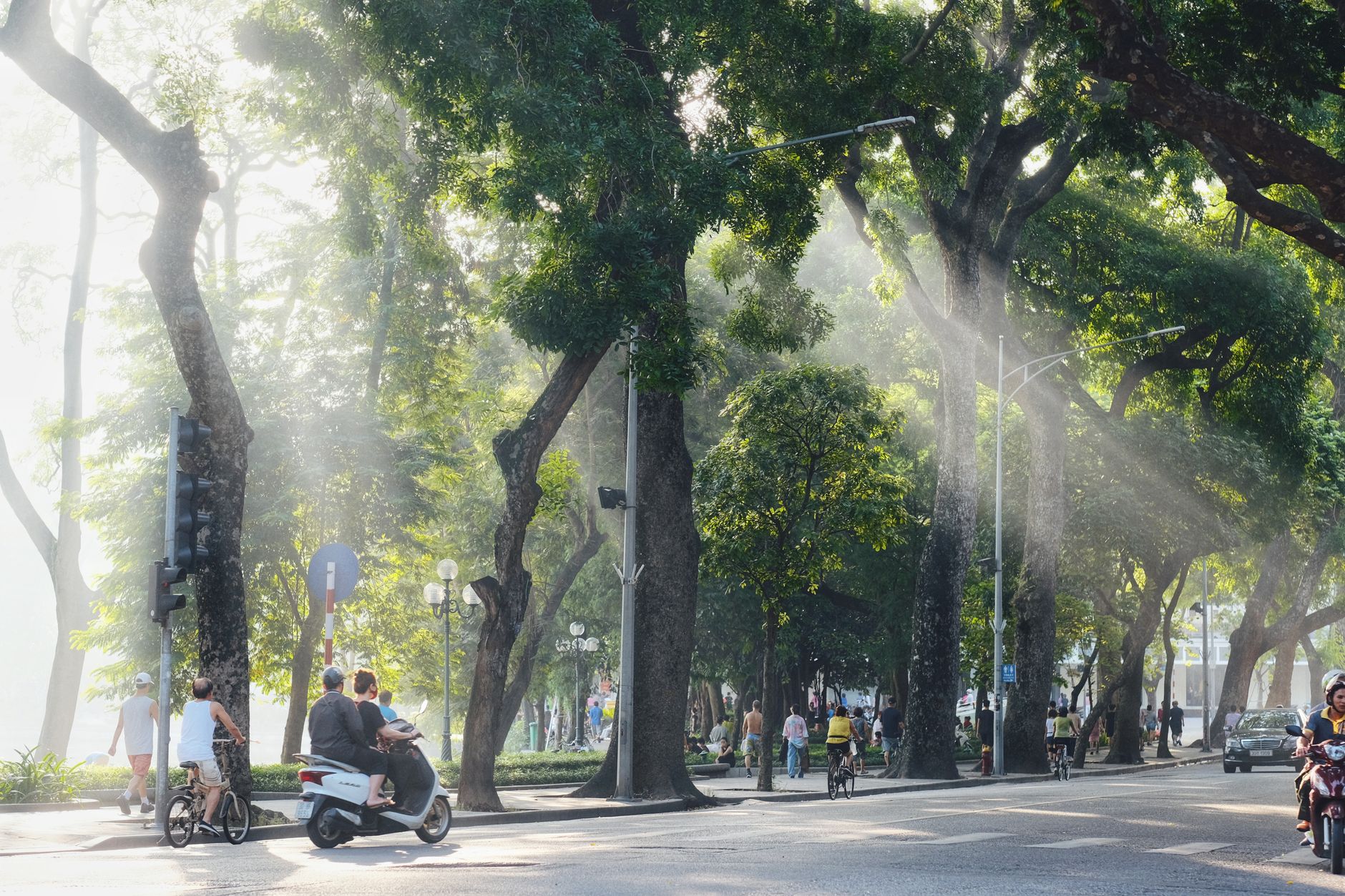
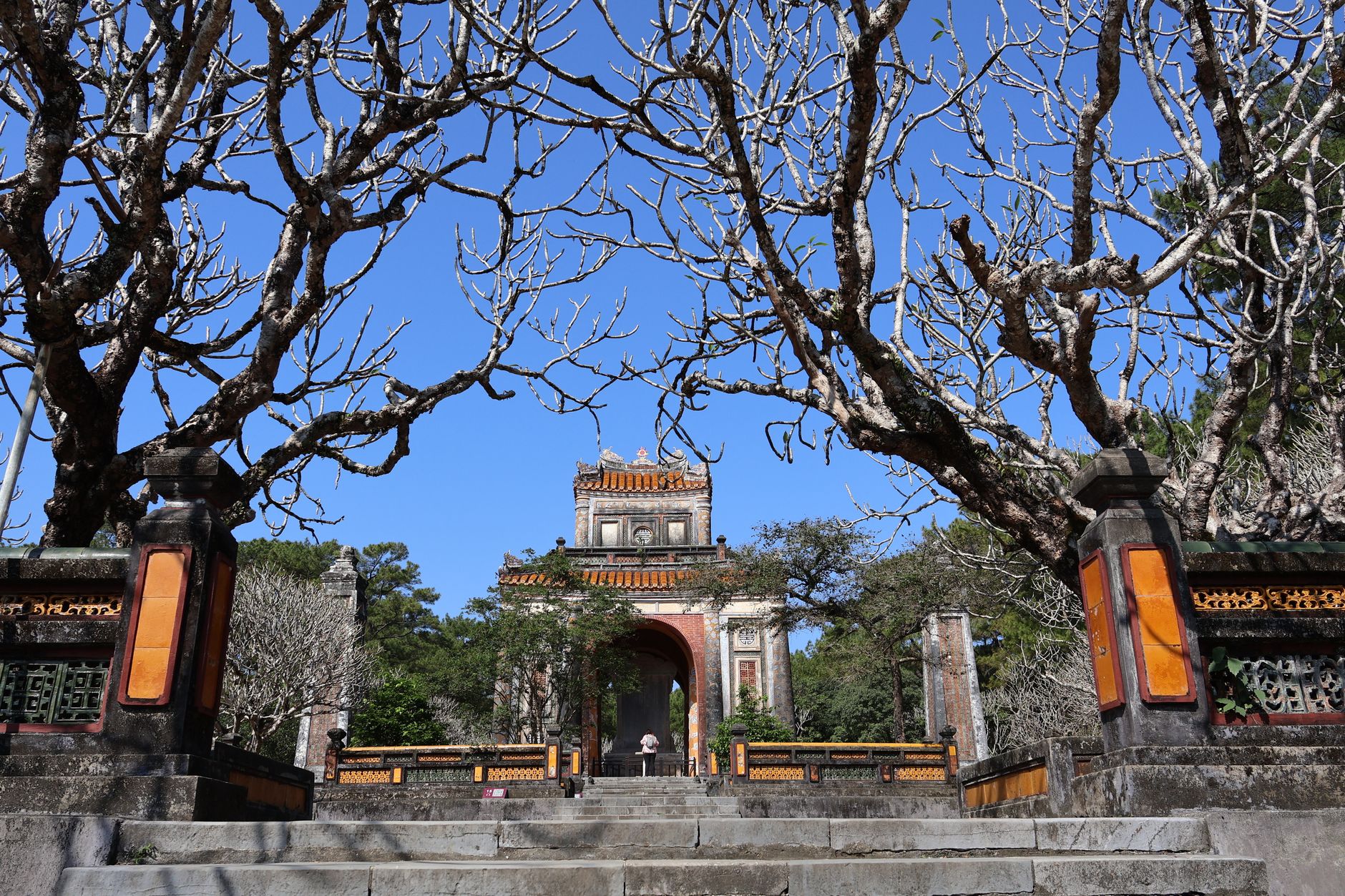
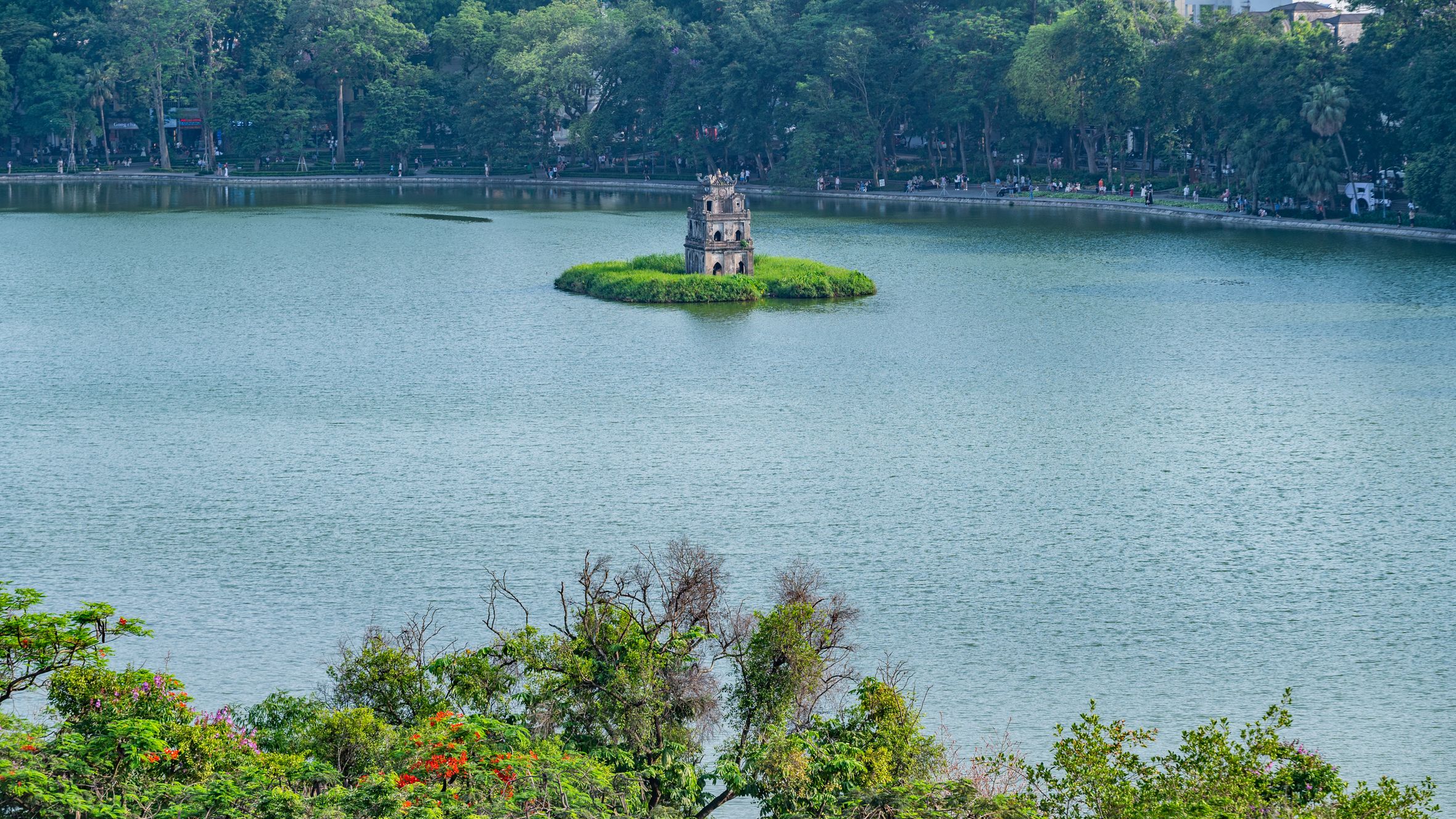
Ease into the humidity. Check into a hotel in the Old Quarter or near the "Temple of Literature". Spend your first afternoon walking the perimeter of Hoan Kiem Lake. For dinner, find a stall serving "bun cha"—grilled pork patties in a light, vinegary broth. If you have energy, grab a "vietnamese coffee" at a cafe overlooking the street chaos to watch the city transition into the night.
Day 2 — Hanoi to Ha Giang
Take a morning bus or private car from Hanoi (하노이 / 河内 / ハノイ) to Ha Giang city. The drive takes about 6 to 7 hours. Once you arrive, check into a local homestay. Ha Giang city is a functional hub, not a tourist trap. Walk along the Lo River and try "chao au tau", a bitter porridge made from a local root, often served with pork trotters. It is an acquired taste, but it is the signature dish of the province.
Day 3 — The Gateway to the Karst
Hire a local driver for the day to head toward Quan Ba. You will see the "Heaven's Gate" pass, which offers a view of the twin mountains below. Stop in the village of Nam Dam to see traditional earthen houses. The pace here is quiet; avoid the urge to rush back to the city. Stay overnight in a village homestay to experience the local hospitality.
Day 4 — Into the Plateau
Travel deeper toward Dong Van. The landscape shifts into a jagged, grey limestone forest. Stop at the "Hmong King's Palace" in Sa Phin. It is a well-preserved piece of local history built in the early 20th century. Spend the night in Dong Van town, which feels like a time capsule compared to the modern sprawl of Hanoi.

Photo by Nguyen Ngoc Tien on Pexels
Day 5 — The Ma Pi Leng Pass
This is the most dramatic stretch of the loop. Drive from Dong Van to Meo Vac via the Ma Pi Leng Pass. The road clings to the cliffside, looking down into the Nho Que River thousands of feet below. It is a humbling scale. Spend the afternoon in Meo Vac before preparing for the long transit to Cao Bang.
Day 6 — The Transit to Cao Bang
This is your longest travel day. Getting from Meo Vac to Cao Bang city takes 7 to 8 hours by private car. The road winds through Bao Lac and Tinh Tuc. It is a rugged, remote route. Arrive in Cao Bang city by evening and find a local place serving "banh cuon (반꾸온 / 蒸米卷 / バインクオン)"—steamed rice rolls with a pork-based dipping sauce that differs slightly from the Hanoi version.
Day 7 — Ban Gioc Waterfall
Head 85km north to the Ban Gioc Waterfall. It sits on the border and is the largest waterfall in the country. Take a small bamboo raft to get closer to the spray. On the way back, stop at Nguom Ngao Cave, a massive limestone cavern that is surprisingly cool even in the heat of the afternoon.
Photo by Nguyen Ngoc Tien on Pexels
Day 8 — Pac Bo and History
Visit the Pac Bo site, where the landscape is defined by the clear, turquoise waters of the Lenin Stream. It is a site of significant historical importance. The area is quiet, surrounded by dense jungle and limestone peaks. Return to Cao Bang city for a final dinner of local mountain specialties.
Day 9 — Back to Hanoi
Take the express bus from Cao Bang back to Hanoi. The journey takes about 6 to 7 hours. You will arrive back in the capital by late afternoon. Use this time to revisit a favorite spot or try a bowl of "bun thang"—a delicate chicken noodle soup that is a hallmark of Hanoi culinary tradition.
Day 10 — Hanoi Departure
Before you head to the airport, spend your final hours at a local market like "Dong Xuan Market". Pick up some tea or local snacks. If you have time, visit the "Tran Quoc Pagoda" on the edge of West Lake for a quiet moment before the flight home.
Practical Notes
- Transport: Private car hire is significantly more comfortable than the local bus for the Ha Giang-to-Cao Bang leg. Ask your hotel to arrange a driver.
- Food: In the mountains, menus are limited. Expect rice, stir-fried greens, and boiled pork. Embrace it; it is the fuel of the region.
- Cash: Carry plenty of VND. ATMs are scarce once you leave the main provincial towns of Ha Giang and Cao Bang.
Last updated · May 30, 2026 · independently researched, never sponsored.