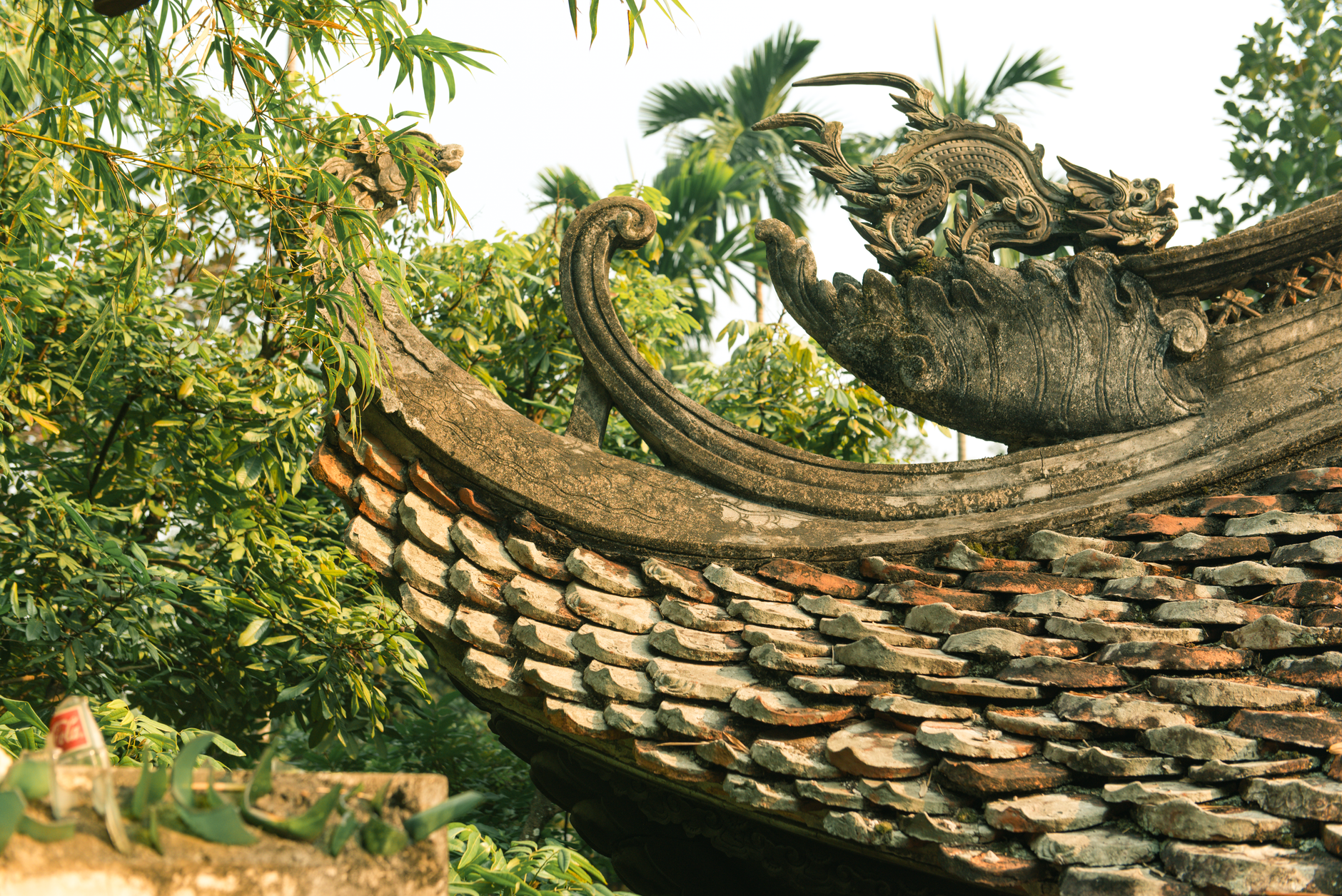
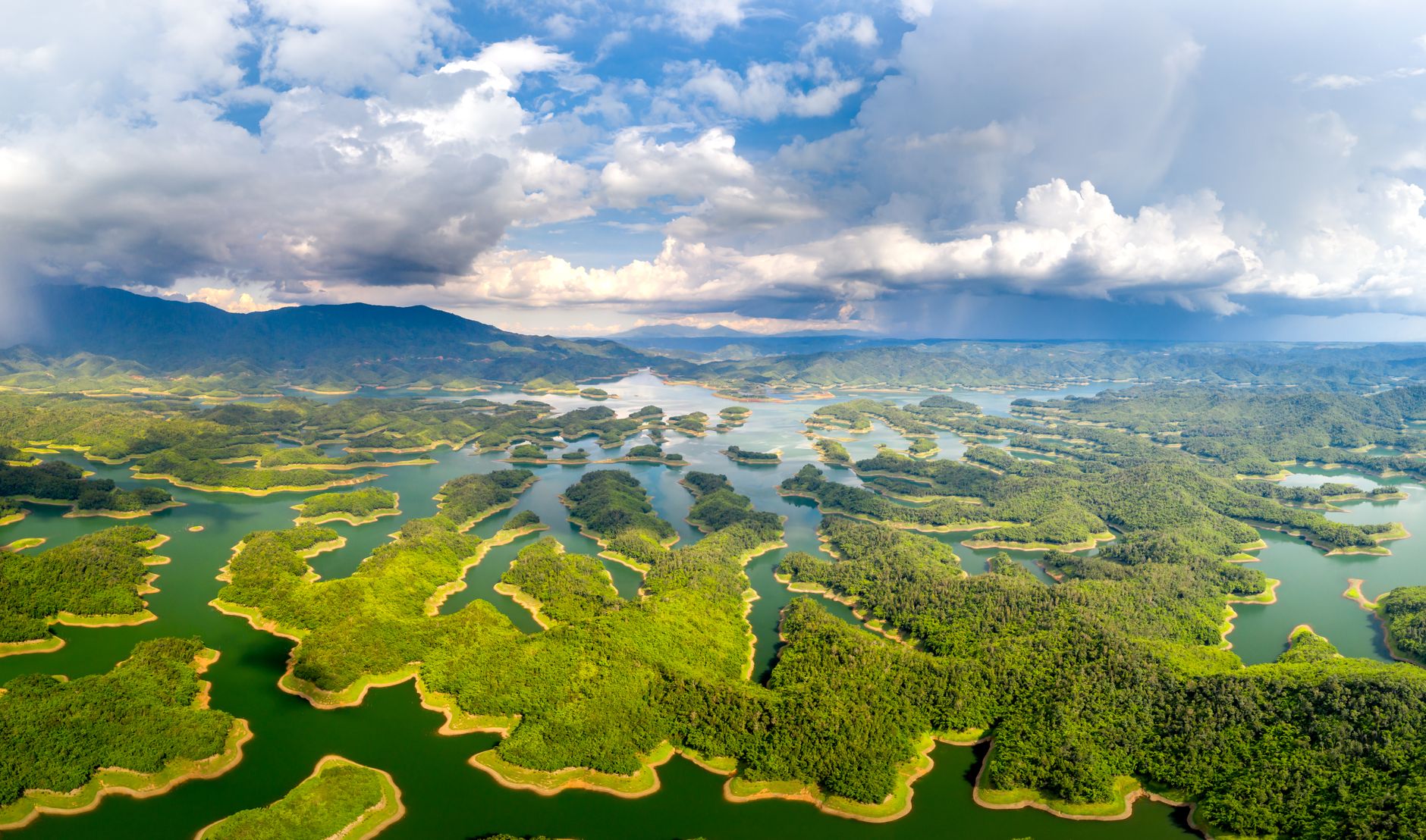
Dao Dua — Coconut Island — is a small, forested island sitting in the middle of Hoa Binh Reservoir, accessible from the Thung Nai area in the northern highlands. It's not a resort. There's no entrance fee, no ticket booth, no guided audio tour. What you get is a boat ride across open water, a handful of homestays built on stilts, and a pace of life that runs on fishing nets and rice harvests rather than itineraries.
What it is and how it got here
When the Hoa Binh Dam was completed in 1994, the rising reservoir swallowed valleys and created a sprawling inland lake dotted with islands. Dao Dua was one of the hilltops that became an island. The name comes from the coconut palms that somehow thrive here despite the northern climate — they're shorter and scrappier than their southern cousins, but they're everywhere.
The area around Thung Nai has been a low-key domestic tourism spot for years, popular with Hanoi families on weekend escapes. Foreign visitors are still uncommon enough that you'll get genuine curiosity from locals rather than rehearsed sales pitches.
Why travelers go
People come here to disconnect. The reservoir is enormous — roughly 8,000 hectares of water surface — and once your boat pulls away from shore, the noise drops to zero. The island itself takes maybe 40 minutes to walk around. There are no cars, no motorbikes buzzing past, no construction noise. If you've spent a week navigating Hanoi traffic or the crowds at Ninh Binh (닌빈 / 宁平 / ニンビン), Dao Dua is the opposite of all that.
The other draw is the Muong ethnic community. The villages around Thung Nai are predominantly Muong, and the homestays on and around the island are family-run operations where dinner is whatever was caught or harvested that day.
Best time to visit
The sweet spot is September through November. The reservoir is full from summer rains, the hills are deeply green, and the heat has backed off to a comfortable 25-30°C. Mornings often have a layer of mist sitting on the water — the kind that burns off by 9 AM and makes early boat rides feel like you're floating through nothing.
Avoid December through February if you dislike cold drizzle. The northern highlands get genuinely chilly (12-15°C some days), and fog can reduce visibility on the reservoir. March through May works fine but the water level is lower and some of the smaller islands look less impressive.
Weekends year-round are busier with Hanoi (하노이 / 河内 / ハノイ) day-trippers. Come on a Tuesday or Wednesday and you might have the island nearly to yourself.
How to get there from Hanoi
Dao Dua is about 100 km from central Hanoi, but the road quality means you should budget 2.5 to 3 hours by car or motorbike.
By motorbike or car: Take the route toward Hoa Binh city via Highway 6 (QL6), then continue northwest toward Thung Nai commune. The last 15 km from Hoa Binh city is a two-lane road winding through valleys — decent surface, just slow. From the Thung Nai boat pier, hire a boat to Dao Dua. A private boat runs 300,000-500,000 VND for a round trip depending on group size and your negotiation. Shared boats are cheaper at around 80,000-100,000 VND per person when enough passengers gather.
By bus: Catch a bus from My Dinh station in Hanoi to Hoa Binh city (around 80,000 VND, 2 hours). From Hoa Binh, you'll need a "xe om" (motorbike taxi) or prearranged pickup to reach the Thung Nai pier — about 20 km, expect to pay 100,000-150,000 VND.
There is no public boat schedule. Boats leave when people show up, especially on weekdays.
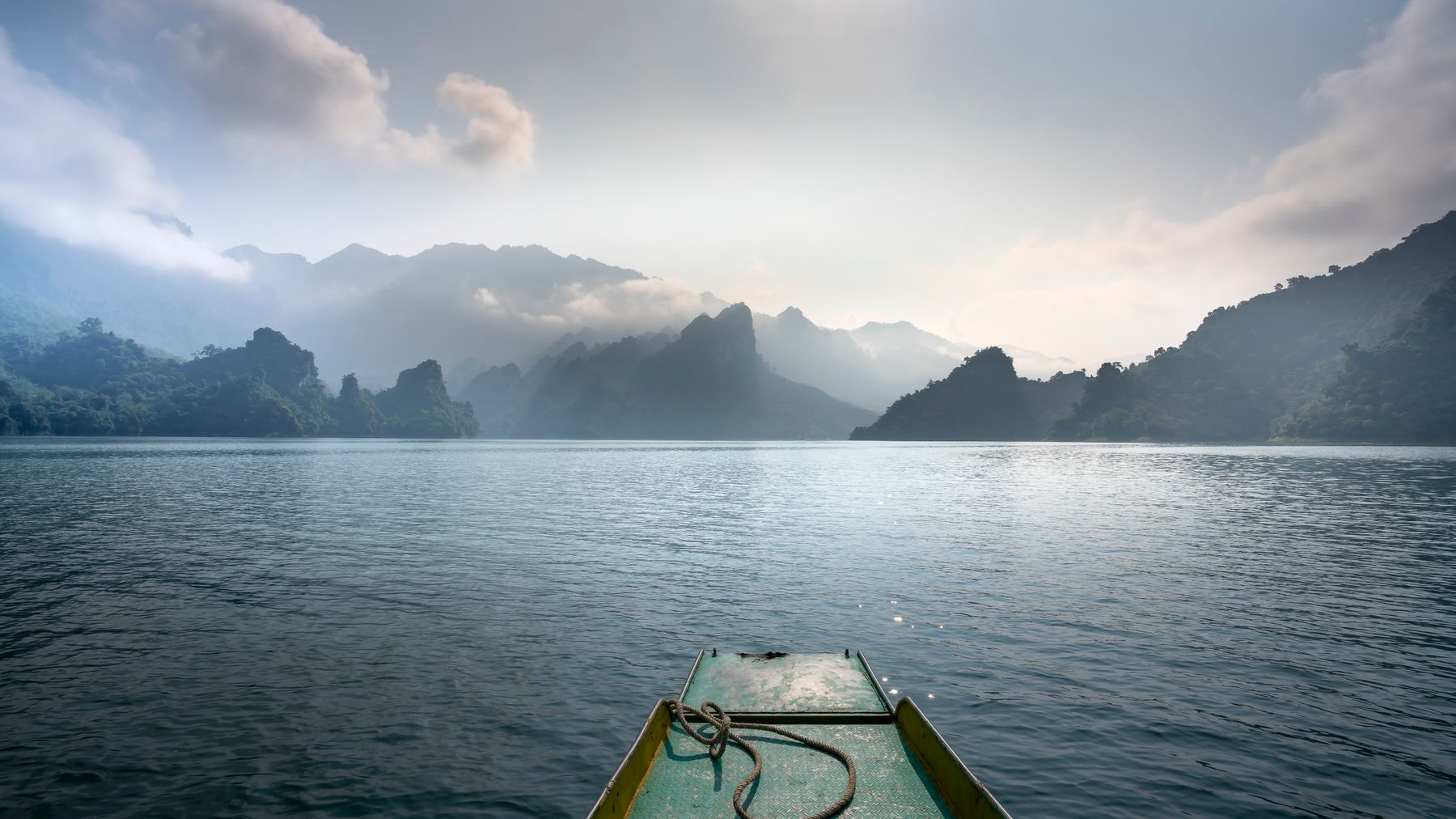
Photo by Quang Nguyen Vinh on Pexels
What to do
Boat circuit of the reservoir islands
Don't just go straight to Dao Dua and back. Ask your boatman to loop past a few of the other islands — there are dozens scattered across the reservoir. A 2-3 hour circuit costs roughly 500,000-700,000 VND for a small boat. You'll pass floating fish farms, submerged tree stumps poking out of jade-green water, and smaller islands where locals forage for wild vegetables.
Walk the island and find the viewpoint
Dao Dua has an informal trail that circles the island and climbs to a modest high point with a clear view across the reservoir toward the surrounding limestone hills. The whole walk is under an hour. Wear shoes with grip — the paths get slippery after rain.
Swim in the reservoir
The water is clean enough for swimming, and locals do it regularly. The best spot is the shallow area on the island's south side where the bottom is sandy rather than muddy. No lifeguards, no roped-off zones — use common sense.
Visit a Muong stilt house village
Back on the mainland near the pier, the village of Thung Nai itself is worth an hour of wandering. Traditional Muong stilt houses are still in daily use here, not preserved as museum pieces. If you're staying overnight at a homestay, your hosts will likely be Muong and happy to explain the architecture.
Fish with locals
Several homestays can arrange a morning fishing session on the reservoir. You sit in a narrow boat with a hand net or basic rod. You probably won't catch much, but the quiet hours on the water are the point.
Where to eat nearby
The local specialty is reservoir fish — particularly "ca song" (river fish) grilled whole over charcoal or steamed with ginger. It's simple and good. Most homestays serve family-style meals for 150,000-250,000 VND per person including rice, fish, vegetables, and broth.
Look for "com lam" — sticky rice cooked inside bamboo tubes over a fire. It's a Muong staple and tastes faintly sweet and smoky. Paired with grilled pork and a dipping sauce of chili-salt-lime, it's one of the better meals you'll have in the northern highlands.
If you're passing through Hoa Binh city on the way back, the market area near the bus station has decent "pho" and "bun cha" stalls for a quick 35,000-50,000 VND lunch.
Where to stay
Accommodation is basic. Expect homestays, not hotels.
- On Dao Dua itself: A few family homestays offer mattresses on the floor under mosquito nets, shared bathrooms, and included dinner/breakfast. Around 250,000-400,000 VND per person per night with meals.
- Thung Nai mainland: More homestay options with slightly better facilities — some have private rooms and hot water. Budget 300,000-500,000 VND per night.
- Hoa Binh city: If you want air conditioning and a proper bed, Hoa Binh city has guesthouses from 250,000 VND and mid-range hotels around 500,000-800,000 VND. But staying in town defeats the purpose.
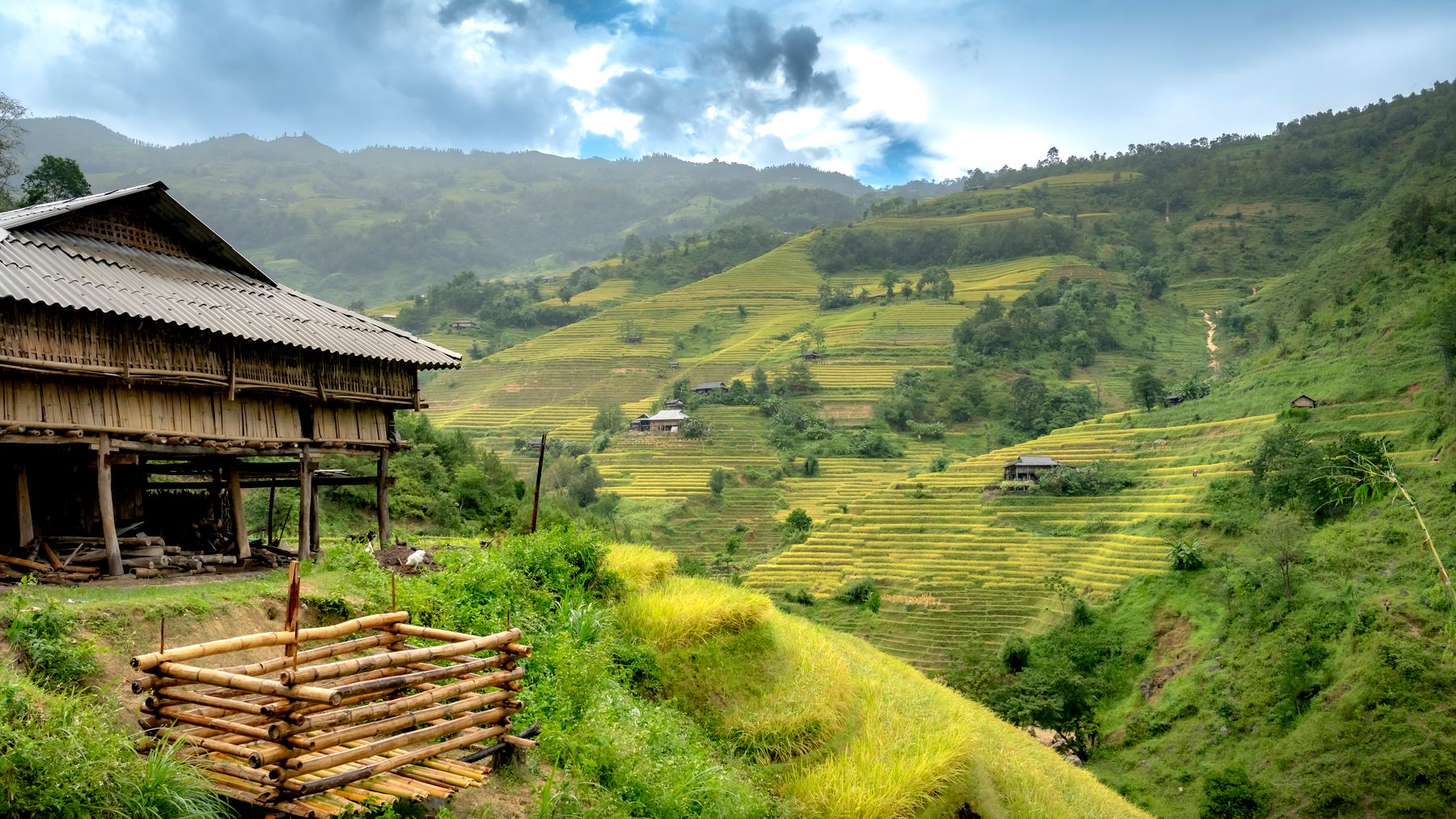
Photo by Quang Nguyen Vinh on Pexels
Practical tips locals would tell you
- Bring cash. There are no ATMs on the island and none in Thung Nai village. The nearest ATM is in Hoa Binh city.
- Bring mosquito repellent. The reservoir means mosquitoes, especially at dusk. Homestays provide nets but repellent makes evenings outside bearable.
- Confirm boat return times. If you're day-tripping, agree on a pickup time with your boatman before he leaves. There's no phone signal on parts of the island.
- Pack a rain jacket. Weather shifts fast in the hills. Even in dry season, an afternoon shower is possible.
Common mistakes to avoid
- Trying to do it as a rushed day trip from Hanoi. The 3-hour drive each way plus boat time leaves you maybe 2 hours on the island. Stay overnight — the evening and early morning on the water are the best parts.
- Expecting resort-level comfort. This is a rural homestay experience. Cold showers, squat toilets in some places, roosters at 5 AM. If that's not your thing, this isn't your destination.
- Showing up on a holiday weekend without booking. During Tet or the Hung Kings Festival period, Hanoi residents flood the area. Homestays fill up. Call ahead — your hotel in Hanoi can usually help arrange it.
- Skipping the boat circuit. Going straight to Dao Dua and sitting there is fine, but the reservoir itself is the attraction. Budget for the longer boat ride.
Practical notes
Dao Dua and the Thung Nai reservoir area won't make anyone's top-ten Vietnam list, and that's exactly why it works. It's a genuine, unpolished escape that's close enough to Hanoi for a weekend but far enough from the tourist trail to feel like you've gone somewhere real. Bring cash, bring patience, and leave the itinerary loose.
Last updated · May 26, 2026 · independently researched, never sponsored.