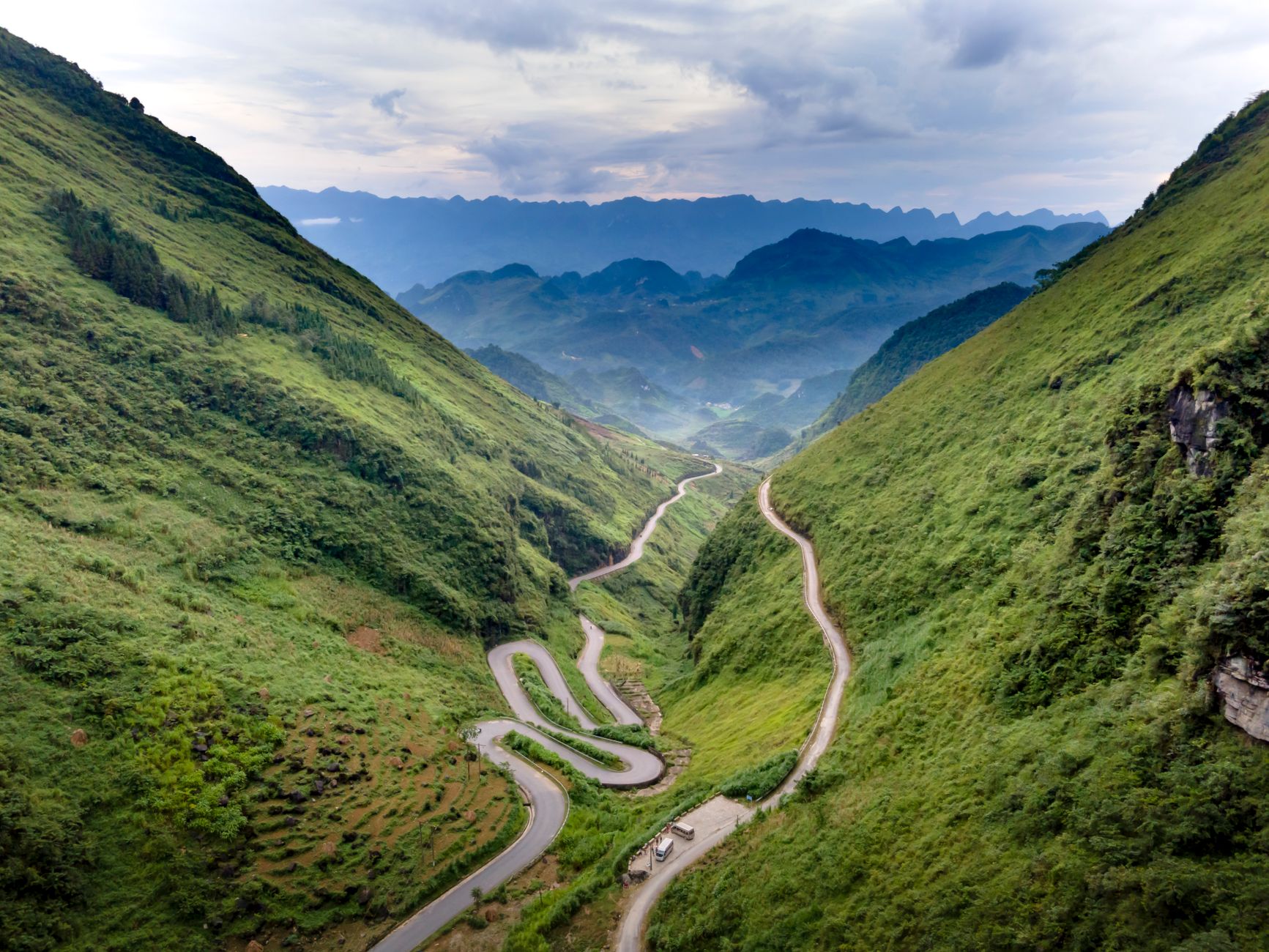
Ho Ke Go is a 32-square-kilometer reservoir tucked into the western hills of Ha Tinh province, about 25 km from Ha Tinh city center. It doesn't appear on most tourist itineraries, which is exactly why it's worth knowing about.
What it is and how it got here
Built in the 1970s as an irrigation project, Ho Ke Go sits at the foot of the Truong Son mountain range in Cam Xuyen district. The reservoir feeds rice paddies across the surrounding lowlands, but over the decades it's also become a regional spot for weekend escapes — mostly visited by people from Ha Tinh and Nghe An provinces. The lake is ringed by low, forested hills, and several small islands dot the water's surface. A nature reserve covers the surrounding area, home to various bird species and patches of old-growth forest that survived the war years.
This isn't a resort destination. There's no boardwalk, no Instagram cafe perched on the shore. It's a working reservoir where local families picnic, fishermen cast nets at dawn, and the loudest sound most afternoons is cicadas.
Why travelers go
Ho Ke Go appeals to a specific kind of traveler — the one who's already seen Ha Long Bay and Ninh Binh (닌빈 / 宁平 / ニンビン) and wants something with no crowds and no entrance queues. The lake is genuinely peaceful. The surrounding hills have decent hiking if you're willing to bushwhack a bit. Birdwatchers come for the wetland species, especially during migration season. And if you're driving the coastal route between Hue and Hanoi, it's a worthwhile detour that gets you off Highway 1A and into the kind of countryside that most north-south travelers only see through a bus window.
It also works as a half-day trip from Ha Tinh city if you're already there visiting Nguyen Du's memorial or passing through on business.
Best time to visit
Aim for September through November, or March through May. The September–November window follows the rainy season, so the reservoir is full and the hills are intensely green. Temperatures drop to a comfortable 24–28°C range. March to May is dry and warm but not yet brutal — by June and July, Ha Tinh bakes under 35°C+ heat, and the reservoir level drops noticeably.
Avoid October if a typhoon is tracking toward north-central Vietnam (베트남 / 越南 / ベトナム). Ha Tinh takes direct hits every few years, and the roads to Ho Ke Go can flood. Check weather forecasts a few days ahead.
How to get there
The nearest transport hub is Ha Tinh city. If you're coming from Hanoi, the Thong Nhat train runs to Ha Tinh station in roughly 6–7 hours (tickets from around 250,000–450,000 VND depending on class). Buses from Hanoi's Nuoc Ngam station take about 5–6 hours and cost 180,000–250,000 VND.
From Ha Tinh city to Ho Ke Go, you've got two options. Rent a motorbike — the 25 km ride takes around 40 minutes on decent roads through rice fields and small villages. Rental shops near the city center charge 120,000–150,000 VND per day. Alternatively, hire a "xe om" (motorbike taxi) for roughly 100,000–150,000 VND one way, or a car taxi for 200,000–300,000 VND. There's no public bus to the reservoir.
If you're riding the north-south route on your own motorbike, Ho Ke Go is about 15 km west of Highway 1A — turn inland at Cam Xuyen town.
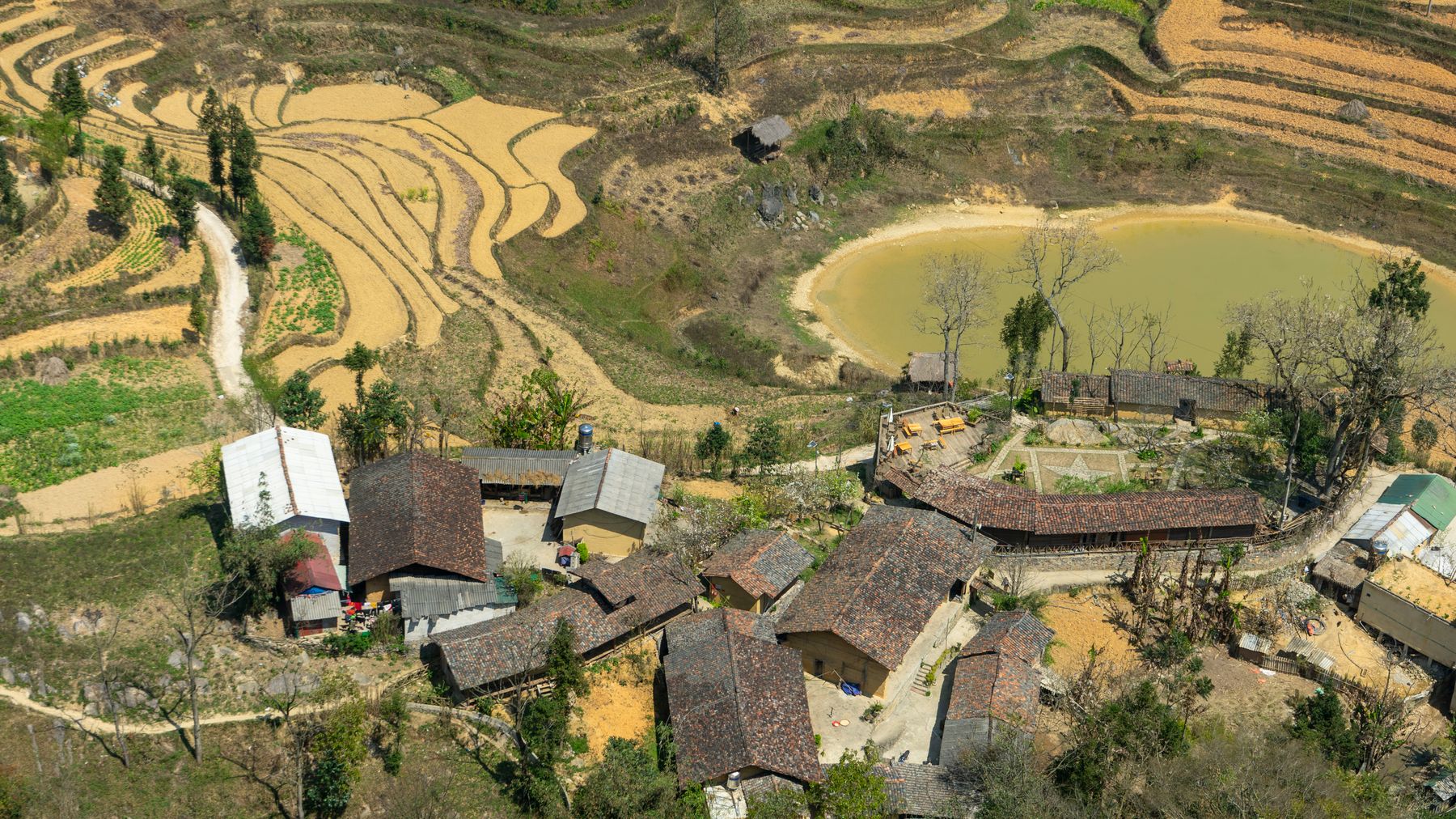
Photo by Vietnam Hidden Light on Pexels
What to do
Take a boat onto the reservoir
Local fishermen near the dam area will take you out on the water for 150,000–250,000 VND per hour. The boat rides aren't fancy — expect a wooden vessel with a small motor — but they get you to the islands in the middle of the lake. Some of the islands have small shrines and enough tree cover to feel genuinely remote. Early morning is best, before the wind picks up.
Walk the dam and surrounding trails
The dam itself stretches about 1 km and makes for a good walk with open views across the water. From the dam's western end, informal trails lead into the surrounding nature reserve. These aren't marked or maintained, so wear proper shoes and don't expect signage. A 2–3 hour loop through the hillside forest is doable if you keep the reservoir in sight as your reference point.
Watch the fishing
This sounds boring until you actually sit on the bank at 5:30 AM and watch net fishermen work. It's rhythmic, quiet, and surprisingly absorbing. Bring "ca phe sua da" in a thermos and make a morning of it.
Visit the memorial site
Near the reservoir, there's a small war memorial and historical marker related to the Ho Chi Minh Trail logistics network that passed through this area. It's modest — a stone marker and some informational panels — but gives context to why the landscape looks the way it does.
Cycle the perimeter roads
If you have a bicycle (some Ha Tinh guesthouses can arrange one), the roads circling the southern portion of the reservoir pass through quiet villages and cassava fields. Roughly 15–20 km of rideable road, mostly flat with a few gentle hills.
Where to eat nearby
Don't expect restaurants at the reservoir itself. Eat in Cam Xuyen town or Ha Tinh city before or after your visit.
Ha Tinh is known for "cu doi" — a chewy, slightly sweet rice cake that's a provincial specialty. You'll find it at market stalls in Ha Tinh central market. More substantially, look for "banh canh" with crab — the Ha Tinh version uses thick tapioca noodles in a rich, peppery broth. Small shops along Phan Dinh Phung street in Ha Tinh city serve solid bowls for 30,000–40,000 VND.
If you're in town long enough for a proper meal, Ha Tinh also does excellent "com tam" with grilled pork, though the southern version is better known.
Where to stay
Ho Ke Go has a couple of basic guesthouses near the dam area, charging 200,000–350,000 VND per night. Expect clean rooms, fans or basic air-con, and not much else.
Most travelers stay in Ha Tinh city, where budget hotels run 250,000–400,000 VND and mid-range options with decent rooms and breakfast go for 500,000–800,000 VND. The area around Tran Phu street has the highest concentration of lodging.

Photo by Nhi Huynh on Pexels
Practical tips locals would tell you
- Bring your own water and snacks to the reservoir. There's one small drink stall near the dam that may or may not be open.
- Sunscreen is non-negotiable. There's almost no shade along the dam or on the water.
- If you're hiring a boat, agree on the price and duration before you get on. Write it down on your phone if your Vietnamese isn't strong.
- Mosquitoes come out hard at dusk near the water. Long sleeves or repellent if you're staying past 4 PM.
- Phone signal is patchy on the far side of the reservoir. Download offline maps before you go.
Common mistakes to avoid
Don't drive out expecting a developed tourist site — there are no ticket booths, no tour guides, no English signage. That's the appeal, but it means you need to be self-sufficient. Don't attempt the nature reserve trails in sandals. Don't plan a visit during midday in summer unless you enjoy heatstroke. And don't leave without eating in Ha Tinh city — skipping the food is the real mistake most pass-through travelers make.
Practical notes
Ho Ke Go works best as a half-day or full-day side trip while you're already in Ha Tinh, not as a standalone destination worth a special journey. Pair it with a night in Ha Tinh city, eat well, and you'll have seen a part of central Vietnam that very few foreign travelers bother with.
Last updated · May 29, 2026 · independently researched, never sponsored.