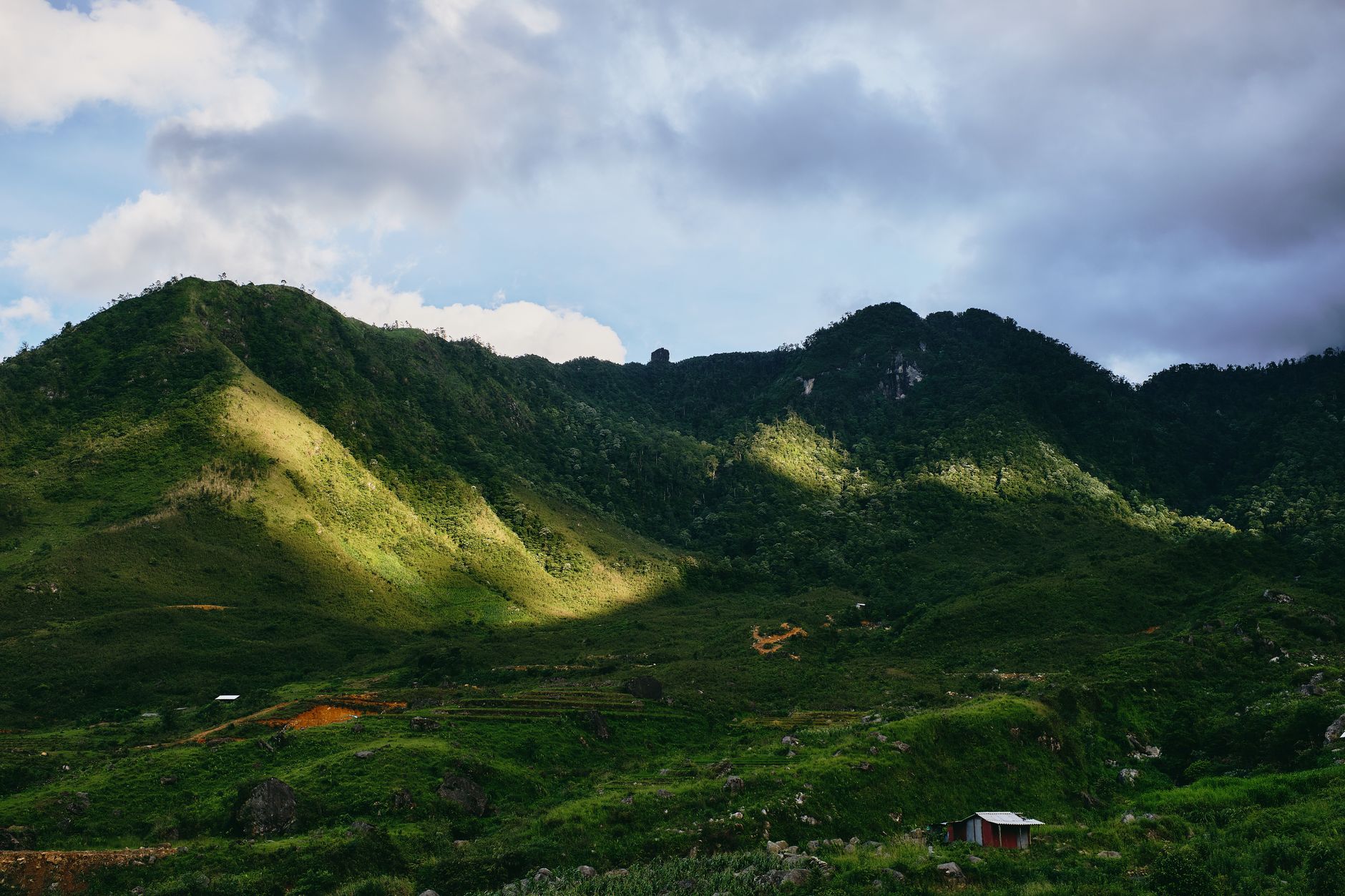
Ho Pa Khoang sits about 25 km southwest of Dien Bien Phu city, a 3,400-hectare reservoir ringed by green hills and home to small communities of Black Thai and Kho Mu people. It doesn't get tour buses. It barely gets mentioned in most Vietnam (베트남 / 越南 / ベトナム) itineraries. That's precisely why it's worth the detour if you're already heading to Dien Bien.
What it is
Ho Pa Khoang is an artificial lake created in the early 2000s when the Pa Khoang dam was built across the Nam Rom river system. The reservoir supplies water and hydropower to Dien Bien valley, but over the past decade it's slowly become a weekend destination for locals from Dien Bien Phu and a curiosity stop for travelers doing the northwest loop. The lake sprawls across Muong Phang commune, the same area where General Vo Nguyen Giap's command headquarters were located during the 1954 battle — a historical site you'll pass on the road in.
The landscape is what you'd expect from deep northwest Vietnam: limestone karst softened by subtropical forest, narrow valleys, and fog that hangs in the trees until mid-morning.
Why travelers go
Most people visiting Dien Bien come for the battlefield sites. Ho Pa Khoang offers a different pace — a day or overnight away from the museum circuit. The appeal is simple: quiet water, forested shoreline, a few Thai stilt-house homestays, and the kind of emptiness that's increasingly hard to find in northern Vietnam. If you've done Sapa or Ha Giang and want something with zero crowds, this is it. Don't expect polished infrastructure. Do expect genuine hospitality and scenery you won't have to share.
Best time to visit
The sweet spot is October through March. The wet season (May–September) fills the lake to its best levels but also turns the access roads muddy and brings leeches out in force on any forest trail. October and November give you full water levels plus cooler, drier weather — mornings around 15–20°C, comfortable for being on the water.
December through February gets cold, especially at night (dropping below 10°C). If you're staying in a homestay, bring a warm layer — stilt houses are breezy by design. March and April are warm and dry, but the lake level drops noticeably and some of the shoreline turns to exposed mud.
How to get there
The nearest hub is Dien Bien Phu city.
- From Hanoi by air: Vietnam Airlines and VASCO operate flights to Dien Bien Phu airport (1 hour, roughly 1,200,000–1,800,000 VND one way if booked ahead). The airport is small — you walk across the tarmac.
- From Hanoi (하노이 / 河内 / ハノイ) by bus: Overnight sleeper buses run from My Dinh station (10–12 hours, around 350,000–450,000 VND). Not glamorous, but it works.
- From Dien Bien Phu to Ho Pa Khoang: The lake is 25 km south on QL279, then a turn onto a smaller road toward Muong Phang. By motorbike, it's about 40 minutes. A xe om (motorbike taxi) from Dien Bien Phu city should cost around 100,000–150,000 VND one way. There's no public bus to the lake itself.
Renting a motorbike in Dien Bien Phu (150,000–200,000 VND/day) gives you the most flexibility, especially if you want to combine the lake with Muong Phang historical site on the same ride.

Photo by Quang Nguyen Vinh on Pexels
What to do
Take a boat across the lake
Local operators run small motorboats from the main dock area. A boat trip around the lake — visiting a couple of small islands and the far shoreline — runs about 60–90 minutes. Expect to pay around 300,000–500,000 VND for the whole boat (fits 4–6 people), not per person. Negotiate before boarding. The quiet is the point: forested banks, the occasional fish eagle, water buffalo grazing at the edge.
Visit a Thai village
Several Black Thai communities sit along the lake's edges. These aren't staged tourism villages — people farm, fish, and weave here. If you're with a local guide or homestay host, they can introduce you to families. You might see traditional cotton weaving on frame looms or "xoe" dance practiced in the evenings. Be respectful: ask before photographing, take your shoes off at the stairs of stilt houses.
Hike to Muong Phang command headquarters
The wartime headquarters where General Giap directed the 1954 campaign is about 5 km from the lake, set in dense forest. It's a modest site — reconstructed bunkers and tunnels under tree cover — but the walk through the forest to get there is genuinely pleasant. Allow about 2 hours for the round trip including time at the site. Entry is around 20,000 VND.
Fish
The lake is stocked and locals fish it constantly. If you're staying overnight at a homestay, your host can usually arrange a rod and a spot. Common catches include tilapia and carp. There's something to be said for sitting on a bamboo platform over the water at 6 AM with a cup of vietnamese coffee and a borrowed fishing rod.
Cycle the lake road
The road that traces part of the lake's northern shore is flat enough and quiet enough for a casual bike ride. Some homestays have bicycles for guests. It's not a full loop — the southern shore doesn't have a continuous road — but you can ride 10–12 km along the water before turning back.
Where to eat nearby
Dien Bien isn't a food destination on the scale of Hanoi or Hue, but the local Thai-influenced cooking is worth seeking out.
- "Pa pinh top" — freshwater fish stuffed with herbs (lemongrass, mac khen pepper, dill) and grilled in a bamboo tube or banana leaf over charcoal. This is the dish of the northwest. Lakeside homestays sometimes prepare it with fish caught that morning.
- "Com lam" — sticky rice cooked inside bamboo tubes, served with grilled pork or dried buffalo meat. Simple, filling, and tastes like campfire. You'll find it at small eateries along QL279 and at homestays around the lake.
For a proper meal in town, the strip of local restaurants along Vo Nguyen Giap street in Dien Bien Phu city serves Thai-style hotpot, grilled meats, and river fish. A full meal for two runs 150,000–250,000 VND.
Where to stay
- Homestays at the lake: A handful of Thai stilt-house homestays operate near the lakeshore. Expect basic rooms or mattresses on the floor, mosquito nets, shared bathrooms, and meals included. Around 200,000–350,000 VND per person per night with dinner and breakfast. Comfort is minimal; the experience is genuine.
- Dien Bien Phu city hotels: If you prefer a hot shower and Wi-Fi, stay in town and day-trip to the lake. Guesthouses from 250,000 VND/night, mid-range hotels (Him Lam Resort, Muong Thanh Dien Bien) from 500,000–900,000 VND.
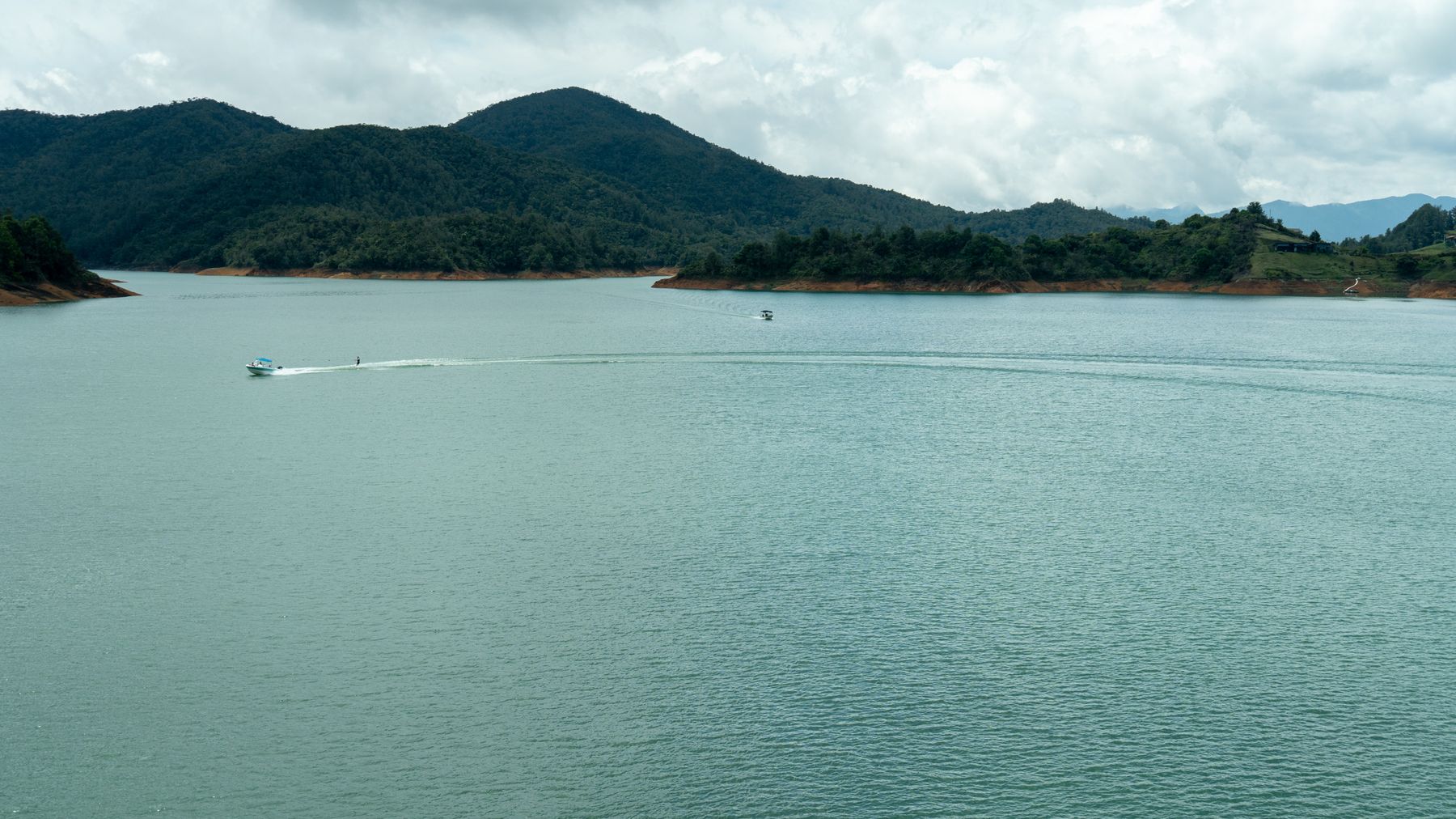
Photo by Salomé Salazar Ravagli on Pexels
Practical tips locals would tell you
- Bring cash. There are no ATMs at the lake and no card payment anywhere near it. Stock up in Dien Bien Phu city.
- Mosquito repellent is non-negotiable, especially in the wet season and around dusk.
- Fuel up before you leave town. There's no reliable petrol station between Dien Bien Phu and the lake.
- Learn two phrases: "Xin chao" (hello) and "Cam on" (thank you). The Thai communities here don't see many foreigners. A little effort goes a long way.
- If you want a boat trip, go before 3 PM. Boat operators tend to wrap up in the late afternoon.
Mistakes to avoid
- Showing up without a plan to get back. There are no taxis waiting at the lake. If you didn't ride your own motorbike, arrange return transport in advance with your xe om driver or homestay host.
- Expecting Sapa-level infrastructure. This isn't a developed tourism area. No cafes, no tour desks, no English signage. That's the trade-off for having the place mostly to yourself.
- Skipping Muong Phang. It's right there. Even if wartime history isn't your thing, the forest walk alone justifies the stop.
- Visiting only as a rushed half-day. The lake rewards an overnight. The early morning — mist on the water, roosters in the village, zero engine noise — is the best part.
Practical notes
Ho Pa Khoang works best as part of a broader northwest Vietnam trip — combine it with Dien Bien Phu's historical sites, then continue to Lai Chau or loop back toward Son La and Mai Chau. Budget two nights in Dien Bien to give the lake a proper visit without rushing. This corner of the north doesn't reward speed.
Last updated · May 29, 2026 · independently researched, never sponsored.