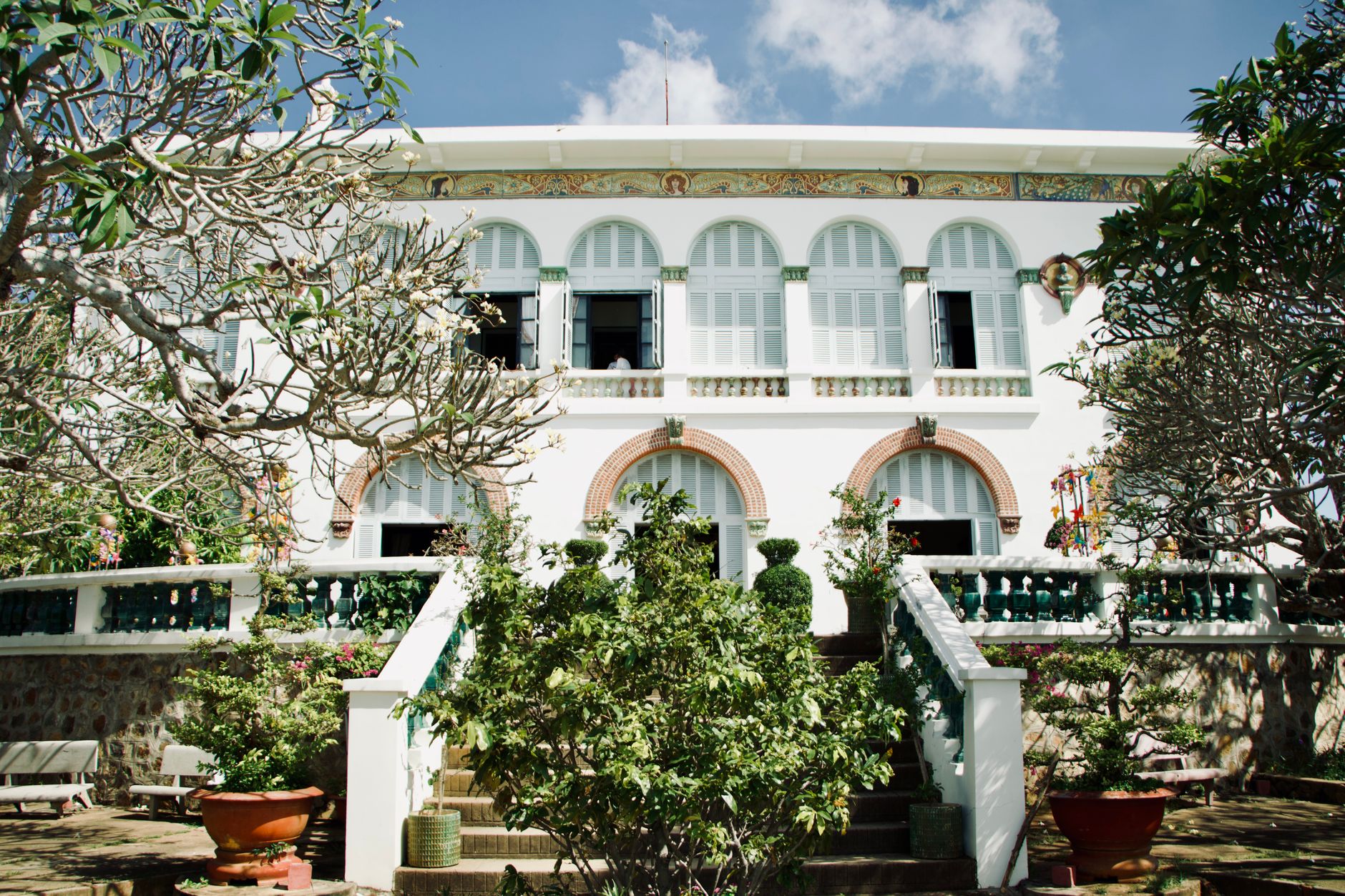
Ho Phu Ninh sits about 60 km south of central Da Nang — a 7,000-hectare freshwater reservoir ringed by low green hills, scattered islands, and not much else. If you've had your fill of beach traffic and want a day where the loudest sound is a boat engine, this is a strong option.
What it is
Ho Phu Ninh is an artificial lake created in the early 1980s by damming the Tam Ky River basin in what was then Quang Nam province. The reservoir was built primarily for irrigation and flood control across the surrounding agricultural lowlands. Over the decades, forest regrew across the hills and dozens of small islands, turning the area into a de facto nature reserve. Following Da Nang (다낭 / 岘港 / ダナン)'s recent administrative expansion, the lake now falls within the city's broader jurisdiction, though it still feels a world away from Da Nang's urban core.
The surrounding area — Phu Ninh Lake Tourism Zone — covers roughly 30,000 hectares when you include the watershed forest. That's a lot of green for a city destination. The lake itself contains around 30 islands, some accessible by boat, others too overgrown to land on.
Why travelers go
Honestly, most foreign tourists skip Ho Phu Ninh entirely. It's a Vietnamese weekend spot — families from Tam Ky and Da Nang come for picnics, fishing, and boat rides. That's part of the appeal. You won't find tour buses or souvenir stands. What you will find: calm water, cheap boat trips, forest trails, and the kind of quiet that's increasingly hard to come by in central Vietnam.
Birders rate the area too. The watershed forest supports a decent range of species, including several kingfisher varieties and, if you're patient and lucky, occasional sightings of langurs in the deeper forested sections.
Best time to visit
Aim for February through August. The dry season in central Vietnam makes boat trips reliable and the trails around the reservoir walkable. March through May is ideal — warm but not yet at peak summer heat, and rainfall is minimal.
Avoid October through December. This stretch brings heavy rain to the central coast, and the reservoir area can get waterlogged. Water levels rise, trails turn muddy, and boat operators sometimes cancel trips. January is hit-or-miss; you might get a clear day or steady drizzle.
How to get there from Da Nang
From central Da Nang, you're looking at roughly 60-70 km south, depending on your exact route. Two options:
Motorbike or car
Take the QL1A (National Highway 1A) south through Hoi An's outskirts and continue toward Tam Ky. The turnoff to Phu Ninh Lake is well-signed from the highway. Total ride time is about 1.5 hours by motorbike, slightly less by car. Fuel cost each way runs around 40,000-60,000 VND on a scooter.
If you're spending time in Hoi An (호이안 / 会安 / ホイアン), the lake is only about 40 km further south — easy enough as a half-day side trip.
Bus
Catch a local bus from Da Nang's central bus station heading toward Tam Ky (roughly 30,000-40,000 VND). From Tam Ky, you'll need a "xe om" (motorbike taxi) or local taxi for the remaining 7-8 km to the lake entrance. Expect to pay 30,000-50,000 VND for that last leg. Not the most convenient option, but it works on a budget.
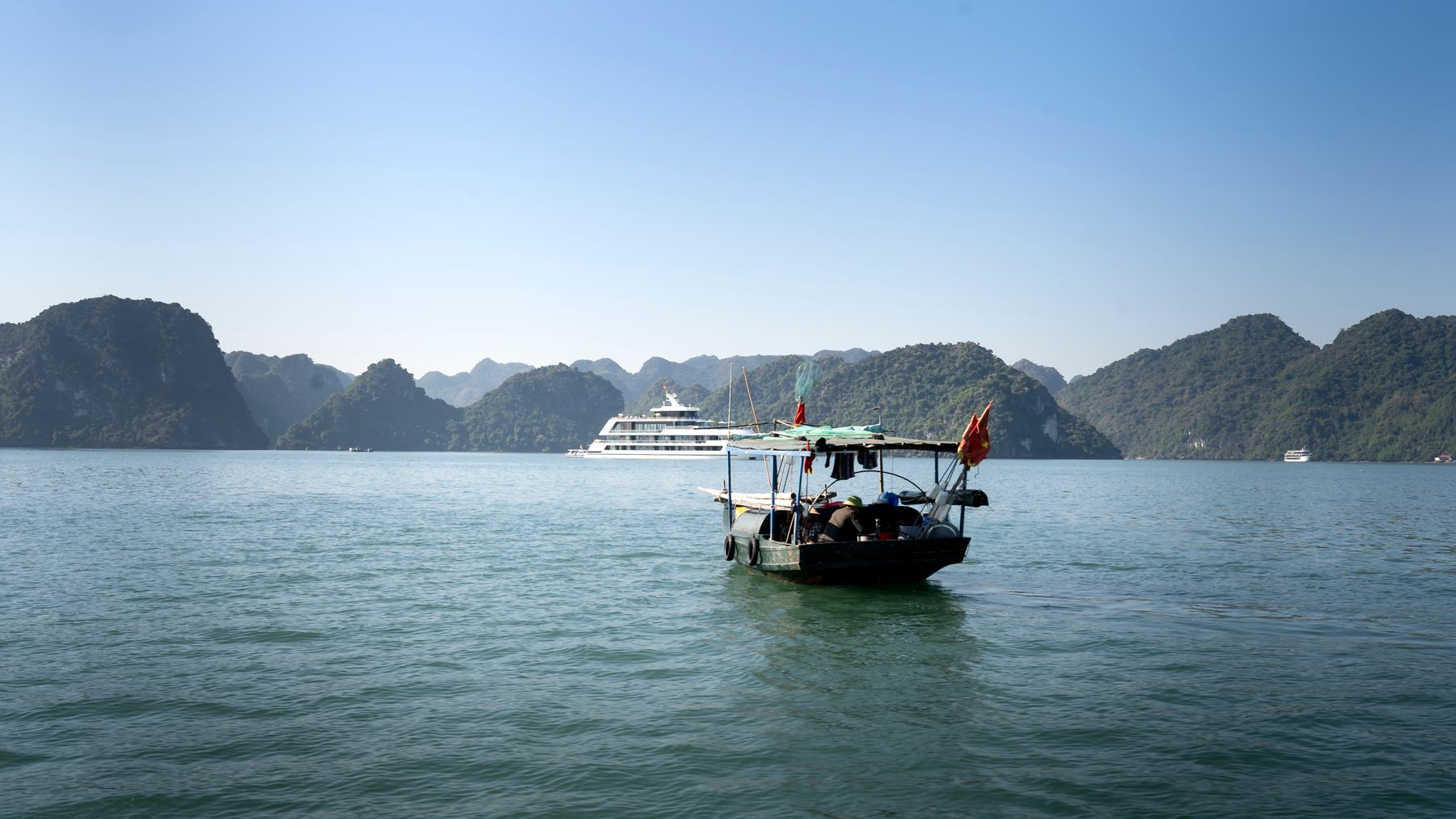
Photo by Quang Nguyen Vinh on Pexels
What to do
Take a boat to the islands. This is the main event. Small motorboats carry passengers around the lake and drop you at a few of the larger islands. A typical loop lasts 1-2 hours. Prices hover around 200,000-400,000 VND for a private boat (fits 4-6 people), though you can sometimes join a shared trip on weekends for less. The boatmen know the lake well — let them suggest a route.
Walk the forest trails. Several marked trails loop through the watershed forest on the lake's western edge. They're not technical — think packed dirt, some tree roots, occasional steps. A moderate loop takes 1-2 hours. Bring water; there's no shade vendor mid-trail.
Fish. Locals bring their own rods and camp along the shoreline, especially on weekends. If you're staying overnight nearby, some guesthouses can lend or rent basic fishing gear. The lake has tilapia, carp, and catfish. Nobody's catching trophies, but that's not really the point.
Visit the dam. The Phu Ninh Dam itself is walkable and gives a wide-angle view across the reservoir. It's a short detour from the main entrance area — about 2 km. Best in late afternoon light.
Cycle the perimeter road. Parts of the lake have a paved perimeter road running through villages and rice paddies. Renting a bicycle from a local guesthouse (50,000-80,000 VND/day) and riding a section of this road is one of the better ways to see the surrounding countryside without a guide.
Where to eat nearby
The lake area itself has a handful of small restaurants near the entrance serving standard Vietnamese fare — rice plates, noodle soups, grilled meat. Nothing fancy, but filling.
The dish to look for in this part of central Vietnam is "mi quang" — the turmeric-tinted noodle dish that originated in the former Quang Nam region. You'll find it at roadside spots along the highway between Hoi An and Tam Ky, and at a few of the lakeside eateries. A bowl runs 25,000-35,000 VND. "Com ga" (chicken rice) from the Tam Ky area is another regional staple worth tracking down — the Tam Ky version uses shredded chicken and has a slightly different seasoning profile than what you'll find in Hoi An.
Where to stay
Accommodation near the lake is limited and basic. A few guesthouses and small resorts sit within a few kilometers of the reservoir:
- Budget guesthouses: 200,000-350,000 VND/night. Simple rooms, fan or basic AC, cold or lukewarm water. Clean enough.
- Mid-range resort options: 500,000-900,000 VND/night. A couple of lakeside properties offer bungalow-style rooms with better facilities, including restaurant service and boat booking.
If you'd rather stay somewhere with more options, base yourself in Tam Ky (10 minutes away) or make it a day trip from Hoi An or Da Nang.

Photo by Anh Tuấn Lê on Pexels
Practical tips locals would tell you
- Bring your own snacks and water if you're spending a full day. The food options at the lake are limited, especially on weekdays when some stalls close.
- Sunscreen and a hat are non-negotiable from March onward. There's minimal shade on the boat rides.
- Cash only. No ATMs at the lake. The nearest ATM is in Tam Ky. Bring enough VND to cover boat hire, food, and any entrance fees.
- Weekdays are dramatically quieter. Weekends, especially Sunday, bring Vietnamese families in numbers. If you want solitude, go Tuesday through Thursday.
- Mosquito repellent matters, particularly near the forested trails and if you're staying until dusk. The lake-and-forest combo is prime mosquito territory.
Mistakes to avoid
Don't come expecting a polished tourist attraction. There's no visitor center, no English signage, no guided tour desk. That's fine — it's part of the character — but adjust your expectations accordingly.
Don't try to visit and also fit in Hoi An's Old Town and Da Nang's beaches on the same day. The drive time alone makes that exhausting. Give the lake a proper half-day minimum.
Don't skip the boat ride in favor of just walking the shore. The lake's scale only makes sense from the water, and the islands are the most interesting part.
Practical notes
Ho Phu Ninh works best as a day trip from Hoi An or Da Nang, or as a stop on a longer road trip down the central coast toward Quy Nhon. It's not a destination you'd build a whole trip around, but it's a genuine change of pace — and one of the few places in central Vietnam where you can spend a whole afternoon without seeing another tourist.
Last updated · May 26, 2026 · independently researched, never sponsored.