What Hoang Su Phi Is — and Why It Stays Under the Radar
Hoang Su Phi is a highland district in the far west of Ha Giang province, about 100 km from Ha Giang city. The terraced rice fields here — carved into mountainsides by Nung, La Chi, Dao, and Tay communities over several hundred years — were recognized as a national heritage landscape in 2012. Unlike Sapa, which has been thoroughly developed for tourism, Hoang Su Phi still feels like a place where agriculture comes first and visitors second. The terraces span across more than a dozen communes, with the most photogenic concentrations around Ban Phung, Thong Nguyen, Ban Luoc, and Nam Ty.
There's no cable car, no resort strip, no tour bus parking lot. That's exactly the point.
Why Travelers Go
People come here for two things: the terraces and the quiet. The scale of the landscape is hard to overstate — layers of paddies descend from ridgelines at 1,400 meters down into narrow valleys, shaped by hand over generations. In season, the colors shift from flooded silver to electric green to gold within a few months.
But Hoang Su Phi also draws people who want to walk through functioning villages without the transactional feel that parts of Sapa (사파 / 沙坝 / サパ) have developed. Homestays here are run by families who farm the terraces you're looking at. The hiking is real hiking — muddy trails, river crossings, no handrails — and that filters out the crowd looking for a quick photo stop.
Best Time to Visit
There are two windows worth planning around:
- Late September to mid-October is peak season. The rice has ripened to gold and amber, and the terraces look their most dramatic. This is when Vietnamese photographers flood in on weekends, so aim for weekdays if you can.
- Late May to June, when the paddies are freshly flooded and transplanted, is the other sweet spot. The terraces become mirrors reflecting sky and cloud. Fewer visitors, more rain — bring good waterproofing.
Avoid November through March. The terraces are harvested and brown, the roads get foggy, and many homestays scale back operations. July and August are green but hazy, and heavy rain can make mountain roads dicey.
How to Get There
The nearest major hub is Ha Giang (하장 / 河江 / ハーザン) city.
Hanoi to Ha Giang: Sleeper buses run nightly from My Dinh bus station (around 250,000–300,000 VND, 6-7 hours). Several operators including Cau Me, Hung Thanh, and Hai Van cover this route. Morning departures are also available.
Ha Giang city to Hoang Su Phi: From Ha Giang bus station, local buses head to Hoang Su Phi town (roughly 100 km, 3-3.5 hours, about 80,000–100,000 VND). The road is paved but winding — motion sickness pills are not a bad idea. Alternatively, rent a motorbike in Ha Giang city (150,000–200,000 VND/day for a semi-auto) if you're comfortable on mountain roads. The route through Xin Man or via Tan Quang is scenic but demands focus.
There's no direct bus from Hanoi to Hoang Su Phi. You transfer in Ha Giang.

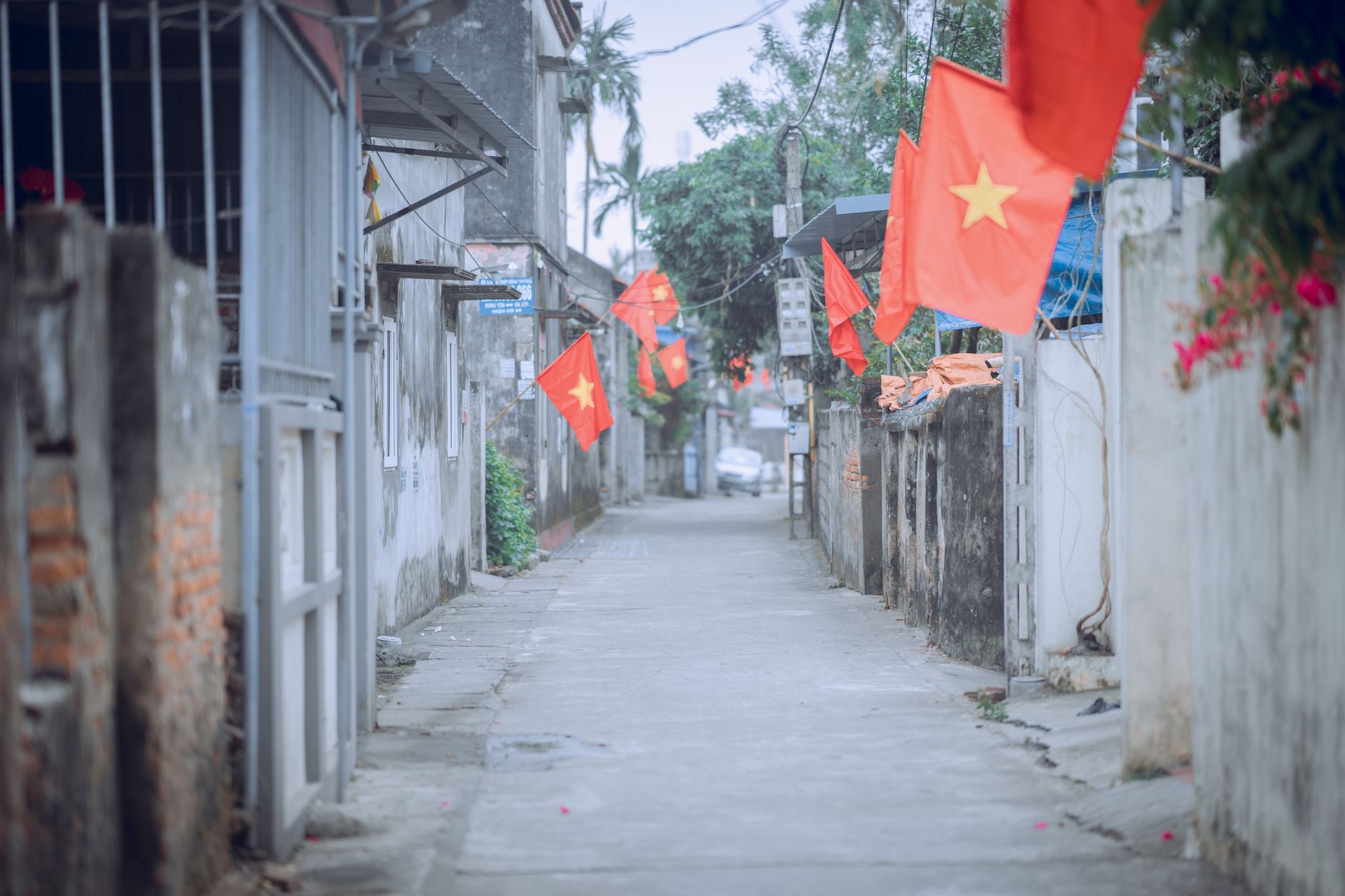
Photo by Quang Nguyen Vinh on Pexels
What to Do
Walk the Ban Phung Terraces
Ban Phung commune, about 15 km from Hoang Su Phi town, has some of the highest and most layered terraces in the district. A half-day walk from the road down through the paddies and back up gives you a genuine sense of scale. No entrance fee. Wear shoes with grip — the paths between terraces are narrow and slippery when wet.
Hike from Thong Nguyen to Nam Ty
This is a full-day trek (roughly 15 km) that passes through multiple ethnic minority villages and crosses some of the best terrace viewpoints in the area. You'll need a local guide — ask your homestay host to arrange one (around 400,000–500,000 VND for the day). Bring your own water and snacks; there's nothing to buy along the way.
Visit the Monday Market in Hoang Su Phi Town
The weekly market draws Dao, Nung, and Tay villagers from surrounding communes. It's a functioning market, not a tourist performance — people sell livestock, tobacco, fabric, and produce. Go early (before 9 AM) for the best atmosphere. If your schedule doesn't line up, the Coc Pai market on Sundays is a smaller alternative.
Climb Chieu Lau Thi Peak
At 2,402 meters, Chieu Lau Thi is one of the highest peaks in the northeast. The trek starts from Ho Thau commune and takes 2 days with camping near the summit. You'll need a guide and permits arranged in advance through a local tour operator or homestay. It's a proper mountain hike — not a casual day walk.
Drink "ruou ngo" with Your Hosts
Corn wine is the social lubricant of the highlands. If your homestay family offers it at dinner, accept at least one glass. Refusing outright can feel dismissive. It's strong, rough, and part of the experience.
Where to Eat
Don't expect restaurants. Meals are almost always at your homestay, and they're usually the best food you'll find — rice from the terraces outside, stir-fried greens, pork, and "thang co," a sour organ meat hotpot that's an acquired taste but worth trying once. The Tay-style sticky rice steamed in banana leaves is excellent.
In Hoang Su Phi town, a few "com binh dan" (everyday rice) shops line the main road near the market. Expect to pay 30,000–50,000 VND for a plate. Nothing fancy, all functional.
Where to Stay
Homestays are the main option and the right one. Most are wooden stilt houses with shared sleeping areas on the upper floor (mattress on the floor, mosquito net, communal bathroom). Rates run 200,000–350,000 VND per person including dinner and breakfast.
A few guesthouses in Hoang Su Phi town offer private rooms for 300,000–500,000 VND/night, but staying in town means missing the point — the terraces and villages are outside it.
Popular homestay communes include Ban Luoc, Thong Nguyen, and Ban Phung. Book ahead during the September–October peak; places fill up fast on weekends.
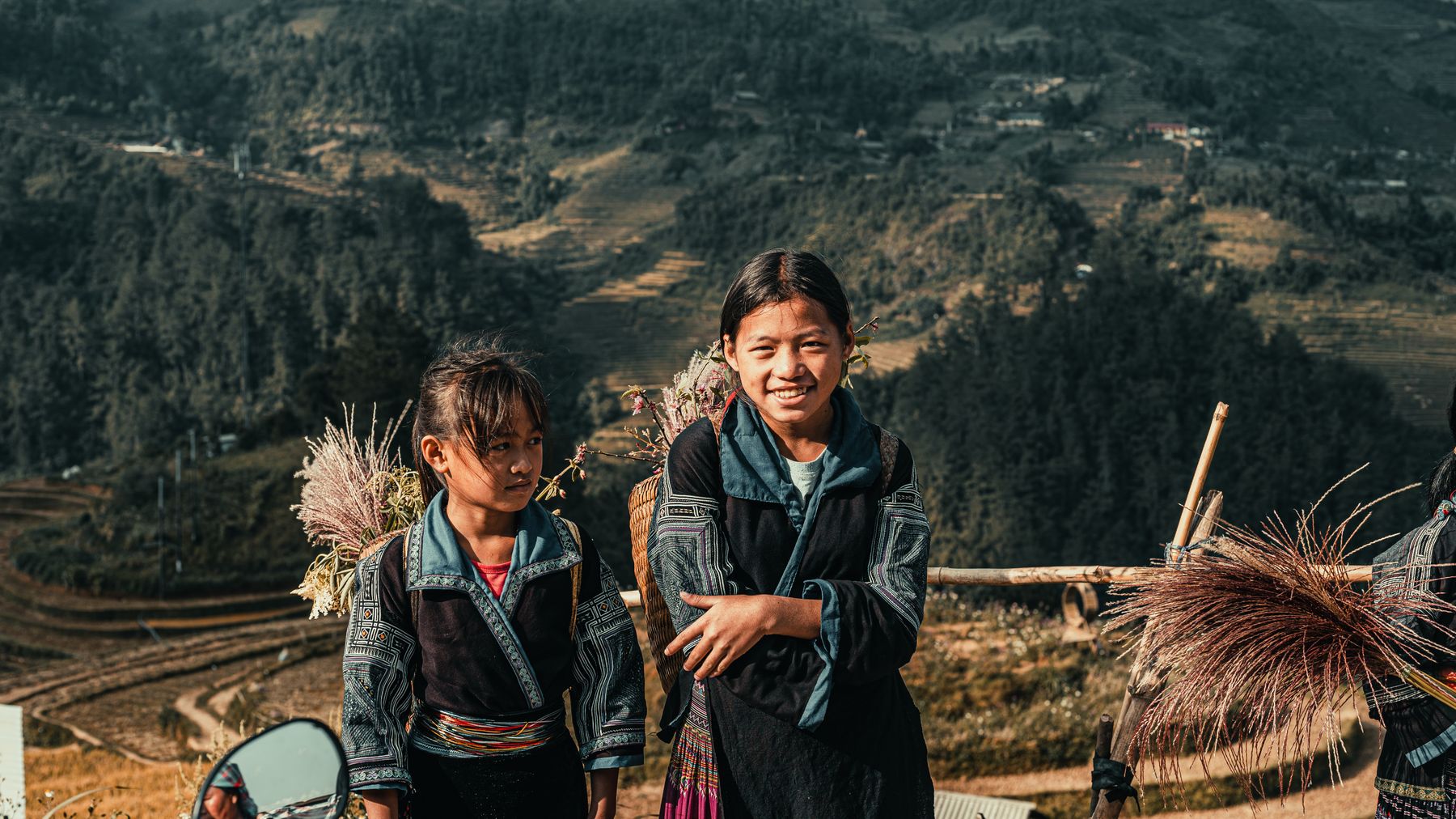
Photo by Quý Nguyễn on Pexels
Practical Tips Locals Would Tell You
- Cash only. There's one ATM in Hoang Su Phi town (Agribank), and it's not always stocked. Bring enough VND from Ha Giang or Hanoi.
- Phone signal is patchy. Viettel has the best coverage in the highlands. Download offline maps before you leave Ha Giang.
- Leeches are real from June through September. Tuck your pants into your socks and check after walks.
- Ask before photographing people. A nod or gesture goes further than pointing a lens from ten meters away.
Common Mistakes
- Coming on a weekend in early October. Vietnamese photography clubs descend in force. The trails and viewpoints feel completely different on a Tuesday.
- Trying to see everything in one day. The communes are spread out on slow mountain roads. Give yourself at least two full days, three if you want to hike properly.
- Skipping the guide. Trails aren't marked, Google Maps is unreliable, and the terrace paths all look the same after a while. A local guide costs little and changes the experience entirely.
- Expecting Sapa-level infrastructure. There's no spa, no craft beer bar, no Western menu. That's the trade-off, and most people find it's worth it.
Practical Notes
Hoang Su Phi works well as an add-on to the Ha Giang loop — head west from Ha Giang city instead of north. Budget 2-3 nights. The combination of Ha Giang's karst mountains and Hoang Su Phi's terraces covers two very different sides of Vietnam's far north in a single trip.
Last updated · May 29, 2026 · independently researched, never sponsored.