Hon Me sits about 12 km off the coast of Tinh Gia district (now Nghi Son) in Thanh Hoa province. It's a small, hilly island — roughly 4 km long — with a population of around 2,000 people, almost all of them fishermen or their families. The island was a military outpost for decades, and it still feels like a place that hasn't been packaged for visitors. That's exactly what makes it worth the boat ride.
Why travelers go
Hon Me isn't a resort island. There's no party scene, no Instagram cafes, no tour buses. People come here for the quiet, for the seafood, and for the kind of coastline that hasn't been smoothed out for tourism yet. The water on the east side of the island is genuinely clear — you can see the bottom at 3-4 meters — and the coral reefs, while not pristine, are still alive. If you've spent time in the more developed beach towns along the central coast like Da Nang or Mui Ne and want something raw, Hon Me delivers that.
It also attracts a small number of Vietnamese backpackers and fishing enthusiasts. Foreign visitors are rare enough that you'll get stared at, but in the friendly, curious way that's common in rural Vietnam.
Best time to visit
April through August is the window. The sea is calmest from May to July, which matters because the boat crossing can get rough. July and August bring warmer water for swimming and snorkeling, but afternoon rain showers are common. Avoid October through February — the northeast monsoon makes crossings unreliable, and boats cancel frequently. Local fishermen won't take passengers out if the waves are over 1.5 meters, and they're right not to.
How to get there
From Hanoi, take a bus or train to Thanh Hoa city (about 3-3.5 hours by train, tickets around 120,000-180,000 VND for a soft seat). From Thanh Hoa city, you need to get to the Nghi Son port area in the old Tinh Gia district — that's another 50-60 km south, roughly 1.5 hours by local bus or around 500,000-600,000 VND by private car.
From the port, boats to Hon Me run in the morning, usually departing between 7:00 and 8:00 AM. The crossing takes about 1.5-2 hours depending on sea conditions. Public boat tickets cost around 100,000-150,000 VND per person one way. There's also the option of chartering a speedboat (around 2,000,000-3,000,000 VND for the whole boat, fits 8-10 people), which cuts the crossing to about 40 minutes. Return boats typically leave Hon Me early in the morning, so plan to stay at least one night.

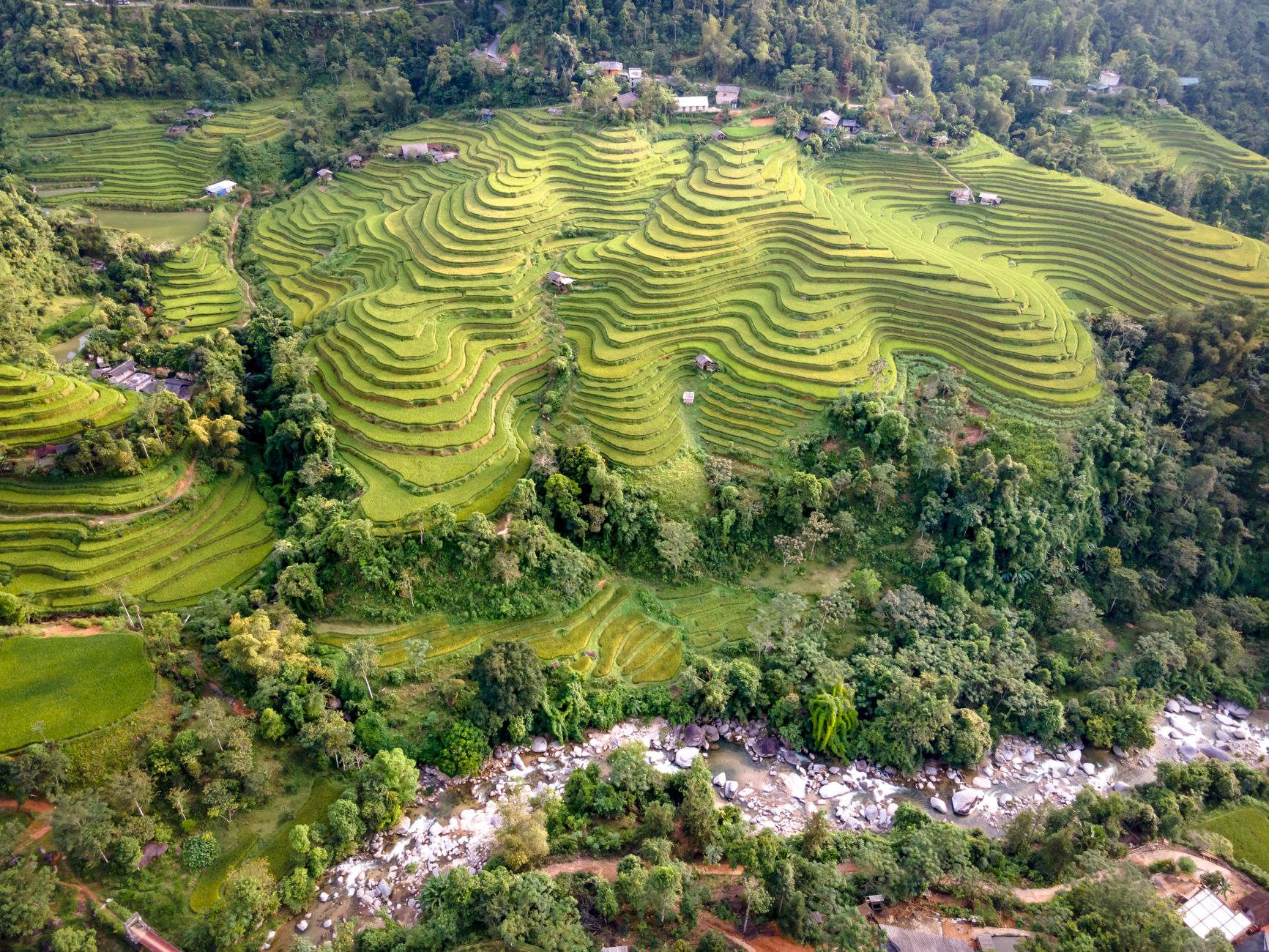
Photo by Marcus Luu on Pexels
What to do
Walk the island loop
Hon Me is small enough to explore on foot in half a day. A concrete path runs from the main settlement on the west side up over the hill to the east-facing beaches. The climb is moderate — maybe 200 meters elevation — and the views from the ridge are the kind you actually stop to look at. Bring water. There's no shade on the exposed sections.
Snorkel at Bai Dau
Bai Dau, on the island's northeast side, has the best snorkeling. The coral isn't Phu Quoc-level, but there's enough variety — brain coral, soft corals, schools of small reef fish — to keep you occupied for an hour or two. You can rent basic masks and snorkels from guesthouses for around 50,000 VND. Bring your own if you're particular about fit.
Join a fishing trip
Ask any guesthouse owner to arrange a morning fishing trip with a local boat. This usually costs 300,000-500,000 VND per person for a few hours. You'll go out with actual fishermen pulling actual nets, not a staged tourist experience. Expect squid, mackerel, or whatever's running that season. Most hosts will cook your catch for dinner.
Visit the lighthouse
The Hon Me lighthouse sits at the island's highest point. It's a working navigation beacon, not a museum, but the walk up is worth it for the 360-degree view of the island and open sea. On clear days you can see the mainland coast and the Nghi Son refinery complex in the distance.
Swim at Bai Cat
Bai Cat is the main swimming beach near the village. It's a short crescent of sand with calm water, good for a lazy afternoon. Don't expect lounge chairs or cocktail service — bring a mat and your own drinks.
Where to eat
Seafood is the entire story here. The island doesn't have restaurants in any formal sense — you eat at your guesthouse, or at one of the small family-run kitchens near the pier. Grilled squid fresh off the boats is the signature meal. Expect to pay 150,000-250,000 VND for a full seafood spread (grilled fish, steamed clams, morning glory, rice). The "goi cuon" with fresh shrimp here are worth ordering if available — the shrimp is hours-old, not days-old, and you can taste the difference.
Also try "oc" (sea snails) stir-fried with lemongrass and chili. It's what the fishermen eat after work, and it pairs well with a cold Thanh Hoa-brand beer.
Where to stay
Accommodation is basic. There are a handful of "nha nghi" (guesthouses) clustered near the main pier, run by local families. Expect a clean room with a fan, a hard bed, and a squat toilet. Air conditioning exists at a couple of places but is hit-or-miss. Rates run 200,000-400,000 VND per night. There are no hotels, no resorts, no booking platforms that list these places — you show up and ask, or have your boat captain call ahead.
If you want slightly more comfort, one or two newer guesthouses have been built with private bathrooms and hot water. These go for around 500,000-600,000 VND.

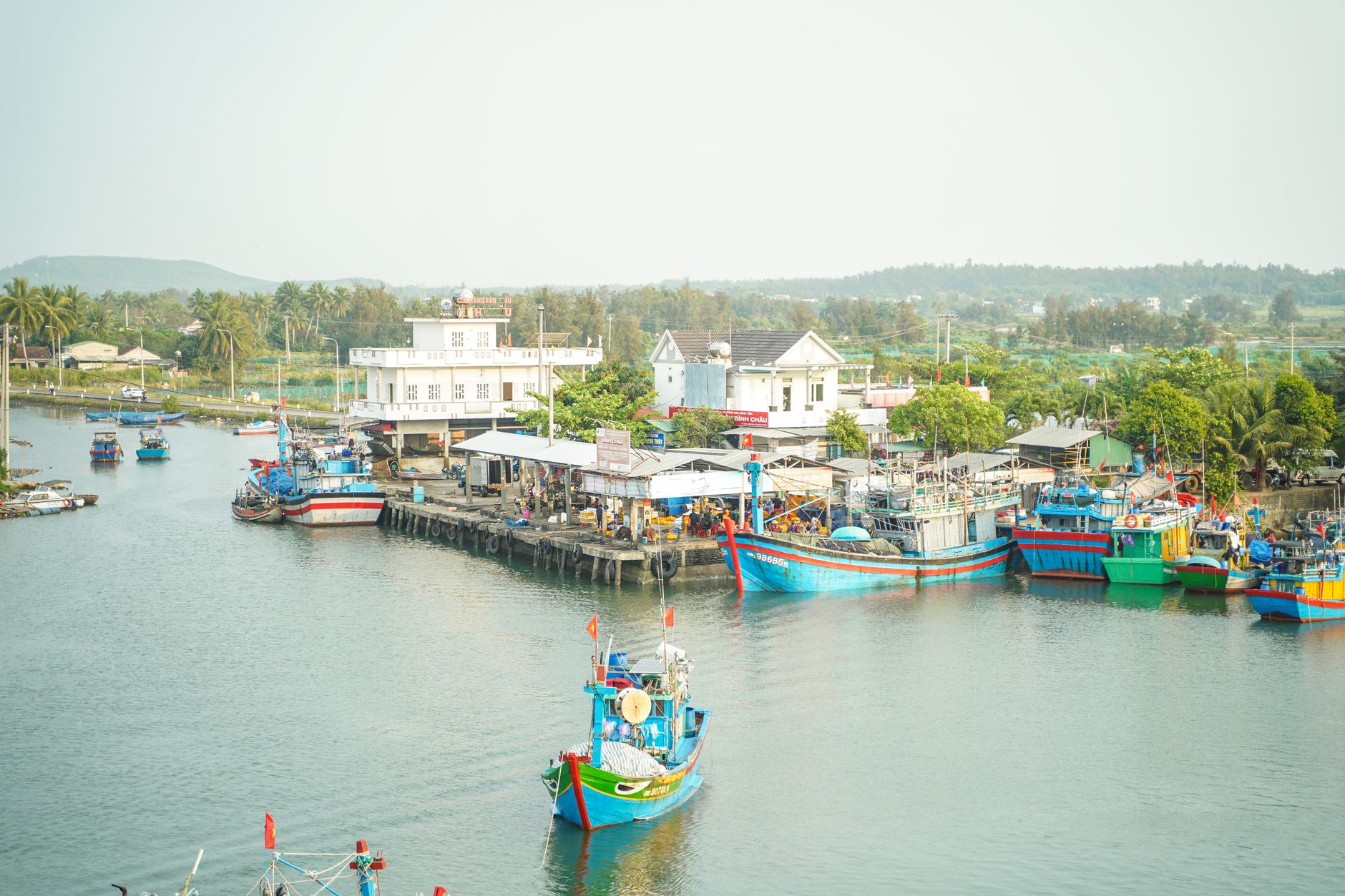
Photo by Hugo Heimendinger on Pexels
Practical tips locals would tell you
- Bring cash. There are no ATMs on the island and no one accepts card payments. Bring enough for accommodation, food, and boat fare in both directions, plus a buffer.
- Pack light but pack smart. Sunscreen, a hat, reef-safe bug spray, and a basic first-aid kit. There's a small medical station on the island, but it handles cuts and headaches, not emergencies.
- Charge everything before you go. Power on the island can be inconsistent. A portable battery bank is essential if you rely on your phone for photos.
- Learn a few Vietnamese phrases. Almost nobody on Hon Me speaks English. Even basic greetings — "xin chao", "cam on" — go a long way. A translation app works offline if you download the Vietnamese pack beforehand.
Mistakes to avoid
- Showing up without checking boat schedules. Boats don't run daily in low season. Call the Nghi Son port or ask a Thanh Hoa travel agent to confirm departure times before you commit to the trip.
- Expecting a resort experience. This is a fishing island with basic infrastructure. If you need reliable Wi-Fi or hot showers, Hon Me will frustrate you.
- Skipping sun protection. The island is exposed. There's almost no tree cover on the beaches or the ridge trail. People underestimate the central coast sun and pay for it.
- Trying to day-trip. The boat schedule makes day trips nearly impossible. Plan for at least one overnight to actually enjoy the island instead of rushing.
Practical notes
Hon Me is best treated as a 2-night side trip from Thanh Hoa or as a detour if you're traveling between Hanoi (하노이 / 河内 / ハノイ) and the central coast. It rewards patience and low expectations — the kind of place where the best moment is sitting on a plastic stool at the pier, eating grilled squid, watching the fishing boats come in at dusk.
Last updated · May 26, 2026 · independently researched, never sponsored.