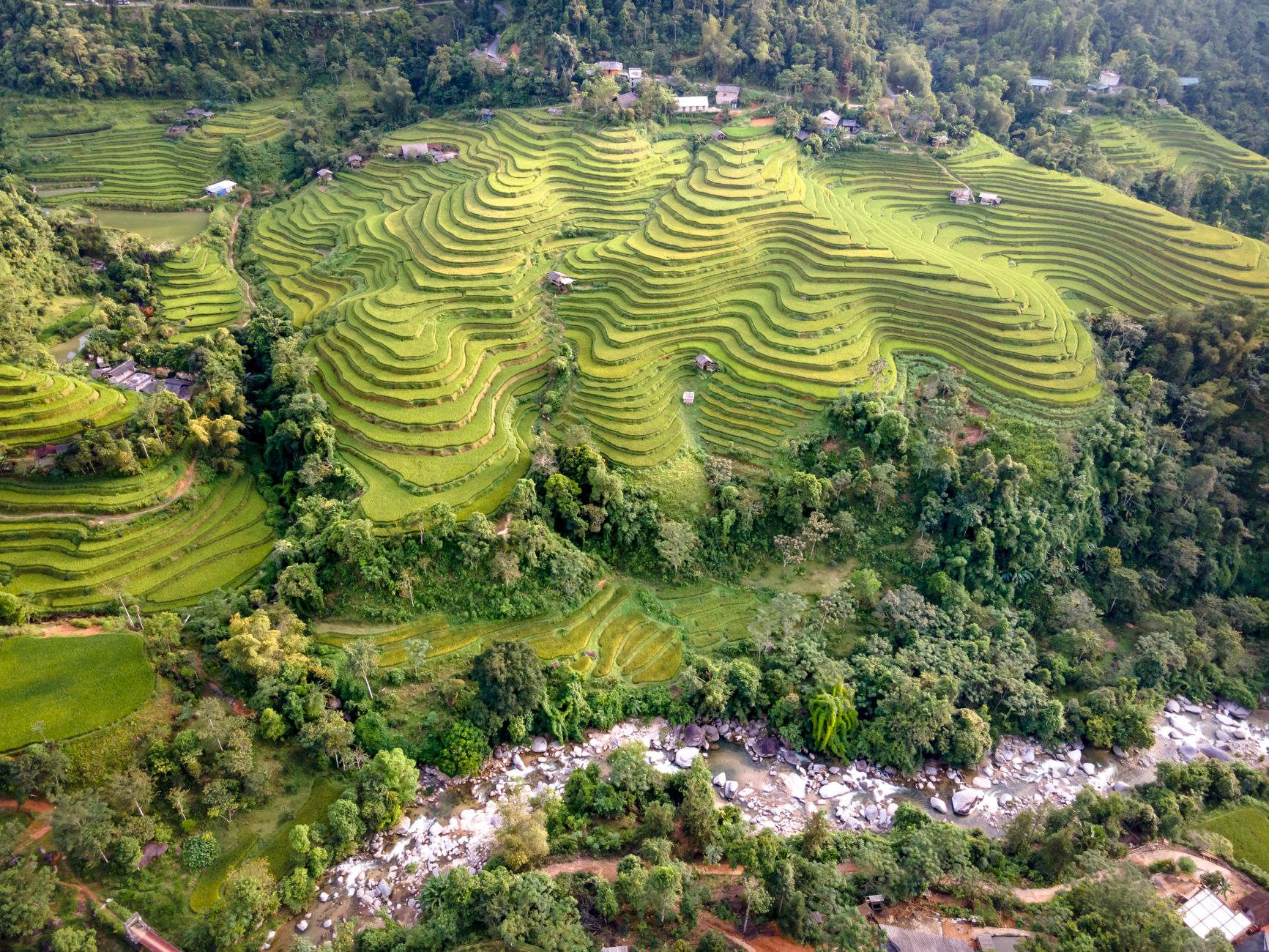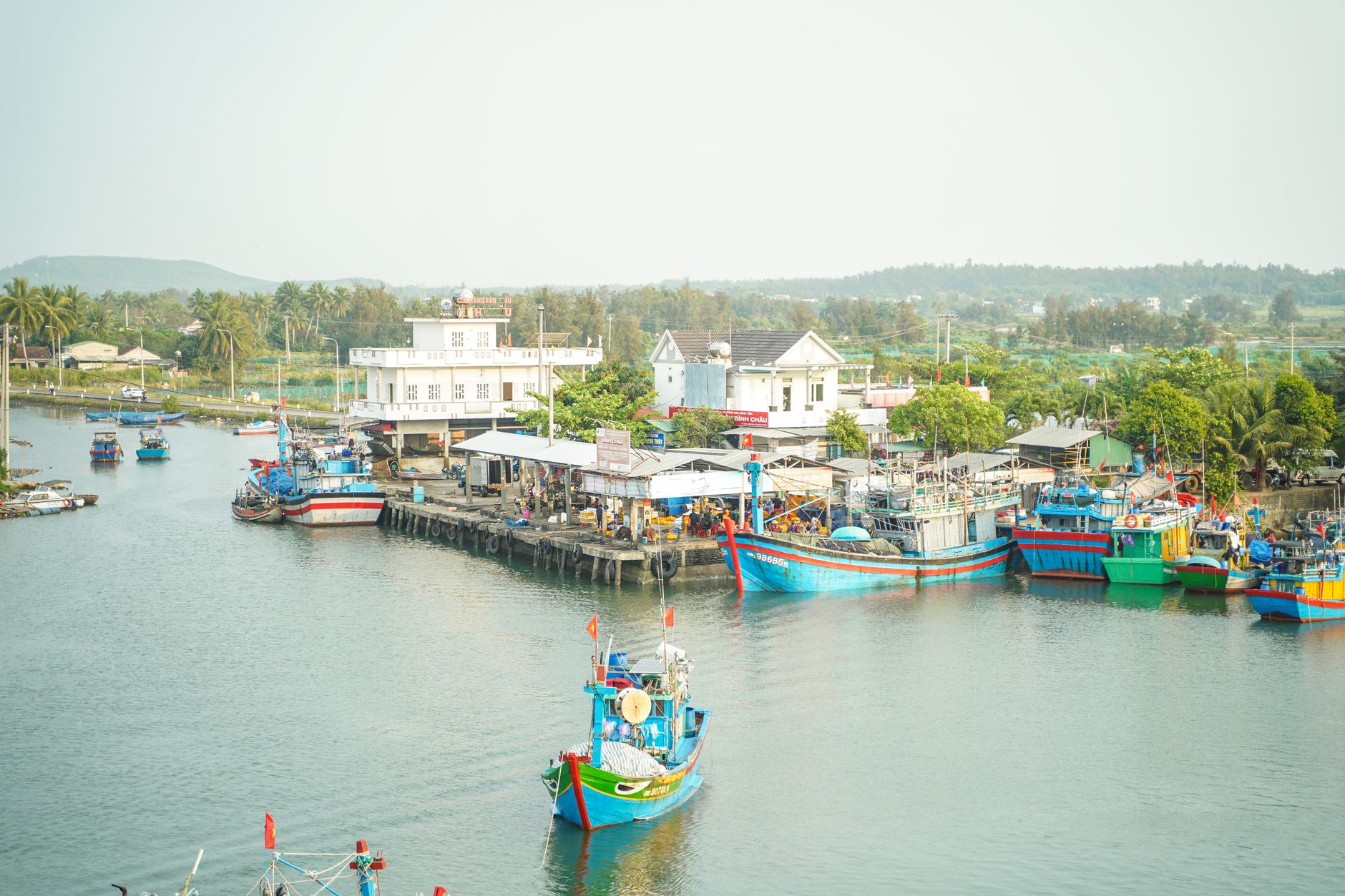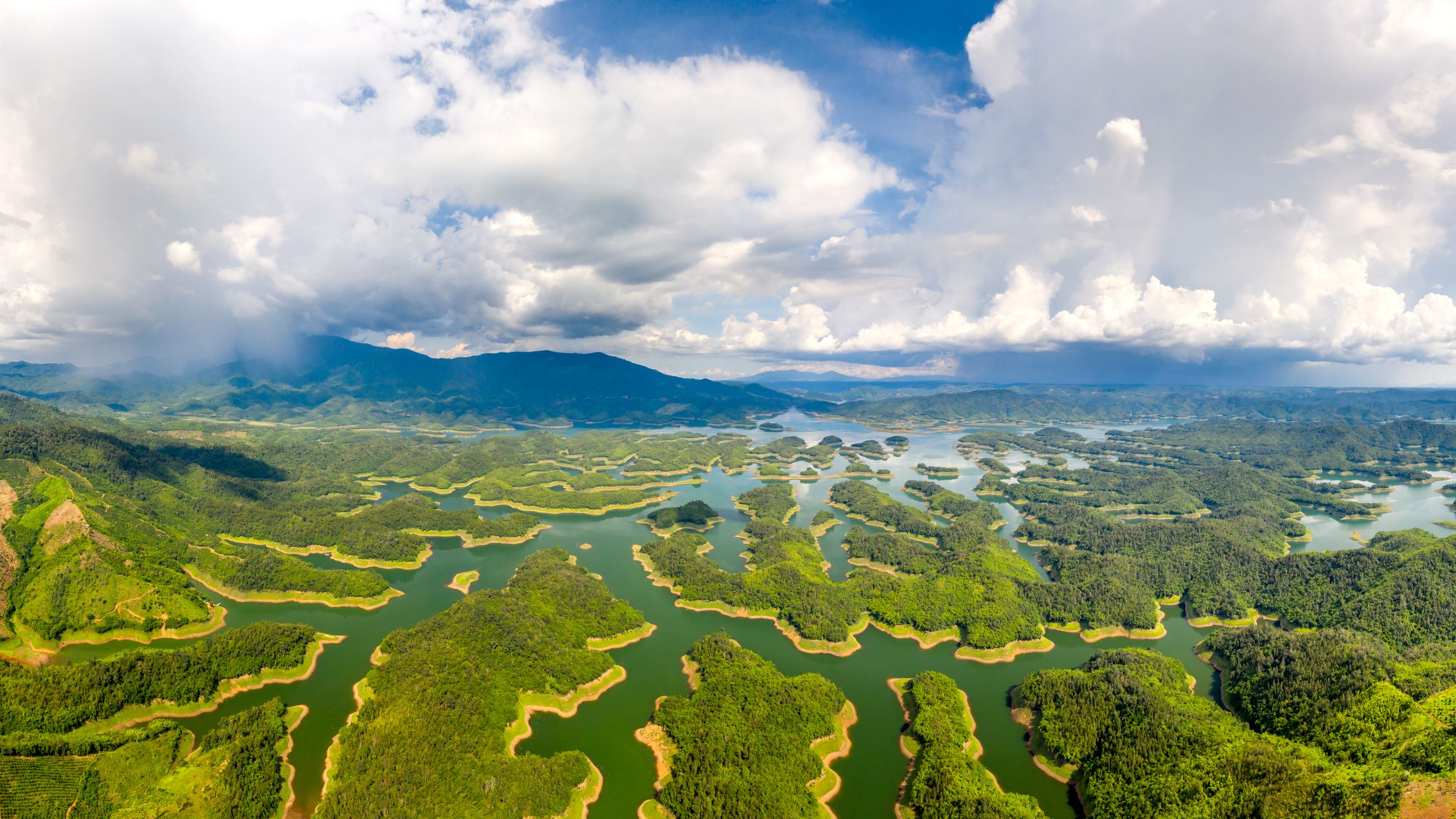
Ben En National Park covers roughly 14,000 hectares of lowland evergreen forest and a 4,000-hectare reservoir about 46 km southwest of Thanh Hoa city. It rarely appears on backpacker itineraries, which is part of the appeal — this is a place where weekday mornings feel like you've rented the entire lake.
What Ben En actually is
Established in 1992, Ben En sits in the districts of Nhu Thanh and Nhu Xuan in Thanh Hoa province. The park protects one of the last patches of lowland tropical forest in north-central Vietnam (베트남 / 越南 / ベトナム), threaded with limestone karst formations and anchored by the Muc reservoir. The reservoir was created by a dam on the Muc River, and it's the visual centrepiece — a wide, calm expanse dotted with dozens of small islands, some topped with old-growth trees.
The biodiversity here is genuine. Researchers have catalogued langurs, civets, pangolins, and over 200 bird species, though most visitors won't see much beyond kingfishers and long-tailed macaques unless they go deep into the forest with a ranger. The forest canopy is dense, humid, and largely undisturbed on the western side of the park.
Why travelers go
Ben En isn't a bucket-list destination — it's a detour for people who want forest and water without the crowd dynamics of Ha Long Bay or Ninh Binh (닌빈 / 宁平 / ニンビン). The reservoir is genuinely peaceful. You can boat between islands, swim in sections near the park headquarters, and hike through forest that feels older and wilder than most accessible parks in northern Vietnam. It's also a logical stop if you're driving the inland route between Hanoi and Hue, breaking up what's otherwise a long and monotonous stretch of highway.
Best time to visit
The dry season from October through April is the sweet spot. November to March is cooler and drier — mornings on the reservoir sit around 18-22°C, comfortable for hiking and boating. April and May get hot fast, pushing past 35°C. The rainy season from May to September brings afternoon downpours that can turn forest trails into mud channels and raise reservoir levels enough to alter boat routes. If you visit in the wet months, mornings are usually dry and the landscape is electric green, but plan activities before noon.
How to get there
From Thanh Hoa city, Ben En is about 46 km southwest. The most practical option is to rent a motorbike in Thanh Hoa — expect to pay 120,000-150,000 VND per day for a Honda Wave — and ride along QL45 (National Route 45) toward Nhu Thanh. The ride takes about 90 minutes and the road is paved the entire way, though the final stretch narrows and has some potholes after rain.
If you don't ride, hire a private car through your hotel in Thanh Hoa for around 800,000-1,000,000 VND round trip with waiting time. There are local buses from Thanh Hoa's bus station heading toward Nhu Thanh, but they're slow, infrequent, and drop you on the main road about 5 km from the park entrance — not ideal unless you're comfortable with a "xe om" (motorbike taxi) for the last leg.
From Hanoi, take the train or bus to Thanh Hoa first — the SE trains take roughly 3.5 hours, tickets run 150,000-300,000 VND depending on seat class. From Hue, it's about 5 hours by train to Thanh Hoa.

Photo by Q. Hưng Phạm on Pexels
What to do
Boat the reservoir
The main activity. Longboats operated by the park take you across the Muc reservoir and between the islands. A standard loop runs 1.5-2 hours and costs around 300,000-500,000 VND per boat (not per person), fitting 4-6 passengers. The boat weaves through karst islets that jut out of the water like oversized bonsai pots. Early morning is best — the light is softer, the water is still, and bird activity peaks.
Hike to Dong Cho peak
The main trekking route heads through primary forest to Dong Cho, the highest point in the park at around 497 metres. It's a half-day hike, roughly 4-5 hours return, and you'll want a local guide arranged through the park office (around 200,000-300,000 VND). The trail is not well-marked, and the forest gets thick quickly. Bring water — there's no resupply on the route.
Visit the islands
Several reservoir islands have basic trails. The largest one near the park headquarters has a short loop through dense canopy where macaque troops are almost guaranteed. It's a 20-minute walk, nothing strenuous, and a good option if you're not up for the Dong Cho climb.
Swim in the reservoir
The area near the park headquarters has a section where swimming is allowed. The water is clean, dark green, and warm from April onward. Ask staff where current conditions are safe — water levels shift seasonally.
Birdwatching at dawn
If you stay overnight, a 5:30 AM walk along the reservoir edge turns up kingfishers, herons, bee-eaters, and occasionally hornbills deeper in the forest. No guide necessary for the shoreline path, but bring binoculars — the canopy species stay high.
Where to eat nearby
There's no restaurant scene inside Ben En. The park headquarters has a basic canteen serving rice plates and noodle soup. For something better, eat in Nhu Thanh town (about 10 km from the park entrance) before or after your visit.
Look for "nem chua" — Thanh Hoa province is famous for this fermented pork roll, and roadside vendors along QL45 sell it fresh. It's tangy, slightly sour, wrapped in banana leaf, and costs almost nothing — a bundle of 10 rolls goes for about 30,000-50,000 VND. Pair it with a bowl of "banh canh" — the thick tapioca noodle soup common in this part of central Vietnam. A bowl at a local shop in Nhu Thanh runs 25,000-35,000 VND.
Where to stay
The park has a guesthouse near headquarters with basic rooms — air-conditioning, hot water, clean enough — for around 300,000-500,000 VND per night. It's bare-bones, but the location is right on the reservoir, which is hard to beat at that price.
If you want more comfort, stay in Thanh Hoa city where budget hotels start around 250,000 VND and mid-range options with decent beds and breakfast run 500,000-800,000 VND. This means an early start the next morning, but gives you access to the city's food scene the night before.
Camping is technically possible on some reservoir islands with park permission. Ask at the office — they sometimes allow it but will want a guide to accompany you. Bring your own gear.
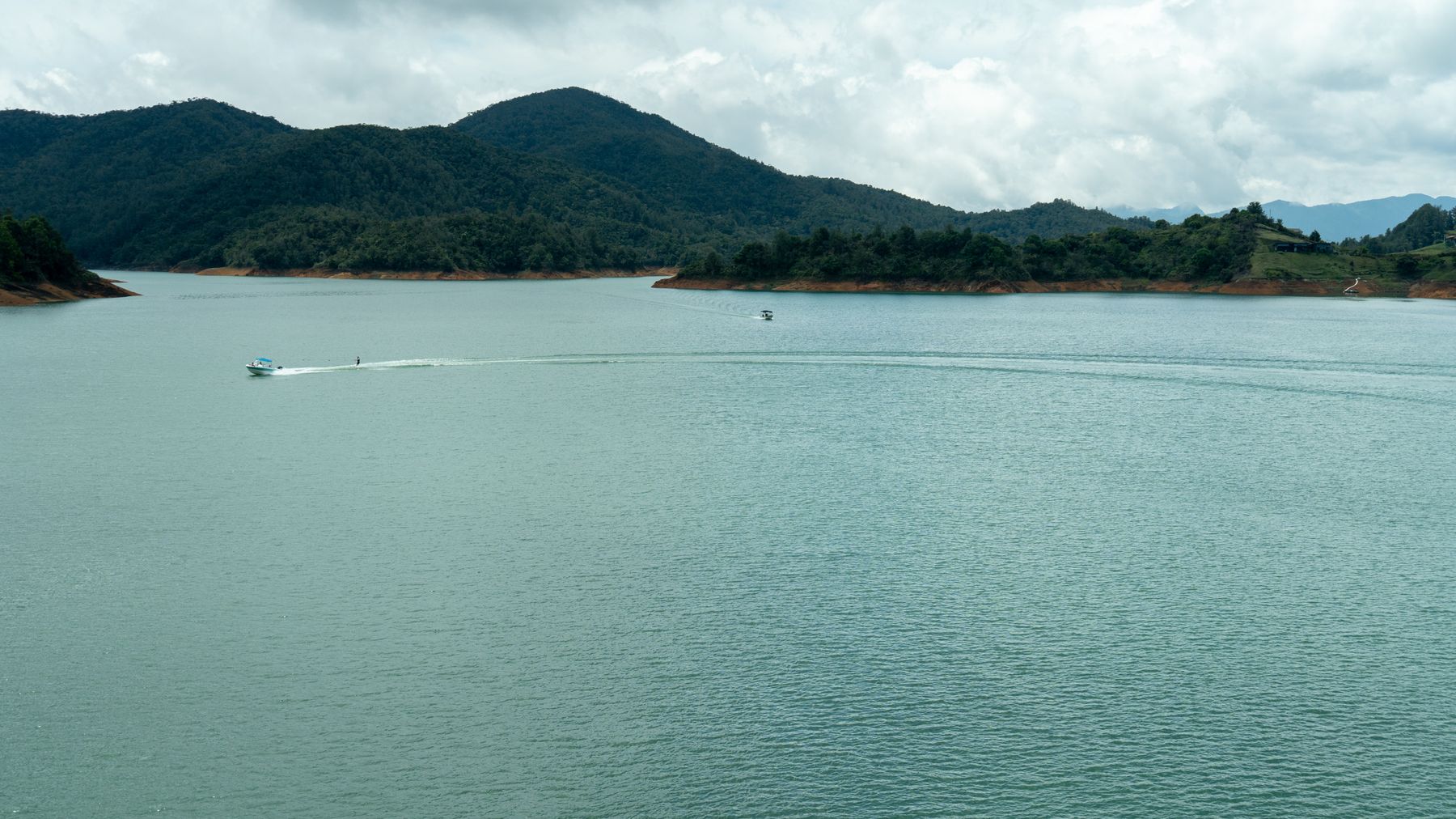
Photo by Salomé Salazar Ravagli on Pexels
Practical tips locals would tell you
- Bring cash. There are no ATMs inside the park and mobile signal drops in and out. Pay for boats and guides in cash.
- Bug spray matters. The forest is lowland and humid. Mosquitoes are thick near the water at dusk. Long sleeves after 4 PM save you grief.
- Negotiate boat prices before boarding. Rates are loosely posted at the park office but confirm the route and total price with the driver directly.
- Fuel up in Nhu Thanh. The last reliable petrol station is in town. Don't assume you'll find one closer to the park.
Common mistakes to avoid
Showing up without a plan on a rainy afternoon is the big one — if trails are muddy and boats aren't running, there's genuinely nothing to do. Check weather the morning of and aim for an early arrival.
Another mistake: treating Ben En as a half-day side trip from Thanh Hoa. The drive eats 3 hours round trip, and rushing through a boat ride and a short walk doesn't do the place justice. Give it a full day or, better, stay overnight at the guesthouse and catch the reservoir at dawn.
Don't expect Ninh Binh-level tourism infrastructure. There are no cafes, no souvenir shops, no English signage. That's the trade-off for having the place largely to yourself.
Practical notes
Park entry is 40,000 VND per person. The park office opens at 7 AM. Bring your own snacks and at least 2 litres of water if hiking. If you're combining Thanh Hoa province with a longer north-to-south trip, Ben En pairs well with a stop at Pu Luong Nature Reserve further west or a day exploring Thanh Hoa city before continuing south toward Hue.
Last updated · May 29, 2026 · independently researched, never sponsored.