Chua Sung Nghiem Dien Thanh is one of the oldest surviving Buddhist pagodas in Thanh Hoa province, dating back to the Ly dynasty. It sits in Hau Loc district, about 30 km east of Thanh Hoa city, and draws a mix of pilgrims, history nerds, and travelers working their way down Vietnam (베트남 / 越南 / ベトナム)'s central coast who want something beyond the usual circuit.
What it is and why it matters
Built during the Ly dynasty (roughly 11th century) and expanded significantly under the Tran dynasty, Chua Sung Nghiem Dien Thanh is one of the few pagodas in northern-central Vietnam that still retains stone steles and architectural fragments from almost a thousand years ago. The most important artifact is the stone stele dating to the Ly dynasty — a rare piece of carved epigraphy that historians consider among the most valuable in the region.
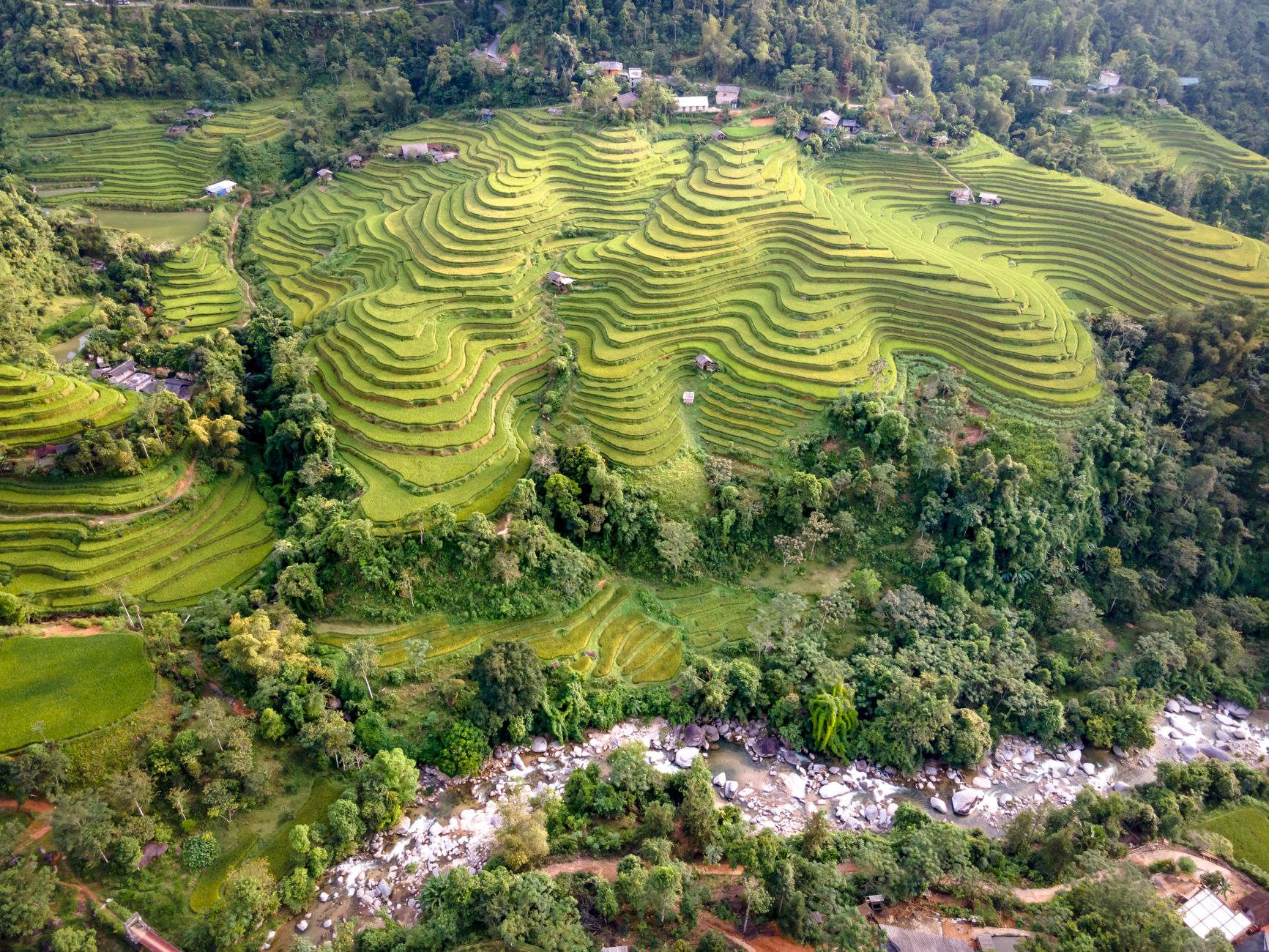
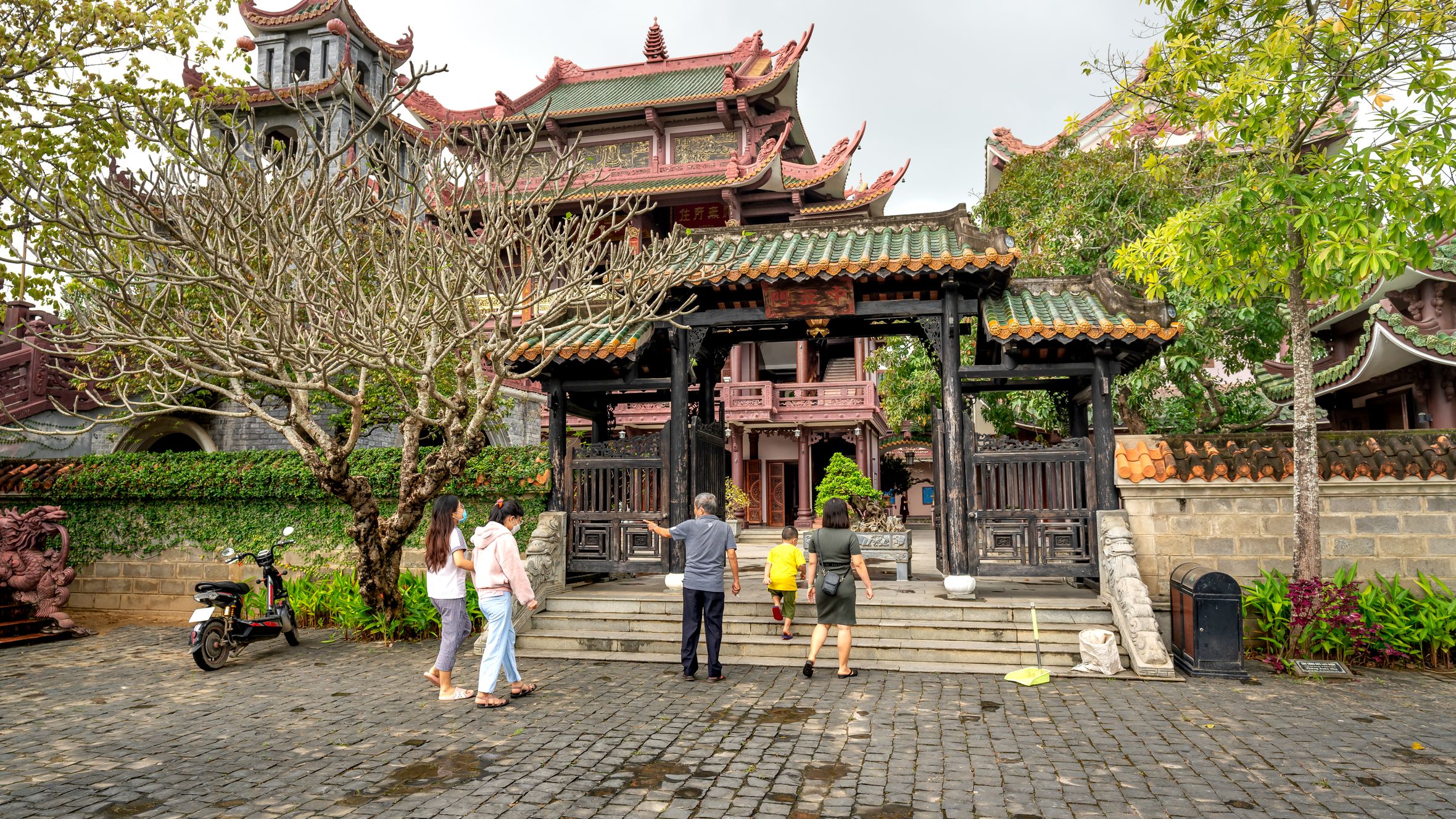
The pagoda complex isn't large or flashy. It's a working religious site in a rural commune, surrounded by rice fields and village lanes. That's part of the appeal. You're not navigating tour groups here. On a quiet weekday, you might have the courtyard to yourself, which is a different experience from the crowds at places like Bai Dinh or Tran Quoc Pagoda in Hanoi.
Why travelers go
Most visitors come for one of three reasons: the Ly-dynasty stele and Tran-dynasty stonework, the atmosphere of a genuinely old and unrestored pagoda in a rural setting, or because they're already passing through Thanh Hoa on their way between Hanoi (하노이 / 河内 / ハノイ) and Hue and want a reason to stop. If you have any interest in Vietnamese Buddhist architecture before the later Le and Nguyen dynasties reshaped most of what survives today, this is one of the better-preserved sites in the region.
It's also a functioning place of worship. Locals come here on the 1st and 15th of each lunar month, and during Tet the grounds fill with incense smoke and families making offerings. There's a small annual festival in the second lunar month that draws villagers from across Hau Loc.
Best time to visit
September through November gives you the driest weather without the worst of the summer heat. Thanh Hoa sits in the transitional climate zone between the north and central regions — summers are hot and wet, winters can be gray and drizzly. March and April also work well if you time it around the pagoda's lunar festival.
Avoid June through August unless you don't mind sweating through your shirt before 9 AM. The site is mostly outdoors, and there's limited shade in the main courtyard.
How to get there
From Thanh Hoa city center, Chua Sung Nghiem Dien Thanh is about 30 km east, in Thinh Loc commune, Hau Loc district. The most practical options:
- Motorbike (recommended): 40-50 minutes from Thanh Hoa city. Head east on QL1A then turn onto provincial roads toward Hau Loc. The last few km are narrow village roads — follow signs for the pagoda or ask locals for "Chua Sung Nghiem." Rental bikes in Thanh Hoa city run 120,000-150,000 VND/day.
- Grab/taxi: A one-way car from Thanh Hoa city center runs roughly 250,000-350,000 VND. Grab coverage in Hau Loc is thin, so arrange a return trip with your driver or be prepared to wait.
- Local bus: Buses run from Thanh Hoa city to Hau Loc town, roughly 15,000-20,000 VND, but you'll still need a xe om (motorbike taxi) for the final 5-6 km to the pagoda. Not the most efficient route unless you're on a tight budget.
If you're coming from Hanoi, take a train or bus to Thanh Hoa (about 3-3.5 hours by train, tickets from 80,000 VND for a hard seat) and arrange transport from there.

Photo by Hữu Thịnh 79 on Pexels
What to do
Examine the Ly-dynasty stele
The stone stele is the single most important object here. It's inscribed with historical text about the pagoda's founding and carries calligraphy from the Ly period. Even if you can't read classical Chinese characters, the craftsmanship of the carving is worth a close look. A small information board nearby provides some context in Vietnamese.
Walk the main hall and courtyard
The pagoda's main worship hall has been rebuilt and repaired over the centuries, but parts of the stone foundation and several carved stone elements are original Tran-dynasty work. Look for the dragon and lotus carvings on the stone bases — they're distinctly different from later Nguyen-dynasty aesthetics you see at places like the Tomb of Tu Duc or the Tomb of Khai Dinh in Hue.
Talk to the resident monks
If you visit on a calm day, the monks are often happy to chat. Basic Vietnamese helps enormously here — this isn't a tourist-oriented site, so don't expect English signage or guides. A few polite phrases and genuine curiosity go further than a phrasebook.
Explore the surrounding village
Thinh Loc commune is a typical northern-central Vietnamese village. Rice paddies, narrow concrete lanes, dogs napping in doorways. A 20-minute walk around the area gives you a sense of rural life in Thanh Hoa that you won't get from the highway.
Combine with Sam Son Beach
Sam Son Beach is about 20 km south of the pagoda. It's a domestic holiday beach — not exactly pristine, but lively on weekends and a decent excuse to extend a Thanh Hoa day trip if you want variety.
Where to eat nearby
Hau Loc district isn't a food destination, but Thanh Hoa province has its own culinary identity. Two things worth seeking:
- "Nem chua" Thanh Hoa: The province's famous fermented pork roll, wrapped in banana and guava leaves. You'll see it sold at roadside stalls throughout Hau Loc and Thanh Hoa city. Packs of 10 pieces go for around 40,000-60,000 VND. Tangy, sour, slightly spicy — good with beer.
- "Banh cuon" with local fillings: Look for breakfast stalls in Hau Loc town serving steamed rice rolls with pork and mushroom. Simple, cheap (25,000-35,000 VND for a plate), and made fresh.
For a proper meal, head back to Thanh Hoa city where you'll find more restaurant options along Le Loi and Tran Phu streets.
Where to stay
There's no accommodation in Thinh Loc commune itself. Stay in Thanh Hoa city:
- Budget: Nha nghi (guesthouses) near the train station from 200,000-350,000 VND/night. Basic but functional.
- Mid-range: Hotels along Tran Phu or Le Loi streets run 400,000-700,000 VND/night with air conditioning, Wi-Fi, and breakfast.
- Upper mid-range: Muong Thanh Thanh Hoa and similar chain hotels from 800,000-1,200,000 VND/night if you want reliable comfort.
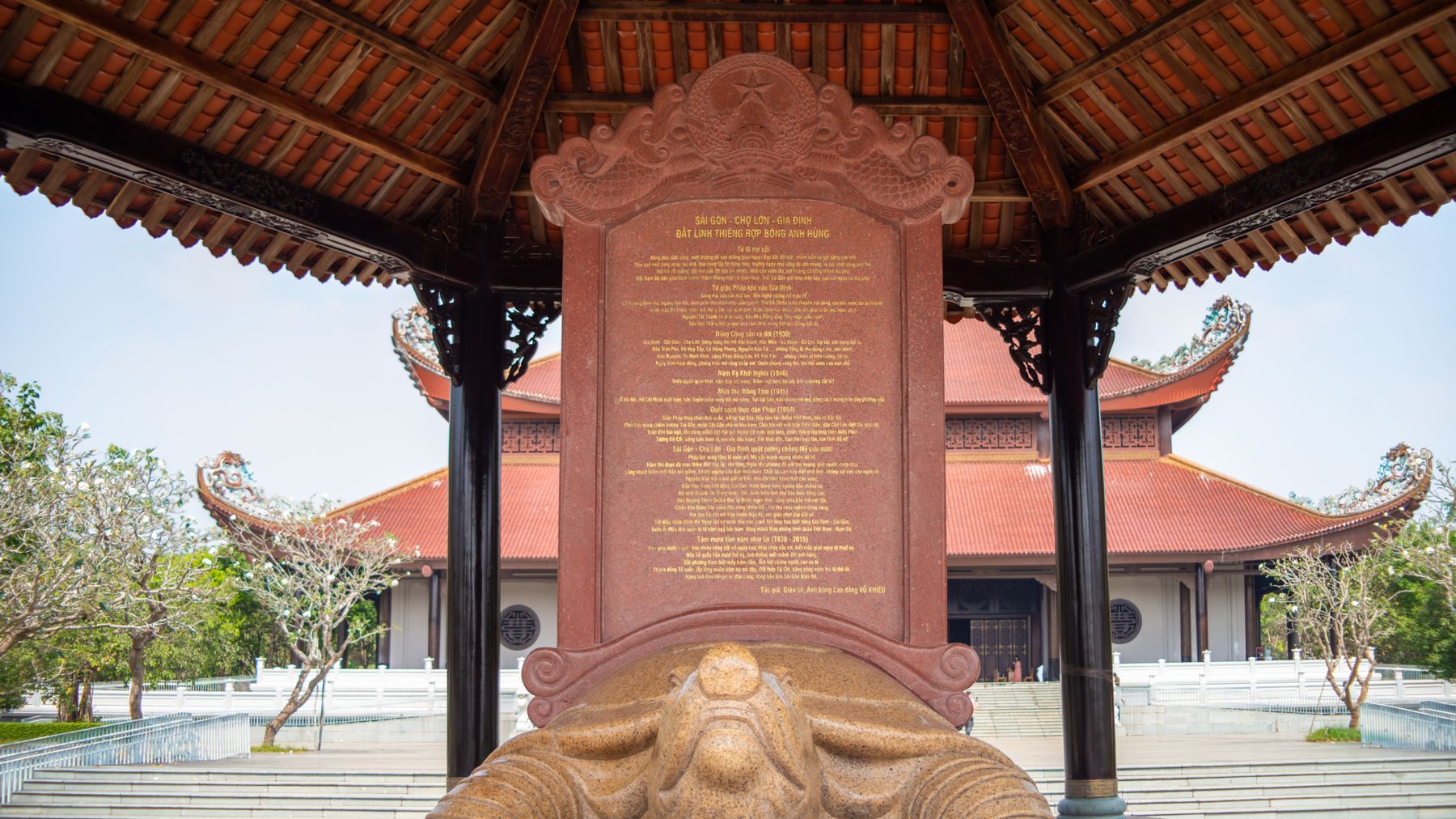
Photo by Ty Nguyễn on Pexels
Practical tips
- Dress modestly. This is an active religious site. Cover your shoulders and knees. Remove shoes before entering the main hall.
- Bring cash. There are no ATMs near the pagoda. Stock up in Thanh Hoa city.
- Go early. Morning light is best for the courtyard, and you'll beat any midday heat. Aim to arrive by 8-9 AM.
- Don't expect English signage. Download Google Translate's Vietnamese offline pack before you go. A screenshot of the pagoda's name in Vietnamese (Chua Sung Nghiem Dien Thanh) on your phone helps when asking for directions.
Common mistakes to avoid
- Rushing it as a checkbox stop. The pagoda is small, but the value is in slowing down and actually looking at the stonework and setting. Give yourself at least an hour.
- Visiting only the pagoda with no onward plan. Hau Loc district doesn't have much else for tourists. Combine it with Sam Son or other Thanh Hoa stops so the 30 km drive feels worthwhile.
- Forgetting sunscreen and water. There's limited shade and no convenience store at the site. Pack both.
Practical notes
Chua Sung Nghiem Dien Thanh is a side-trip, not a headline destination. But if you're passing through Thanh Hoa — especially on a Hanoi-to-Hue run — it's one of the more rewarding detours in a province most travelers skip entirely. Budget half a day including transport from Thanh Hoa city.
Last updated · May 29, 2026 · independently researched, never sponsored.