A single order of "banh beo" — those shallow, thumb-sized steamed rice-flour discs topped with dried shrimp, crispy pork rinds, and a drizzle of scallion oil — arrives in a stack of ten to fifteen. It's a snack format masquerading as a meal. Eat it alone and you'll be hungry again in forty minutes. Eat it the way Hue people do, folded into a broader spread of small plates, and you've got one of the better lunches in the country.
What Banh Beo Actually Is
The discs are made from a thin rice-flour batter poured into small ceramic saucers, then steamed until just set — soft but not slippery, with a slight chew at the edges. The topping is restrained: a pinch of dried shrimp paste or whole dried shrimp, a few shards of "tom chien" (fried pork skin or shrimp crackers depending on the shop), and a spoonful of nuoc cham poured directly over or served alongside. You scrape each disc off the saucer with a small spoon and eat it in one or two bites.
The flavor is delicate — almost understated for a city known for intensity. The fish sauce does most of the work. Which is exactly why banh beo needs company.
The Hue Small-Plate Logic
Hue (후에 / 顺化 / フエ) cuisine operates on accumulation. A meal isn't one dish — it's four or five small ones that build on each other. Banh beo fits into this structure naturally. Most shops that serve it also have "banh nam" (flat steamed parcels wrapped in banana leaf with minced shrimp) and "banh loc" (translucent tapioca dumplings, either open or wrapped, with whole shrimp and pork). These three are the classic trio. Order all of them.
Banh loc is the richest of the three — the tapioca wrapper has a dense chew and the filling is meatier. Banh nam is the softest, with a more muted shrimp flavor and a faint grassiness from the banana leaf. Against both of those, banh beo reads as the lightest and most delicate. The contrast is the point.

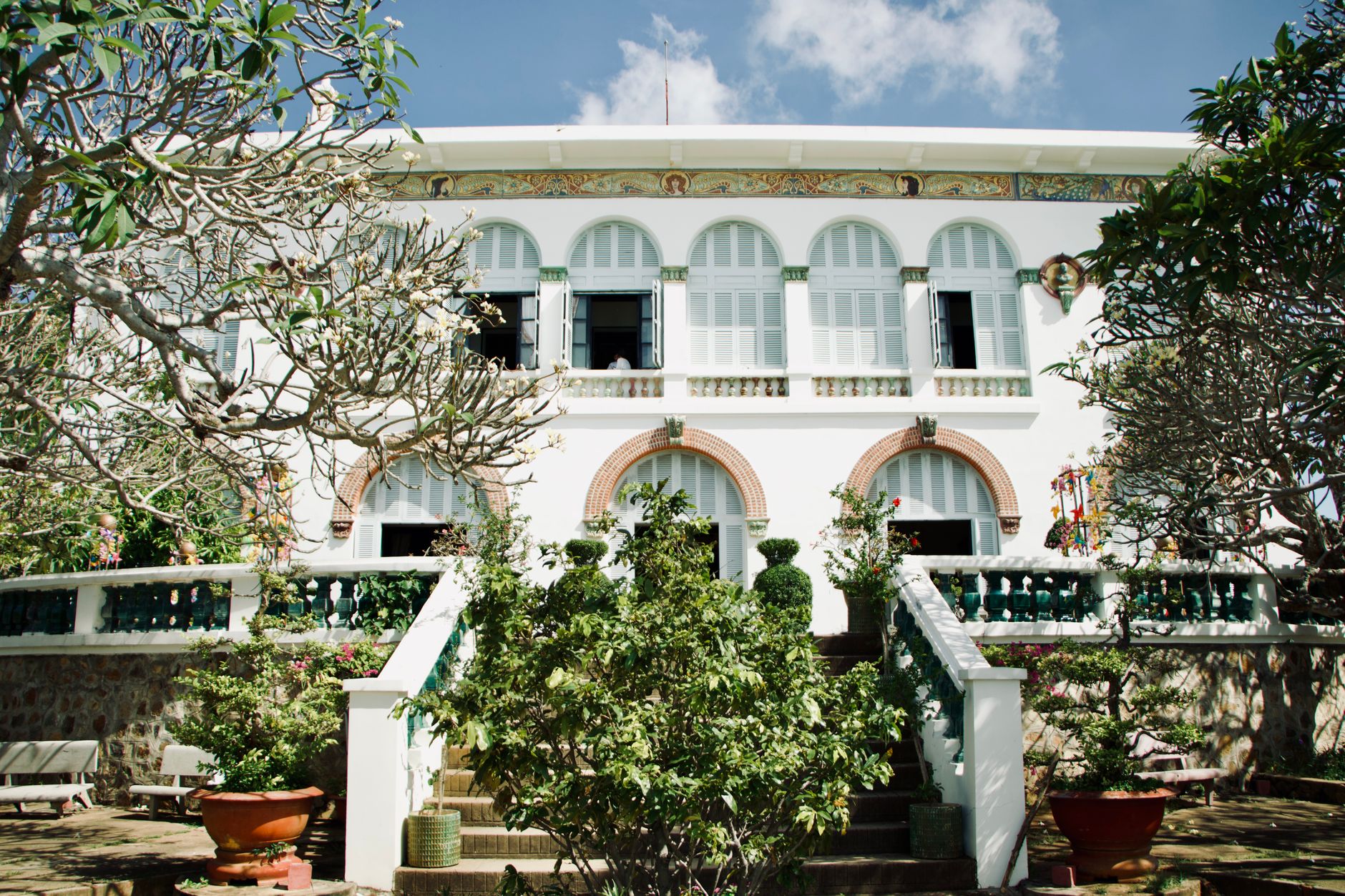
Photo by Tuan Vy on Pexels
What Else to Add
Something with bite
"Banh ram it" is worth tracking down if the shop carries it. It's a hybrid: a crispy fried rice cake base topped with the same soft banh beo layer, so you get crunch and chew in one piece. Not every shop makes it, but when they do, it's the best textural counterpoint on the table.
If the shop doesn't have banh ram it, a small plate of "nem lui" — lemongrass skewers of pork paste, grilled — adds enough char and fat to balance the steamed dishes. Some banh beo shops on Nguyen Binh Khiem street sell nem lui as a side; others don't, so check the handwritten menu board first.
Something to drink
Skip beer for a lunch like this. The standard pairing in Hue is "tra o long" (oolong tea) served iced, or plain hot green tea. Both cut through the fish sauce without competing with it. If you're after something cold, the local "nuoc mia" (sugarcane juice) pressed fresh works fine — 10,000–15,000 VND a glass.
Where to Go in Hue
Quan Banh Beo Ba Cu, 11 Nguyen Binh Khiem — this is a narrow shophouse that's been doing the same thing for decades. The banh beo here is slightly firmer than average, which makes it easier to scoop cleanly. A stack of fifteen runs about 25,000–30,000 VND. Banh loc and banh nam are both on the menu. Open from around 7 a.m. to noon; they sell out and close, so don't plan a late lunch here.
Banh Beo Chi Hen, in the Kim Long neighborhood about 4 km northwest of the citadel — a quieter, more residential setting. The fish sauce is sweeter here, closer to the Hue royal kitchen style. Full spread for two people with drinks comes to around 80,000–100,000 VND. Opens at 6:30 a.m.
Both spots are local-facing. No English menus, but ordering is easy: hold up fingers for how many portions you want of each dish. Staff will understand.
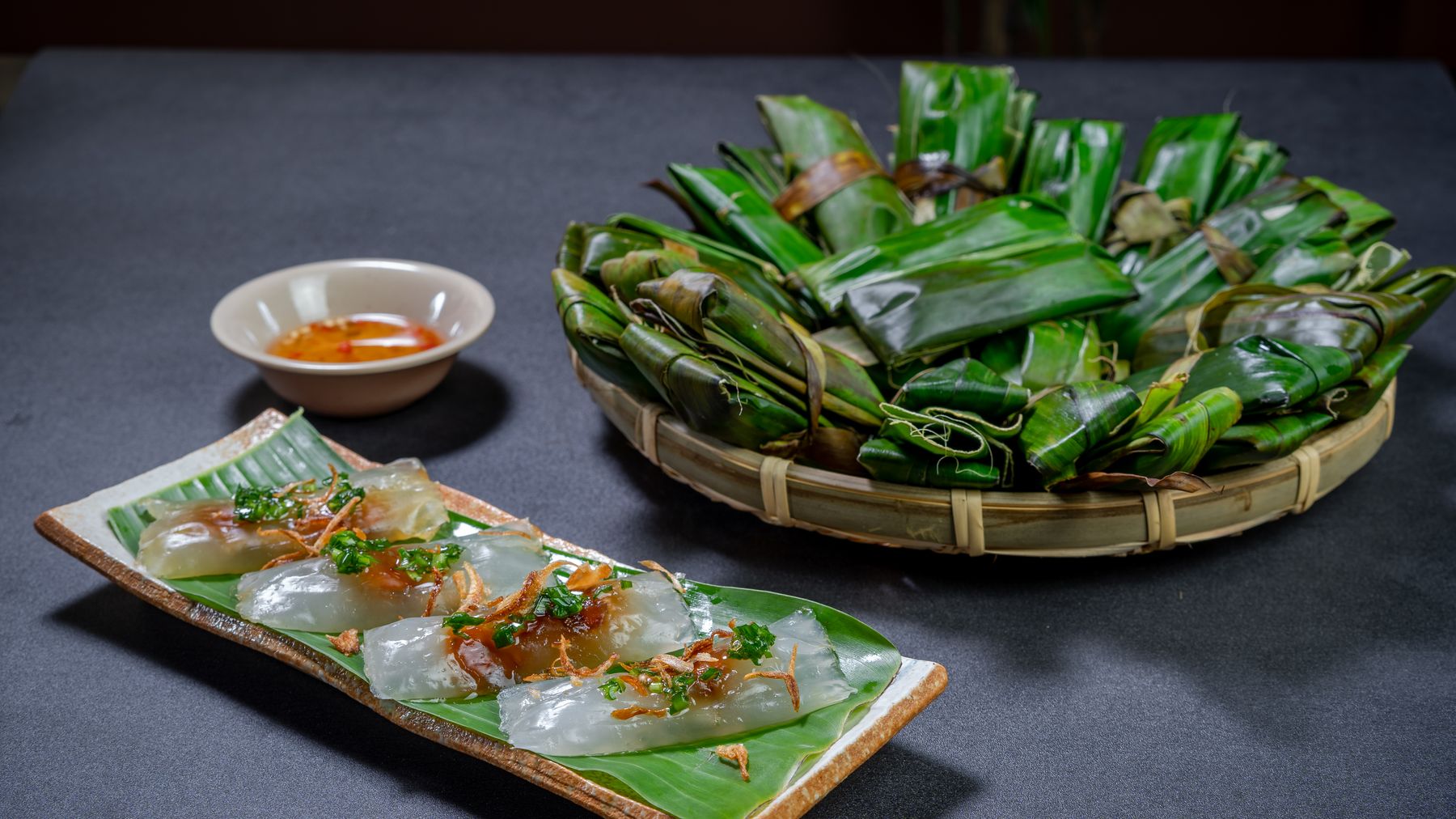
Photo by Hải Nguyễn on Pexels
How Much to Order
For a solo diner building a full meal: one stack of banh beo (15 pieces), one portion of banh loc (usually 5–6 pieces), and one banh nam is about right — filling without tipping into heavy. For two people, add a second stack of banh beo and a plate of banh ram it if available. Total cost for two: 120,000–150,000 VND, drinks included.
The meal is cheap, fast, and best eaten before noon. Hue's small-plate tradition doesn't really do dinner — most of these shops are gone by early afternoon.
Practical Notes
Bring small bills; 10,000 and 20,000 VND notes are useful. Most banh beo shops are cash only. The Nguyen Binh Khiem strip in central Hue has the highest concentration of options within walking distance of the Imperial Citadel — if you're already planning a morning at the citadel, lunch here is a natural follow-on.
Last updated · May 26, 2026 · independently researched, never sponsored.