When the skies open up in Central Vietnam (베트남 / 越南 / ベトナム) between October and December, the typical beach-focused itinerary falls apart. Instead of fighting the weather, lean into the slower pace, the mist-covered mountains, and the indoor comforts of the region's culinary heritage. This 10-day route focuses on Hue, Da Nang, and Hoi An, where the rain often adds a moody, atmospheric quality to the historic architecture.
Day 1-3: Hue and the Imperial Legacy
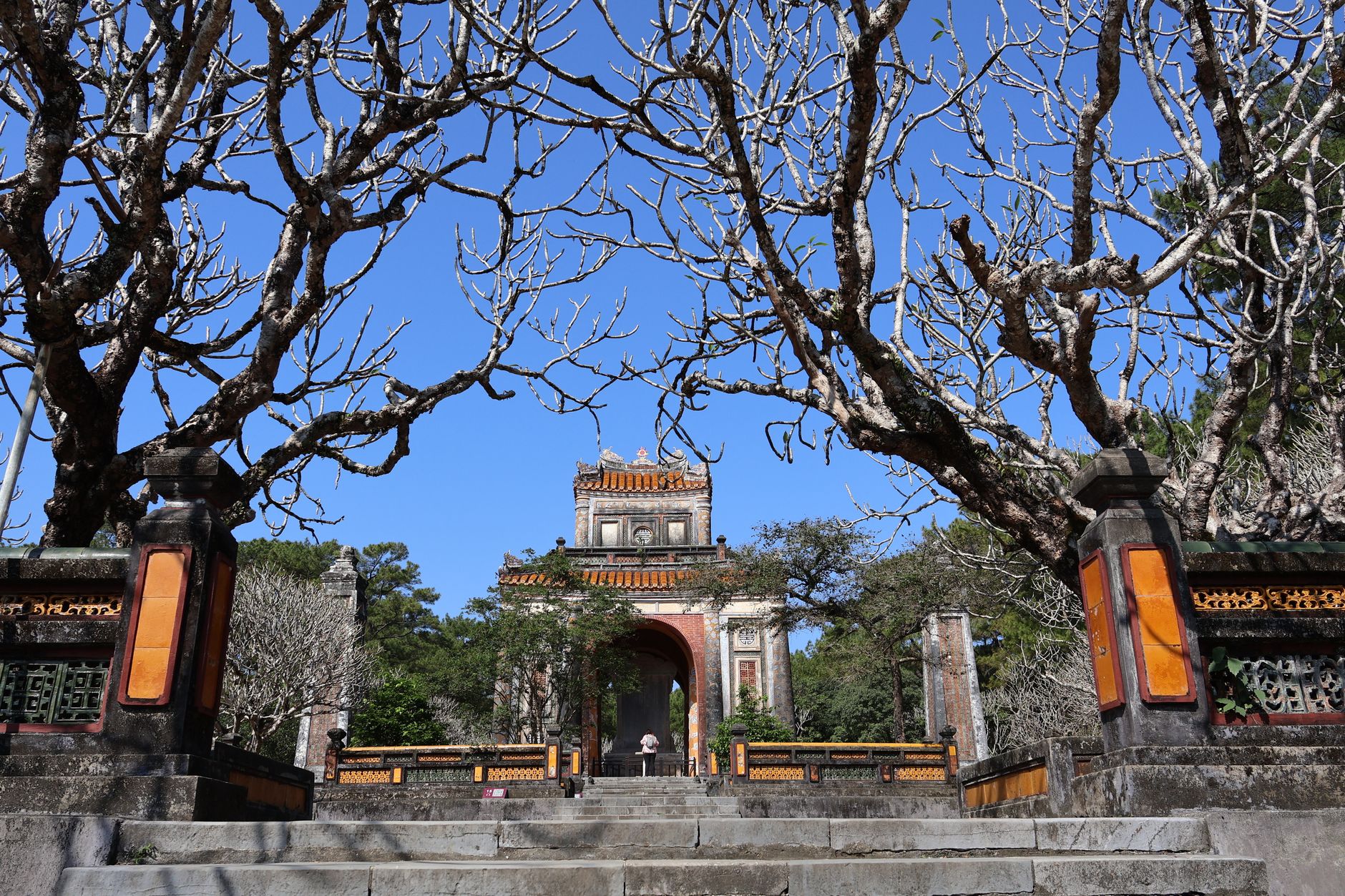
Start in Hue (후에 / 顺化 / フエ), where the rain feels almost intentional. The grey skies suit the weathered stone of the "Tomb of Tu Duc" and the "Tomb of Khai Dinh". Spend your first two days exploring the "Imperial Citadel Thang Long" (the local version in Hue) while wearing a sturdy "non la".
For food, the rainy season is prime time for "bun bo hue". Seek out the small, nondescript stalls near the Dong Ba market where the broth is spicy enough to cut through the damp chill. In the evenings, retreat to a cafe for "vietnamese coffee" and watch the rain hit the Perfume River.
Day 4-6: Da Nang and Indoor Comforts
Travel south to Da Nang. While the beaches are off-limits, the city offers excellent indoor options. Spend a day at the Cham Museum or explore the local markets. If the rain persists, head to a cooking class to learn the nuances of "mi quang" or "banh xeo".
Da Nang is also the best place to sample "banh canh", a thick noodle soup that is perfect for a wet afternoon. If you need a break from the humidity, take a taxi up to the Ba Na Hills area—even if the "Golden Bridge" is obscured by clouds, the misty mountain atmosphere is a unique experience compared to the clear-day crowds.
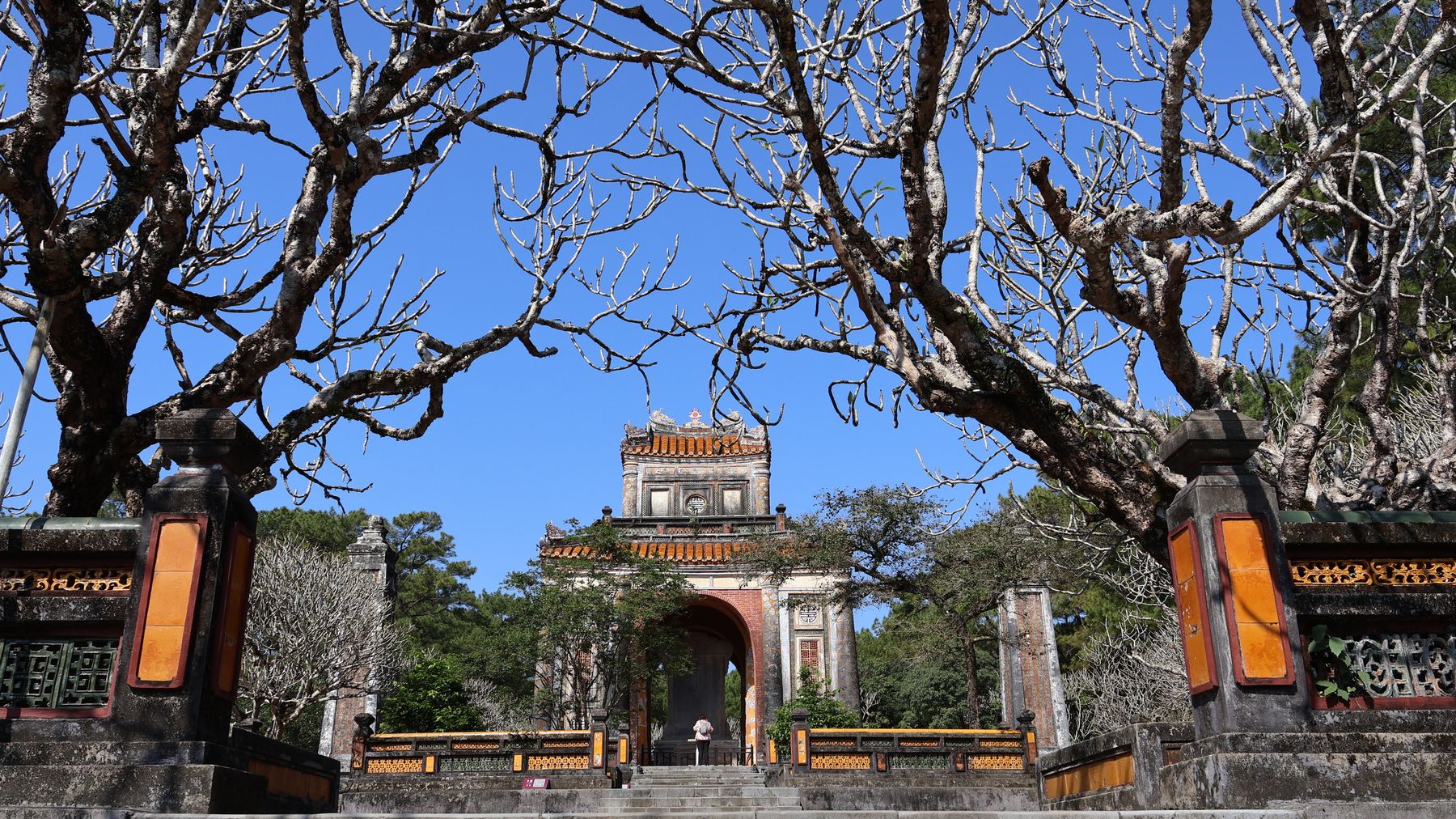
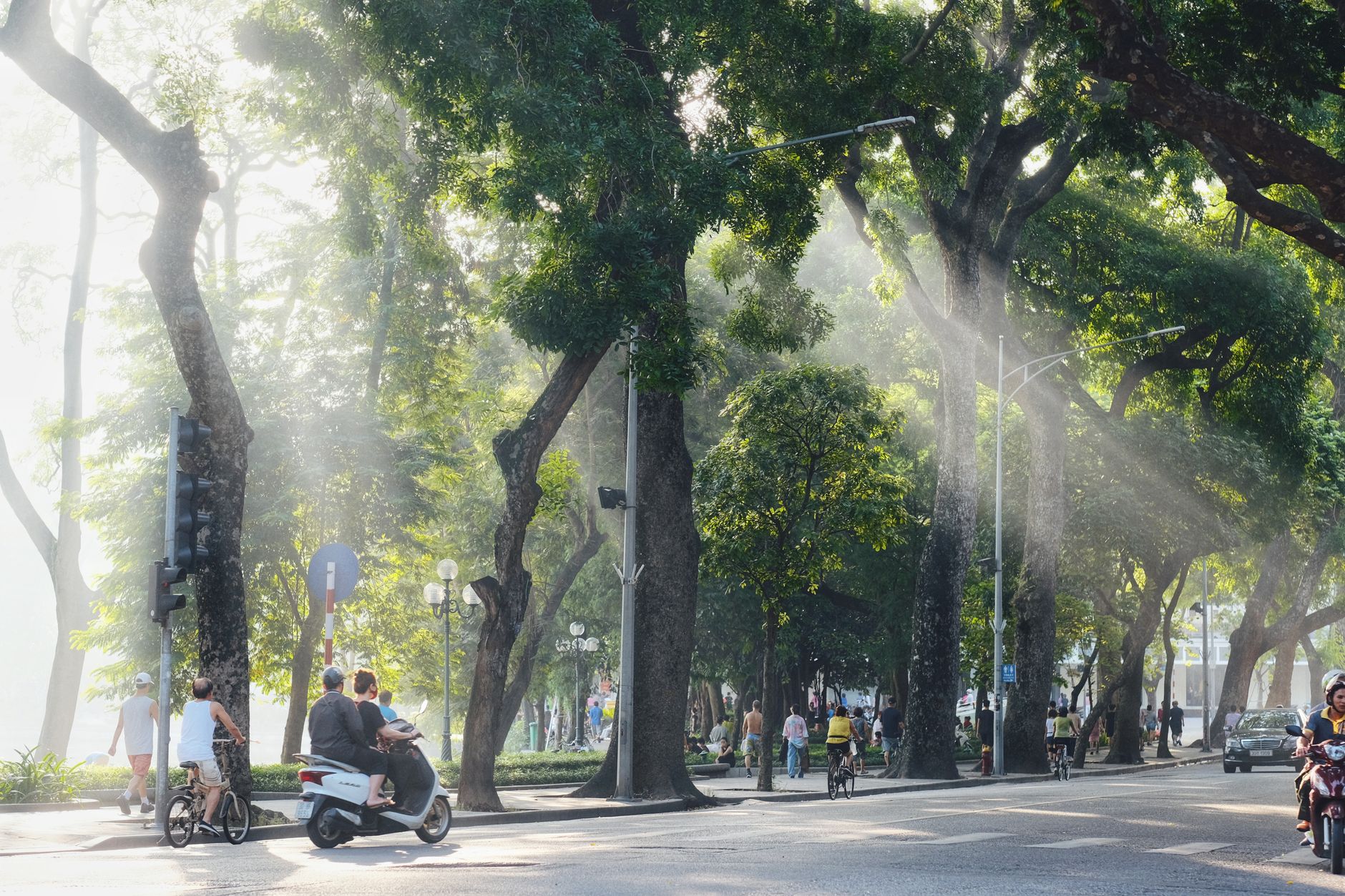
Photo by Minh Lê on Pexels
Day 7-9: Hoi An and the Slow Life
Continue south to Hoi An. During the rainy season, the Ancient Town can experience minor flooding, which is a local reality rather than a disaster. The streets become quiet, and the lanterns glow brighter against the dark, wet pavement.
This is your time to focus on the food. You cannot leave without eating "cao lau", a dish unique to this town, and hunting down the best "banh mi" in the region. Spend your afternoons in a tailor shop or a quiet gallery. If the rain is heavy, take a short trip to a nearby village to see how "banh chung" or other traditional snacks are prepared in covered workshops.

Photo by Toàn Đỗ Công on Pexels
Day 10: Departure
Wrap up your trip with a final bowl of "bun rieu" in Da Nang before heading to the airport. The rainy season in Central Vietnam is not about checking off a list of sights; it is about finding the rhythm of a place that doesn't stop just because the clouds rolled in.
Practical notes
Pack a high-quality, lightweight rain jacket and waterproof footwear; umbrellas are often useless against the wind. Always keep a dry bag for your electronics, as the humidity can be intense even when it isn't actively raining. Check local transit apps for bus or train delays, as heavy rain can occasionally slow down regional travel.
Last updated · May 30, 2026 · independently researched, never sponsored.