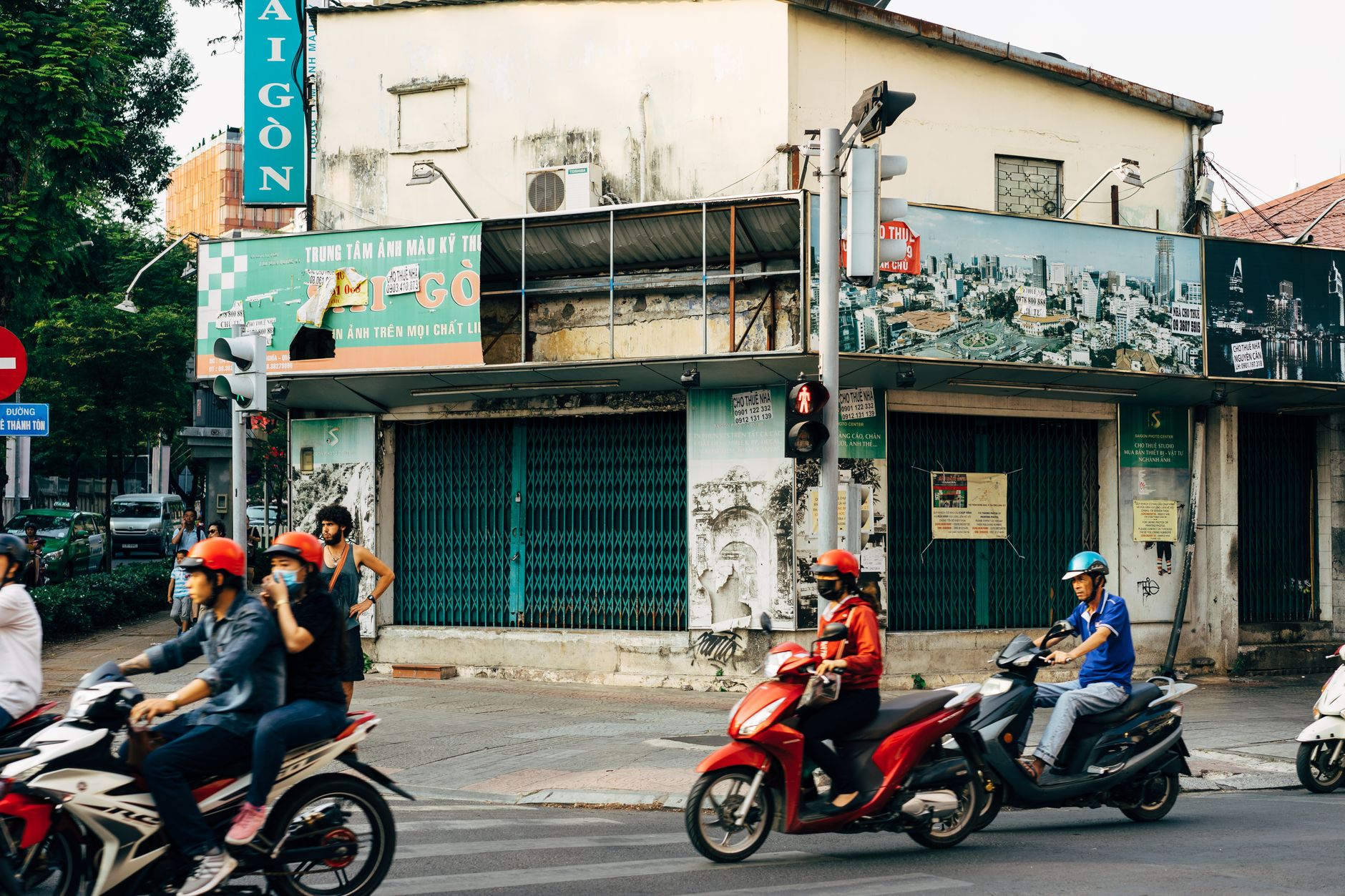
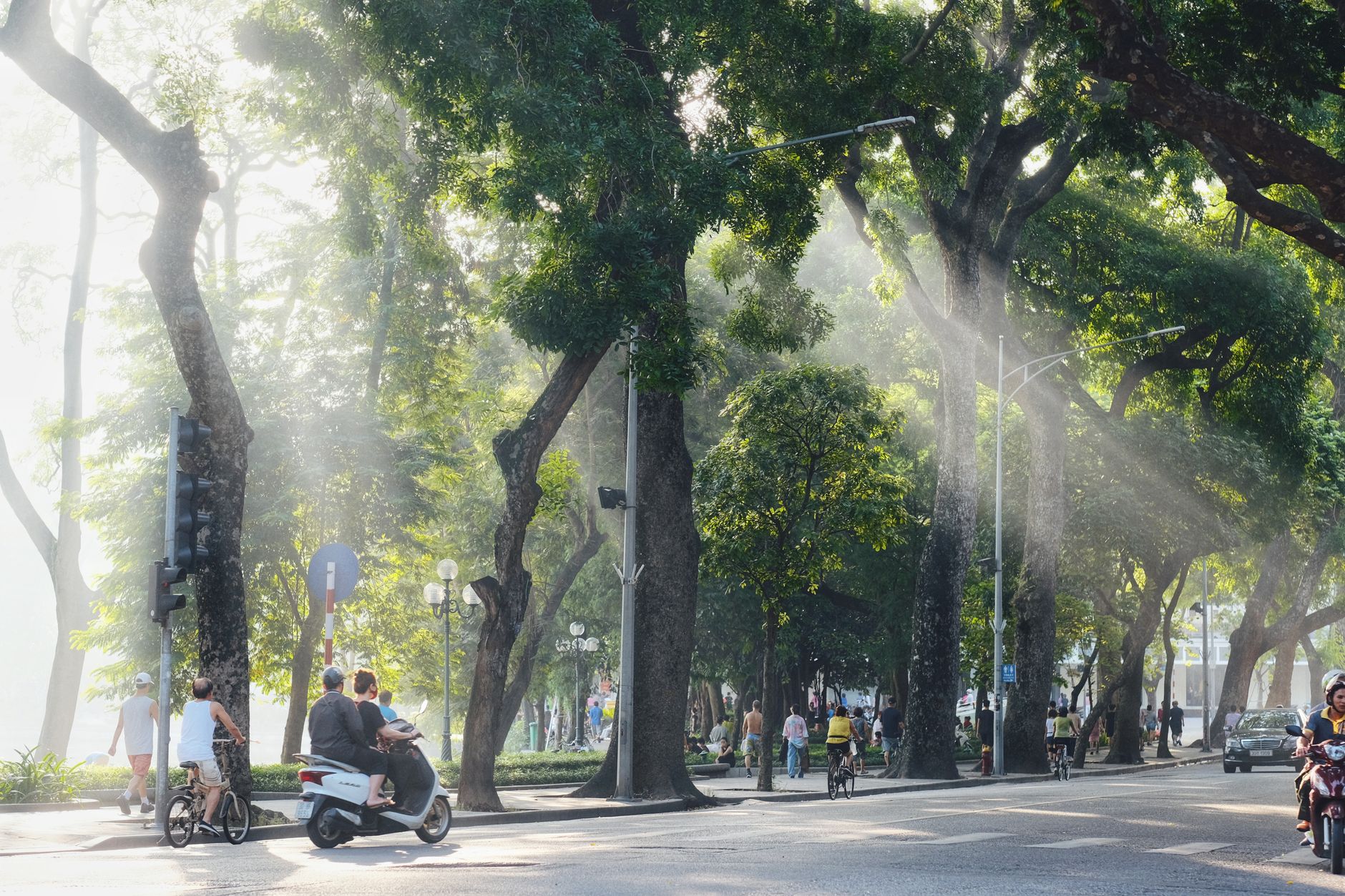
Traveling through Central Vietnam (베트남 / 越南 / ベトナム) during the monsoon season requires a shift in expectations. You will not be spending your days lounging on the sand in Da Nang or cycling through the rice fields of Hoi An. Instead, you will be navigating the region's rich indoor culture, ducking into cafes, and timing your transit between heavy downpours. If you accept that your shoes will get wet, you will find that the crowds are thin and the atmosphere in the ancient towns is moody and quiet.
Day 1-3 — Hue: The Imperial Capital in the Mist
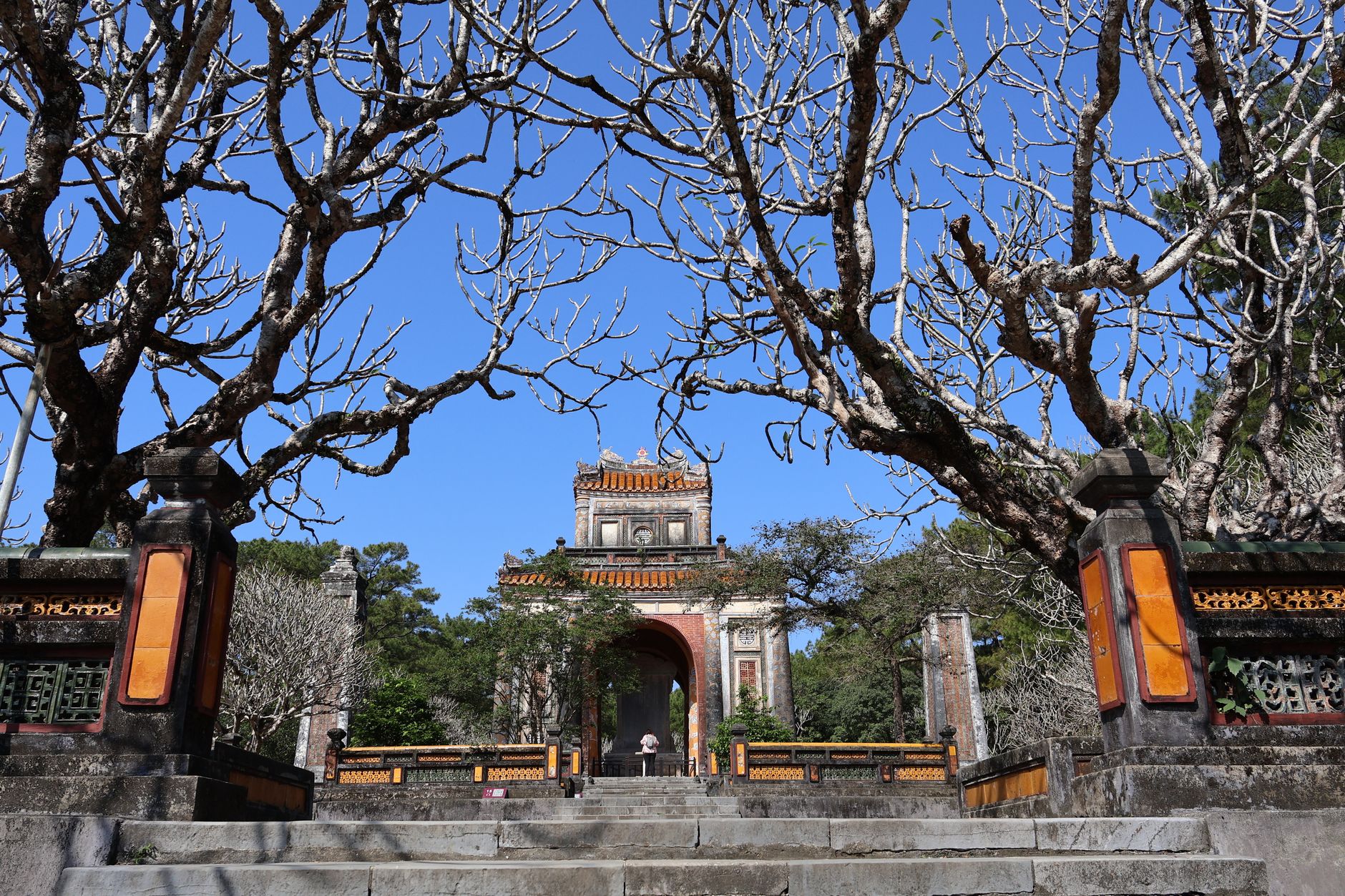
Start in Hue. The rain here feels different—it settles over the Perfume River and the hills, giving the "Tomb of Tu Duc" and the "Tomb of Khai Dinh" a somber, cinematic quality. Spend your first day inside the "Imperial Citadel Thang Long" (the Hue version) where the stone corridors offer shelter.
Focus on the food. Hue (후에 / 顺化 / フエ) is the culinary heart of the region. Spend your mornings in the local markets with a bowl of "bun bo hue" to warm up. In the evenings, find a small stall serving "banh beo" or "banh nam"—steamed rice cakes that are perfect for a rainy night. If the rain is too heavy, duck into a local tea house to try "lotus tea" while listening to the downpour on the tile roofs.
Day 4-6 — Hoi An: Quiet Streets and Coffee
Take the train from Hue to Da Nang, then a short car ride to Hoi An. During the monsoon, the streets of the Ancient Town can occasionally see minor flooding, which is part of the local experience. This is not the time for beach clubs; it is the time for "cao lau" and tailoring.
Spend your time in the heritage houses. The "Japanese Covered Bridge" and the various assembly halls are perfect for ducking out of the rain. When the weather clears for an hour, grab a "banh mi" from the famous stalls and walk the riverfront. In the evenings, the lanterns look better reflected in the wet pavement than they do on a dry night.
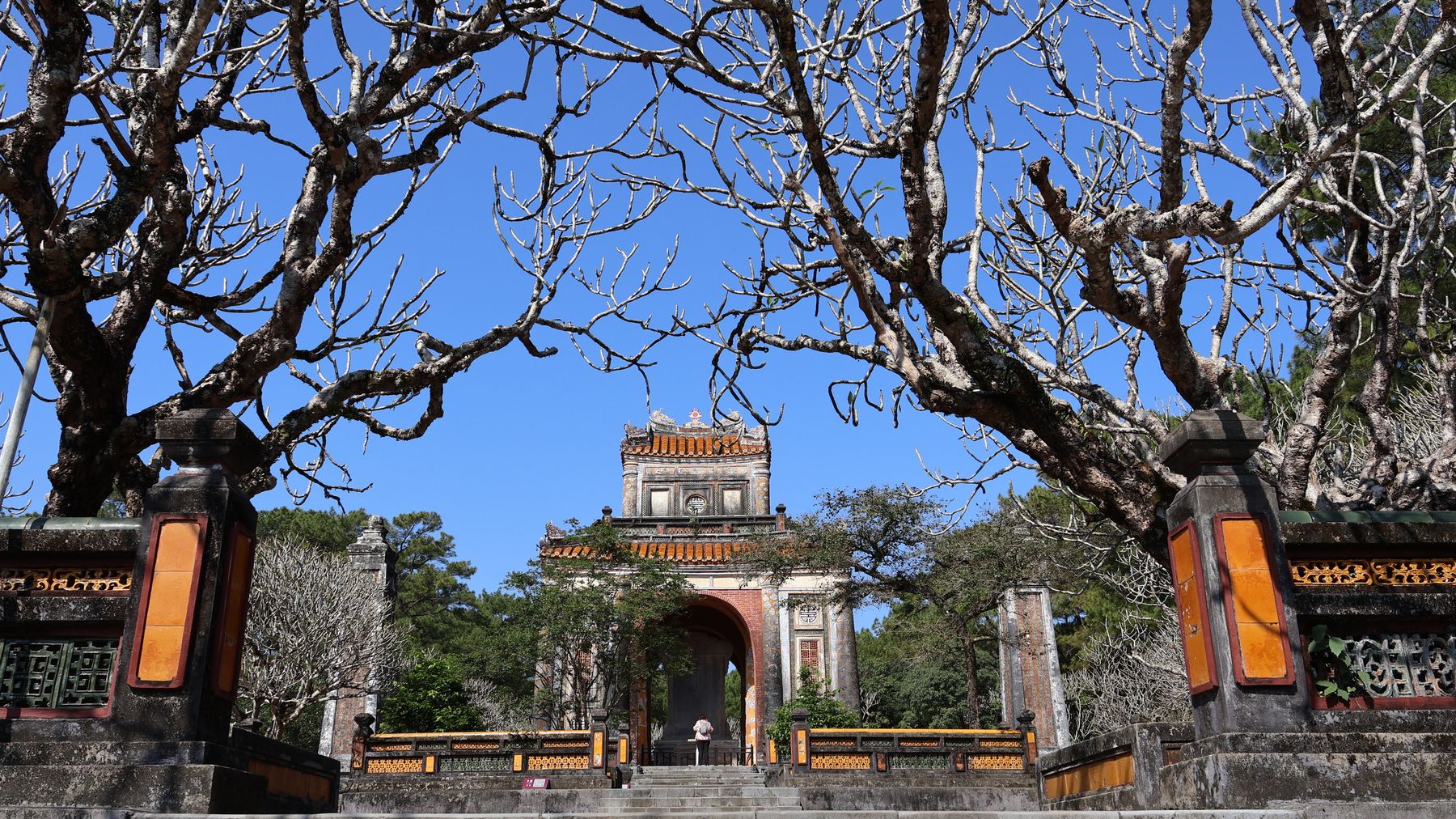
Photo by Minh Lê on Pexels
Day 7-8 — Da Nang: Urban Comforts
Head to Da Nang for a bit of urban shelter. When the coast is lashed by wind, retreat to the city’s robust cafe scene. Da Nang has the best "vietnamese coffee" culture in the region. Spend your time visiting the "Museum of Cham Sculpture"—it is entirely indoors and provides a deep dive into the region's history. For dinner, seek out "banh xeo" at a local spot where the heat of the stove keeps the damp air at bay.
Photo by Minh Lê on Pexels
Day 9-10 — Phong Nha: The Underground Escape
If the coastal rain becomes too much, head north to Phong Nha. The caves are the ultimate monsoon destination because they are climate-controlled by nature. While some water-based cave tours might be suspended due to high river levels, the main dry caves remain accessible. It is a surreal experience to be deep underground while the monsoon rains fall outside. Return to your base in the village, enjoy a hearty meal, and prepare for your departure.
Practical notes
Pack a high-quality raincoat and waterproof covers for your bags; umbrellas are often useless in the coastal winds. Use the train for transit between Hue and Da Nang whenever possible, as it is more reliable than road travel during heavy storms. Always check local weather reports daily, as monsoon patterns can shift rapidly and impact road accessibility in mountainous areas.
Last updated · May 30, 2026 · independently researched, never sponsored.