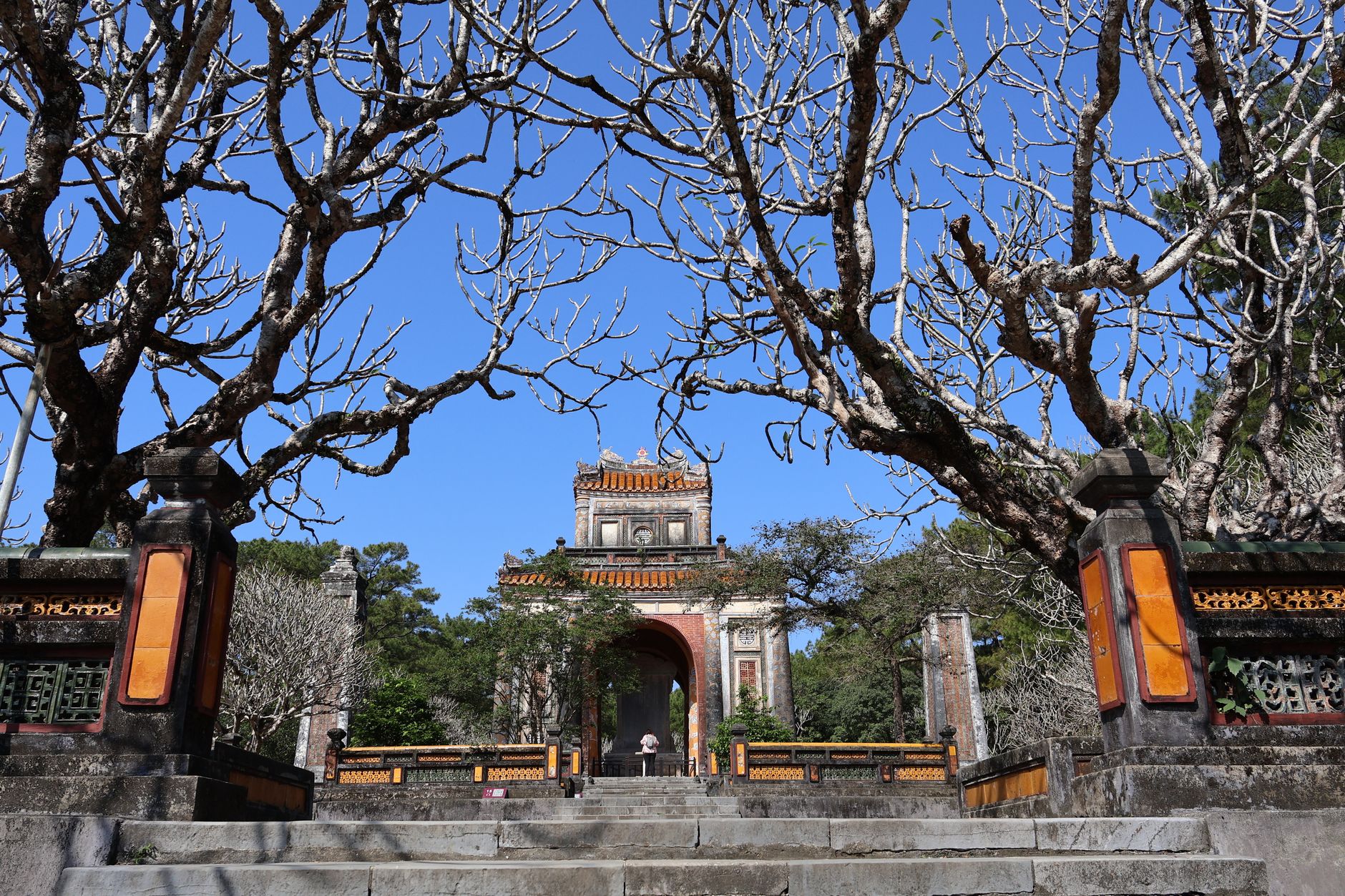
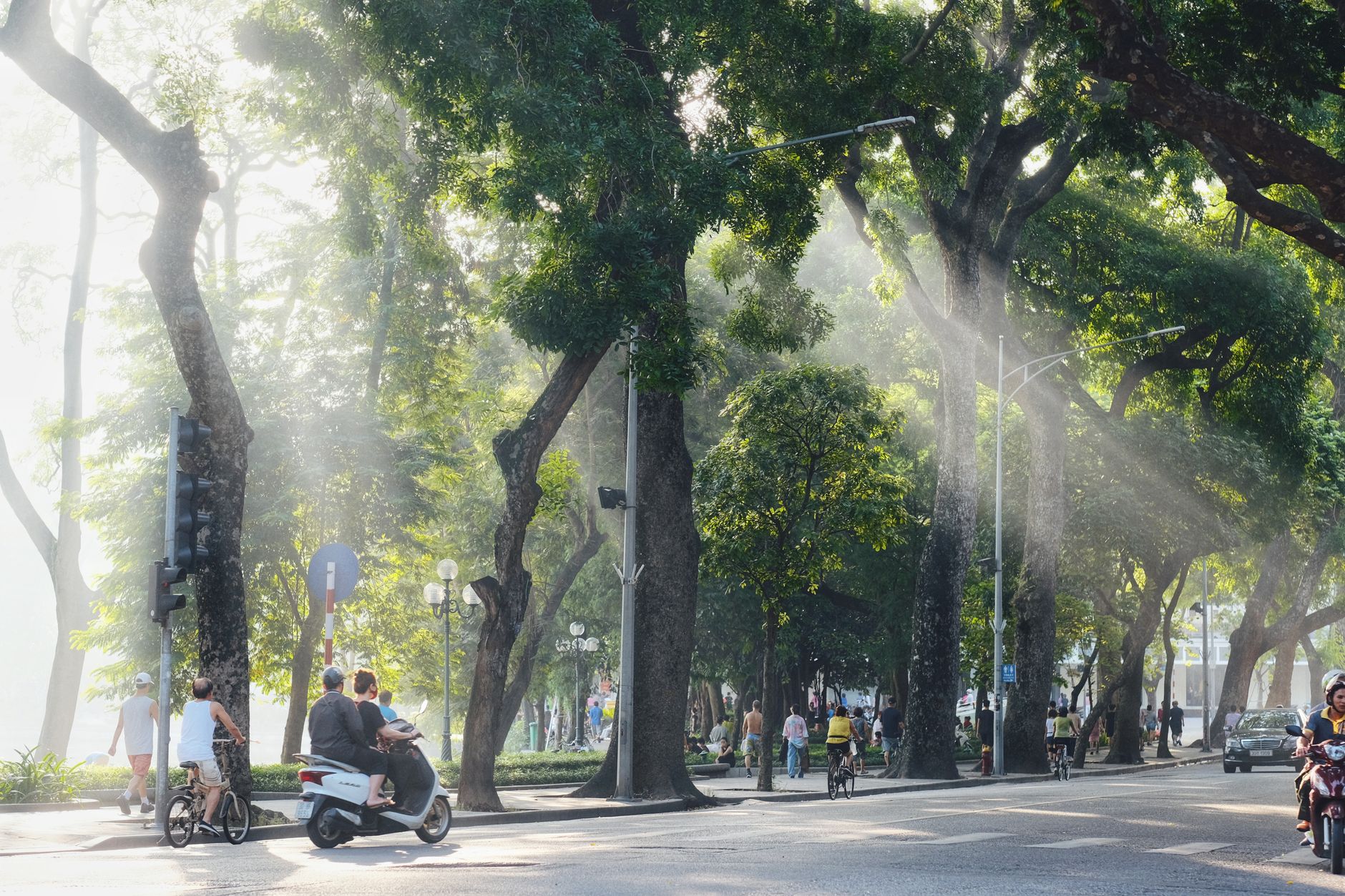
Day 1 — Arrival in Hue: The Imperial Quiet
Start your journey in Hue, a city that feels perpetually caught in a meditative state. Avoid the main tourist drag and head straight to the "Tomb of Tu Duc". Unlike the grander, more militaristic tombs, this one was designed as a poetic retreat. Spend your afternoon walking the pine-shaded paths where the emperor once composed poetry. In the evening, seek out a local vegetarian meal—Hue is the heart of Buddhist cuisine in Vietnam (베트남 / 越南 / ベトナム). Look for a small shop serving "banh beo" or "banh nam" made without meat, a common practice among local practitioners.
Day 2 — The Pagodas of the Perfume River
Rent a bicycle and ride along the Perfume River toward Thien Mu Pagoda. While it is a well-known landmark, arriving at 7:00 AM allows you to witness the morning chanting of the monks before the tour buses arrive. Afterward, continue cycling to the smaller, less-visited pagodas tucked into the hillsides of the Vong Canh area. The silence here is broken only by the sound of wind in the bamboo groves.
Day 3 — The Hillside Retreats
Head toward the "Tomb of Khai Dinh". While the architecture is a jarring mix of styles, the surrounding hills offer excellent vantage points for seated meditation. Spend the afternoon exploring the hidden shrines in the nearby forest, where you will find moss-covered stupas that have remained untouched for decades.
Day 4 — Transition to Da Nang
Take the train from Hue (후에 / 顺化 / フエ) to Da Nang. This four-hour journey along the Hai Van Pass is a moving meditation in itself. Once in Da Nang, skip the beach resorts and head to the Son Tra Peninsula. Here, the Linh Ung Pagoda stands guard over the coast. While the giant statue is the draw, the real value is the walking path behind the pagoda, which leads into the deep jungle where the resident monkeys roam.
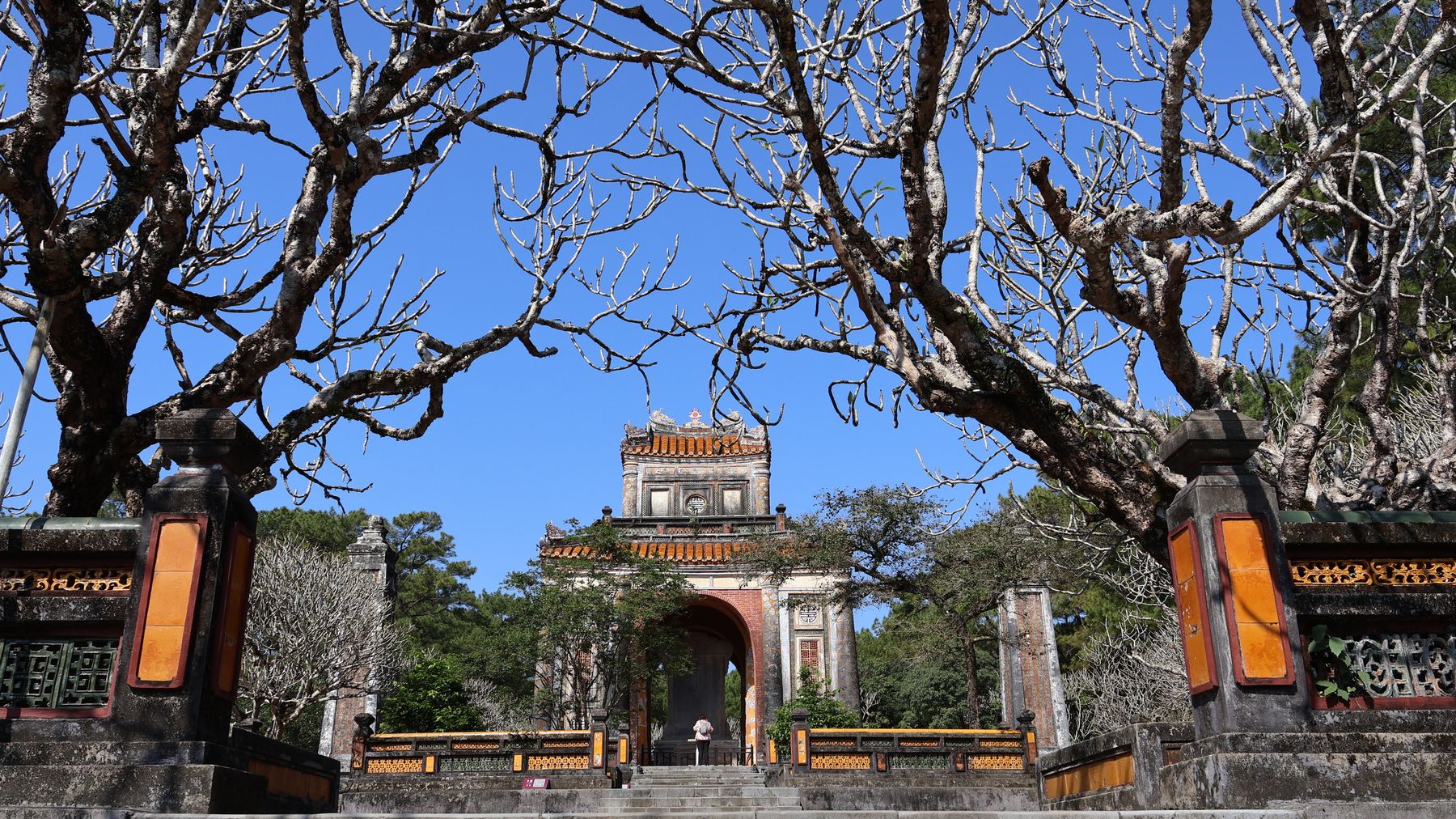
Photo by Minh Lê on Pexels
Day 5 — The Marble Mountains
Spend your day at the Marble Mountains (Ngu Hanh Son). Instead of following the main staircase, look for the smaller, darker caves like Huyen Khong. The natural light filtering through the cavern ceilings creates a natural cathedral perfect for quiet reflection. The air is cool, and the scent of incense is constant.
Day 6 — The Ancient Echoes of My Son
Travel early to the "My Son" sanctuary. To avoid the heat and the crowds, arrive by 6:30 AM. Walking among the brick ruins of the Champa civilization, you can feel the weight of centuries. It is a place of profound stillness, despite the damage from the 20th century. Spend the afternoon in a quiet cafe in Da Nang with a "vietnamese coffee" and reflect on the impermanence of these structures.
Day 7 — Hoi An: The Morning Before the Market
Move to Hoi An. The city is chaotic by day, but at 5:30 AM, it is a different world. Walk the empty streets of the Ancient Town before the shops open. Visit the local pagodas like Phuc Kien, where the air is thick with the smoke of spiral incense coils. For lunch, seek out a bowl of "cao lau"—the local noodle dish that relies on water from a specific ancient well.
Photo by Minh Lê on Pexels
Day 8 — The Rural Path to Tam Ky
Take a day trip south toward Tam Ky. This region is rarely visited by tourists. You will find small, functioning village pagodas where the monks are more interested in tending their gardens than selling souvenirs. It is the best place to practice "metta" (loving-kindness) meditation while observing the simple, agrarian life of the locals.
Day 9 — Reflection by the River
Return to Hoi An and spend your final full day at a riverside retreat. Many of the boutique homestays on the outskirts of the city offer quiet garden spaces. Use this time to journal or simply watch the river flow. In the evening, enjoy a final meal of "banh xeo" at a roadside stall, watching the sunset over the rice paddies.
Day 10 — Departure
Before heading to the airport in Da Nang, stop at one last local pagoda. Offer a small donation and take a moment to sit in the courtyard. The transition back to the noise of modern life is easier when you carry a bit of the morning silence with you.
Practical notes
Dress modestly when visiting pagodas; keep your shoulders and knees covered at all times. If you wish to join a meditation session, always ask for permission first and remain silent during the monks' prayers. The best time for this itinerary is between February and April, when the weather is cool and the humidity is manageable.
Last updated · May 30, 2026 · independently researched, never sponsored.