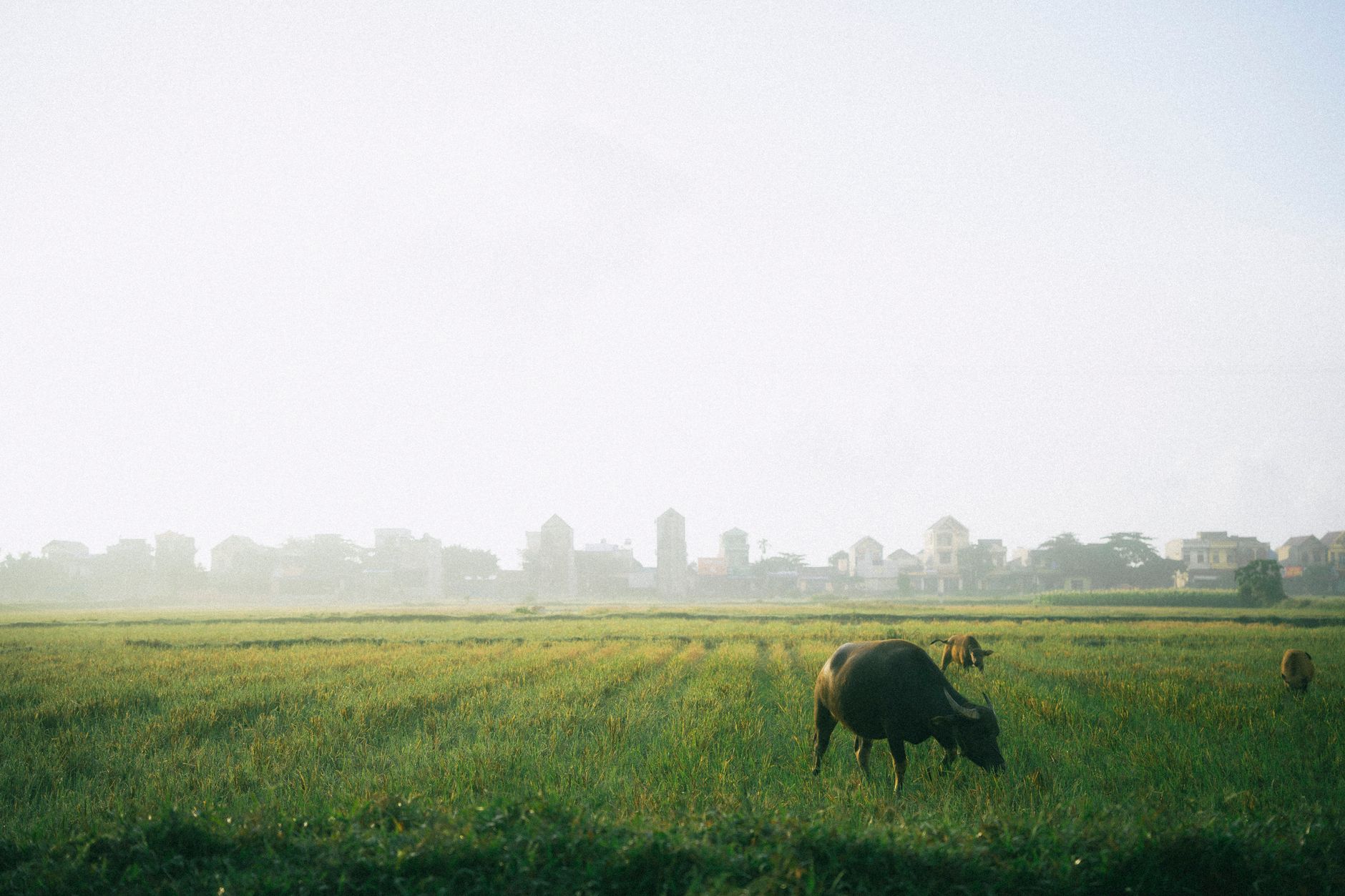
Kien Giang sits at Vietnam (베트남 / 越南 / ベトナム)'s southwestern edge, sandwiched between Cambodia and the sea. Most travelers pass through on the way to Phu Quoc or Ha Tien, but the province itself—especially the mainland towns of Rach Gia and Ha Tien—rewards a day or two of slow, deliberate exploration.
Top sights
Ha Tien: The gateway to Cambodia and a port town with actual character. Walk the riverfront at dawn when fishing boats load and street vendors set up. Nguyen Trung Truc Temple sits on a small peninsula and draws pilgrims; it's atmospheric rather than grandiose. The market—filled with Khmer traders and fresh-caught crab—opens early and closes by 10 a.m. Don't miss the limestone caves outside town: Thach Dong (Coc La) is a short motorbike ride north, with a Buddhist shrine inside and views over farmland. Admission is negligible (around 30,000 VND).
Rach Gia: The provincial capital and a working port. Vinh Te Canal runs through the center—lined with small restaurants and a few colonial buildings. Phu Tho Temple, dedicated to Nguyen Anh (founder of the Nguyen Dynasty), sits downtown. It's modest but genuinely used by locals, not curated for tourists. The night market (near the bus station) is chaotic and worth an hour of wandering at dusk.
Phu Quoc (푸꾸옥 / 富国岛 / フーコック) Island: The big draw, but split between resort zones and quieter fishing villages. Duong Dong is the main town—seafood restaurants cluster around the pier. Phu Quoc National Park covers the northern half of the island; trails lead to waterfalls and pristine beaches, though access can be patchy. Day-trippers often miss the southwest coast entirely, where villages like Cua Can feel like Vietnam 15 years ago.
Hidden gems
An Thoi Islands: A cluster of 16 small islands south of Phu Quoc. Boat tours depart from Duong Dong pier; snorkeling and island hopping are standard, but fewer crowds than the main beaches. Tour prices run 800,000–1.2 million VND per person. Book the night before at any beachfront cafe.
Cai Rang Floating Market: Not in Kien Giang proper, but a 1.5-hour drive from Rach Gia into Can Tho. This is the real thing—dozens of small wooden boats loaded with fruit and vegetables, vendors paddling between them at dawn. Tours leave 5:30–6 a.m. and cost 150,000–300,000 VND per person. Much less touristy than the nearby Cai Be market in Tien Giang province.
Mangrove kayaking in Kach Kia: A village in Kien Giang's interior, where you can paddle through dense mangrove channels at high tide. Guides are minimal—often just a local fisherman—and the entire experience feels improvised and honest. Organize through your guesthouse; expect 200,000–400,000 VND for a 3-hour tour.
Vam Ray (Monkey Island): Technically in Kien Giang, off the Ca Mau coast. A boat ride through mangrove forest leads to a nature reserve where troops of monkeys live. Tours are run from Ca Mau city, about 1.5 hours from Rach Gia; prices run 400,000–600,000 VND. The monkeys are wild, not tame, so encounters depend on tide and season.
Cultural experiences
Temple fairs and festivals: Kien Giang celebrates several local temple festivals, especially around [lunar new year](/posts/tet / 越南春节 / テト)-lunar-new-year-guide) and mid-year. Ask at your guesthouse for dates; these aren't packaged for tourists. Visitors are generally welcomed if respectful.
Fishing villages: Hon Lao (Monkey Island) and Phu Quoc's western villages like Duong To are working fishing communities. Sunrise is the best time to see boats returning with catch. A few family-run restaurants will cook your lunch from the pier's fresh supplies if you ask.
Bat Pagoda (Chua Dơi) near Ha Tien: A cave temple in karst limestone, naturally inhabited by thousands of bats. The smell is intense, the noise at dusk (when they leave) is overwhelming, and the experience is genuinely memorable. Entry is free; local guides wait outside and charge 100,000–150,000 VND for a 30-minute tour.

Photo by Luke Dang on Pexels
Outdoor activities
Hiking Coc La Cave: A 2-hour scramble up limestone to a cave shrine with sweeping views. Bring water and wear decent shoes. Start early to avoid the midday heat.
Motorbike around the perimeter: Rent a scooter from Rach Gia or Ha Tien (100,000–150,000 VND/day) and loop the coast. The roads are good, traffic is light, and you'll stumble on small villages and fruit orchards. Stop at a roadside warung for coffee or fresh sugar cane.
Cycling through the Mekong: The delta around Rach Gia is flat and dotted with rice paddies, fish farms, and coconut groves. Day-trip cycling tours (500,000–700,000 VND) often include homestay lunch. Alternatively, rent a bicycle directly (20,000–30,000 VND/day) and explore nearby villages on your own.
Sunrise at Phu Quoc's Long Beach or Duong Dong Pier: Not unique, but quiet. Fewer tourists here than at Nha Trang or Mui Ne. Local fishermen and early-morning joggers dominate; you might catch a street food cart selling hot banh mi or com tam.
Day-trip ideas
Ha Tien as a base: Spend a night, explore the riverside at dawn, take a cave tour, eat at a local market, and motorbike to Kach Kia or nearby villages. An afternoon trip to Thach Dong cave and back leaves time for an evening boat ride on Giang Thanh River.
Rach Gia + Cai Rang floating market: Leave Rach Gia at 4:30 a.m., reach Cai Rang by 6 a.m., return by late morning, lunch at Vinh Te Canal, explore the night market at dusk.
Phu Quoc multi-day: Most visitors do island hopping or beach lounging. If you rent a motorbike, the unpaved road to Phu Quoc National Park (north) or the coastal villages on the west coast reveal quieter terrain. Sunset at Ganh Dau cape (northwest) is often missed because resorts don't market it.

Photo by Alberto Capparelli on Pexels
What to skip
Overpriced tour packages: Most tours from Rach Gia to Cai Rang or floating villages are marked up 2–3x. Book direct with boatmen at the dock or through a cheap guesthouse.
Phu Quoc's main resort beaches in peak season: If you're here July–August or Tet, the beaches at Duong Dong or Long Beach are packed with Vietnamese families. Head to the less-developed west or south coast instead, or go in shoulder months (May, September, October).
Organized "ethnic village" tours: These are mostly theater. Visit fishing villages and orchards on your own by motorbike or bicycle.
Long Chau Island: Often sold as a day trip. It's small, the snorkeling is mediocre, and tours overcharge. An Thoi Islands are better value.
Practical notes
Best time to visit is October–March (cool and dry). April–September is hot and wet; tidal flooding can disrupt mangrove tours. Rach Gia is the transport hub; buses from Saigon take 4–5 hours (150,000–200,000 VND). Ha Tien is another 2 hours west by local minibus. Most guesthouses rent motorbikes and arrange informal tours. Vietnamese is useful; English is sparse outside Phu Quoc's resorts. Food here is primarily seafood and "com tam"—rice with grilled meats and pickled vegetables. Markets and street stalls are cheap; expect 30,000–80,000 VND per meal.
Last updated · May 29, 2026 · independently researched, never sponsored.