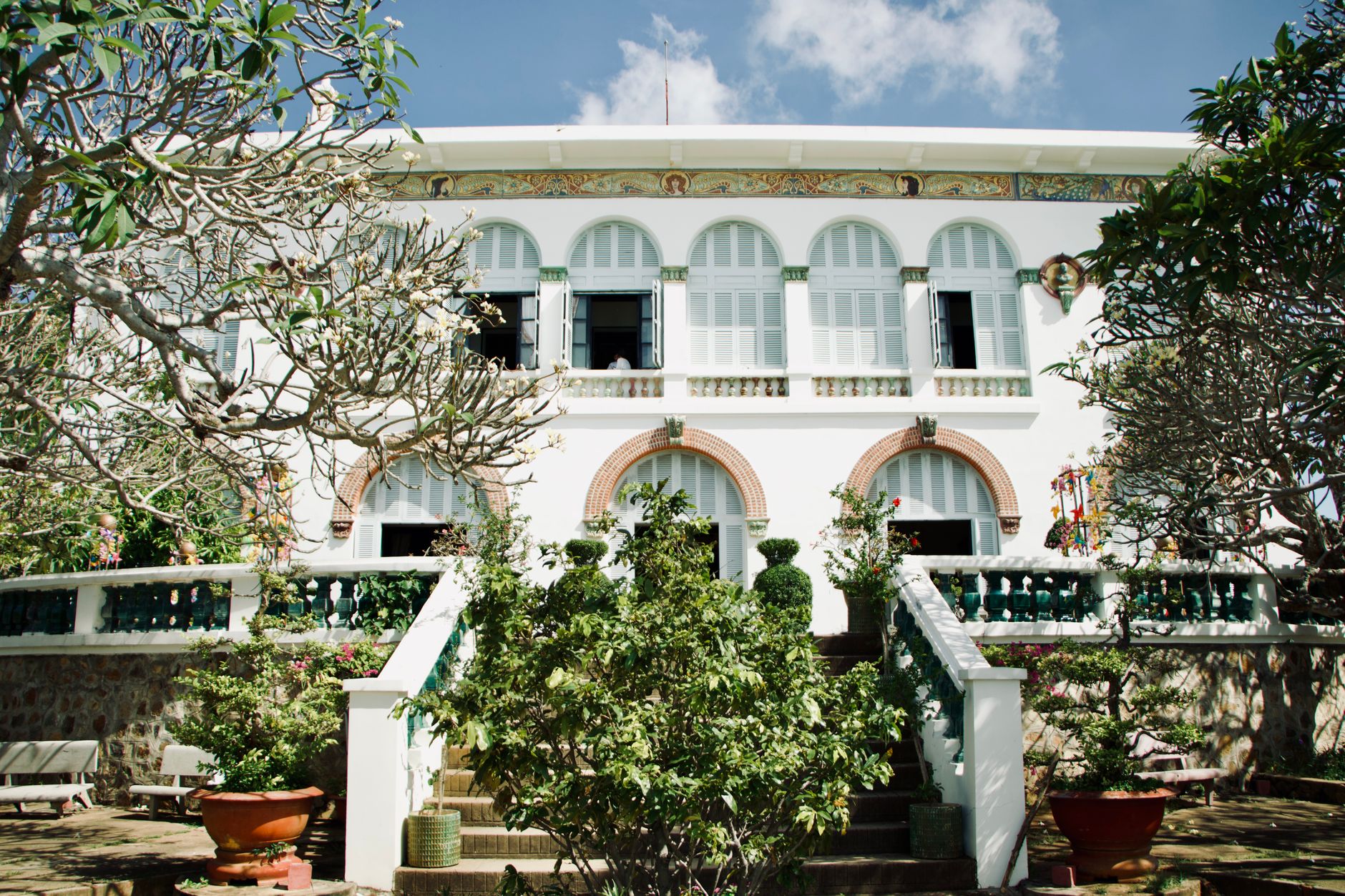
Kim Bong village sits on Cam Kim Island, a short boat ride across the Thu Bon River from the old streets of Hoi An. For roughly five centuries, its carpenters have shaped the wooden houses, pagodas, and fishing boats that define this stretch of central Vietnam (베트남 / 越南 / ベトナム). It's a working village first, a tourist stop second — and that's exactly why it's worth the crossing.
What Kim Bong is and why it matters
Kim Bong (full name: Lang moc Kim Bong) has been a woodworking settlement since the early 1400s. During Hoi An (호이안 / 会安 / ホイアン)'s peak as a trading port in the 16th and 17th centuries, Kim Bong carpenters built the merchant houses, assembly halls, and covered bridges that now form the Hoi An Ancient Town UNESCO site. The Japanese Covered Bridge? Kim Bong hands. The Chinese assembly halls along Tran Phu Street? Kim Bong joinery.
The craft has contracted — there are maybe 30-40 active workshops now compared to hundreds at its peak — but the ones that remain are the real thing. You'll see men in their 60s and 70s hand-carving furniture, boat ribs, and decorative panels using techniques passed through family lines. This isn't a recreation or a theme park. It's a neighborhood where people still make a living with chisels.
Why travelers go
Most visitors come for one of three reasons: genuine interest in traditional woodcraft, a desire to get off the main Hoi An tourist circuit for a few hours, or the boat ride itself — which is a pleasant way to see the river and the town from the water. If you've already walked Hoi An's Old Quarter and want something quieter, Kim Bong delivers. The island has a rural feel that central Hoi An lost years ago. Chickens, vegetable gardens, narrow lanes under jackfruit trees. You can rent a bicycle on the island and explore without a plan.
Best time to visit
February through August gives you the driest, most comfortable conditions. The sweet spot is March to May — warm but not yet scorching, and river levels are manageable for the boat crossing. September through November is flood season along the Thu Bon, and heavy rains can make the island muddy and some workshops close up. December and January are cooler (22-25°C) and fine for visiting, though occasional drizzle is normal.
Aim for mornings. The carpenters start work early and the light is better for watching (and photographing) the craft. By early afternoon, some workshops wind down.
How to get there
From central Hoi An — specifically the Bach Dang boat wharf on the riverfront near the Old Quarter — you can take a local boat to Cam Kim Island. The ride is about 10-15 minutes. Tickets run around 30,000-50,000 VND per person each way. Some boats are included in the Hoi An Old Town ticket (120,000 VND), so check at the ticket office first.
Alternatively, you can drive or cycle across the Cam Kim Bridge on the eastern side. It's roughly 5 km from the Old Quarter by road. A Grab bike costs about 20,000-30,000 VND. Cycling is the better option if you want to explore the island at your own pace — most Hoi An hotels rent bicycles for 30,000-50,000 VND per day.
From Da Nang, figure 35-40 minutes by car or Grab (around 200,000-250,000 VND) to Hoi An's boat wharf, then the river crossing.

Photo by Quang Nguyen Vinh on Pexels
What to do
Watch the carpenters work
The main draw. Several family workshops along the village's central lane welcome visitors. You can watch artisans carve everything from miniature sampans to elaborate dragon panels. Mr. Huynh Ri's workshop is one of the more established — he's been recognized as a craft master and is usually willing to explain techniques if you ask. No entrance fee at most workshops, though buying a small piece is good form.
Try a woodworking class
A few workshops offer hands-on sessions where you carve a simple piece — a fish, a flower, a small boat — under guidance. Sessions last about 60-90 minutes and typically cost 150,000-250,000 VND. You keep what you make. It's more engaging than just watching, and the carvers seem to genuinely enjoy teaching.
Cycle around Cam Kim Island
The island extends well beyond Kim Bong village. Ride the back lanes past rice paddies, small temples, and boat-building yards where fishermen still commission wooden vessels. The full loop is about 10-12 km on flat terrain. You'll likely be the only foreigner on most of these paths.
Visit the boat builders
Kim Bong's other traditional craft is boat building. Near the waterfront on the island's north side, you can find yards where "thung chai" — the round basket boats — and larger wooden fishing boats are constructed by hand. It's less organized for tourists than the carpentry workshops, which makes it more interesting.
Cross back at sunset
Time your return boat ride for late afternoon. The Thu Bon River facing Hoi An's lantern-lit waterfront as the sun drops is one of the better views you'll get without paying for a restaurant seat.
Where to eat nearby
Kim Bong itself doesn't have tourist restaurants, and that's a feature. A couple of small "com" (rice) shops on the island serve basic home-cooked plates for 30,000-50,000 VND. Look for "mi quang" — the turmeric-tinted noodle dish native to this region, served with shrimp, pork, herbs, and a small amount of rich broth. "Banh xeo" — the crispy stuffed pancake — also shows up at local spots.
Back in Hoi An, "cao lau" is the dish you can't get anywhere else. The thick noodles are supposedly made only with water from a specific well in town. Grab a bowl at the Hoi An Central Market for around 35,000-40,000 VND.
Where to stay
There's no real accommodation on Cam Kim Island itself. Stay in Hoi An — budget guesthouses start at 200,000-350,000 VND/night, mid-range hotels run 600,000-1,200,000 VND, and there are plenty of boutique places in the 1,500,000-3,000,000 VND range along the river or near An Bang Beach.

Photo by HONG SON on Pexels
Practical tips locals would tell you
- Bring small bills. Workshops selling carvings often can't break 500,000 VND notes. ATMs are back in Hoi An proper.
- Ask before photographing. Most carpenters don't mind, but a quick gesture of asking goes a long way.
- Wear shoes you can slip on and off. You'll enter workshops where shoes come off at the door.
- Don't bargain too hard on carvings. These are handmade by people earning modest incomes. A 10-20% negotiation is normal; halving the price is rude.
- Combine with Tra Que vegetable village on the other side of Hoi An for a full day of rural-side trips.
Common mistakes to avoid
Showing up after 2 PM and finding workshops closed. Skipping the island cycle and only seeing the two or three tourist-facing shops on the main lane. Taking only the road bridge instead of the boat — you miss the better experience. Expecting Hoi An Ancient Town-level polish — Kim Bong is rough, quiet, and authentic precisely because it isn't polished.
Practical notes
Half a day is enough for Kim Bong and a cycle around Cam Kim Island. Pair it with an afternoon in Hoi An's Old Quarter or a trip to the beach. The village is free to walk through; you only pay for boat crossings, classes, and anything you buy. It's the kind of place that rewards curiosity more than planning.
Last updated · May 26, 2026 · independently researched, never sponsored.