What it is
Lang Da Khuoi Ky sits about 3 km from Ban Gioc Waterfall in Trung Khanh district, Cao Bang province. It's a village of roughly 14 houses built almost entirely from river stone — walls, foundations, fences, even the pathways between homes. The Tay ethnic community here has lived this way for around 400 years, and the construction style came out of practicality: limestone and river rock are the most available materials in this part of the northeast.
The village was recognized as a national heritage site in 2008, which brought some tourism infrastructure but hasn't fundamentally changed the place. People still farm, still raise livestock behind the stone walls, and still weave indigo-dyed cloth on wooden looms under their stilt houses. It feels lived-in because it is.
Why travelers go
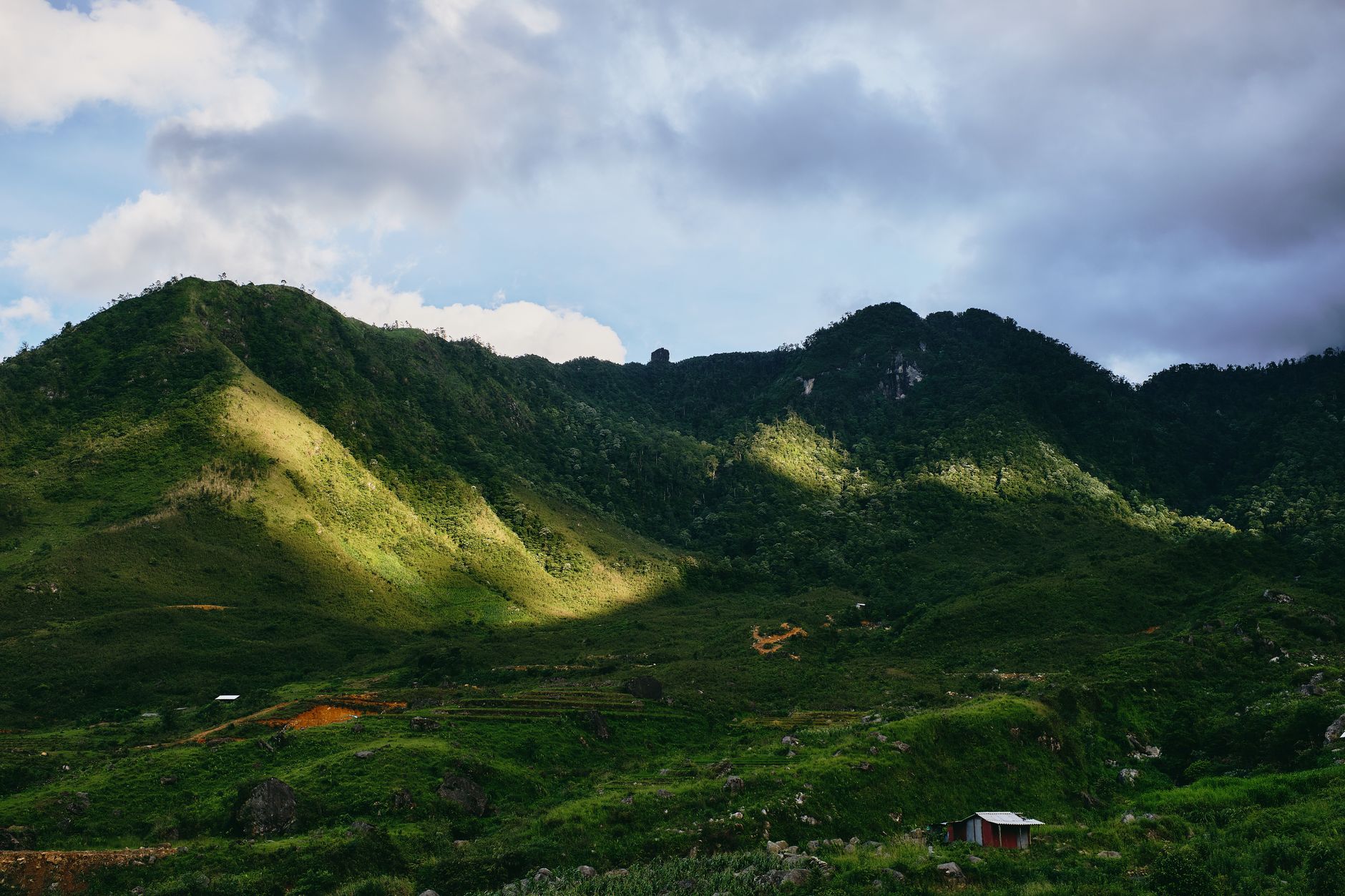
Most people visit Khuoi Ky as a side trip from Ban Gioc Waterfall, and that's a fine reason. But the village is worth more than a 20-minute photo stop. The stone architecture is genuinely unusual — you won't see anything like it elsewhere in northern Vietnam, not in Sapa, not in Ha Giang. The setting helps too: the village backs up against a karst cliff with jungle spilling over the top, and the Quay Son River runs nearby.
For anyone interested in Tay culture — the weaving, the rice wine, the "then" singing tradition — this is one of the more accessible places to see it without a staged performance. A few families host overnight guests, which gets you closer to daily life than any day trip could.
Best time to visit
The sweet spot is September through November. The rice terraces around Trung Khanh are gold or green depending on the harvest cycle, temperatures are comfortable (18-26°C), and Ban Gioc Waterfall runs at full volume from the summer rains. October is probably the single best month.
December through February is cooler — it can drop below 10°C at night in Cao Bang — and the waterfall thins out. March to May is dry and warming up, fine for the village itself but less dramatic at Ban Gioc. June through August brings heavy rain: the scenery is lush, but roads in the area can get slippery, and river crossings occasionally flood.
How to get there
The nearest major hub is Cao Bang city, about 90 km from Khuoi Ky. From Hanoi, you have two options:
Bus from Hanoi (하노이 / 河内 / ハノイ) to Cao Bang city: Departures from My Dinh bus station, mostly morning runs (6:00-8:00 AM) and a few evening sleeper buses. The ride takes 6-7 hours and costs around 250,000-320,000 VND depending on the operator. Hung Thanh and Kumho are the more reliable lines.
Cao Bang city to Khuoi Ky: From Cao Bang, take a local bus toward Trung Khanh (about 60 km, 1.5 hours, roughly 50,000 VND). Tell the driver you're going to Lang Da Khuoi Ky — they'll drop you at a marked turn-off on the main road. From there it's a 1 km walk or motorbike taxi ride into the village. Alternatively, rent a motorbike in Cao Bang city for 120,000-150,000 VND/day and ride out yourself. The road is paved the whole way and the scenery through the karst valleys makes the drive worth it.
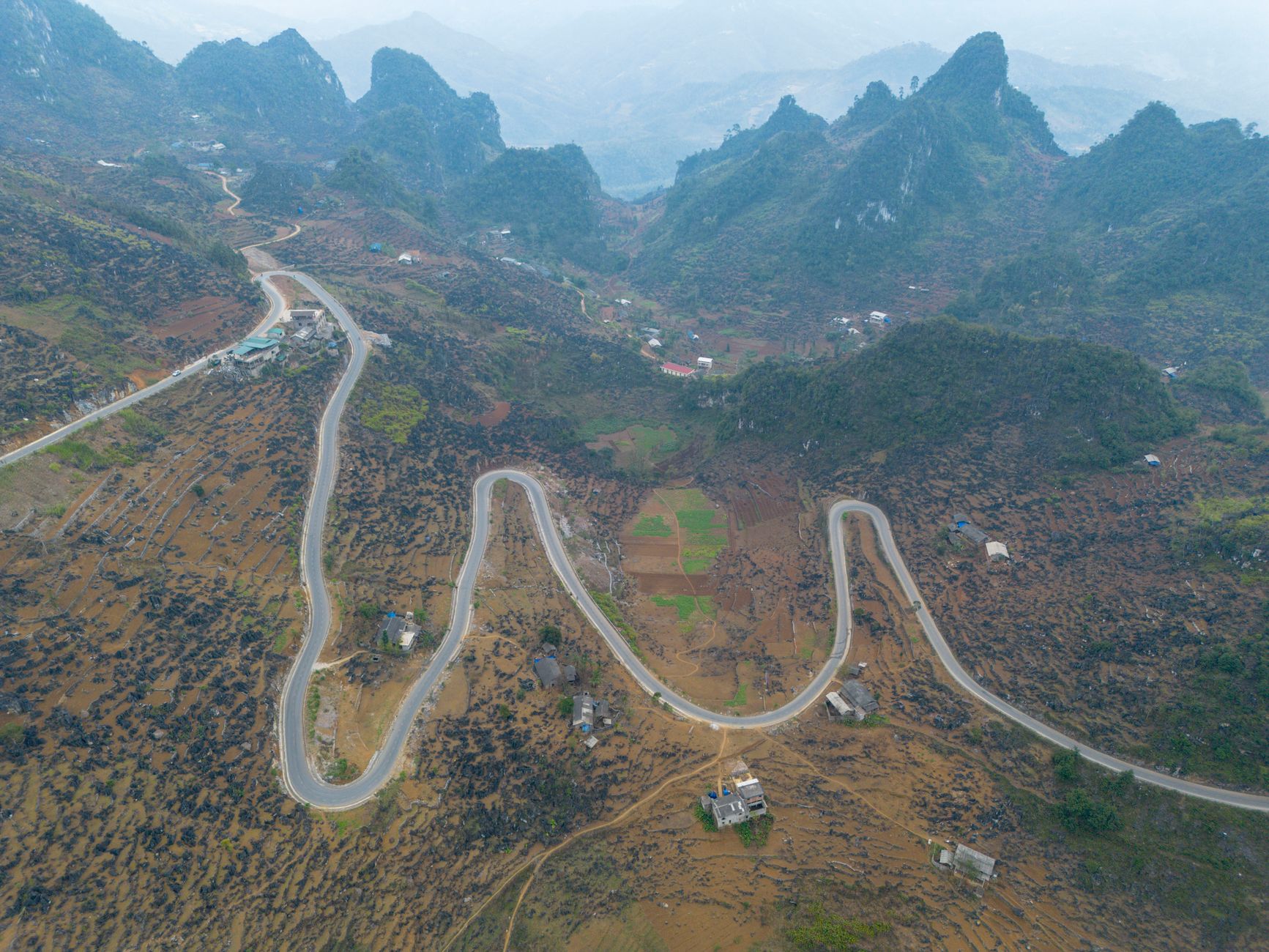
If you're coming from Ha Giang (하장 / 河江 / ハーザン) and riding the loop, Cao Bang connects via Highway 34 through Bao Lac — a spectacular but long ride (about 200 km, 6-8 hours by motorbike).

Photo by Quang Nguyen Vinh on Pexels
What to do
Walk the village slowly
Khuoi Ky is small — 14 houses along a single main path. The point isn't to cover ground; it's to look at how things are built. Notice how the stone walls are dry-stacked without mortar in the older sections, how the stilt houses use wood for the upper floors, and how each compound has its own walled courtyard. If a door is open and someone waves you in, go.
Try a homestay night
Three or four families in the village offer homestay accommodation. Sleeping in a stone house on a wooden platform, eating dinner the family cooked, and waking up to the sound of chickens and river water — that's the experience. Hosts typically serve home-distilled rice wine after dinner. Pace yourself.
Visit Ban Gioc Waterfall
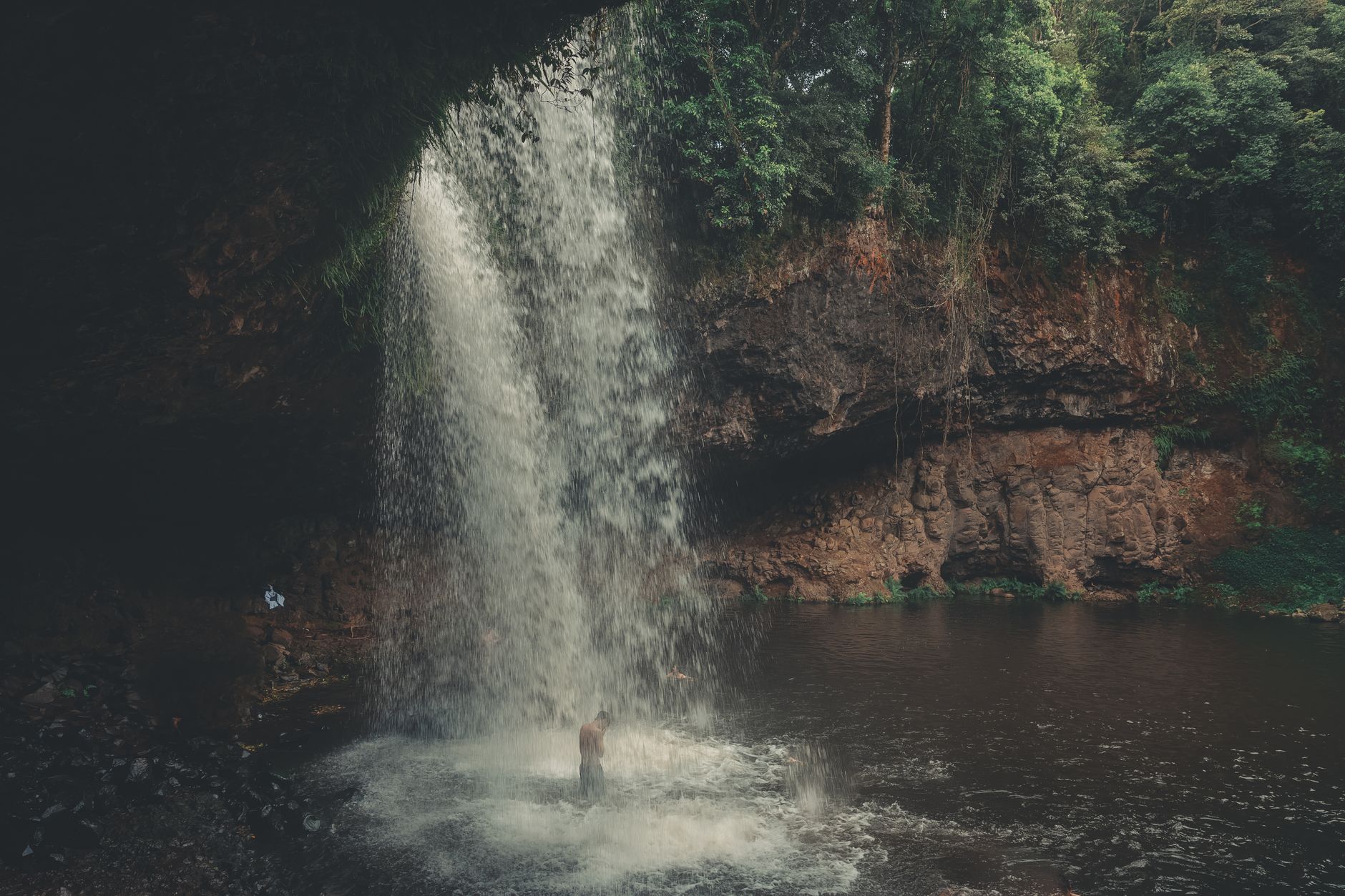
It's 3 km away and it would be strange to skip it. Ban Gioc is the largest waterfall along Vietnam's northern border, split into two tiers dropping about 30 meters. Arrive early morning (before 8:00 AM) to avoid tour groups. Entry ticket is 45,000 VND; a bamboo raft ride at the base costs around 50,000 VND per person.
Explore Nguom Ngao Cave
About 4 km from the village, this limestone cave system stretches over 2 km underground. It's well-lit and walkable without any scrambling. Entry is 40,000 VND. The interior formations are impressive — the kind of cave that actually delivers on what you hoped it would look like.
Watch weaving under the stilt houses
Some of the Tay women still weave indigo cloth on traditional looms. It's not a show — they're making fabric they'll actually use or sell at the Trung Khanh market. If you're interested, ask before photographing. Small woven items are sometimes available to buy directly, typically 50,000-200,000 VND depending on size.
Where to eat nearby
Khuoi Ky itself doesn't have restaurants. Your homestay family will feed you, and that's genuinely the best option — expect sticky rice, stir-fried greens, grilled pork, and river fish.
In Trung Khanh town (about 25 km back toward Cao Bang), look for "banh cuon" Trung Khanh style — the rice rolls here are thicker than the Hanoi version and stuffed with minced pork and wood ear mushroom. A plate runs about 25,000-35,000 VND. Trung Khanh is also known for its chestnuts (mùa hạt dẻ peaks in October), roasted and sold by street vendors for 30,000-50,000 VND a bag.
Where to stay
In the village: Homestays run 150,000-250,000 VND per person per night, usually including dinner and breakfast. Conditions are basic — shared sleeping platform, outdoor bathroom in some houses, no air conditioning (you won't need it).
In Trung Khanh town: A few guesthouses and small hotels offer private rooms with hot water for 200,000-400,000 VND/night.
Near Ban Gioc: A handful of hotels and resorts have opened along the road to the waterfall, ranging from 400,000 VND for a basic room up to 1,500,000 VND for the newer boutique places with river views.
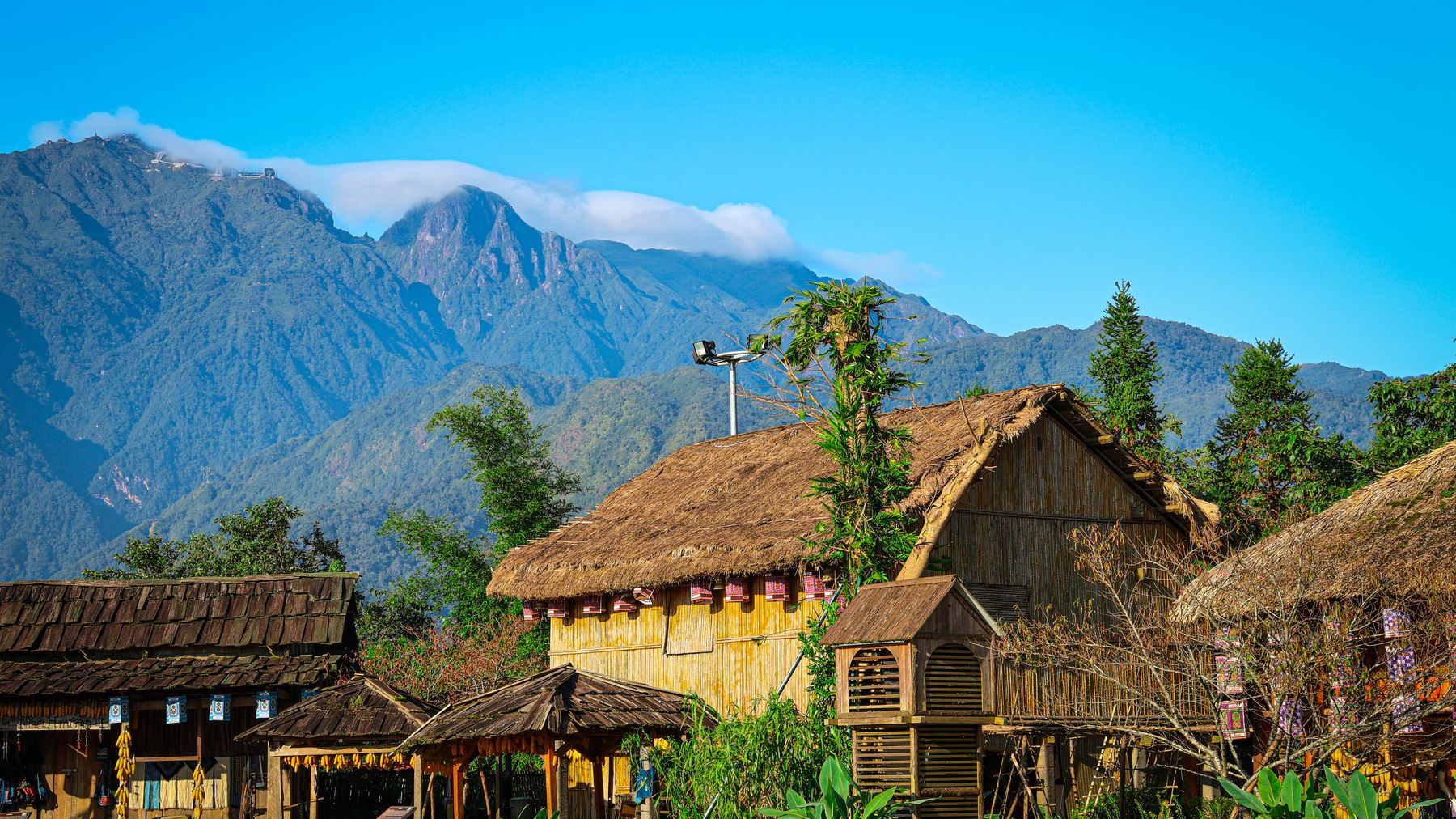
Photo by Haneul Trac on Pexels
Practical tips locals would tell you
- Bring cash. There are no ATMs in Khuoi Ky, and the nearest reliable one is in Trung Khanh town. Card payments don't exist out here.
- Pack a light jacket even in summer — evenings in the karst valley cool down fast.
- If you're riding a motorbike, fill up in Trung Khanh. The next fuel stop heading toward Ban Gioc is sparse.
- Learn "xin chao" (hello) and "cam on" (thank you). The Tay families speak Vietnamese but appreciate the effort, and a few older residents speak mostly Tay language.
- Khuoi Ky is a real village, not a museum. Keep noise down, ask before entering homes, and don't fly drones over people's courtyards.
Common mistakes to avoid
- Treating it as a 30-minute stop. If you're just passing through for photos, you'll leave wondering what the fuss was about. Stay overnight or at least spend a full afternoon.
- Skipping Trung Khanh. The town itself has a lively morning market and good food. It's worth an hour of wandering.
- Visiting only in peak summer. July and August bring the biggest crowds and heaviest rain simultaneously. Shoulder months are better in every way.
- Not bringing a headlamp. The village has electricity, but it's dim at night. If you're staying in a homestay, a small flashlight makes the walk to the bathroom much easier.
Practical notes
Khuoi Ky works best as part of a longer Cao Bang loop — combine it with Ban Gioc, Nguom Ngao Cave, and the drive through the karst valleys back to Cao Bang city. Two nights in the area is ideal: one in the village, one in Trung Khanh. If you're continuing north from here, the road toward Ha Giang through Bao Lac is one of the best rides in the country.
Last updated · May 26, 2026 · independently researched, never sponsored.