What it is
Mu Cang Chai is a district tucked into the Hoang Lien Son mountain range, about 280 km northwest of Hanoi. The landscape is defined by roughly 2,200 hectares of terraced rice paddies carved into steep hillsides by Hmong communities over several hundred years. Three communes — La Pan Tan, Che Cu Nha, and De Xu Phinh — hold the densest concentration of terraces and were recognized as a national heritage site in 2007.
The terraces aren't decorative. They're working farmland, shaped by generations who had no flat ground to work with. That's what makes them compelling — this is agriculture as engineering, not a photo backdrop someone built for tourists.
Why travelers go
The scale is the thing. You've seen rice paddies elsewhere in Vietnam — in Sapa, in Ninh Binh (닌빈 / 宁平 / ニンビン), along every highway in the north. But Mu Cang Chai stacks them vertically across entire mountainsides, layer after layer disappearing into cloud cover. The area sees far fewer visitors than Sapa, which means emptier roads, quieter homestays, and Hmong villages where tourism hasn't yet dictated daily life.
Photographers come for the golden season. Motorbike riders come for the mountain passes. Hikers come for the trails between villages. Everyone comes back talking about the quiet.
Best time to visit
Timing matters here more than most destinations in Vietnam (베트남 / 越南 / ベトナム).
- Late May – June (water season): Terraces are flooded and freshly planted. The paddies become mirrors reflecting sky and cloud. Fewer tourists than harvest season. Roads can be slippery.
- Late September – early October (harvest season): This is the marquee window. Rice turns gold, the hillsides glow, and the annual "Pouring Water" festival (Tet Mua Nuoc Do) draws visitors. Expect more company on the road, especially around the paragliding festival in late September.
- November – April: Post-harvest. Terraces are brown stubble. Still beautiful in a stark way, but not what most people picture.
If you want the iconic shot without the crowds, aim for mid-September — a week or two before the festival peaks.
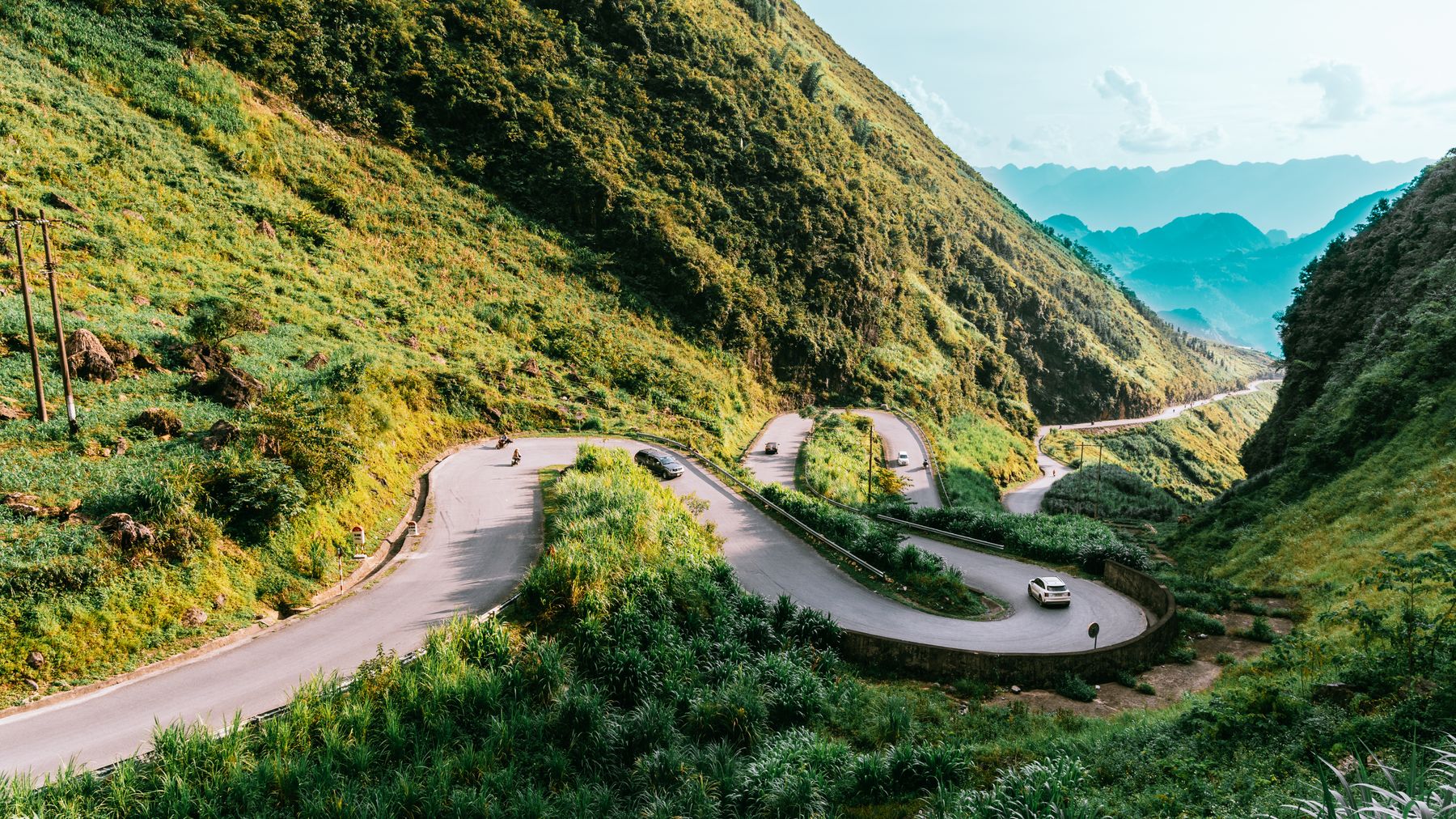
Photo by Nguyễn Sơn Tùng on Pexels
How to get there
From Hanoi by motorbike
The classic route: Hanoi → Son Tay → Phu Tho → Nghia Lo → Tu Le → Mu Cang Chai via Highway 32. About 280 km, roughly 7-8 hours with stops. The final stretch from Tu Le through Khau Pha Pass is one of the best mountain roads in northern Vietnam — 30 km of switchbacks with terrace views dropping away on both sides.
From Hanoi by bus
Direct sleeper buses run from My Dinh bus station to Mu Cang Chai town. The ride takes about 6-7 hours and costs around 250,000–350,000 VND. Departures are usually evening (arriving early morning) or early morning. From Mu Cang Chai town, you'll need a motorbike — either rented locally or via xe om — to reach the terrace viewpoints.
From Sapa / Lao Cai
You can loop from Sapa south through Than Uyen and reach Mu Cang Chai in about 4-5 hours by motorbike. The road is decent but winding. This makes sense if you're doing a broader Ha Giang–Sapa–Mu Cang Chai loop.
What to do
Ride Khau Pha Pass. Often called one of Vietnam's four great passes. The 30 km stretch between Tu Le and Mu Cang Chai crosses the pass at around 1,200 m elevation with terraces visible below.
Walk the terraces at La Pan Tan. A 2-3 hour loop trail from the road takes you down through the paddies and into the village. No guide needed — paths are obvious and locals are used to walkers.
Visit Che Cu Nha for fewer people. Most tour groups stop at La Pan Tan. Che Cu Nha, a few km further, offers similar views with a fraction of the visitors.
Catch sunrise from Mam Xoi viewpoint. The "rice bowl" hilltop is the most photographed spot in the district. Get there by 5:30 AM to beat the tour vans.
Soak in Tu Le hot springs. The town of Tu Le, 20 km before Mu Cang Chai, has natural hot springs and a slower pace. Good overnight stop if you're breaking the ride from Hanoi.
Where to eat
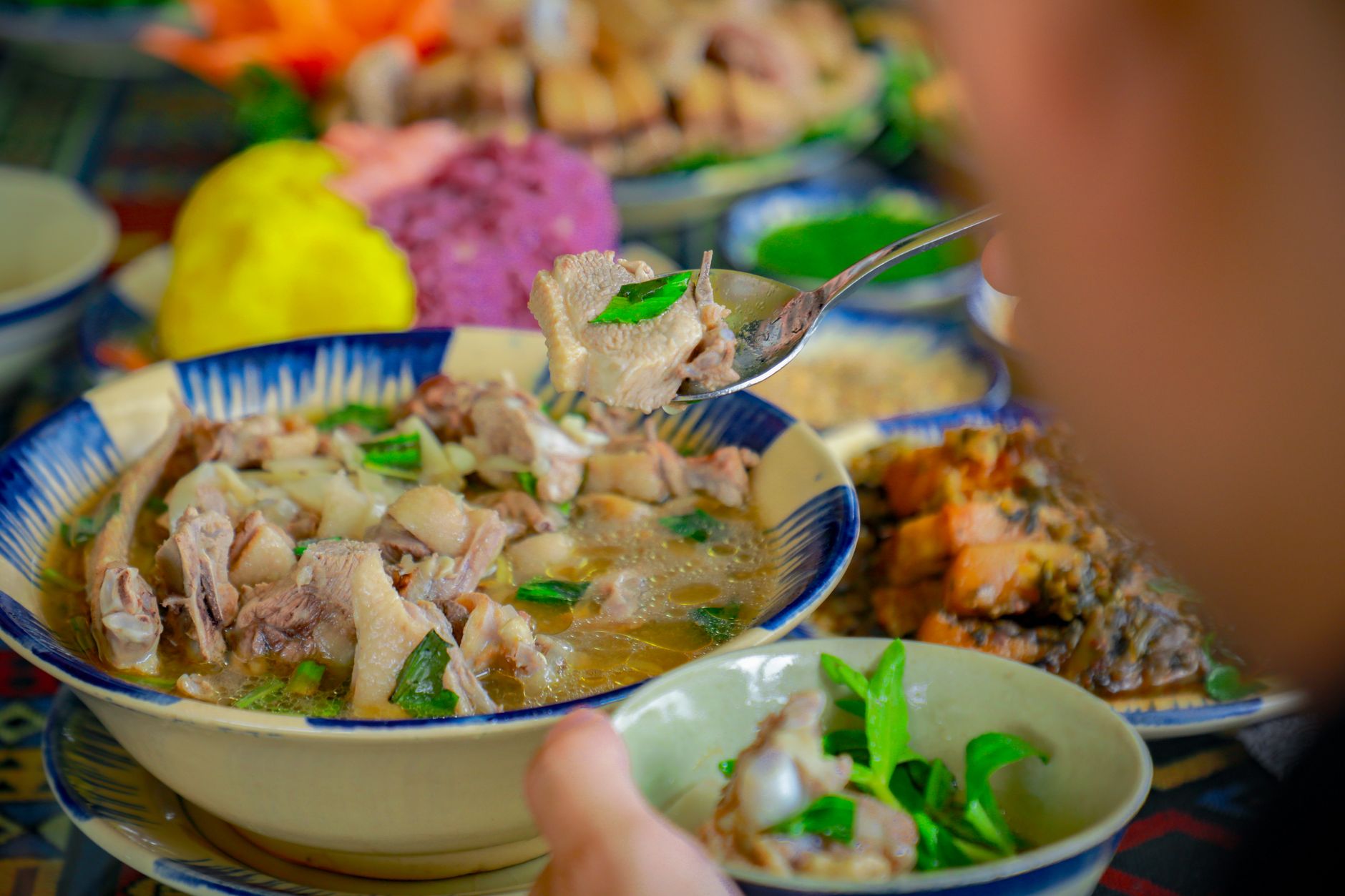
Mu Cang Chai town has a handful of "com binh dan" (everyday rice) shops along the main road. Expect 40,000–60,000 VND for a plate of rice with grilled pork, greens, and broth. A few places serve "thang co" — a Hmong-style stew of offal and herbs that's an acquired taste but worth trying once.
In Tu Le, look for "com lam" (bamboo-tube rice) and "xoi ngu sac" (five-color sticky rice) — both Hmong/Thai specialties you won't find easily elsewhere. The black chicken grilled over charcoal at roadside stalls is excellent.
Don't expect pho or banh mi options outside of the main town. Pack snacks if you're spending the day on trails.

Photo by GIANG VU on Pexels
Where to stay
Homestays are the main option and the best way to experience the area. Expect wooden stilt houses, shared bathrooms, mattresses on the floor, and home-cooked dinners. Rates run 150,000–300,000 VND per person including dinner and breakfast. La Pan Tan and Che Cu Nha both have homestay options — ask locally or book through Facebook pages.
Mu Cang Chai town has a few guesthouses and one or two newer boutique-style places (500,000–800,000 VND/night) with private rooms and hot water. Comfort is improving year by year but don't expect Da Lat-level accommodation.
Tu Le is a solid alternative base — slightly more developed, with a couple of resort-style places near the hot springs.
Practical tips
- Fuel up in Nghia Lo or Tu Le. Petrol stations in Mu Cang Chai exist but can run dry during festival season.
- Cash only. There's one ATM in Mu Cang Chai town (Agribank) and it sometimes runs out. Bring enough dong from Hanoi.
- Phone signal is patchy between Tu Le and Mu Cang Chai. Download offline maps.
- Wear layers. Mornings at 1,000 m+ elevation are cold even in September (15-18°C). Afternoons warm up fast.
Common mistakes
Coming on a day trip from Hanoi. It's technically possible but miserable — 7 hours each way leaves no time to actually see anything. Two nights minimum.
Only visiting Mam Xoi. The viewpoint is famous but crowded. The best terrace views are found on small roads between communes — wander and you'll find them.
Skipping Tu Le. Most riders blast through to reach Mu Cang Chai. Tu Le's valley, hot springs, and Thai villages deserve at least a half-day.
Visiting in November expecting gold. Harvest wraps up by mid-October most years. After that, the terraces are bare until the next planting cycle.
Last updated · May 29, 2026 · independently researched, never sponsored.