Dai Lanh Beach sits where Khanh Hoa province meets the old Phu Yen border, a wide crescent of pale sand backed by casuarina trees and the eastern edge of the Truong Son range. It's one of those Vietnamese beaches that locals talk about but that rarely makes it onto the standard tourist circuit — partly because it's awkward to reach without your own wheels, and partly because there's no resort infrastructure pushing it into travel feeds. That's exactly why it's worth the detour.
What Dai Lanh is — and a bit of history
Dai Lanh (sometimes written Bai Dai Lanh) stretches roughly 1.5 km along a bay about 80 km north of Nha Trang (냐짱 / 芽庄 / ニャチャン). The beach faces due east, which means it catches the first sunrise on the Vietnamese mainland — a fact the government made semi-official when they built the Mui Dien lighthouse on the rocky cape at the southern end of the bay. The lighthouse has been operating since the French colonial period, though the current structure dates to later reconstruction.
The area around Dai Lanh is mostly fishing villages. Van Ninh district, which administers this stretch of coast, doesn't have much tourism development compared to Nha Trang or Cam Ranh further south. That's changing slowly — a few guesthouses have popped up — but for now the beach still feels like it belongs to the fishermen who park their round basket boats along the shore.
Why travelers go
The draw is simple: a long, clean beach with calm water and almost no crowd. The sand is fine and light-colored, the water is shallow for a good distance out, and during the right months you can swim without fighting waves. Unlike Nha Trang, nobody is going to hustle you for a jet ski ride or a parasailing package. The Mui Dien cape adds a hiking element — about 2 km of trail from the beach to the lighthouse through coastal scrub — and the views from the top are genuinely worth the sweat.
People also come specifically for the sunrise. Dai Lanh's eastward orientation and clear horizon line make it one of the better sunrise spots on the coast, and there's a minor local tradition of coming here for the first sunrise of the new year around Tet.
Best time to visit
The sweet spot is March through September. From March to May the water is calm and clear, temperatures hover around 28-32°C, and rain is rare. June through August is hotter but still dry. The beach faces east, so it's somewhat sheltered from the southwest monsoon that batters the southern coast in summer.
October through February brings the northeast monsoon. Waves pick up, the water gets murky, and December-January can see stretches of overcast, rainy days. It's not unvisitable, but swimming becomes less appealing and the road from Nha Trang can get slippery on the mountain passes.
How to get there
The nearest major hub is Nha Trang, about 80 km south via the QL1A highway.
- Motorbike: The most common way. Ride north on QL1A through Ninh Hoa and into Van Ninh district. The turnoff to Dai Lanh beach is marked. Total ride takes about 1.5-2 hours depending on traffic. Rental motorbikes in Nha Trang run 120,000-180,000 VND per day for a semi-auto.
- Bus: Local buses from Nha Trang's northern bus station head toward Tuy Hoa and can drop you at the Dai Lanh junction on QL1A. From there it's about 3 km to the beach — you'll need a xe om or to walk. Bus fare is around 40,000-60,000 VND.
- Private car/taxi: A one-way taxi from Nha Trang runs roughly 800,000-1,000,000 VND. Some guesthouses in Nha Trang can arrange a day trip with driver for about 1,200,000-1,500,000 VND round trip.
- Train: Nha Trang station to Van Gia station (the closest stop) takes about an hour, but trains are infrequent on this segment and you'll still need local transport from the station.
If you're coming from Da Nang or Hue heading south, Dai Lanh is a natural stop on the coastal route — roughly 530 km from Da Nang, doable as a multi-day motorbike trip with stops in Hoi An, Quy Nhon, and Tuy Hoa along the way.

Photo by Quang Nguyen Vinh on Pexels
What to do
Hike to Mui Dien Lighthouse
The trail starts near the southern end of Dai Lanh beach and climbs about 2 km to the cape. It's not technical but it's steep in parts and there's no shade — bring water and go early morning. The lighthouse itself is a modest structure, but the view down both sides of the cape is the payoff. There's a small entry fee of around 10,000-20,000 VND.
Swim and do nothing
Seriously. The beach is shallow, calm (in season), and empty enough that you can park yourself under a casuarina tree and not move for hours. Bring a book and some fruit from the market.
Watch the sunrise
Set your alarm. The sun comes up directly over the ocean here, and if conditions are clear the light on the water and the fishing boats heading out is something you'll remember. Best from the beach itself or, if you're ambitious, from the Mui Dien trail.
Visit Hon Nua Island
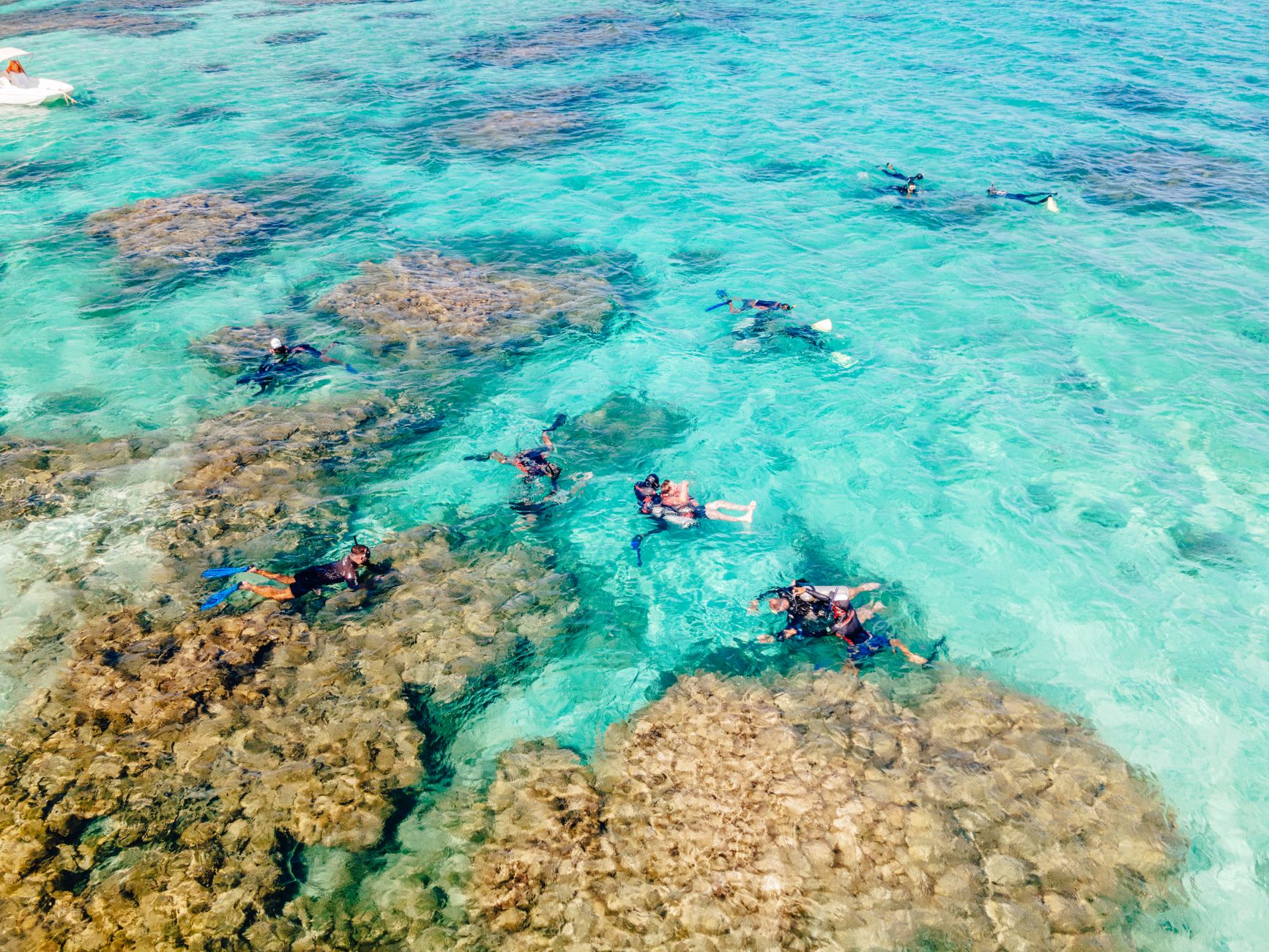
Just offshore, Hon Nua is a small island you can reach by hiring a local fishing boat — negotiate at the beach, expect to pay around 300,000-500,000 VND for a return trip. Snorkeling is decent on the island's south side. Bring your own mask; there are no rental shops.
Explore the fishing village
Walk south along the beach or into the village behind the tree line. Basket boats, drying squid, net mending — it's a working coast, not a performance. Early morning is best when the boats come in with the night's catch.
Where to eat nearby
Dai Lanh isn't a food destination, but the seafood is fresh and cheap. Small restaurants along the beach road serve grilled fish, steamed clams, and fried squid — a full seafood spread for two runs about 200,000-350,000 VND.
Look for "banh canh" — the thick tapioca-flour noodle soup that's common in this part of Khanh Hoa. The local version often uses fish or crab and costs 25,000-35,000 VND a bowl. It's hearty, slightly sticky, and much better than it photographs. "Bun cha ca" (fish cake noodle soup) is another regional staple worth ordering if you see it on a signboard.
Where to stay
Accommodation is limited. Options fall into two brackets:
- Budget guesthouses (nha nghi): 200,000-400,000 VND per night. Basic rooms with fan or AC, usually clean enough. Don't expect hot water or English-speaking staff. A few are right behind the beach.
- Mid-range homestays: 500,000-800,000 VND. A handful of newer places have opened with better beds and functioning wifi. Check online listings before you go — availability fluctuates by season.
There are no resorts at Dai Lanh. If you want a proper hotel, Nha Trang is your fallback — which is another reason many people visit as a day trip.

Photo by Thang Nguyen on Pexels
Practical tips locals would tell you
- Bring cash. There are no ATMs at the beach. The nearest is in Van Gia town, a few km away.
- Sunscreen is your problem. No convenience stores on the beach. Buy supplies in Nha Trang or Ninh Hoa before you arrive.
- Fuel up in Ninh Hoa. If you're on a motorbike, don't count on finding a gas station close to the beach. Top off before the last 30 km.
- Respect the fishing boats. Swim in the open sections of beach, not where the basket boats are pulled up. The fishermen are working.
Common mistakes to avoid
- Coming in November-January expecting beach weather. The northeast monsoon makes the water rough and the sky grey. Time it for spring or summer.
- Not bringing enough water on the Mui Dien hike. It's short but exposed. One liter minimum per person.
- Assuming you can grab a taxi back. Ride-hailing apps barely function out here. Arrange return transport before you arrive, especially if you're not on your own motorbike.
- Skipping it because it's "just another beach." Vietnam has hundreds of beaches. Most of them are overdeveloped or hard to access. Dai Lanh threads the needle — reachable but not ruined. That won't last forever.
Practical notes
Dai Lanh works best as a day trip from Nha Trang or as an overnight stop on a longer coastal ride between Quy Nhon and Nha Trang. It's not a destination you build a week around — it's a destination you're glad you didn't skip. Pair it with a few days in Nha Trang for convenience, or keep heading north toward Phu Yen and Quy Nhon if you're chasing quieter coastline.
Last updated · May 26, 2026 · independently researched, never sponsored.