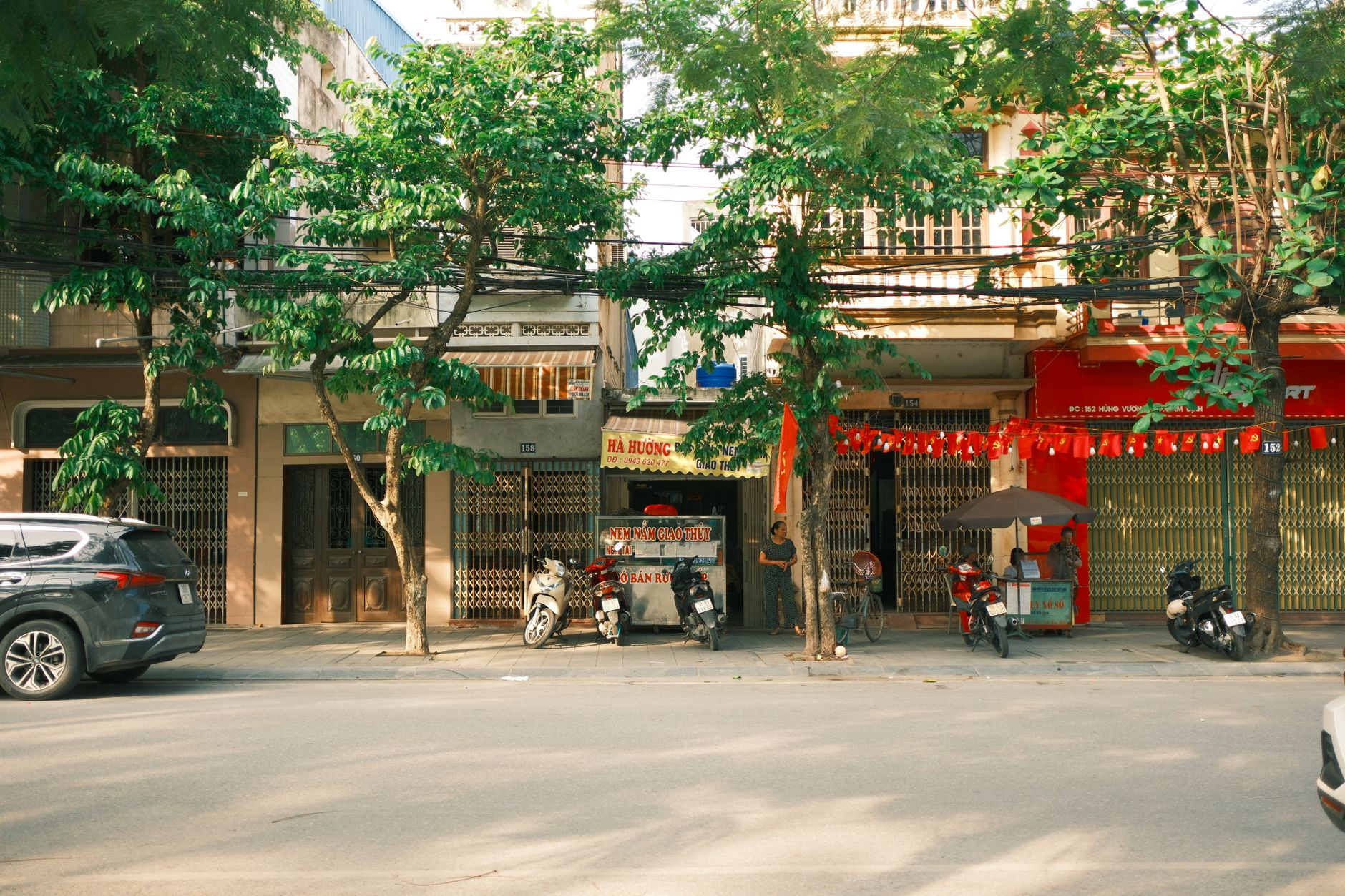
Nam Dinh sits about 90 km south of Hanoi — close enough for a day trip, far enough that most tourists never bother. That's a mistake if you care about where "pho" actually comes from.
The Origin Question
The birthplace debate has been running for decades. Hanoi (하노이 / 河内 / ハノイ) gets the glory because that's where pho became famous, and Saigon gets credit for reinventing it with southern additions — bean sprouts, fresh herbs, hoisin. But food historians and a lot of Vietnamese cooks will tell you the same thing: the dish was born somewhere in Nam Dinh province, most likely in the city itself or the village of Van Cu in nearby Y Yen district, sometime in the late 19th or very early 20th century.
The evidence is circumstantial but consistent. Nam Dinh was a textile-industry hub under French administration, drawing migrant workers and traders. The area already had strong traditions of cattle raising and wet rice cultivation. The French brought beef consumption habits that hadn't been widespread before. Someone — almost certainly from a Chinese or mixed Kinh-Chinese background — combined a beef broth technique with flat rice noodles and a few aromatics, and pho (쌀국수 / 越南河粉 / フォー) was the result. Workers from Nam Dinh carried the dish north to Hanoi when they migrated for work, and the rest is culinary history.
What's less circumstantial: the province has a dense concentration of families whose surnames and village lineages are directly tied to pho-making, going back four and five generations.
The Surname-Pho Families
In Van Cu village, the Co family has been selling pho since the early 1900s. Descendants still run stalls there and in Nam Dinh city. The Cuong family out of the same village is another name that comes up repeatedly — several of their branches eventually moved to Hanoi and opened well-known shops that still operate in the Old Quarter today.
These aren't marketing claims on a restaurant wall. Older residents in Van Cu will sit down and trace exactly which cousin went to Hanoi in which decade, which uncle opened a stall on what street. The lineage is oral history, but it's remarkably consistent across families who have no particular reason to coordinate their stories.
The version of pho these families make is noticeably different from what you get in Hanoi. The broth is clearer, cleaner, and less sweet — no rock sugar, or very little of it. The focus is on the depth of the bone broth, charred ginger, and star anise, without the layering of spices that Hanoi shops have added over the decades. The noodles tend to be slightly thicker. The accompaniments are minimal: a few slices of white onion, some spring onion greens, maybe a wedge of lime. You won't find the herb plate or the bean sprouts of the south.

Photo by Thuan Pham on Pexels
Where to Eat It in Nam Dinh City
The city's pho scene is mostly a morning affair. By 9 am, the best spots are winding down. By 10, some have closed entirely.
Pho Co on Hoang Van Thu street is the most-cited address for traditional-style Nam Dinh pho. It's a simple open-front shop, plastic stools, a pot that's been going since before dawn. A bowl runs around 40,000–50,000 VND depending on the cut of beef you choose. The "chin" (well-done brisket) is excellent here — thinly sliced, without any chewiness.
Pho Hung near the central market is slightly more casual, with a faster turnover of local workers grabbing breakfast before 7 am. The broth here leans a touch richer, and they do a decent "tai" (rare beef) option that sits in the hot broth just long enough at the table.
If you want to get out to Van Cu village itself — about 15 km southwest of the city center — you'll need a motorbike or a hired car. There are small family stalls there that serve almost exclusively locals. The experience is less about a polished restaurant and more about eating at a plastic table in someone's front room while roosters wander past. Worth it once, at least.
Getting There from Hanoi
The train is the most comfortable option. Several daily departures from Hanoi's main station reach Nam Dinh in around 1.5 to 2 hours; tickets run 70,000–120,000 VND depending on the class. The station is walkable to the city center.
Buses from My Dinh or Giap Bat terminal also cover the route in similar time for a bit less money, though the schedule is less predictable. A private car from Hanoi takes about 1.5 hours on the expressway and gives you the flexibility to stop in Van Cu village without depending on local transport.
The city doesn't have a huge amount to detain you beyond pho — there's a decent Catholic cathedral from the French period and a textile museum that reflects the town's industrial past — so most visitors treat it as a focused half-day food trip rather than an overnight.

Photo by RDNE Stock project on Pexels
What Makes Nam Dinh Pho Different
If you've been eating pho in Hanoi, the Nam Dinh version will taste restrained by comparison. Some people find it plainer. Regulars here would say it's more honest — that the sweetening and spice-layering Hanoi added over the decades was about adapting to broader tastes, not improving the original formula.
The broth carries the argument on its own. No garnish is going to rescue a weak stock, and the shops here know it. You're paying attention to something made the night before and tended for hours, not a quick commercial batch. That's the point.
Practical Notes
Go hungry and go early — before 8 am if possible, 9 am at the latest. Nam Dinh is a comfortable day trip from Hanoi; there's no need to overnight unless you're combining it with a visit to Ninh Binh, which is another 30 km further south. Bring cash; none of the pho shops here take cards.
Last updated · May 29, 2026 · independently researched, never sponsored.