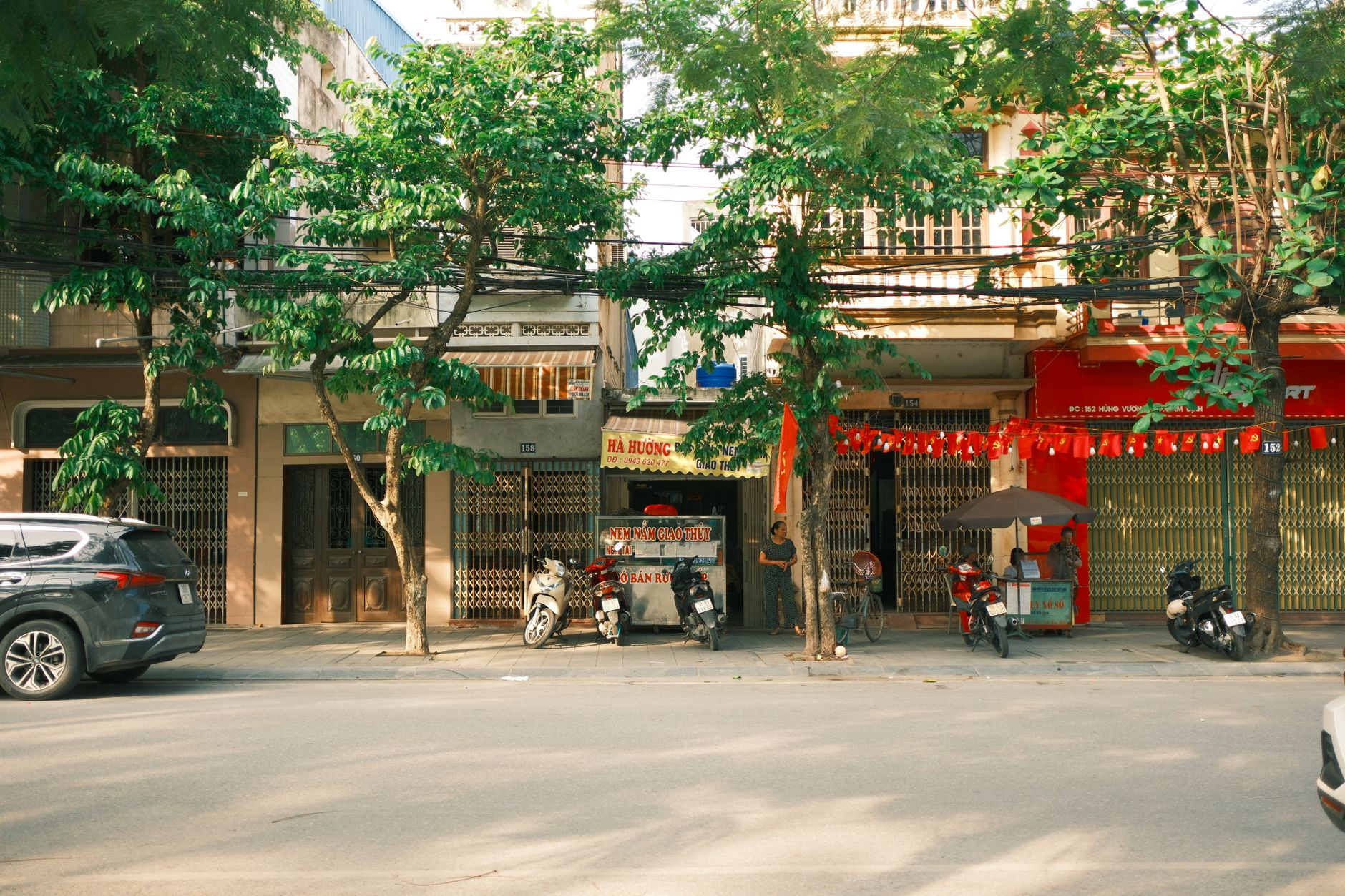
Nam Dinh sits about 90 km southeast of Hanoi and rarely crowds Vietnam's highlight lists — which is partly why it's worth visiting. The city is home to Pho Minh Mandarinate temples, textile heritage, and some of northern Vietnam's best-preserved French colonial architecture. Getting there is straightforward, and options suit every budget and timeline.
From Hanoi (the most common route)
If you're based in Hanoi, Nam Dinh is a day trip or overnight escape. The most practical and cheapest option is bus.
By bus: Buses leave from Hanoi's Gia Lam station (near the old quarter, east bank of the Red River) every 30 minutes between 5 am and 6 pm. Journey time is 2–2.5 hours depending on traffic and stops. Tickets cost 40,000–60,000 VND (around $2–3 USD). You'll arrive at Nam Dinh's central bus station (Ben Xe Nam Dinh), about 2 km from the city centre; a motorbike taxi (xe om) to your hotel runs 30,000–50,000 VND.
Alternatively, Mien Bac bus station (in north Hanoi) also runs services, though Gia Lam is more central and frequent.
By train: A heritage option if you value the journey. One daily train departs Hanoi station at around 12:40 pm, arriving Nam Dinh at 3:05 pm (hard seat around 50,000 VND, soft seat 80,000 VND). The track runs through rural Red River delta farmland and villages — quiet scenery. On the return, the 3:55 pm service gets you back to Hanoi by 6:20 pm. The station is central, walking distance to most hotels.
By motorbike rental: If you ride, renting a manual or automatic bike from Hanoi (150,000–250,000 VND per day) gives flexibility. The National Highway 39 (QL39) south from Hanoi is straightforward and flat; allow 1.5–2 hours. Petrol is cheap (around 20,000 VND per litre), and the countryside is pleasant. Parking is available at hotels and temples.
By private car or Grab: A Grab car or hired driver from central Hanoi costs 250,000–400,000 VND (split with friends, it's reasonable). Arrival time is 1.5–2.5 hours depending on traffic and which driver you get.
From Saigon
Nam Dinh sits far north; it's not a practical stop if you're in southern Vietnam unless you have serious time.
By air: Fly Hanoi (3–4 flights daily from Saigon, $30–80 USD), then take a bus or train south (2 hours). Total journey time: 5–6 hours plus airport hassle. Not worth it for Nam Dinh alone.
By bus: Open-tour coaches depart Saigon and include Hanoi stops (12–18 hours), but Nam Dinh is off the standard Saigon–Hanoi route. You'd arrive in Hanoi, then bus south to Nam Dinh. Total elapsed time: 18–20 hours. Only feasible if Nam Dinh is part of a longer northern circuit.
Realistic advice: visit Nam Dinh as a day trip from Hanoi, not Saigon.

Photo by Thien Le Duy on Pexels
From Da Nang
Da Nang to Nam Dinh is a long route. Hanoi is the natural halfway point.
By bus via Hanoi: Bus Saigon–Da Nang (4–5 hours), then Da Nang–Hanoi (12–14 hours via coach), then Hanoi–Nam Dinh (2 hours). Total: 18–20 hours plus waiting. Not practical.
Best option: Include Nam Dinh as a 1-day stop en route between Hanoi and Da Nang. Hanoi–Nam Dinh (2 hours by bus), spend an afternoon/night, then continue Hanoi–Da Nang the next day.
Where to stay
Nam Dinh has no fancy hotels, and that's fine. The city is small; you can walk the centre in an hour.
Budget: Nam Dinh Hotel or Thien Huong Hotel (250,000–350,000 VND, $12–17 USD) are clean, central, and guesthouse-style. Thang Loi Hotel is old-school state-run but functional (200,000–300,000 VND).
Mid-range: Nam Dinh Garden Hotel and Hoa Hung Hotel (400,000–600,000 VND, $20–30 USD) are decent if you want air-con, a restaurant, and slightly more comfort.
Stay near the central market (Cho Han) or along Tran Hung Dao Street, where most restaurants and transport hubs are within walking distance.

Photo by Flint Huynh on Pexels
Best time to visit
October–November and February–March are perfect: cool, dry, and comfortable for walking. Avoid May–August (heat, humidity) and Tet (late January–early February, when buses are packed and prices spike). December–January is pleasant but slightly cool.
Practical notes
Nam Dinh is a working city, not a tourist resort. Cash (VND) is essential; ATMs exist but are sparse. Restaurants and street food are excellent and cheap (30,000–80,000 VND per meal). The main sights — Tran Hung Dao temple, Pho Minh Mandarinate, the old French quarter — are within 2 km of the bus station. Hiring a local guide through your hotel is worthwhile if you want context on textile history and colonial architecture; expect 300,000–500,000 VND for a half-day.
Bus remains the most practical option from Hanoi. If you're building a northern loop (Hanoi–Ninh Binh–Nam Dinh–back to Hanoi), you'll naturally pass through. For a quick escape from Hanoi's chaos, Nam Dinh delivers exactly that.
Last updated · May 26, 2026 · independently researched, never sponsored.