Nui Thien Thai is the kind of place most travelers blow past on the highway between Hanoi and Bac Giang without ever knowing it exists. That's a mistake. This forested limestone hill, about 60 km northeast of central Hanoi, holds some of the oldest Buddhist pagodas in the Red River Delta and offers a half-day escape that feels far more remote than its location suggests.
What it is and why it matters
Nui Thien Thai — literally "Heavenly Thai Mountain" — is a low-elevation hill (around 120 m) straddling what was historically the border area between Bac Ninh and Bac Giang provinces. With the recent provincial merger consolidating Bac Giang into greater Bac Ninh, the site now falls squarely within Bac Ninh's administrative boundaries.
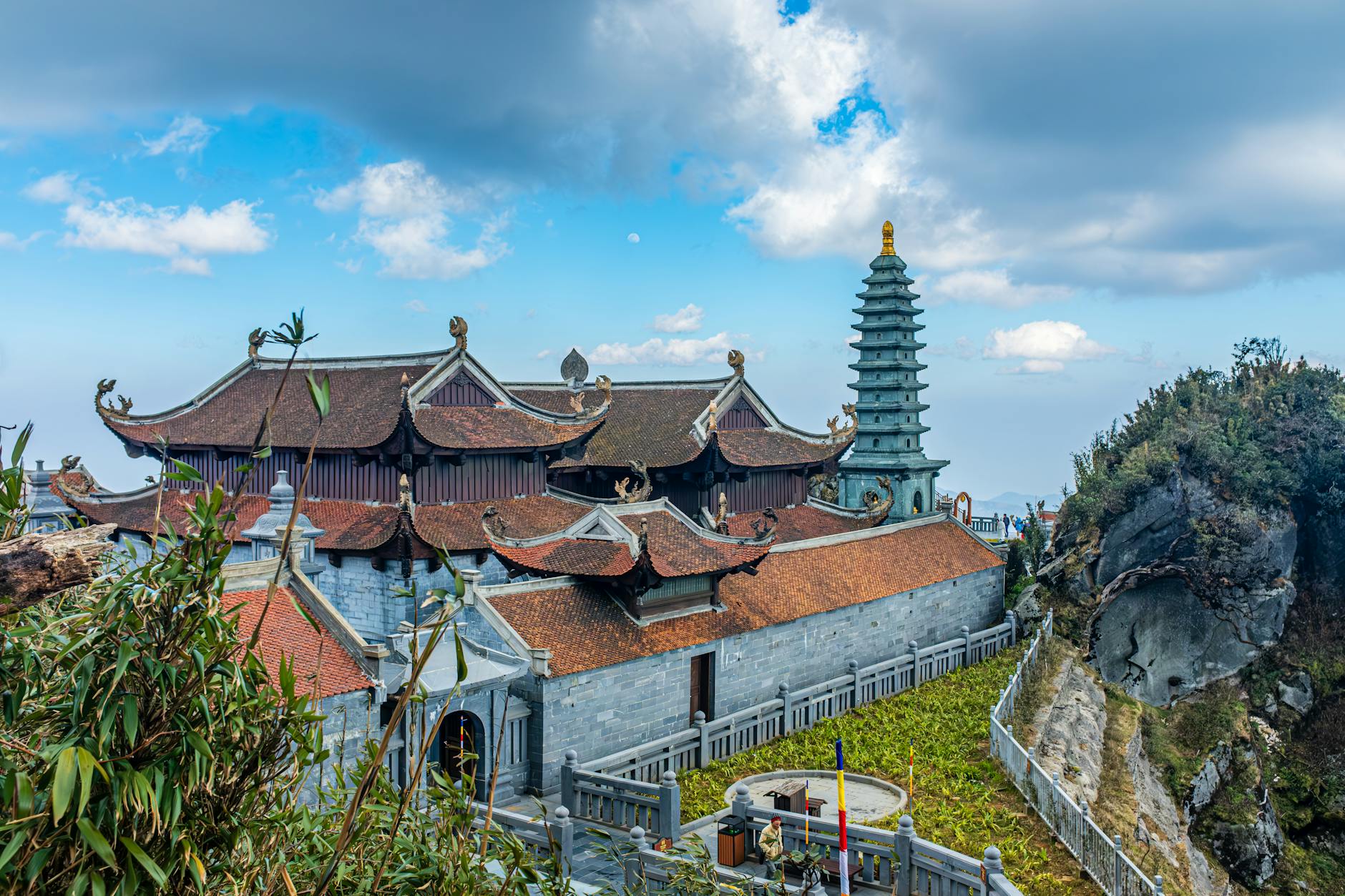
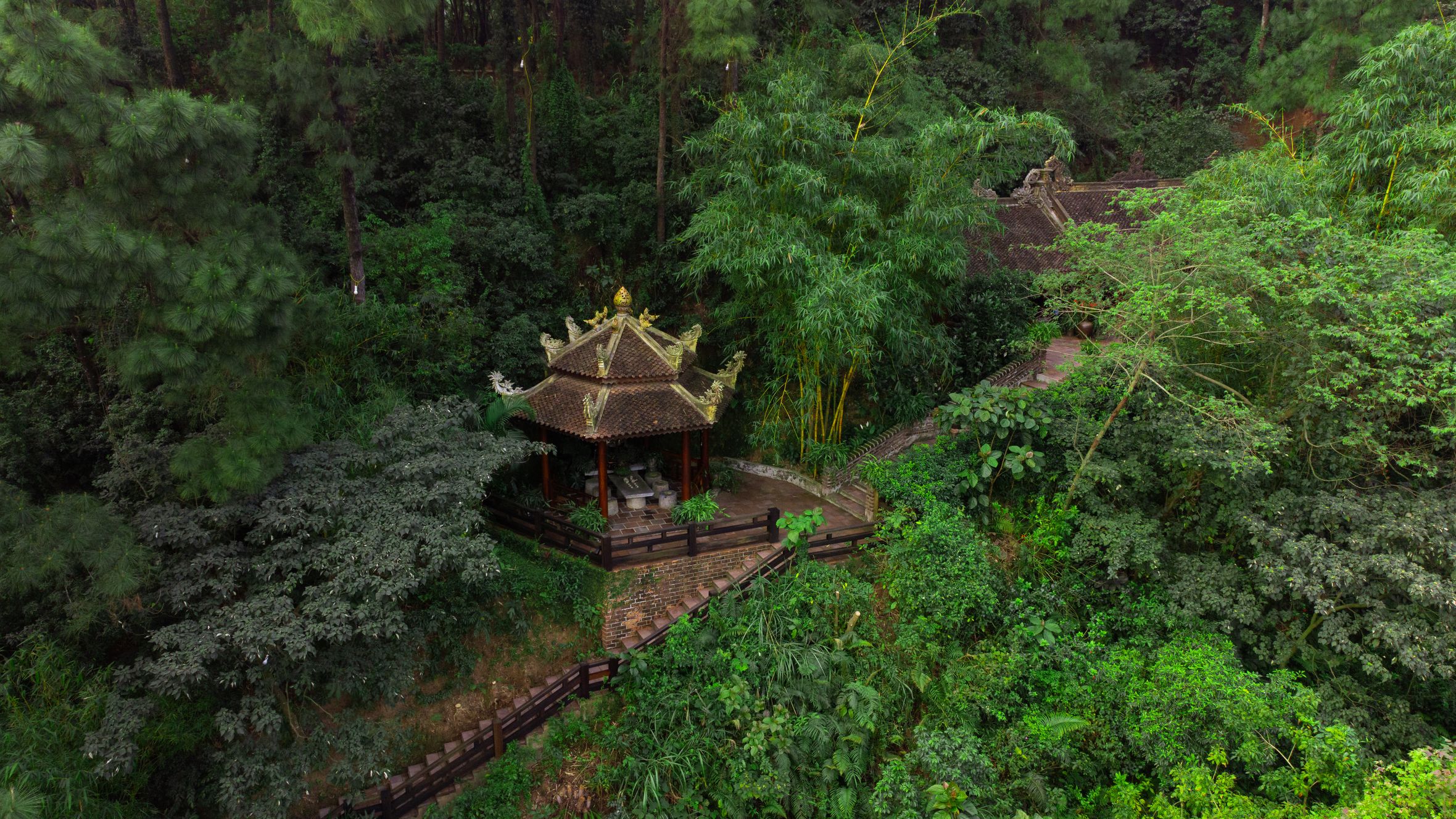
The hill has been a pilgrimage site for centuries. Several pagodas dot its slopes, the most notable being Thien Thai Pagoda, which dates back to the Ly Dynasty (11th–12th century). This isn't a manicured tourist attraction — it's a working religious site where local monks still practice and incense smoke drifts through courtyards on quiet mornings. The surrounding forest is secondary growth but thick enough to block out the flatland heat, and the stone paths winding uphill have that pleasantly worn quality of places people have walked for a very long time.
Why travelers go
Three reasons, honestly. First, it's an easy, uncrowded alternative to the packed pagoda circuits around Ninh Binh (닌빈 / 宁平 / ニンビン) or Hanoi. Second, the combination of light hiking and temple visits hits a sweet spot — you're moving, not just standing in front of altars. Third, Bac Ninh province is the heartland of "quan ho" folk singing, a UNESCO-recognized tradition, and pairing Nui Thien Thai with a broader Bac Ninh day trip gives you culture that most itineraries skip entirely.
If you've already done the Temple of Literature and Tran Quoc Pagoda in Hanoi and want something less polished, this delivers.
Best time to visit
October through March is ideal. The cooler, drier months make the uphill walk comfortable rather than punishing, and winter mist sometimes settles in the trees in a way that earns whatever adjective you want to give it. Avoid June through August — the heat is brutal on exposed sections, and afternoon thunderstorms turn the stone paths slick.
Spring (February–March) coincides with pagoda festival season across Bac Ninh, so you may catch quan ho performances or local processions near the site. The [Lunar New Year](/posts/tet (뗏 (베트남 설날) / 越南春节 / テト)-lunar-new-year-guide) period around Tet is atmospheric but crowded with domestic pilgrims.
How to get there from Hanoi
By motorbike or car: Take National Highway 1A northeast toward Bac Ninh city (about 30 km, 45 minutes without traffic), then continue on QL1A or branch onto provincial roads toward the Bac Giang side. Total distance is roughly 55–65 km depending on your route. Budget 1.5–2 hours with Hanoi traffic.
By bus: Catch a bus from My Dinh or Gia Lam bus station headed for Bac Giang (40,000–60,000 VND). Ask to be dropped at the Nui Thien Thai turnoff. From there, it's a short xe om (motorbike taxi) ride, around 20,000–30,000 VND.
By Grab/taxi: A one-way Grab car from central Hanoi runs roughly 350,000–500,000 VND. Not the cheapest option, but convenient if you're splitting with travel partners. Return Grabs can be harder to find — have your driver wait or arrange a round trip.
Renting a motorbike in Hanoi (150,000–200,000 VND/day) and riding out is the most flexible approach and lets you stop freely along the way.

Photo by Menderes Kahraman on Pexels
What to do
Walk the pagoda circuit
The main draw. A stone-stepped path leads from the base through forest up to Thien Thai Pagoda and several smaller shrines. The walk takes 30–45 minutes at a relaxed pace. Wear shoes with grip — flip-flops are a bad idea on the steeper sections. The pagoda courtyards at the top have views over the surrounding rice paddies that reward the climb.
Explore the caves
Small natural caves punctuate the hillside, some containing Buddhist statues and altars. They're not deep or dramatic — don't expect Phong Nha — but the combination of incense, cool air, and carved rock is worth ducking inside for.
Sit and listen
This sounds like non-advice, but the quiet at Nui Thien Thai is genuinely unusual for a site this close to Hanoi. Find a stone bench in one of the upper courtyards, especially in the early morning. Monks chanting, birds, wind in the trees. That's it.
Visit Bac Ninh's quan ho villages
On the way back, detour through Diem Village or Lim Hill — both centers of quan ho folk singing tradition. If your timing is right (especially around the Lim Festival in early spring), you might catch live performances on boats or in communal houses. Even without a festival, the villages themselves are worth a slow ride through.
Combine with Bat Trang pottery village
Bat Trang sits on the road between Hanoi and Bac Ninh, right along the Red River. Stop on your way out or back to browse ceramics, watch potters work, and pick up handmade bowls for a fraction of Hanoi shop prices.
Where to eat nearby
Bac Ninh city (20–30 minutes from the hill) is your best bet for a proper meal. Look for "banh cuon" — Bac Ninh makes some of the best steamed rice rolls in the north, thinner and silkier than Hanoi versions, typically filled with minced pork and wood ear mushroom. A plate runs 25,000–40,000 VND at local shops.
Also try "nem chua" from Bac Ninh — fermented pork wrapped in banana leaves, tangy and slightly fizzy. Street vendors and market stalls sell it everywhere in the city. Budget 5,000–10,000 VND per piece.
For something more substantial, rice and grilled pork shops (com binh dan) line the streets near Bac Ninh's central market. A full plate with sides rarely exceeds 40,000 VND.
Where to stay
Most travelers do Nui Thien Thai as a day trip from Hanoi. If you want to stay overnight in Bac Ninh city, budget guesthouses (nha nghi) start around 200,000–300,000 VND/night. Mid-range hotels with air conditioning and hot water go for 400,000–700,000 VND. Nothing luxury — this isn't a tourist town, and that's part of the appeal.
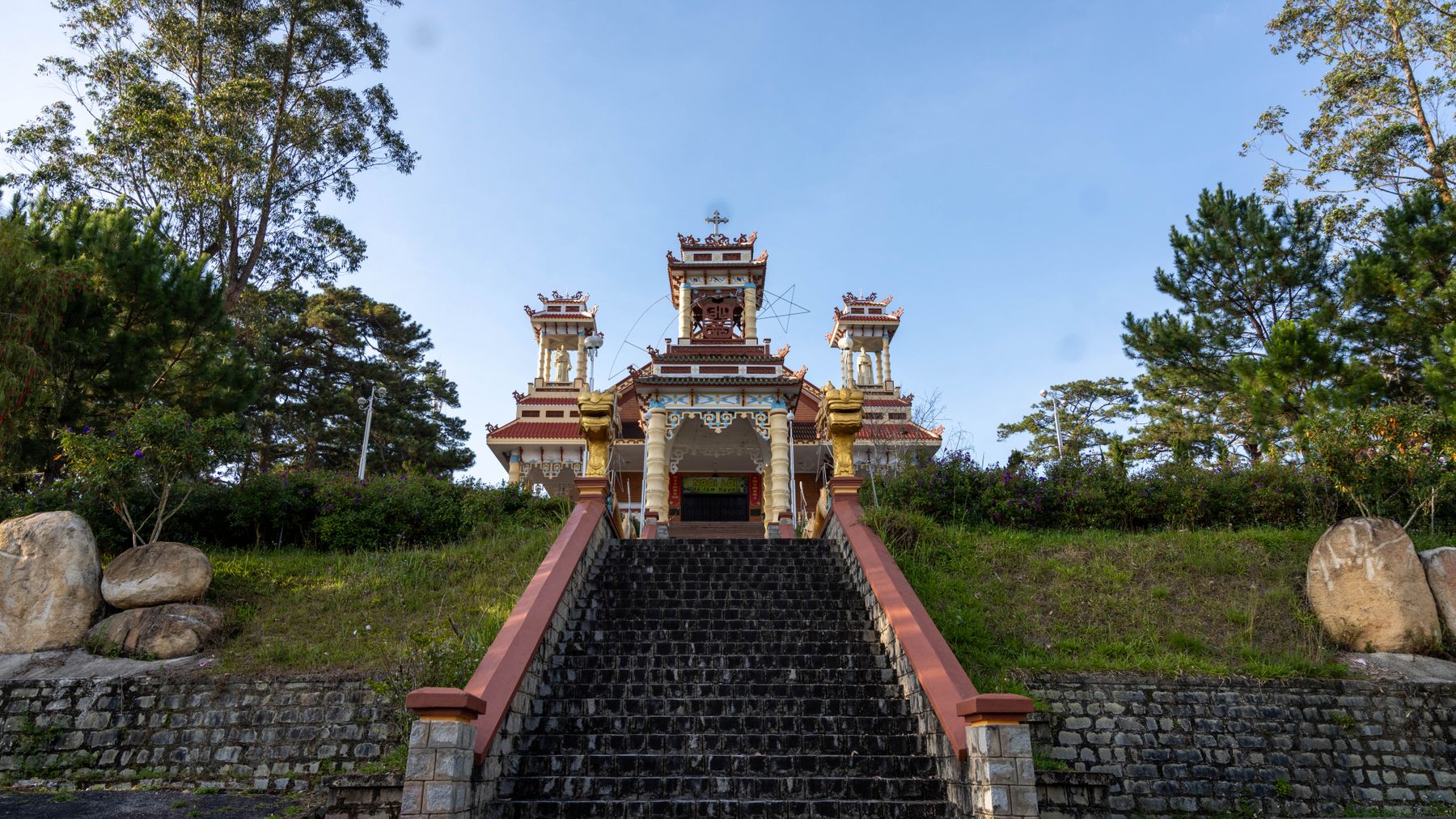
Photo by Quang Vuong on Pexels
Practical tips locals would tell you
- Bring water and snacks. There's no shop at the top of the hill. A couple of drink vendors sometimes set up at the base, but don't count on it.
- Go early. Arrive by 7:00–8:00 AM for the best light, coolest temperatures, and fewest people.
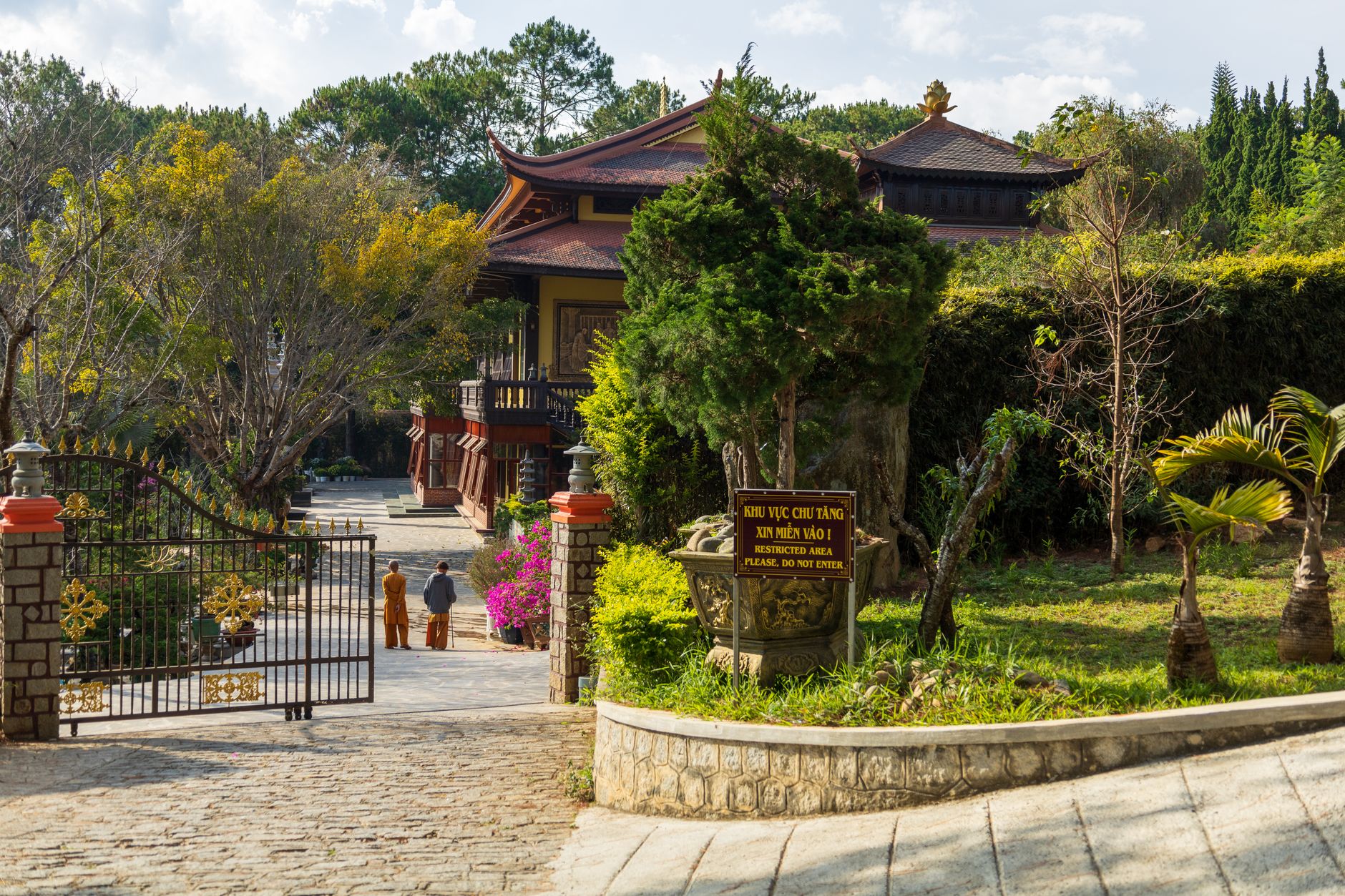
- Dress modestly. This is an active religious site. Cover shoulders and knees. You'll see signs reminding you, but save yourself the awkwardness.
- Cash only. No ATMs near the site. Bring enough dong for the day — food, transport, and any small donations at the pagodas.
- Download offline maps. Google Maps has the location pinned, but cell signal gets patchy on the hill itself.
Common mistakes to avoid
Don't plan this as a full-day destination on its own — the hill takes 2–3 hours max. Pair it with Bac Ninh city, Bat Trang, or the quan ho villages to fill a satisfying day trip. Don't wear open shoes on the stone paths, especially after rain. And don't skip the caves because they look small from outside — the interiors are more interesting than the entrances suggest.
Practical notes
Nui Thien Thai works best as part of a Bac Ninh day trip from Hanoi, ideally by motorbike. It's not a destination you'd fly across the country for, but if you're spending time in the north and want something outside the usual Hanoi–Ha Long–Ninh Binh triangle, this quiet hill delivers more than its modest elevation promises.
Last updated · May 29, 2026 · independently researched, never sponsored.