Most people come to Phu Quoc for the water. The coffee is an afterthought, something ordered between snorkeling and sunset. That's a mistake worth correcting — the island has developed a genuinely interesting coffee culture that rewards anyone willing to slow down and pay attention.
The Baseline: What "Ca Phe Sua Da" Means Here
"Ca phe sua da" — iced coffee with sweetened condensed milk — is the default drink order across Vietnam, and Phu Quoc is no exception. But the version you get here often tastes different from Hanoi or Saigon, and not just because of the heat. Many small local shops on the island use robusta beans sourced from the Central Highlands (중부 고원 / 中部高原 / 中部高原), brewed through a "phin" filter at a ratio that produces something almost syrupy before the condensed milk goes in. Expect it to cost between 15,000 and 25,000 VND at a sidewalk spot. If someone charges you 60,000 VND for the same drink at a beachfront resort, you now know why to walk two streets inland.
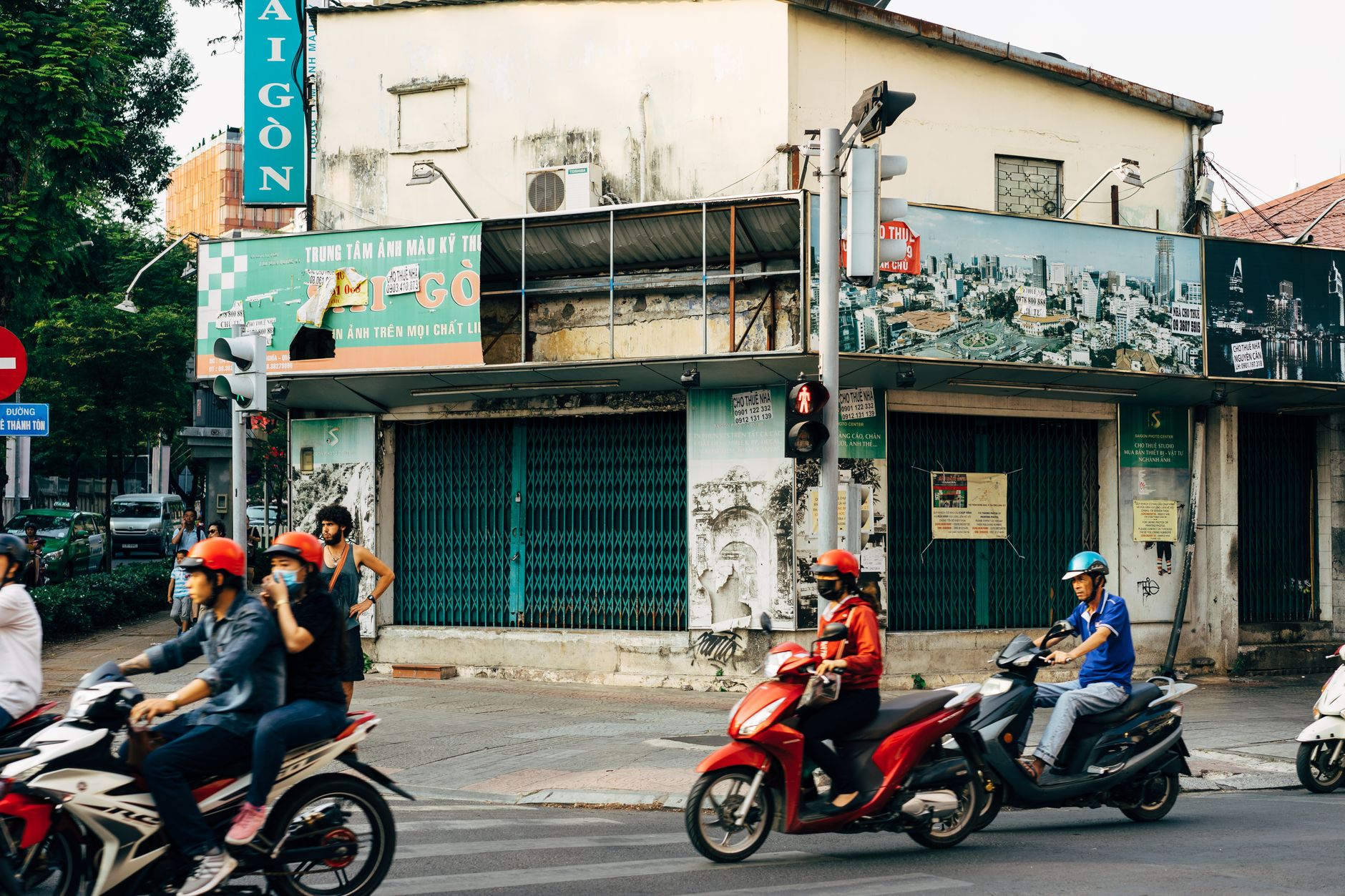
The plastic-stool coffee culture on Phu Quoc (푸꾸옥 / 富国岛 / フーコック) is concentrated around Duong Dong town, the island's main urban center. Nguyen Trung Truc Street and the roads branching off the night market area have clusters of family-run "quan ca phe" that open around 6 a.m. and do most of their business before 9. These are not Instagram cafes. They are places where local fishermen and motorbike repair guys drink before work. Sit down, point at what the person next to you has, and you'll be fine.
Beyond the Phin: What Else Is Worth Ordering
"Vietnamese coffee" culture isn't monolithic, and Phu Quoc's cafe menus reflect a few regional and generational influences worth knowing about.
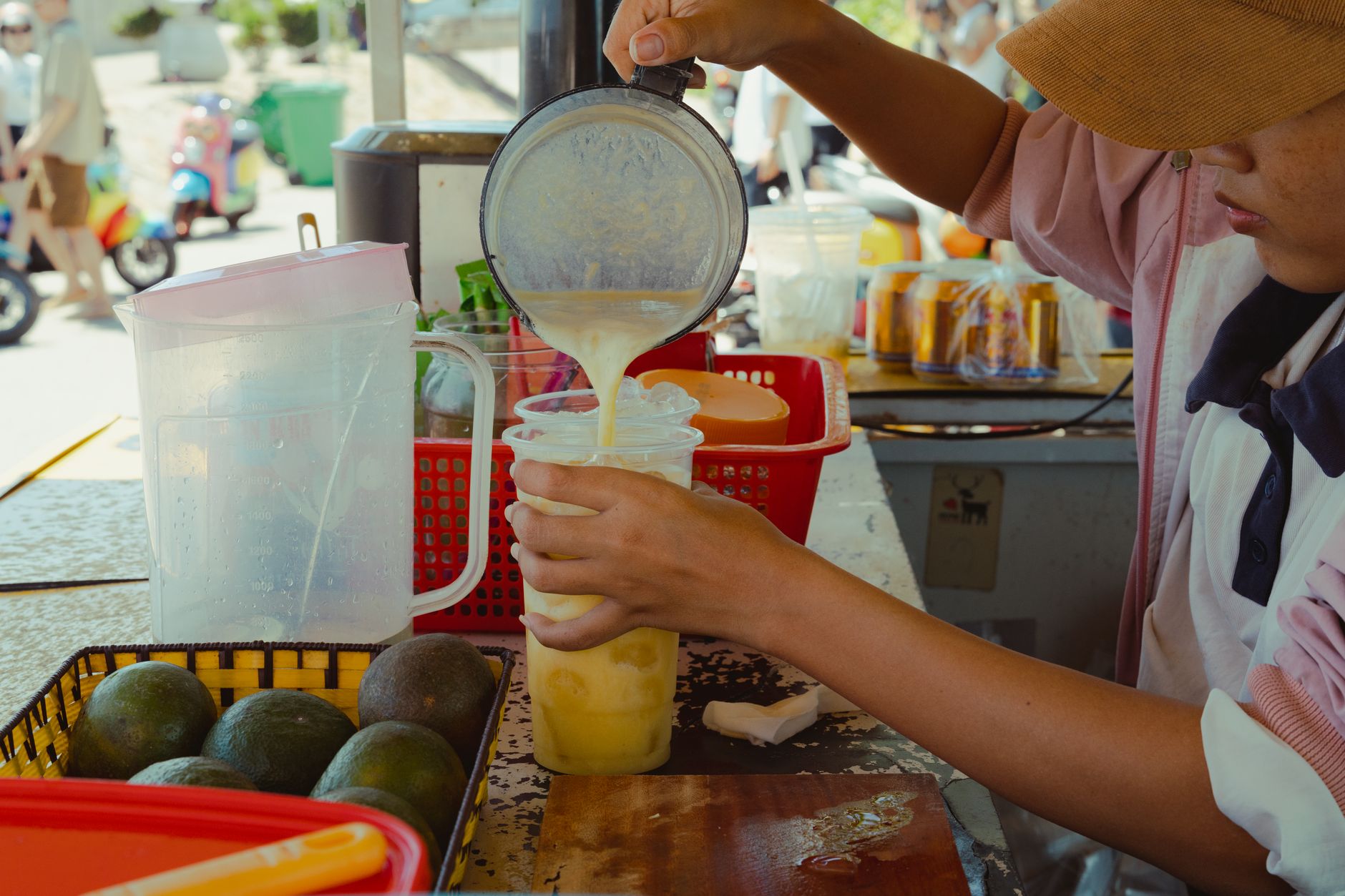
Coconut coffee has become genuinely popular here — not the watered-down tourist version, but a properly made drink where cold-brewed or strong drip coffee is blended with coconut cream and a small amount of condensed milk, served over ice. It's rich without being cloying. A handful of shops near Bai Truong (Long Beach) have been refining this for a few years and it's worth seeking out specifically on a hot afternoon.
Salt coffee — ca phe muoi — originated in Hue but has migrated south and shows up on menus across Phu Quoc now. A thin layer of salted cream sits on top of iced black coffee. You stir it or you don't; locals argue about this. Either way it cuts the bitterness in a way that's genuinely interesting rather than gimmicky.
"Egg coffee" — the Hanoi version involving whipped egg yolk and sugar over espresso — is less common this far south, but a few cafes in Duong Dong have added it to their menus for the tourist trade. It's fine, but it's not the same thing you'd get at the original spots in Hanoi, and honest shops will tell you that.
Photo by lhthoai on Pexels
The Slower End: Third-Wave and Specialty Cafes
Phu Quoc isn't Ho Chi Minh City — there's no dense specialty coffee district — but the island has seen a small wave of more considered cafes open over the past three or four years, mostly catering to the longer-stay visitor demographic and younger Vietnamese travelers.
Several of these are clustered around the Ong Lang and Cua Can areas in the north of the island, where development is quieter and the clientele tends to stay for weeks rather than days. These shops are typically doing pour-overs, cold brew, and single-origin arabica from Da Lat or Son La. Prices run 45,000 to 75,000 VND for a filter coffee. In exchange you get a proper ratio, clean equipment, and usually a garden or shaded terrace to sit in without being rushed.
Duong Dong itself has two or three spots doing something similar on a smaller scale — look for cafes that display their bean origins on a chalkboard and have a grinder visible behind the counter. That's usually a reliable indicator that someone cares about what's in the cup.

Photo by 🇻🇳🇻🇳Nguyễn Tiến Thịnh 🇻🇳🇻🇳 on Pexels
Where to Drink Slow
The best coffee experiences on Phu Quoc tend to happen when you stop trying to optimize and just sit somewhere long enough to watch the street. A few practical pointers:
- Early morning on Tran Hung Dao Street in Duong Dong: the street is still cool, traffic is light, and the local shops are fully operational before the resort crowd wakes up.
- Afternoon at a garden cafe in Ong Lang: the north of the island is genuinely quieter and the cafes reflect that pace. Bring a book. No one will ask you to leave.
- The night market area after 5 p.m.: less obvious for coffee than for food, but a few shops stay open through the evening and the people-watching is good.
One thing worth knowing: Phu Quoc's tap water isn't suitable for drinking, but every cafe uses filtered or bottled water for their coffee — this isn't something you need to worry about.
Practical Notes
Most local coffee shops in Duong Dong don't have English menus, but pointing and holding up fingers for quantity works fine and the price range is narrow enough that ordering blind rarely goes badly wrong. If you're renting a motorbike — which is the right way to move around the island — the Ong Lang and Cua Can cafes are roughly 15 to 20 km north of the main Duong Dong strip, an easy half-day ride. Bring cash; a number of the smaller spots don't take cards.
Last updated · May 29, 2026 · independently researched, never sponsored.