Phu Yen is the province most people see through a bus window between Da Nang and Nha Trang (냐짱 / 芽庄 / ニャチャン). That's a mistake — specifically a culinary one. The coast here produces some of the cleanest, least-fussed-with seafood in central Vietnam, and the local "bun ca" is a bowl that deserves its own detour.
What Makes Phu Yen's Bun Ca Different
"Bun ca" — rice vermicelli with fish — exists up and down Vietnam (베트남 / 越南 / ベトナム), but the Phu Yen version has a distinct character. The broth is built from simmered fish bones and heads, often ca thu (mackerel) or ca ngung (a local amberjack-style fish), with lemongrass, turmeric, and a small amount of shrimp paste stirred in for depth. It's lighter than the fermented-heavy broths you get in Hue's "bun bo hue", and more savoury than the sweeter southern takes.
The fish itself arrives in two forms at most Tuy Hoa shops: a slab of poached fillet laid directly in the bowl, and a few pieces of cha ca — fried fish cake made from the same catch, pounded with garlic and spring onion, shaped into patties and pan-fried until the outside catches. The contrast between the delicate poached fish and the chewy fried cake is the whole point of the dish.
Fresh bun noodles — slightly thicker than the dried kind — sit underneath. Toppings on the side: shredded banana blossom, bean sprouts, rau ram (Vietnamese coriander), and a wedge of lime. Chili fish sauce arrives in a small dish. The price at a street-level shop in Tuy Hoa, the provincial capital, runs 35,000–50,000 VND.
Where to Eat It in Tuy Hoa
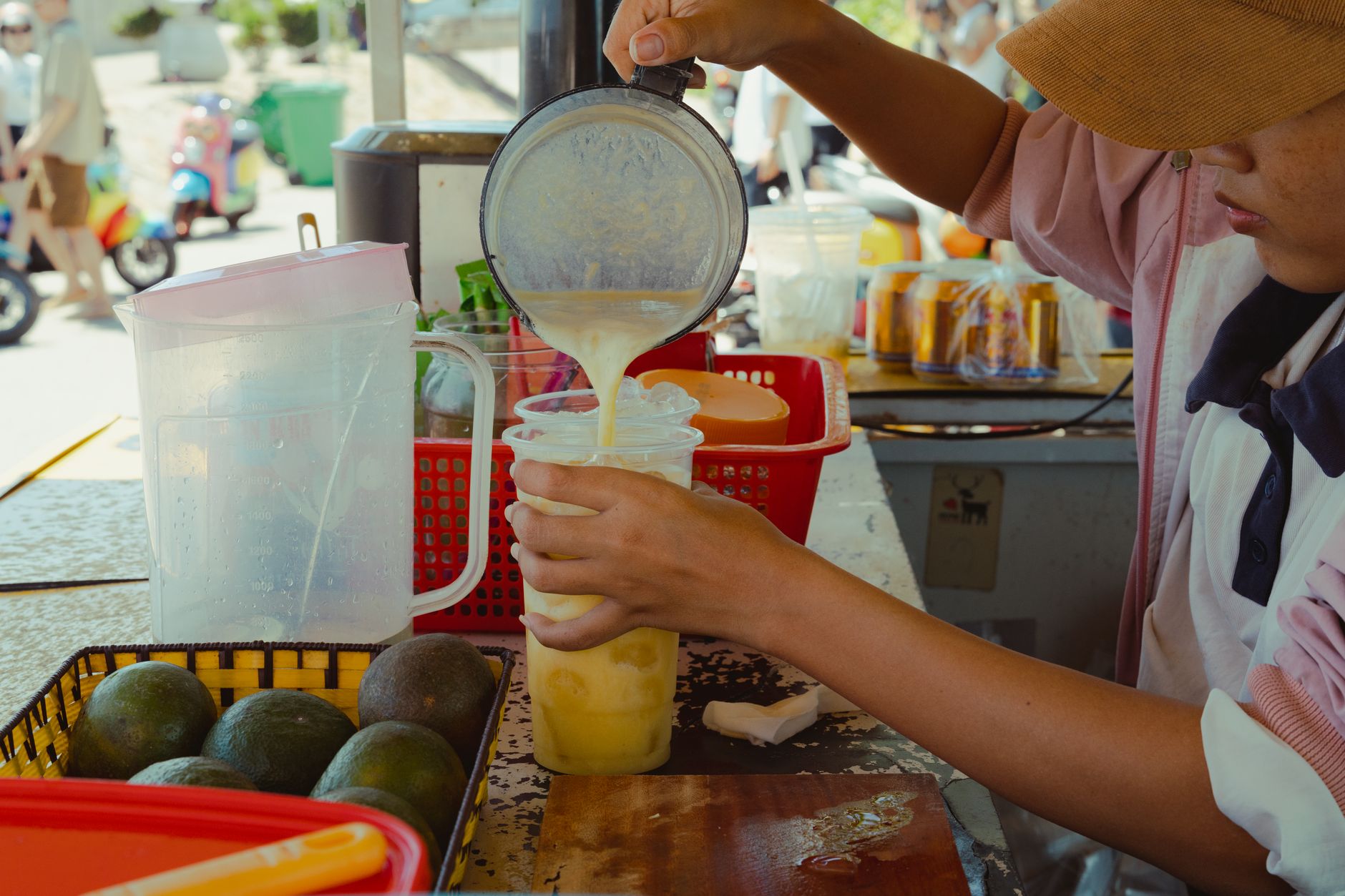
Tuy Hoa's morning market area, roughly along Tran Hung Dao and the streets running perpendicular toward the river, has the densest cluster of bun ca vendors. Most open by 6 a.m. and sell out before 10. Look for the low plastic stools and the stainless steel vats of broth kept at a low simmer — not a rolling boil, which is the mark of a shop that knows what it's doing.
There's no single famous address that's been written up in every guide. The unwritten rule is: pick the stall with the most motorcycles parked out front before 8 a.m., and you'll be fine.

Photo by Hoàng Giang on Pexels
The Broader Seafood Picture
Bun ca is the entry point, but Phu Yen's seafood runs deeper. A few dishes worth tracking down:
Ca Ngung Chien Muoi
Fried whole fish seasoned with salt, pepper, and a small amount of sugar before hitting a wok of hot oil. Ca ngung — sometimes called ca bong or amberjack depending on the day's catch — has firm white flesh that holds up to the heat without drying out. Eaten with steamed rice and a dipping sauce of lime juice, salt, and sliced fresh chili. Available at any com binh dan (workers' rice) shop in the city.
Ghe Hap Bia
Blue swimmer crabs steamed with beer and lemongrass. The crabs come from the Tuy Hoa estuary and the To Loan lagoon farther north near Vung Ro Bay. Flesh is sweet and slightly briny. This is an evening dish — order it at the seafood restaurants along Hung Vuong Street near the beach, where you pick live crabs from tanks and they're cooked to order. Budget around 150,000–250,000 VND per crab depending on size and season.
Banh Canh Ca Loc
"Banh canh" — thick tapioca-and-rice noodles — in a clear broth with ca loc (snakehead fish). Snakehead has a slightly muddy reputation if it's farmed in standing water, but the Phu Yen version uses fish from cleaner estuary water and the broth is fresher for it. Topped with fried shallots and a scattering of spring onion. You'll find this in the same morning-market corridor as the bun ca stalls.
The Ingredient Behind All of It: Ca Com
Much of the flavour in Phu Yen's seafood cooking traces back to "ca com" — anchovies — and the fish sauce and shrimp paste fermented from them. The province doesn't have the name recognition of Phu Quoc for fish sauce, but local producers along the coast make a sharper, saltier version that locals prefer for dipping and cooking. If you're passing through and want something to take home, small bottles of ca com fish sauce from Ganh Do fishing village, about 3 km north of Tuy Hoa, cost 60,000–80,000 VND and are available at the village's small market.

Photo by Quang Nguyen Vinh on Pexels
Getting There and Timing
Tuy Hoa has a domestic airport (Dong Tac) with flights from Hanoi and Saigon. By train it sits on the main north-south line — about 3.5 hours from Da Nang or 4 hours from Nha Trang. Most travelers treat it as a one-night stop, which is enough time to eat well twice: bun ca in the morning, grilled or steamed seafood in the evening.
The fishing boats work year-round, but the catch is most varied from October through February when cooler water pushes different species closer to shore. Avoid September if you can — the province sits in the direct path of late-season typhoons.
Practical Notes
Cash only at most street stalls and market restaurants; bring small bills (20,000–50,000 VND denominations). Google Maps is patchy for smaller food stalls in Tuy Hoa — walk the market streets before 8 a.m. and follow your nose. Phu Yen has almost no English-language menus, so knowing the dish names in Vietnamese will take you a long way.
Last updated · May 29, 2026 · independently researched, never sponsored.