What it is
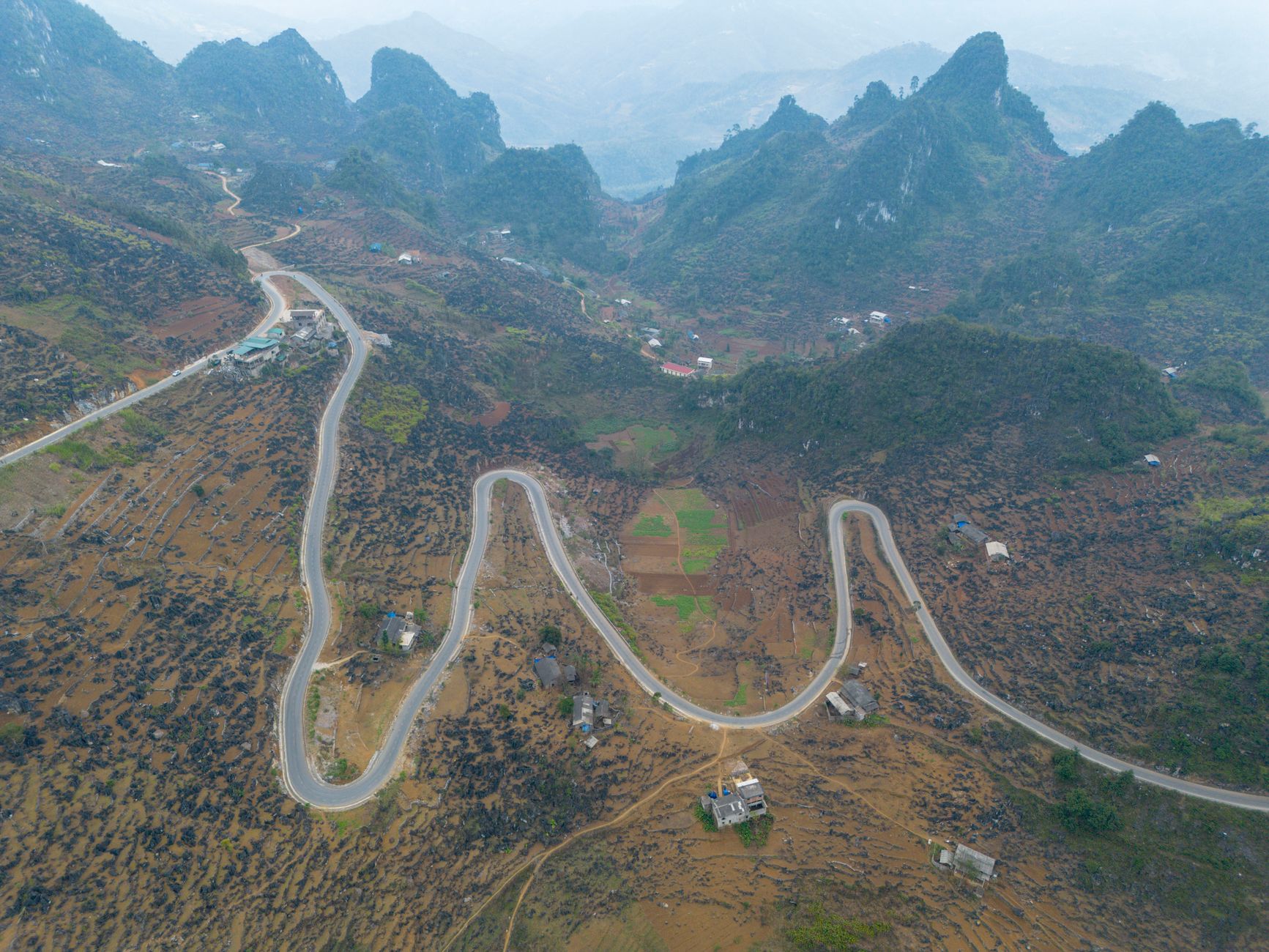
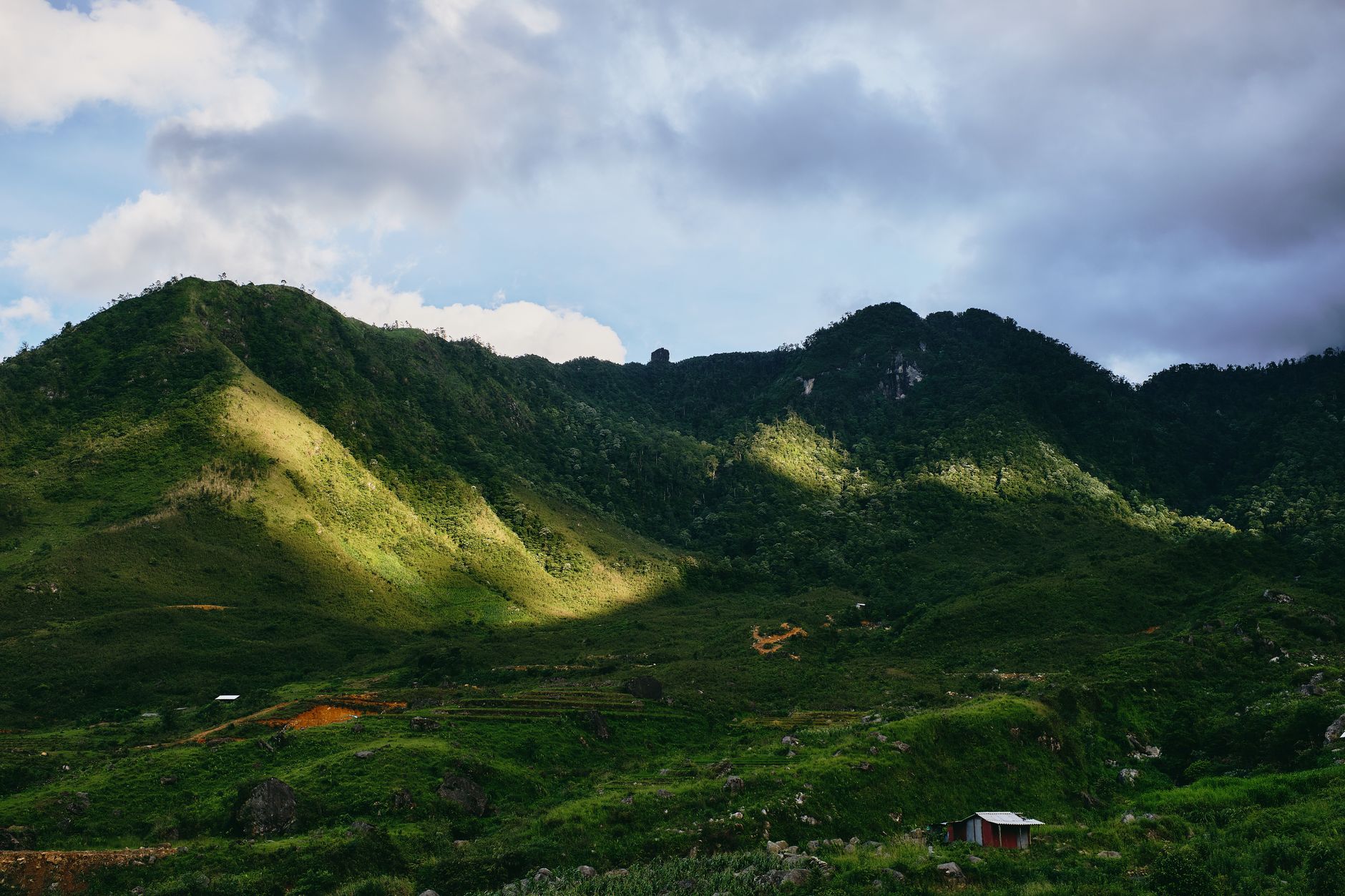
Rung Tran Hung Dao is a dense, mountainous forest in Nguyen Binh district, Cao Bang province, about 50 km south of Cao Bang city. The forest sits at around 800-1,000 meters elevation, draped across limestone karst hills and old-growth subtropical canopy. It's named after the 13th-century military commander Tran Hung Dao, and its historical significance is tied to December 22, 1944 — the date the Vietnam Propaganda and Liberation Army (the predecessor of the Vietnam People's Army) was founded here with an initial force of 34 members. A modest memorial site and museum mark the spot.
For most travelers, Rung Tran Hung Dao is not on the radar. Cao Bang itself is already off the main tourist circuit — most people heading north from Hanoi aim for Ha Giang or Sapa. But if you're already exploring the Cao Bang loop (Ban Gioc waterfall, Nguom Ngao cave), this forest is a worthwhile half-day side trip that gives you highland hiking, genuine quiet, and a piece of history you won't find explained this clearly anywhere else in the country.
Why travelers go
Three reasons, honestly. First, it's one of the few historical sites in northern Vietnam where you can walk through the actual landscape where events happened — not a reconstruction, not a museum replica, but the forest itself. The original trails through the trees are still walkable. Second, the forest is beautiful in a low-key way: tall hardwoods, ferns, birdsong, cool air. It's not a national park with entrance queues. Most days you'll have the trails to yourself. Third, it pairs naturally with a Cao Bang road trip. If you're already driving the loop to Ban Gioc, Nguom Ngao, and Pac Bo, adding Rung Tran Hung Dao costs you maybe three extra hours and zero extra permits.
Best time to visit
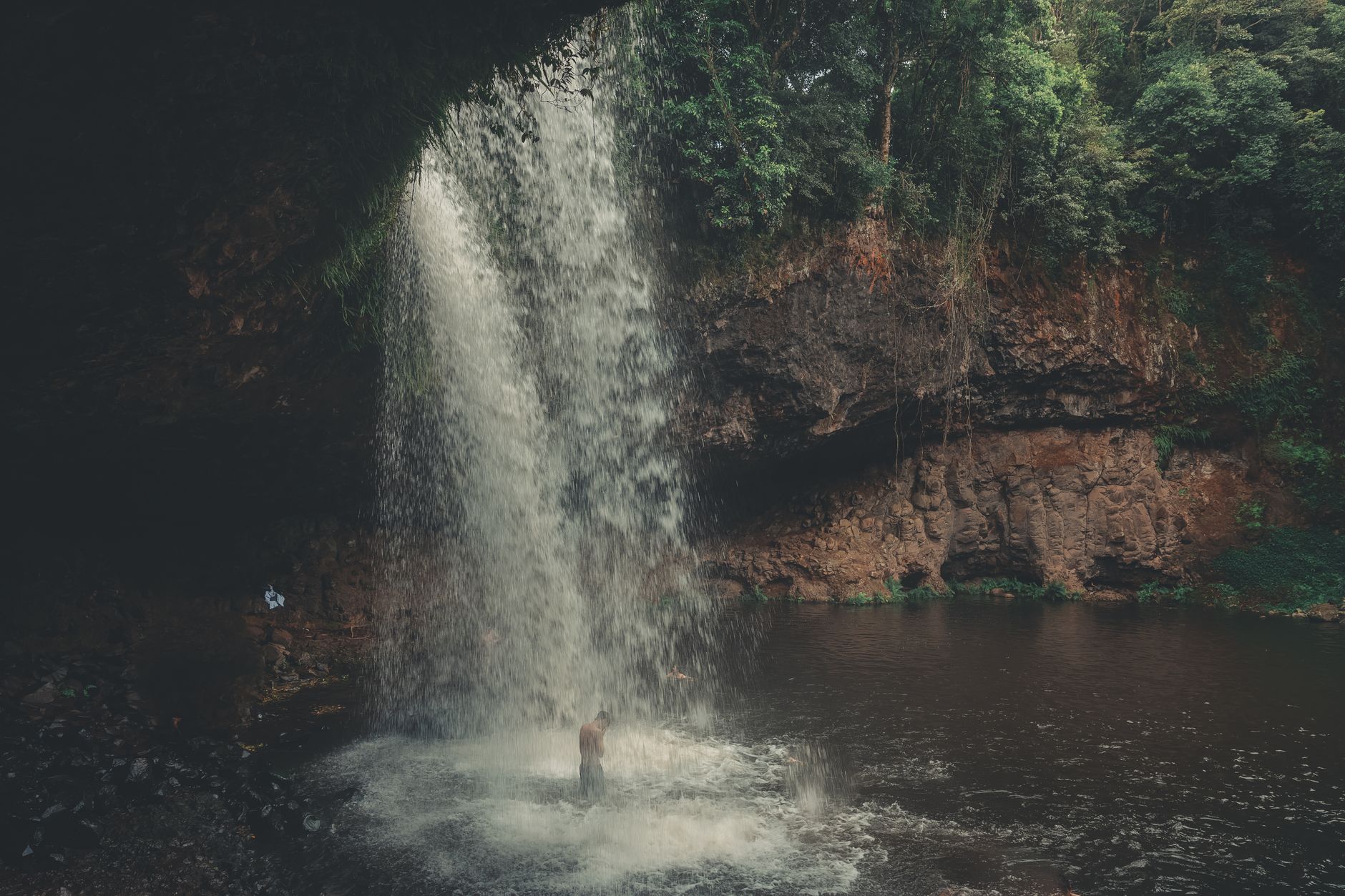
September through November is ideal. The summer rains taper off by mid-September, the trails dry out, and the forest canopy is still thick and green. Temperatures at this elevation hover around 18-24°C — comfortable for walking. December through February gets cold, sometimes dropping to 5-8°C at night, and morning fog can be dense. That said, the fog through the trees has its own appeal if you're prepared with layers. March to May is dry and warming, also solid. Avoid June through August if you dislike mud — the trails get slippery and leeches appear after heavy rain.

Photo by Thanh Luu on Pexels
How to get there
From Hanoi (하노이 / 河内 / ハノイ), take a bus to Cao Bang city first. Several sleeper buses run the route daily (Duc Long, Thanh Ly, Kumho). Journey time is roughly 7 hours; tickets run 250,000-350,000 VND. From Cao Bang city, Rung Tran Hung Dao is about 50 km south toward Nguyen Binh town. There's no direct public bus to the forest itself — you'll need a motorbike or car.
Renting a motorbike in Cao Bang city costs around 150,000-200,000 VND per day. The road to Nguyen Binh is paved and in decent shape, though the final few kilometers to the memorial site narrow into a smaller road through the hills. Budget about 1.5 hours one way from Cao Bang city. If you don't ride, hire a local driver through your hotel — expect 600,000-800,000 VND for a half-day return trip.
What to do
Walk the historical trail
A marked path leads from the memorial gate through the forest to the spot where the 34-member armed unit was first assembled. The walk is roughly 2 km each way, mostly flat with a few inclines. Signboards along the route are in Vietnamese, but the physical landscape — the clearing, the old trees — tells the story plainly enough. Give yourself 60-90 minutes for a relaxed walk.
Visit the memorial and small museum
At the trailhead, there's a modest exhibition hall with photographs, maps, and a few artifacts from the 1940s. It won't take more than 20 minutes, but it provides context that makes the forest walk more meaningful. Free entry.
Hike deeper into the forest
Beyond the main historical trail, unmarked paths continue into denser forest. If you're comfortable with basic off-trail walking, you can push further into the hills for another hour or two. The canopy gets thicker, the air cooler, and you'll likely spot birds and butterflies you won't see at lower elevations. Bring water and let someone know your plans — there's no phone signal deeper in.
Stop at Nguyen Binh town
The small district town of Nguyen Binh, a few kilometers before the forest, is worth a brief stop. Its morning market (busiest before 8 AM) sells local produce, forest honey, and dried mushrooms. It's a Tay and Dao ethnic minority area, so you'll see traditional clothing and hear languages other than Vietnamese. Not a tourist market — just a town doing its thing.
Combine with Ban Gioc and Pac Bo
Most travelers visit Rung Tran Hung Dao as part of a wider Cao Bang loop. Ban Gioc waterfall is about 90 km northeast of Cao Bang city; Pac Bo cave (another historical site associated with Ho Chi Minh (호치민 / 胡志明 / ホーチミン)'s return to Vietnam in 1941) is about 55 km north. A three-day motorbike loop from Cao Bang city can comfortably cover all three plus Nguom Ngao cave.
Where to eat nearby
Nguyen Binh town has a handful of "com pho" (rice-and-noodle) shops along the main road. Don't expect menus — point at what looks good. The local specialty worth seeking is "pho chua" — sour pho, a cold rice noodle dish tossed with roasted peanuts, herbs, crispy pork skin, and a tangy dressing. It's a Cao Bang regional thing and you won't find it easily in Hanoi. A bowl costs around 30,000-40,000 VND. Also try "banh cuon" here — the Cao Bang version uses thicker rice sheets and a meatier filling than the Hanoi style, often served with a side of bone broth.

Photo by Tường Chopper on Pexels
Where to stay
There's no accommodation at Rung Tran Hung Dao itself. Stay in Cao Bang city, where options range from basic guesthouses ("nha nghi") at 200,000-300,000 VND per night to mid-range hotels with air conditioning and hot water for 400,000-700,000 VND. A couple of newer hotels near the central market offer clean rooms with Wi-Fi for around 500,000 VND. If you want a homestay experience, ask around in Nguyen Binh — a few families host travelers, though don't expect English.
Practical tips locals would tell you
- Bring a light jacket even in warm months. The forest canopy blocks sun and the elevation makes mornings cool.
- Fill your fuel tank in Cao Bang city. There are fuel stations in Nguyen Binh, but they occasionally run dry.
- The memorial site has a caretaker who may offer to walk you through — tip 50,000-100,000 VND if they do. It's not a formal guide service.
- Carry cash. No ATMs in Nguyen Binh and no card payments anywhere near the forest.
- Mosquito repellent is useful year-round. The forest is damp.
Mistakes to avoid
- Trying to visit as a day trip from Hanoi. The 7-hour bus ride each way makes this impractical. Plan at least two nights in Cao Bang.
- Skipping the forest walk and only seeing the memorial. The exhibition is fine, but the forest itself is the point. Walk the trail.
- Arriving after 3 PM. The light fades early under the canopy, and the road back to Cao Bang isn't fun in the dark on a motorbike.
- Expecting English signage or guides. This is not a major tourist site. Download a Vietnamese translation app or learn a few key phrases before you go.
Last updated · May 26, 2026 · independently researched, never sponsored.