Soc Trang is about 230 km south of Saigon, and most travelers skip it entirely. That's a mistake, especially if you eat. The province has Vietnam (베트남 / 越南 / ベトナム)'s densest concentration of Khmer Krom communities, and the food here pulls from both Khmer and Kinh traditions in ways that produce dishes genuinely unlike anything else in the south.
Bun Nuoc Leo — The Bowl That Defines the Province
"Bun nuoc leo" is the dish Soc Trang is known for above all else. The broth is built on fermented fish paste — "mam ca sac" — a pungent, deeply savory base that Khmer cooks have been using for centuries. Pork bones and lemongrass go in, and the result is something between "bun bo hue" in intensity and "hu tieu" in its sweetness, but not quite either. The noodles are thick round rice noodles, and the bowl comes topped with sliced pork, shrimp, and sometimes cha lua (pork roll), with a plate of fresh herbs, bean sprouts, and sliced banana blossom on the side.
The flavor is assertive. The fermented fish gives the broth a funky depth that's nothing like a clear pork stock — if you've eaten "pho" your whole life, this will recalibrate your sense of what a Vietnamese noodle soup can taste like. Most locals eat it for breakfast. A bowl runs 30,000–45,000 VND at a street stall.
Good places to find it: the morning market area around Mau Than Street and the cluster of stalls near Soc Trang's central market. Look for the handwritten signs and the women ladling broth from large clay pots — that's usually the right signal.
Bun Goi Da — The Lesser-Known Sibling
"Bun goi da" doesn't travel far outside the province, which is part of what makes it worth tracking down. It shares the fermented fish broth base with bun nuoc leo but uses smaller, thinner noodles and a different protein combination — typically ground pork, shrimp paste balls, and fried tofu. The garnishes lean harder into raw vegetables: water spinach, cucumber, and green mango strips are common additions depending on the stall.
The dish is lighter than bun nuoc leo but still complex. It's also slightly harder to find — ask at the market or look for stalls that advertise both dishes together, since many vendors sell them side by side. Expect to pay 25,000–35,000 VND.
Banh Pia — The Flaky Pastry Worth Taking Home
Soc Trang is the origin point for "banh pia", and what you find here is different from the vacuum-packed versions sold in Saigon (사이공 / 西贡 / サイゴン) supermarkets. The pastry shell is made with lard and folded repeatedly to get a shatteringly flaky crust — closer in technique to a Chinese wife cake than anything else. The filling is traditionally mung bean paste with salted egg yolk, though durian-filled versions are very popular locally.
The best banh pia comes from the district of Vung The, about 7 km from Soc Trang town, where several family-run bakeries have been making them for three or four generations. Tan Hue Vien and Cong Lap Thanh are two names that come up consistently among locals. A box of six pieces runs around 60,000–80,000 VND, and they're good for several days without refrigeration — reasonable to take on the road.
If you're buying from a market stall in town rather than a dedicated bakery, eat the same day. The crust softens quickly once the packaging is opened.
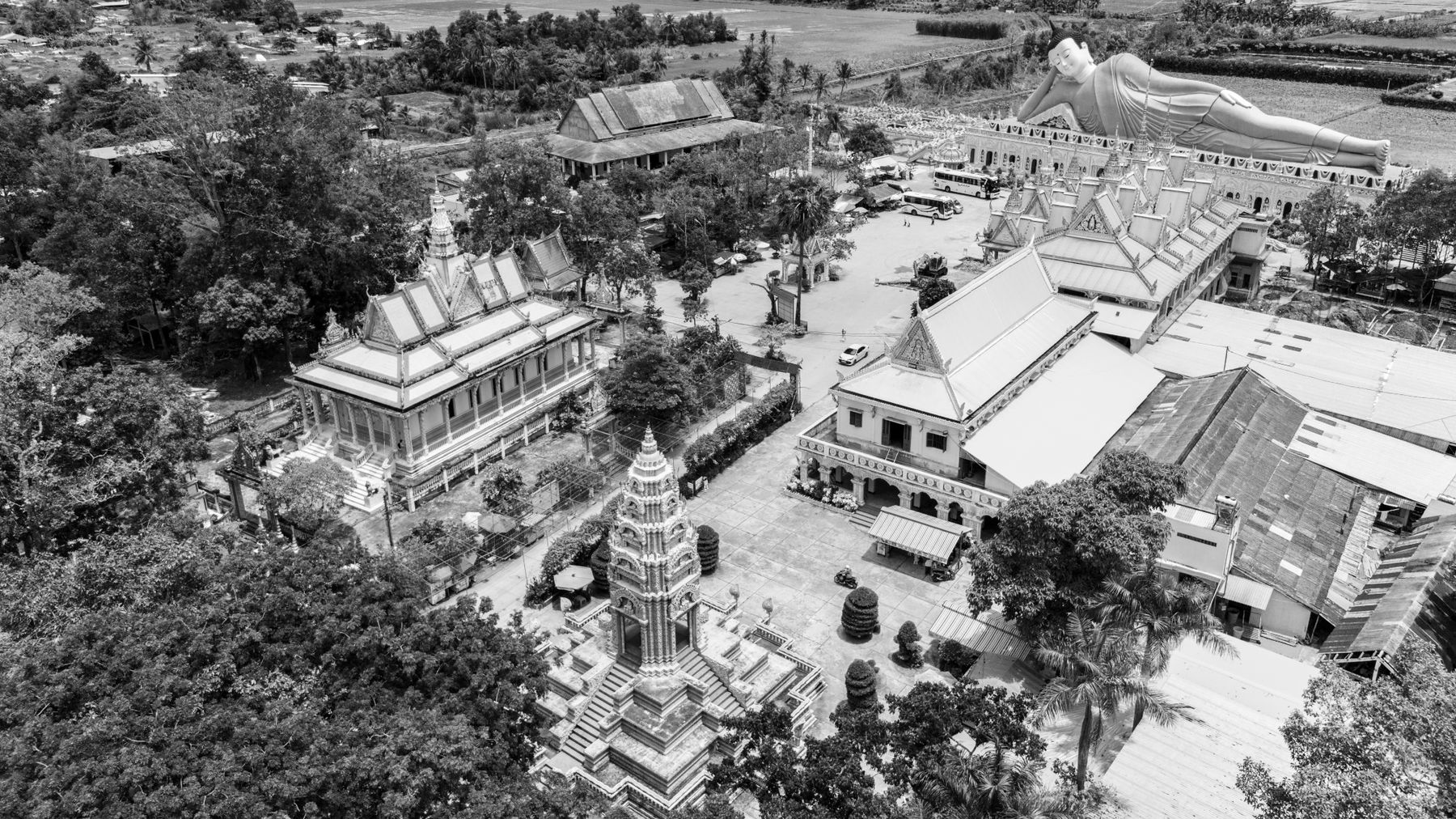
Photo by Duy Nguyen on Pexels
Banh Canh Bac Lieu — A Regional Variation Worth Noting
While strictly a neighboring province's dish, "banh canh" made with thick tapioca-rice noodles and fermented shrimp paste broth shows up in Soc Trang regularly, particularly in areas with strong Khmer influence. The broth here is murkier and richer than the clearer banh canh you'd find in Da Nang or farther north. It's a useful order if you want something filling at midday and the bun nuoc leo stalls have wound down.
Drinks and Sweets
Khmer influence shows up in the sweets too. "Che bap" (sweet corn pudding with coconut cream) and "banh bo nuong" (honeycomb cake) are common at Soc Trang's pagoda festivals, particularly around Khmer New Year in April and the Ok Om Bok moon festival in November. Both are sold at street stalls near the major Khmer pagodas — Chua Doi (Bat Pagoda) and Chua Dat Set (Clay Pagoda) both have vendors outside.
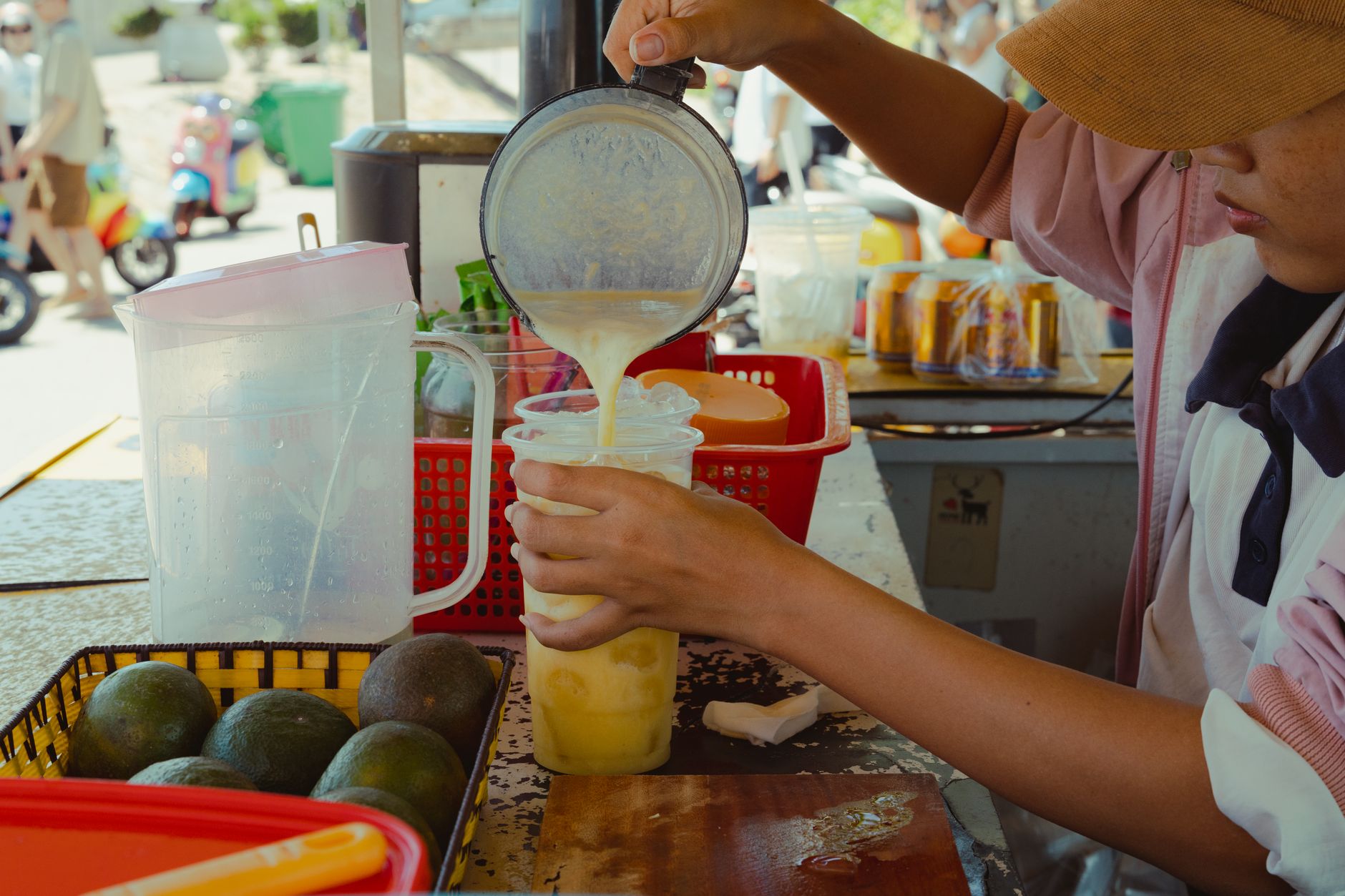
For drinks, iced "ca phe sua da" is everywhere, though you'll also find "nuoc thot not" — palm sugar juice drawn from the toddy palm — sold from small carts near the market. It tastes faintly of caramel and is much less sweet than it sounds. Worth 10,000 VND.

Photo by Nguyen Huy on Pexels
How to Eat Your Way Through Soc Trang Town
The central market (Cho Soc Trang) is the practical anchor for street food. The morning session, roughly 6–9 AM, is when bun nuoc leo and bun goi da stalls are busiest. By mid-morning many have sold out. The afternoon shift skews toward banh mi carts, fresh fruit, and che.
Soc Trang town is small enough to cover on foot or by xe om. Most of the food action is within a 1.5 km radius of the central market. If you're day-tripping from Can Tho (about 60 km north), leave early — you want to be eating by 7:30 AM.
Practical Notes
Soc Trang is rarely on package itineraries, so accommodation is basic — budget guesthouses around 200,000–350,000 VND per night. Most visitors come as a day trip from Can Tho or as a stop on the way toward Bac Lieu and Ca Mau. The food is reason enough to stop, and the Khmer pagodas add cultural weight that most Mekong Delta routes miss entirely.
Last updated · May 29, 2026 · independently researched, never sponsored.