Dien Bien is mostly known for its battlefield history, but about 30 km south of the city center there's a natural hot spring complex that locals have used for decades. Suoi Khoang Nong Hua Pe sits in a narrow valley in Hua Pe commune, Pa Thom district, where mineral-rich water surfaces at temperatures between 60-75°C. It's not a polished resort — it's a rural hot spring with just enough infrastructure to make a visit comfortable, and that's exactly what makes it worth the detour.
What It Is and Why It Matters
Hua Pe Hot Springs is a cluster of natural mineral water sources that bubble up through limestone in the foothills west of the Muong Thanh Valley. The water contains sulfur, calcium, and trace minerals — the kind of composition that locals have long credited with easing joint pain and skin conditions. The provincial government developed basic bathing facilities here in the early 2000s, adding concrete soaking pools fed directly from the springs.
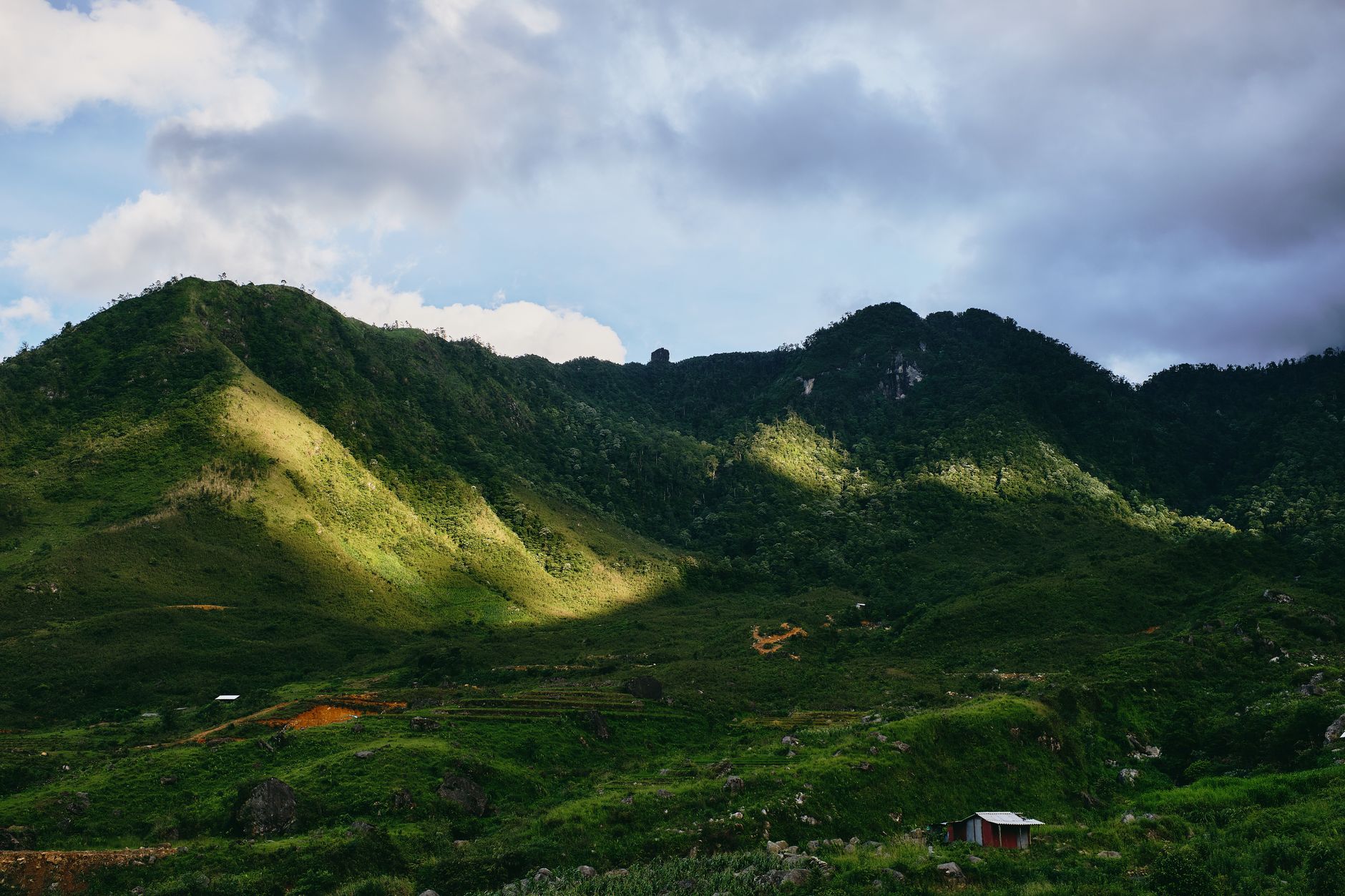
The site is modest. Don't expect a Da Lat-style wellness resort with infinity pools. Think concrete tubs under corrugated roofing, surrounded by green hills and the sound of a stream. The water is piped from the source and cooled to a bearable temperature before it reaches the pools. There's a simple charm to the whole setup — you're soaking in geothermal water in a valley where Thai ethnic communities have farmed rice for generations.
Why Travelers Go
Most visitors are domestic — families from Dien Bien city or neighboring provinces who come for weekend soaks. Foreign travelers are rare here, which is part of the appeal. You go to Hua Pe because you want something genuinely off the tourist circuit, not the curated version of "off the beaten path" that still has English menus.
The draw is simple: hot mineral water in a quiet valley, surrounded by rice terraces and forested hills. After a long ride through the northwest highlands — maybe coming from Sapa or Ha Giang on a motorbike loop — a long soak in sulfur-laced water does real work on tired muscles.
Best Time to Visit
The sweet spot is October through March. Dien Bien's dry season runs roughly November to April, and the cooler temperatures (dropping to 10-15°C at night in December and January) make sitting in hot water actually pleasant rather than punishing. Soaking in 40°C water when the air temperature is 35°C and humid — which is what you'd get from May through September — is not the experience you want.
Avoid major Vietnamese holiday weekends, especially Tet (late January or early February) and the September 2nd national holiday stretch. The pools are small, and local families pack the place during holidays.
How to Get There
From Dien Bien Phu city center, Hua Pe is about 30 km southwest along Provincial Road 131. The drive takes roughly 50-60 minutes by motorbike or car — the road is paved but narrow in sections, winding through Thai villages and rice paddies.
By motorbike: The most practical option. Rentals in Dien Bien city run 120,000-180,000 VND/day for a semi-automatic Honda Wave or similar. The route is scenic and manageable for confident riders.
By car/taxi: A return taxi trip from Dien Bien city will cost around 400,000-600,000 VND depending on your negotiation skills and waiting time. There's no Grab presence in Dien Bien — you'll need to arrange a local driver through your hotel or flag a taxi from the city.
By bus: There's no direct public bus to the springs. Some local minibuses run toward Pa Thom commune, but schedules are irregular and often full by mid-morning. Don't count on this unless you speak Vietnamese and have flexible timing.
Getting to Dien Bien
Vietnam (베트남 / 越南 / ベトナム) Airlines and VASCO operate daily flights from Hanoi to Dien Bien Phu (Muong Thanh Airport), roughly 55 minutes, with tickets starting around 800,000 VND one-way if booked early. Alternatively, buses from Hanoi's My Dinh station take 10-12 hours and cost 280,000-350,000 VND — an overnight route that's tolerable on the sleeper buses.

Photo by Quang Nguyen Vinh on Pexels
What to Do
Soak in the mineral pools. The main facility has communal pools and smaller private tubs. Entry fees are low — around 30,000-50,000 VND per person for the communal pools, and 100,000-150,000 VND for a private room with a tub. Bring your own towel.
Walk to the spring source. A short trail leads uphill to where the water actually emerges from the rock. The ground is warm underfoot and there's a faint sulfur smell. It's a five-minute walk that gives you context for what you're soaking in.
Visit nearby Thai villages. The communities around Hua Pe are predominantly Black Thai (Thai Den). The stilt houses and dry rice terraces are part of daily life here, not a staged experience. If you're respectful and ask before photographing, people are generally welcoming. Some families sell handwoven textiles — scarves and small bags — directly from their homes.
Combine with A1 Hill and the Dien Bien Phu battlefield. Most people visiting Hua Pe are already in Dien Bien for the historical sites. The hot springs work well as a half-day trip on the second day of a Dien Bien visit, after you've done the museum and command bunker.
Catch the morning mist. If you stay overnight nearby, get to the springs before 7 AM. The combination of hot water vapor and cool morning air in the valley creates a fog that makes the whole place feel otherworldly.
Where to Eat Nearby
There are a couple of small eateries near the springs serving basic rice plates and noodle soup, but don't expect much variety.
Back in Dien Bien city, seek out "com lam" — sticky rice cooked inside bamboo tubes over charcoal, a Thai specialty of the northwest. Pair it with grilled stream fish or "pa pinh top" (fish stuffed with herbs and grilled in banana leaves). The row of local restaurants along Tran Dang Ninh street in Dien Bien city serves these dishes well, with meals running 60,000-100,000 VND per person.
For breakfast, a bowl of "pho" in Dien Bien tends toward the Hanoi (하노이 / 河内 / ハノイ) style — clear broth, fresh herbs — and costs 30,000-40,000 VND at the market stalls near Muong Thanh intersection.
Where to Stay
There's no accommodation at the springs themselves. Stay in Dien Bien Phu city:
- Budget: Guesthouses along Nguyen Chi Thanh street, 150,000-250,000 VND/night. Basic but clean.
- Mid-range: Muong Thanh Hotel (the local chain, not the luxury brand), around 400,000-600,000 VND/night with air conditioning, hot water, and breakfast.
- Homestays: A few Thai stilt-house homestays operate in villages between the city and the springs. Expect to pay 200,000-300,000 VND including dinner and breakfast. Your hotel in the city can usually arrange this with a phone call.

Photo by Quang Nguyen Vinh on Pexels
Practical Tips
- Bring flip-flops. The pool decks are wet concrete and can be slippery.
- Sulfur stains clothes. Wear a swimsuit you don't care about. The mineral deposits leave a faint yellowish tint on light fabrics.
- Cash only. There are no ATMs at the springs and no card payment. Withdraw money in Dien Bien city before heading out.
- Limit your soak time. Locals suggest 20-30 minutes per session, especially if the water is on the hotter side. Drink water between soaks.
- Phone signal is weak. Viettel has the best coverage in this area, but don't count on reliable 4G at the springs.
Common Mistakes
Skipping the springs entirely because they're "not famous" — you didn't come to Dien Bien for luxury, and the springs fit the character of the trip. Trying to visit and return by public transport in one day — you'll spend more time waiting for rides than soaking. Going midday in summer — the heat makes the experience miserable. And showing up on a holiday weekend without expecting crowds — the pools are small, and patience runs short when twenty people share a space designed for eight.
Practical Notes
Hua Pe Hot Springs won't show up on most tourist itineraries, and that's fine. It's a half-day side trip that rewards you with something simple — warm water, quiet hills, and the kind of pace that the northwest does better than anywhere else in Vietnam. Budget half a day, bring cash and a towel, and let the sulfur do its work.
Last updated · May 26, 2026 · independently researched, never sponsored.