Tay Ninh is a compact province an hour northwest of Saigon, anchored by the Cao Dai Temple and quiet rubber plantations. Unlike beach or mountain destinations, its appeal doesn't swing wildly by season — but weather and festival timing still matter for comfort and logistics.
The Short Answer
Visit November through February. Days are warm (24–28°C), nights cool, and rain is rare. Crowds peak in December–January but remain modest compared to Hanoi or Hoi An. Skip May through September: heat tops 35°C, humidity claws at 80%, and typhoon-driven downpours isolate some rural areas.
November to February: Peak & Shoulder Season
This is when Tay Ninh shines. Daytime temps hover around 25–27°C; mornings and evenings dip to 18–20°C, so bring a light layer. Rain is almost nonexistent — the dry northeast monsoon keeps clouds at bay.
December and January are the busiest months. Domestic tourists and expats from Saigon (사이공 / 西贡 / サイゴン) flock out for long weekends, and the Cao Dai Temple services draw pilgrims. Hotels fill quickly, and tour-group buses crowd the temple grounds on weekends. If you prefer quieter mornings at the temple, go mid-week or book early November or late February.
February is shoulder season: fewer crowds, same weather, and you'll beat Tet holiday rush (which falls late January or early February, depending on the lunar calendar). Air quality is also best in this window — no crop burning and clear skies.
March to April: Spring Heat Creeps In
Temperature climbs to 30–32°C; humidity starts rising. Rainfall is sporadic but can be heavy when it hits. This is not peak season, but it's not yet unbearable. Easter weekend (if it lands here) brings domestic tourist spikes. If you're flexible, push to late February instead.

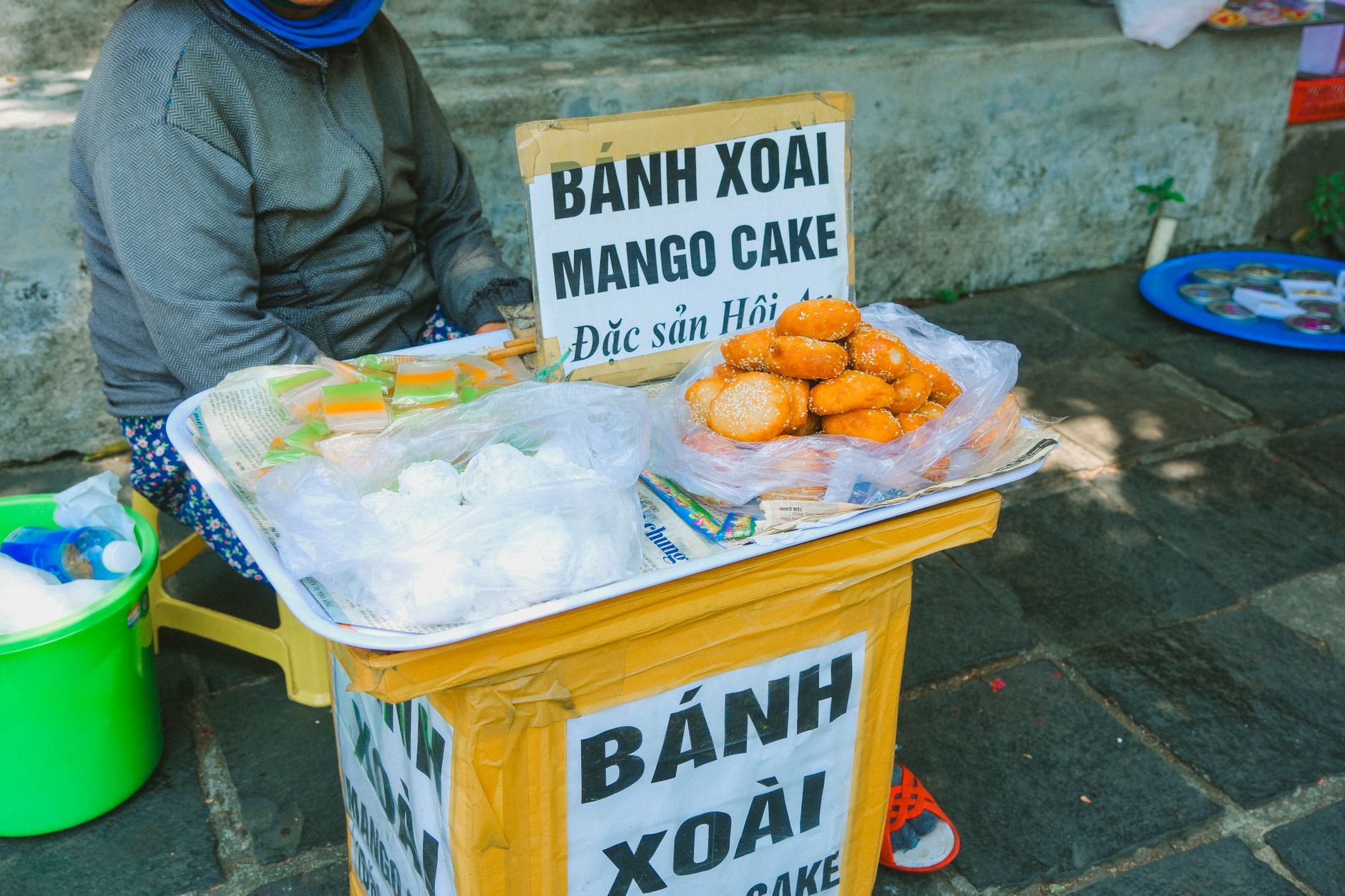
Photo by Thái Trường Giang on Pexels
May to September: Monsoon & Extreme Heat
Skip this period. Temps exceed 33–35°C with crushing humidity (75–85%), and the Southwest monsoon (May–September) dumps rain almost daily — often in the late afternoon. Roads to rural rubber plantations and temples can flood, making day trips unpredictable.
August is the worst: peak heat, peak rainfall, and oppressive air quality from regional haze. Even locals stay indoors midday. Accommodation prices drop, but you'll spend half your time waiting out downpours or sweating in an unair-conditioned guesthouse.
October: Transition Month
Rain tapers off by mid-October, but humidity lingers and temperatures remain high (28–32°C). The worst of monsoon season is over, but it's not yet comfortable. October feels like the tail end of rainy season rather than the start of the good months.
Festivals & Events
The Cao Dai Holy See's annual festivals fall in the eighth lunar month (roughly September–October). The temple hosts noon and midnight services daily, but festival celebrations — with processions and ritual ceremonies — draw larger crowds and add energy. If you're interested in Cao Daism, plan around these dates, though they coincide with heat and humidity.
Tet (뗏 (베트남 설날) / 越南春节 / テト) (Lunar New Year) typically falls in late January or early February. Tay Ninh sees holiday travel surges, and many small restaurants close for 3–5 days. The Cao Dai Temple is busiest on Tet Eve and Tet morning (Jan 30–31 or Feb 1–2, depending on the year). If you want to experience Tet at the temple, arrive early; if you want to avoid crowds, skip these specific days.
Photo by Engin Akyurt on Pexels
Crowd Levels by Month
Lowest crowds: March, April, May, June, July, August, September, October — but most are too hot or wet to recommend.
Moderate crowds: November, February.
Highest crowds: December, January, Tet week.
Unlike Hoi An or Ha Long Bay, Tay Ninh never feels overwhelmed. Even in December, the Cao Dai Temple is navigable on weekdays. But weekends and holidays, especially in December, will have tour groups and domestic families.
What to Pack by Season
November–February: Light cotton or linen shirt, shorts or light trousers, light jacket for early mornings and air-conditioned buses, sunscreen, hat. Mosquito repellent is always useful.
March–April: Same, but expect higher temps; bring more sunscreen and a cooling towel.
May–September: Quick-dry clothes, rain jacket, waterproof bag, sturdy shoes (not sandals) for muddy roads, insect repellent (dengue risk peaks). An umbrella is essential.
Practical Notes
Tay Ninh is a straightforward day trip or 2-day visit from Saigon, so you're not locked into a week-long stay. If you're passing through in September, don't skip it just for weather — the temple is compelling year-round, and you can work around monsoon afternoons. Book accommodation and temple tours mid-week in December–January to avoid weekend crush, and aim for early morning (6–7 a.m.) temple visits to beat the heat and crowds any time of year.
Last updated · May 29, 2026 · independently researched, never sponsored.