Pu Mat National Park covers over 91,000 hectares of dense subtropical forest along the Laos border in western Nghe An province. It's one of the biggest national parks in Vietnam (베트남 / 越南 / ベトナム), and one of the least visited by international travelers — which is exactly what makes it worth the trip.
What It Is and Why It Matters
Established in 2001 and recognized as a UNESCO Biosphere Reserve, Pu Mat protects a stretch of the Truong Son mountain range that still holds serious biodiversity. We're talking confirmed populations of large-antlered muntjac, Asiatic black bears, several primate species including the white-cheeked gibbon, and over 2,400 plant species. The park sits in Con Cuong district, roughly 160 km west of Vinh city.
The name "Pu Mat" comes from the Thai ethnic language — the area is home to Thai and Dan Lai ethnic minority communities who have lived in the surrounding valleys for generations. This isn't a manicured nature reserve with paved walkways. It's raw, forested, and feels genuinely remote once you're past the entrance stations.
Why Travelers Go
Most people who make the effort to reach Pu Mat are looking for something Vietnam's more popular destinations don't offer: real quiet and actual wilderness. There are no crowds, no ticket queues, and no souvenir shops lining the road. Birdwatchers come for the 450-plus recorded bird species. Trekkers come for multi-day routes through primary forest. And a smaller number come specifically to visit the Dan Lai communities in the park's buffer zone — one of Vietnam's smallest ethnic groups, with a population of only a few thousand.
If your idea of a good day involves walking through forest canopy without seeing another tourist for hours, this is the place.
Best Time to Visit
The dry season from March to August is your window. April through June tends to be the sweet spot — warm but not yet peak-heat, and the forest is green without the heavy rain that turns trails into mud streams. July and August are hotter (35°C+) but still manageable if you start hikes early.
Avoid September through November. The western Nghe An highlands catch serious rainfall during this period, and trails can become impassable. Landslides occasionally close the road between Con Cuong and the park entrance. December to February is cooler (down to 10-12°C at elevation) and drier, but mist can reduce visibility on longer treks.
How to Get There
The gateway town is Con Cuong, about 160 km west of Vinh. From Vinh, take a bus from Vinh bus station heading toward Con Cuong — departures run several times daily, the ride takes around 3-3.5 hours on Highway 7, and tickets cost roughly 80,000-100,000 VND.
If you're coming from Hanoi, the most practical route is a train or bus to Vinh (roughly 300 km, 5-6 hours by train, tickets from 200,000 VND for a hard seat), then onward to Con Cuong by local bus or hired car. A private car from Vinh to Con Cuong runs about 800,000-1,200,000 VND one way, depending on your negotiation skills.
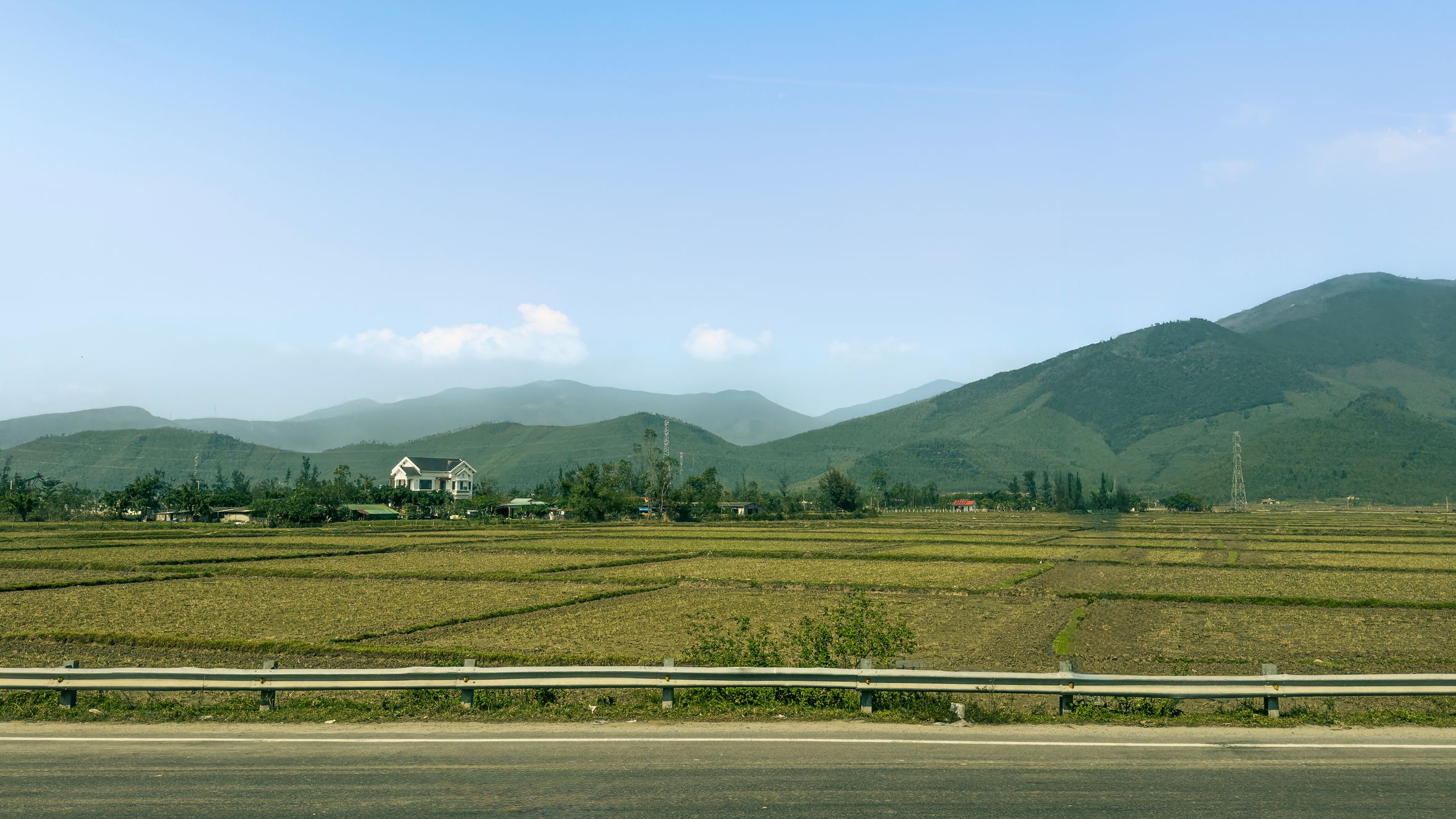
From Con Cuong, the park headquarters and main entrance are about 15 km further west. You'll need a motorbike or arrange transport through your guesthouse — there's no regular shuttle.
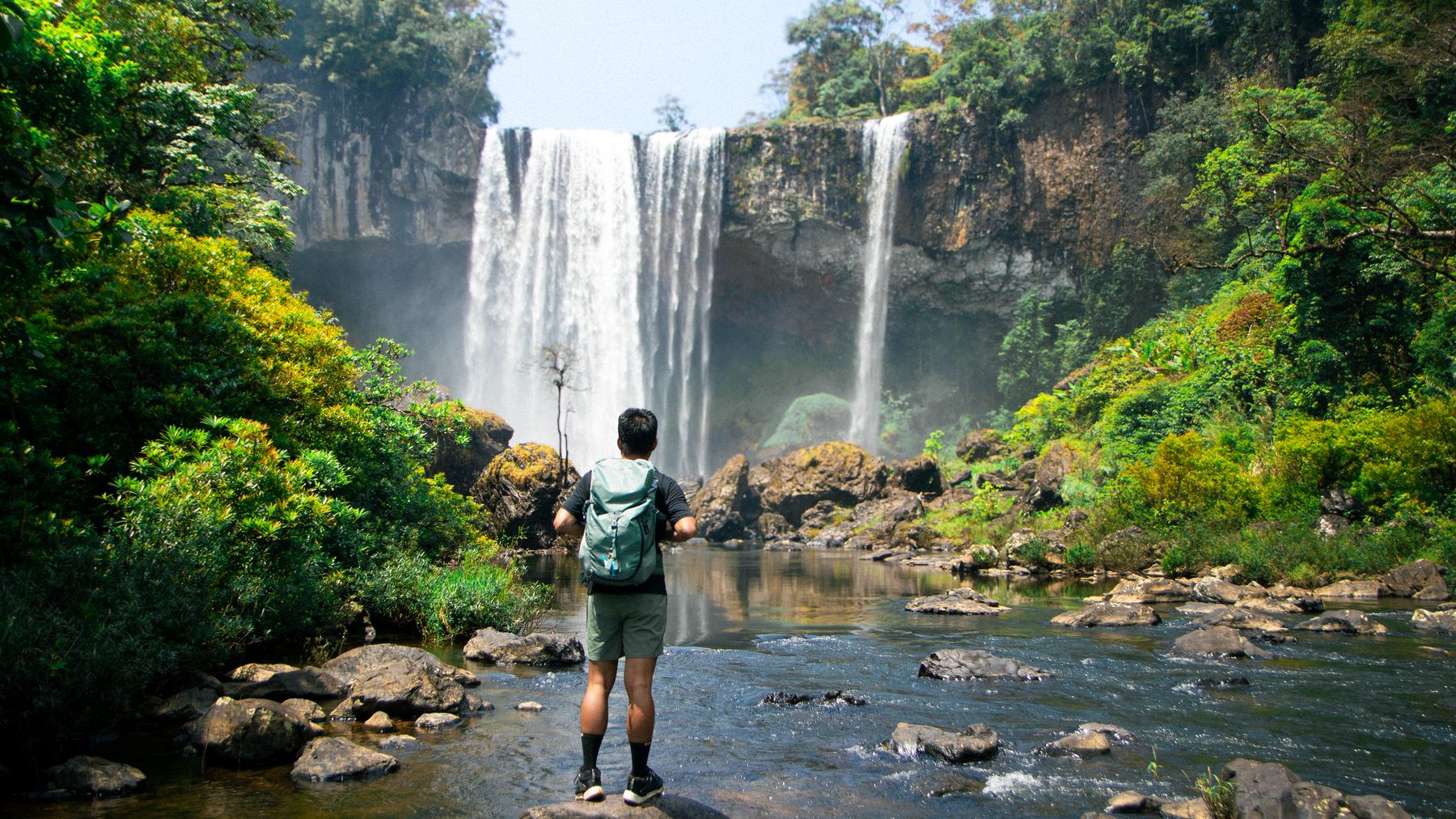
Photo by Tường Chopper on Pexels
What to Do
Trek the Kem Waterfall Trail
The most accessible hike in the park leads to Kem Waterfall (Thac Kem), a 150-meter cascade that's one of the tallest in Vietnam. The trail from the park gate is around 7 km one way, mostly flat with some river crossings. Budget 4-5 hours round trip. Entrance and guide fees run about 50,000 VND per person, plus a mandatory guide fee (typically 300,000-500,000 VND for a group).
Boat Trip on the Giong River
The Giong River runs through the park's lower section, and local operators offer boat trips upriver through narrow limestone gorges flanked by forest. Trips last 1-2 hours and cost around 200,000-400,000 VND per boat. The water is clear enough to see the bottom in the dry season.
Visit Dan Lai Villages
Several Dan Lai communities live in the park's buffer zone, particularly along the Khe Khang valley. Visits should be arranged through the park office or a local guide — don't just show up. The Dan Lai have distinct traditions, including stilt-house architecture and textile weaving. A guided visit with a translator usually costs 500,000-800,000 VND for a small group.
Multi-Day Trekking
For experienced hikers, the park offers 2-3 day treks deeper into the primary forest zone, sleeping in hammocks or basic shelters. These require advance booking through the park management board, a licensed guide, and porters. Expect to pay 1,500,000-2,500,000 VND per person per day, all-inclusive. The routes are not marked — this is guide-dependent trekking.
Birdwatching at Dawn
The forest around the park entrance is productive for birdwatching even without a deep trek. Early morning (5:30-7:00 AM) along the access road and river edges turns up species like the red-headed trogon, sultan tit, and various barbets. Bring binoculars — rentals aren't available locally.
Where to Eat Nearby
Con Cuong town has a handful of local restaurants along the main road. Look for "com binh dan" (everyday rice) shops serving whatever's fresh. The local dish worth seeking is "ca khe suoi" — stream fish grilled over charcoal with herbs, a specialty of the Thai communities in the area. A full meal runs 50,000-80,000 VND. Also try "com lam" — sticky rice cooked inside bamboo tubes over open flame, sold at small stalls near the market.
Where to Stay
Con Cuong has basic guesthouses ("nha nghi") ranging from 200,000-400,000 VND per night — clean enough, hot water, fan or AC. A few homestays operate in Thai villages closer to the park, running 250,000-350,000 VND including dinner and breakfast. These are the better option if you want the full experience. There's no accommodation inside the park itself unless you're on a multi-day trek.
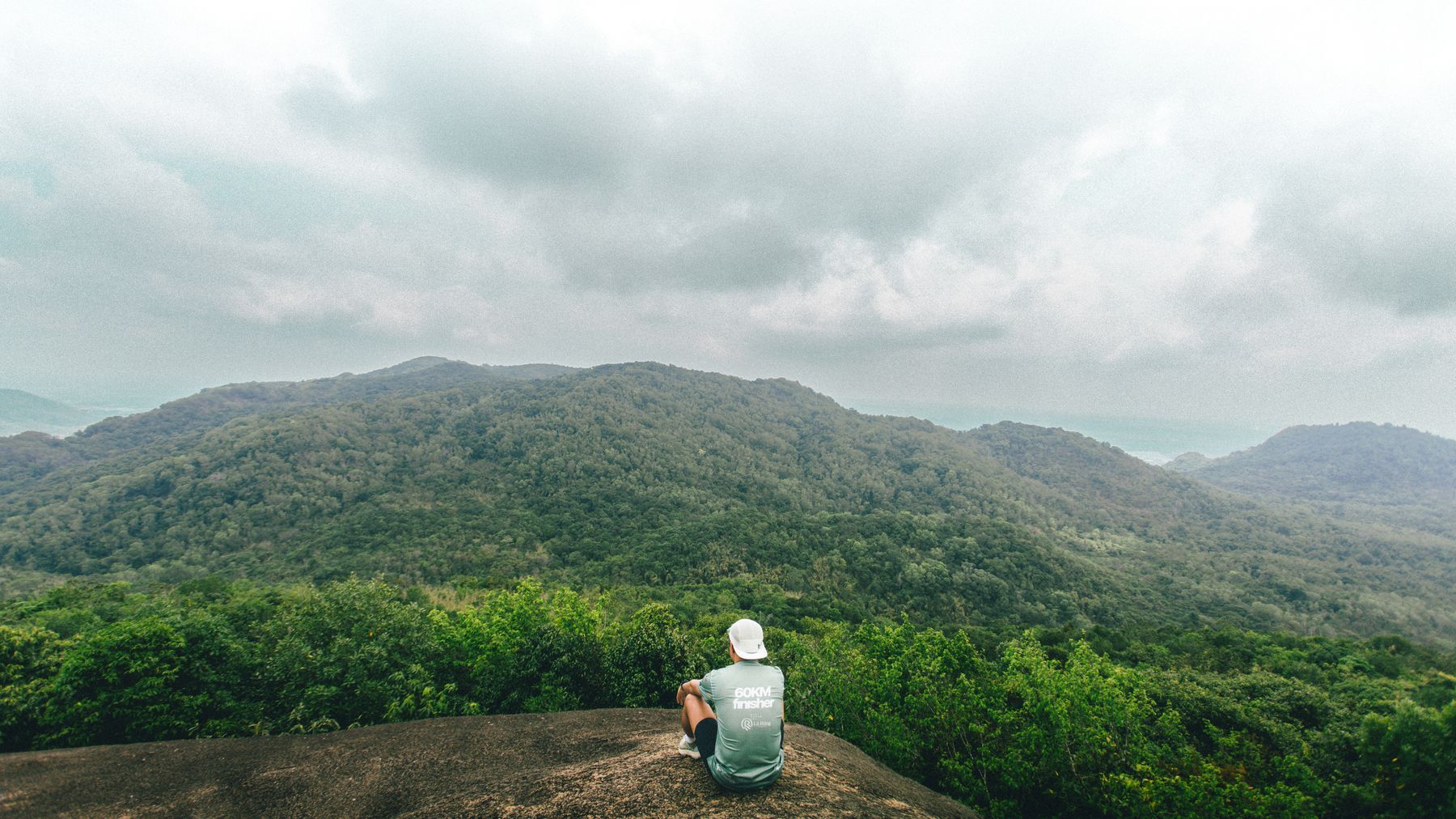
Photo by Tường Chopper on Pexels
Practical Tips
- Bring cash. There's one ATM in Con Cuong and it doesn't always work. Don't rely on cards anywhere in this area.
- Hire a guide. Trails inside the park are not signposted and phone signal drops out quickly. Solo trekking isn't officially allowed and isn't smart either.
- Pack leech socks. May through August is peak leech season in the wet forest. Long pants, tucked into socks, treated with insect repellent.
- Fuel up in Con Cuong. If you're on a motorbike, fill the tank before heading to the park — there are no fuel stations past town.
Common Mistakes
The biggest one: underestimating the distance. People see "Nghe An" and assume it's a quick detour from Vinh. It's not. The 160 km on Highway 7 is winding mountain road, and you'll need at least two nights in the area to make the trip worthwhile. Showing up for a day trip means you'll spend most of your time in transit.
Second mistake: expecting national park infrastructure like Phong Nha or Cat Ba. Pu Mat doesn't have that. No visitor center with English maps, no cafe at the trailhead, no zip lines. That's the point.
Practical Notes
Pu Mat is a commitment — it takes planning, flexibility, and comfort with basic conditions. But for travelers who've already covered Hanoi (하노이 / 河内 / ハノイ), Hue, Hoi An, and Da Nang and want something genuinely off the main circuit, western Nghe An delivers. Just bring cash, a decent pair of shoes, and lower your expectations for Wi-Fi.
Last updated · May 26, 2026 · independently researched, never sponsored.